

 Предпросмотр
 Поделиться
 Поделиться
 Детали произведения

 Скачать
 Похожие работы
 Рентгенография
 Слайд-шоу
 Статистика
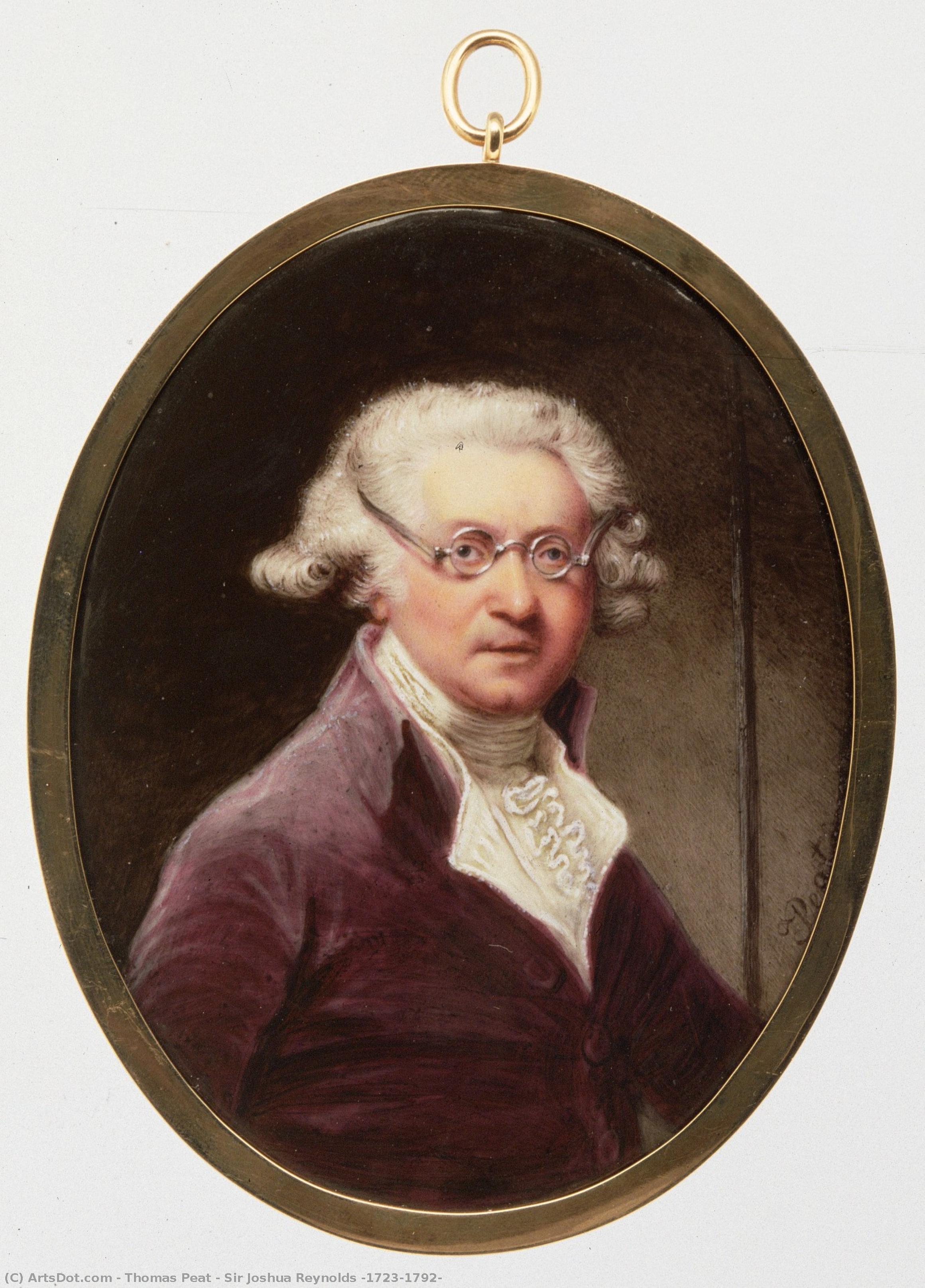
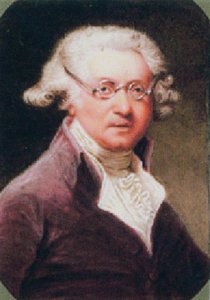
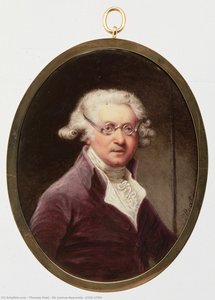
Sir Joshua Reynolds (1723–1792)
 1792
1792 10.0 x 8.0 cm
 Читать далее
Жикле / Арт-принт
Печать (жикле) или холст музейного качества с быстрыми сроками изготовления и широким выбором вариантов отделки. ( Купить картину ручной работы Перейти к цифровым изображениям)




































Выберите один из наших стандартных размеров, соответствующих оригинальным пропорциям произведения искусства.

Вы можете указать свои собственные размеры, чтобы репродукция идеально подошла под конкретную раму или пространство. Если выбранный вами размер не будет соответствовать пропорциям оригинала, мы либо обрежем произведение, либо дополним изображение зеркальным отражением краев или однотонной заливкой. Перед началом производства вам будет отправлен цифровой макет для утверждения.
Пожалуйста, обратите внимание, что предварительный просмотр на экране не отображает фактическую обрезку или расширение изображения. Только макет точно покажет финальную композицию.
Несмотря на возможность заказа индивидуальных размеров, мы рекомендуем выбирать размер из предопределенного списка, чтобы сохранить оригинальные пропорции.
Доставка по всему миру () за 2 недели вместо стандартных 4/5 недель. (13 Сентябрь)

Бесплатная экспресс-доставка по всему миру

Высококачественный льняной холст

Полное страхование доставки

Гарантия возмещения таможенных пошлин

Гарантия точного соответствия цветов

100-дневная политика возврата (только при обнаружении дефектов)

Гарантия возврата 100% средств

Предложение оптовых скидок
 Вариант со стеклом доступен только для размеров менее 110 см

Sir Joshua Reynolds (1723–1792)
Жикле / Арт-принт
Размер репродукции
-


Итоговая стоимость
$ 62
Похожие произведения





Биография художника
The Quiet Pioneer: The Life and Legacy of Thomas Peat
In the grand tapestry of eighteenth-century British art, where the towering figures of Sir Joshua Reynolds often command the spotlight, there exists a more subtle, grounded thread woven by Thomas Peat. Born in 1708 at Ashley Hall, near Wirksworth, Nottinghamshire, Peat was not an artist born of the gilded academies or the cosmopolitan salons of London. Instead, his creative spirit was nurtured by the rhythms of the English countryside and a family lineage rooted in farming. This connection to the land provided him with a unique, observational lens—a way of seeing that favored the meticulous detail of the natural world over the dramatic artifice of high portraiture. His life, spanning from the early Enlightenment to the dawn of the Romantic era, serves as a testament to the profound impact of independent artistry and the importance of documenting the seasonal pulse of human existence.
Peat’s primary contribution to British visual culture was perhaps unexpected for a fine artist: the creation of highly regarded almanacs. Far from being mere utilitarian calendars, Peat’s works were intricate tapestries of information, blending astrological predictions, meteorological observations, and moral reflections. Through his mastery of typography and engraving, he transformed the almanac into a medium of art and education. He possessed a rare ability to capture the essence of seasonal transitions, providing farmers and gardeners with practical wisdom wrapped in aesthetic beauty. This dedication to accuracy and the human experience allowed him to bridge the gap between scientific observation and artistic expression, making his work an essential companion to the rural populations of England during a period of significant social and natural anxiety.
Artistic Development and the Landscape Tradition
While his almanacs established his reputation for precision, Peat’s foray into landscape painting revealed a deeper, more emotive side of his talent. As the eighteenth century progressed, the seeds of Romanticism began to take root in the English consciousness, and Peat’s landscapes subtly reflected this burgeoning sensibility. His work moved beyond simple topographical recording toward a more atmospheric exploration of the British terrain. One can sense in his brushwork an appreciation for the quiet majesty of the natural cycles he so carefully documented in his printed works. There is a profound continuity between the way he mapped the stars and weather patterns in his almanacs and the way he captured the light and texture of the English landscape.
His development as an artist was largely self-taught, a fact that lends a certain raw, authentic quality to his compositions. Without the rigid constraints of formal academic training, Peat was free to pursue a style that prioritized the grounded perspective inherited from his upbringing. This independence allowed him to focus on the nuances of light and shadow that define the English countryside, creating scenes that felt both intimately familiar and spiritually resonant. His ability to blend the practicalities of life—the seasonal shifts, the agricultural needs—with a poetic vision of nature marks him as a significant, if understated, figure in the evolution of British landscape art.
Historical Significance and Enduring Memory
The historical importance of Thomas Peat lies in his role as a chronicler of both the intellect and the earth. He was an artist who understood that information and beauty are not mutually exclusive. His achievements, though often overlooked by the traditional canons of art history, are recognized by institutions such as the British Museum, which holds a plaque commemorating his vital contributions to the field of almanac-making. This recognition underscores the value of his work in preserving the cultural and scientific zeitgeist of the eighteenth century.
Today, Peat’s legacy is found in the intersection of art, science, and social history. He represents a period when the boundaries between different forms of knowledge were fluid, and where an engraver could also be a meteorologist and a moralist. To study Peat is to study the very heart of the English landscape and the enduring human desire to find order and beauty within the natural world. His life remains a poignant reminder that the most significant contributions to culture often come from those who observe the world with quiet, unwavering dedication.
thomas peat
1708 - 1780 , United Kingdom
Основные сведения
- Artistic Movement Or Style: Almanac-making
- Artists Or Movements Influenced By This Artist: ['Sir Joshua Reynolds']
- Artists Who Influenced This Artist: ['']
- Date Of Birth: 1708
- Full Name: Thomas Peat
- Nationality: English
- Notable Artworks: ['']
- Place Of Birth: Ashley Hall, Wirksworth, Nottinghamshire