

 Предпросмотр
 Поделиться
 Поделиться
 Детали произведения

 Скачать
 Похожие работы
 Рентгенография
 Слайд-шоу
 Статистика
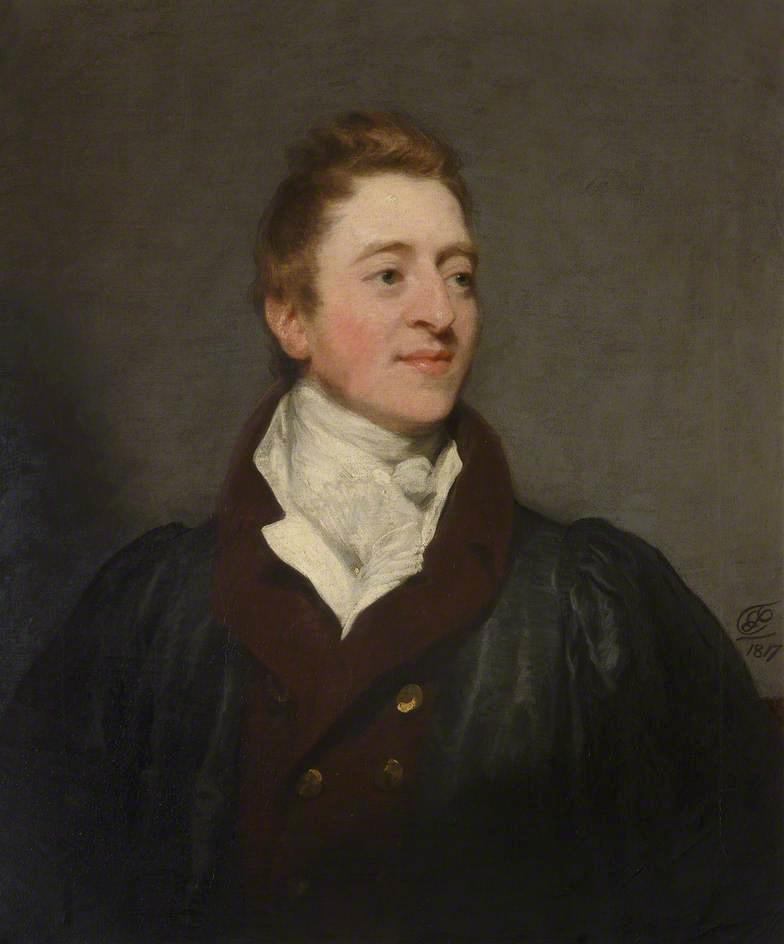
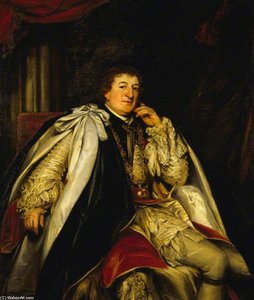
Hugh Percy, 3rd Duke of Northumberland


 Читать далее
Приобретите цифровое изображение высокого разрешения в улучшенном качестве, которое значительно превосходит онлайн-превью.
Каждый файл тщательно подготавливается нашими специалистами с использованием передовых инструментов и экспертной ручной ретуши. Мы гарантируем исключительную четкость, точную цветопередачу и детальную проработку каждого изображения.
Финальный файл доставляется по электронной почте в течение 72 часов и оптимизирован для немедленного использования в профессиональной среде, при верстке и печати. Это тот же уровень качества, которому доверяют ведущие дизайнерские студии, издательства и галереи.
Цифровое изображение
Скачайте файл высокого разрешения для личного использования, печати и творческих проектов. ( Перейти к печати Купить картину ручной работы)
Включено в каждый заказ цифровых изображений
Гарантия экспертной цифровой доставки
Выбирая ArtsDot.com, вы получаете не просто изображение — вы приобретаете профессионально обработанное цифровое произведение искусства, созданное с безупречной точностью и под защитой гарантии качества. Вот всё, что автоматически входит в ваш заказ:

Мгновенная доставка по e-mail
Ваш цифровой файл в высоком разрешении будет отправлен вам по электронной почте в течение 72 часов после оформления заказа — и сразу станет доступен для использования.

Цифровой файл с ИИ-улучшением
Ваше произведение искусства проходит профессиональную оптимизацию с использованием передовых инструментов ИИ и ручной обработки, что гарантирует максимальную детализацию, четкость и точность цветопередачи.

Бессрочная бесплатная повторная доставка
Случайно удалили или потеряли файл? Не беспокойтесь — мы отправим его вам повторно в любое время и совершенно бесплатно.

Без импортных пошлин — навсегда
Наслаждайтесь вашим произведением искусства мгновенно без таможенных пошлин, сборов или затрат на доставку — цифровые загрузки всегда не облагаются налогом.

Гарантия точности цветопередачи
Мы гарантируем, что ваше цифровое изображение максимально точно передает оригинальные цвета благодаря использованию профессиональных инструментов и систем управления цветом.

Гарантия удовлетворенности 100 дней
Если вы не будете удовлетворены своим цифровым изображением, мы внесем правки или вернем 100% стоимости в течение 100 дней — без лишних вопросов.

100% Гарантия возврата средств
Не удовлетворены покупкой? Получите полный возврат средств в течение 100 дней после получения цифрового файла — без лишних вопросов.

Скидки на оптовые заказы
Купите 3 изображения, сэкономьте 10% — Купите 5, сэкономьте 15% — Купите 10+, сэкономьте 20%. Отличное решение для творческих проектов, галерей и агентств.
A Portrait of Command: Hugh Percy, 3rd Duke of Northumberland
Thomas Phillips’s 1817 portrait of Hugh Percy, 3rd Duke of Northumberland, is more than simply a likeness; it's a carefully constructed tableau of power, duty, and restrained dignity. Rendered in the rich, controlled palette characteristic of late Georgian and early Romantic portraiture, the painting offers a glimpse into the life of a prominent figure navigating the complexities of British society during a period of significant political and social change. The Duke himself—a man of considerable military experience, serving with distinction in the American War of Independence and later as Lord Lieutenant of Ireland—projects an aura of composed authority, his gaze direct yet subtly contemplative.
The composition is classically balanced, adhering to a three-quarter pose that allows for detailed observation of the subject’s features. Phillips masterfully employs chiaroscuro – the dramatic interplay of light and shadow – to sculpt Percy's form, emphasizing the strength of his jawline, the firmness of his brow, and the subtle texture of his coat. The muted grey-brown background serves not as a distraction but rather as a grounding element, allowing the Duke’s figure to command attention and anchor the scene within a space of quiet formality. The careful use of lines defines the contours of his face, clothing, and hair with precision, while organic shapes—the folds in his coat, the curve of his neck—lend a sense of naturalism and human warmth to the otherwise structured arrangement.
A Window into Regency Society
To fully appreciate this portrait, it’s crucial to understand its historical context. The early 19th century was a time of immense social and political upheaval in Britain, following the Napoleonic Wars and the tumultuous years of the French Revolution. The aristocracy held considerable sway, yet faced increasing scrutiny from reformers and radicals demanding greater accountability. Portraits like this one were not merely decorative; they served as powerful statements of status, lineage, and civic responsibility. The Duke’s attire—the richly embroidered coat, the lace cravat—are all deliberate indicators of his wealth, rank, and connection to established traditions.
Further research reveals that Hugh Percy was a key figure in British politics, holding various important positions including Lord Lieutenant of Ireland. His involvement in military campaigns, particularly during the American War of Independence, shaped his character and contributed to his reputation for both bravery and strategic acumen. The portrait captures this complex legacy—a man simultaneously embodying the virtues of the established order and reflecting the challenges of a rapidly changing world.
The Art of Phillips: Technique and Detail
Thomas Phillips was a highly respected artist known for his meticulous attention to detail and his ability to capture both the physical likeness and the psychological essence of his subjects. His technique is characterized by layered brushwork, carefully blended colors, and a masterful understanding of light and shadow. The texture of Percy’s coat—the subtle sheen of the fabric, the delicate weave—is rendered with remarkable realism, inviting the viewer to almost feel its weight and smoothness.
Phillips's skill is particularly evident in his depiction of facial features. The Duke’s eyes, though somewhat distant, convey a sense of intelligence and self-awareness. The subtle lines around his mouth hint at both experience and perhaps a touch of melancholy. The artist’s use of highlights—particularly on the skin—creates a luminous effect that draws attention to the subject's face and adds depth to the overall composition. The portrait is a testament to Phillips’s dedication to capturing not just an image, but also the very spirit of his sitter.
Symbolism and Emotional Resonance
Beyond its technical merits, the portrait holds subtle symbolic significance. The Duke's posture—straight, dignified, and slightly turned towards the viewer—conveys a sense of authority and self-assurance. His gaze suggests both confidence and contemplation, inviting the viewer to engage with his thoughts and experiences. While the painting avoids overt emotional displays, it subtly communicates a feeling of stability, strength, and unwavering commitment to duty.
The muted color palette—dominated by browns, greys, and creams—contributes to the overall sense of gravitas and formality. It’s a deliberate choice that reflects the conservative values of the era and reinforces the Duke's position as a pillar of the establishment. Ultimately, Hugh Percy, 3rd Duke of Northumberland, is not merely a portrait; it’s a carefully crafted representation of a man—a leader, a soldier, and a symbol of an age.
Похожие произведения
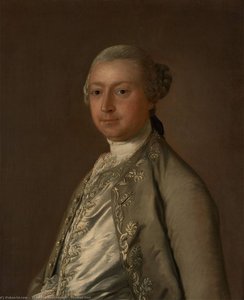
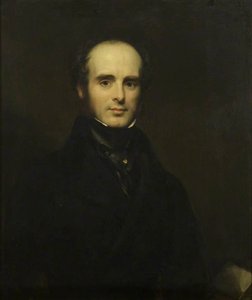
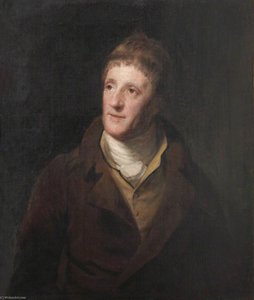
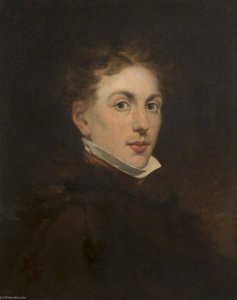
Биография художника
Early Life and Artistic Foundations
Thomas Phillips, born in Dudley, Worcestershire, in 1770, emerged from relatively modest beginnings to become a prominent figure in the British art scene of the late 18th and early 19th centuries. His initial artistic training wasn’t within the traditional confines of painting, but rather in the craft of glass-painting under Francis Eginton in Birmingham. This foundational experience instilled in him a meticulous attention to detail and an understanding of color and light – skills that would prove invaluable when he later transitioned to portraiture. The intricate designs and vibrant hues of stained glass demanded precision and a keen eye for composition, shaping his early artistic sensibilities. A pivotal moment arrived in 1790 when Phillips journeyed to London, armed with an introduction to Benjamin West, a leading artist of the time and a key figure in the Royal Academy. West’s guidance proved transformative, opening doors to opportunities within the established art world and providing him with invaluable mentorship. He was immediately immersed in the atmosphere of London's artistic circles, absorbing the techniques and philosophies of his esteemed teacher.A Rising Portraitist: Style and Subject Matter
Phillips quickly found his niche in portraiture, though not without navigating a competitive landscape already populated by renowned artists like Thomas Lawrence and John Hoppner. Initially, his sitters were largely unknown individuals – tradesmen, minor officials, and members of the gentry seeking to immortalize their likenesses. However, through dedication, skill, and an innate ability to capture personality, he steadily ascended the social ladder, attracting increasingly prominent figures to his studio. His style was characterized by a remarkable realism, reflecting both the influence of his early training in glass-painting – particularly his understanding of light and shadow – and the prevailing artistic tastes of the era. He possessed an extraordinary talent for not just replicating physical likenesses but also conveying something of the sitter’s character, intellect, and inner life. This ability to capture a sense of presence and emotion was what truly distinguished his work from mere imitation. He often employed subtle details – a fleeting expression, a particular gesture – to reveal the essence of his subjects. His portraits weren't simply representations; they were windows into the souls of those he depicted.Royal Patronage and Academic Recognition
The year 1804 marked a significant turning point in Phillips’ career with his election as an associate of the Royal Academy, alongside William Owen. This recognition solidified his position within the artistic establishment and signaled a period of increased demand for his services. Shortly thereafter, he relocated to 8 George Street, Hanover Square, a prestigious address that would remain his home and studio for the next four decades – a symbol of his rising status and success. His clientele continued to expand dramatically, encompassing members of the royal family (including Prince of Wales), the aristocracy, and leading figures in various fields – scientists, writers, poets, and explorers. He painted portraits of the Prince of Wales (later George IV), the Marchioness of Stafford, Lord Thurlow, and many others, each portrait reflecting his meticulous attention to detail and his ability to capture the unique character of his subjects. The demand for his work was so high that he often had multiple commissions underway simultaneously, a testament to his reputation as one of London’s most sought-after portrait painters.Notable Works and Artistic Evolution
Among Phillips's most celebrated works are *The Death of Talbot, Earl of Shrewsbury, at the Battle of Castillon* (1793), a dramatic historical scene showcasing his mastery of composition and color; *Ruth and her Mother-in-law* (1794), a poignant depiction of domestic life imbued with emotional depth; and *Elijah restoring the Widow’s Son* (1795), demonstrating his ability to convey religious themes with sensitivity and grace. However, it was in 1807 that he produced one of his most enduring portraits – a captivating likeness of William Blake, the visionary poet and artist. This painting, now housed in the National Portrait Gallery, is particularly admired for its evocative portrayal of Blake’s intense gaze and spiritual intensity. Phillips's artistic style evolved subtly over time, becoming increasingly refined and expressive. He experimented with different techniques and approaches, always striving to capture the essence of his subjects while maintaining a consistent level of technical excellence. His later works often displayed a greater sense of psychological depth and emotional complexity than his earlier portraits.Legacy and Historical Significance
Thomas Phillips’s contributions to British art are considerable. He was not merely a skilled portrait painter; he was also a dedicated teacher and a keen observer of the cultural landscape of his time. His appointment as Professor of Painting at the Royal Academy in 1825 provided him with an opportunity to share his knowledge and expertise with aspiring artists, shaping the artistic sensibilities of a generation. His *Lectures on the History and Principles of Painting*, published in 1833, offered valuable insights into his artistic philosophy and pedagogical approach. Phillips’s legacy extends beyond his individual works; he helped to establish portraiture as a respected and enduring art form in Britain. His meticulous realism, combined with his sensitivity to character and emotion, continues to resonate with viewers today. He left behind a body of work that reflects both the technical skill and the intellectual curiosity of an artist deeply engaged with the cultural and social currents of his era – a testament to his lasting contribution to British art history.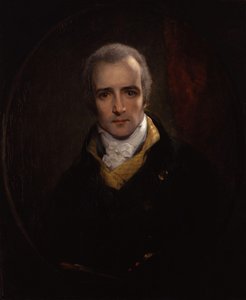
Томас Филлипс
1770 - 1845 , Великобритания
Основные сведения
- Artistic Movement Or Style: Романтизм
- Artists Or Movements Influenced By This Artist: ['Романтизм']
- Artists Who Influenced This Artist: ['Бенджамин Уэст']
- Date Of Birth: 1770
- Date Of Death: 1845
- Full Name: Thomas Phillips
- Nationality: Британский
- Notable Artworks:
- Венера и Адонис
- Лорд Байрон
- Place Of Birth: Дудли, Великобритания