

 Предпросмотр
 Поделиться
 Поделиться
 Детали произведения

 Скачать
 Похожие работы
 Рентгенография
 Слайд-шоу
 Статистика
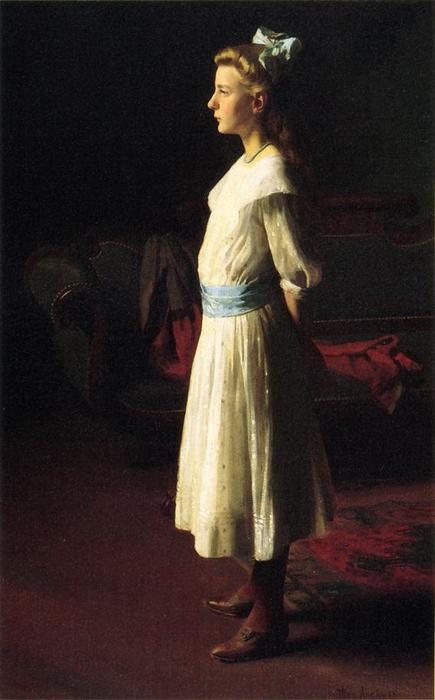
Portrait of Margaret Perot


 Читать далее
Масляная репродукция ручной работы
Картина маслом на холсте в выбранном вами размере и раме, написанная на заказ нашими художниками. ( Перейти к печати Перейти к цифровым изображениям)




P118B $10

P118H $10

P118W $10

P438Z $10

P508JH $12

P508YH $12

P805H $10

P805Z $10

P919BZ $10

P919G $10

P919XJ $10

P959ZH $10

P968JZ $12

W106C $8

W218G $10

W218JH $8

W218Y $10

W307PJ $10

W316G $10

W316PJ $8

W316Y $10

W398PJ $8

W4111J $10

W500HY $15

W500JH $15

W692G $12

W849H $8

W940BG $15

W953PJ $8




Выберите один из наших стандартных размеров, соответствующих оригинальным пропорциям произведения искусства.

Вы можете указать собственные размеры, чтобы картина идеально вписалась в выбранную раму или пространство. Если выбранный вами размер не соответствует пропорциям оригинала, мы либо обрежем полотно, либо расширим его за счет дополнительных элементов, написанных вручную. Цифровой макет будет отправлен вам на утверждение перед началом производства.
Обратите внимание, что предварительный просмотр на экране не отражает фактическую обрезку или расширение. Только макет точно покажет окончательную композицию.
Хотя доступны индивидуальные размеры, мы рекомендуем выбирать вариант из предопределенного списка, чтобы сохранить исходные пропорции.
После оформления заказа команда ArtsDot.com свяжется с клиентом по электронной почте для уточнения деталей и предоставит предварительный макет
Доставка по всему миру () за 3–4 недели вместо стандартных 5 недель. (11 Сентябрь). Без компромиссов в качестве.

Бесплатная экспресс-доставка по всему миру

Высококачественный льняной холст

Полное страхование доставки

Гарантия возмещения таможенных пошлин

Гарантия точного соответствия цветов

100-дневная политика возврата (только при обнаружении дефектов)

Гарантия возврата 100% средств

Предложение оптовых скидок
 Вариант со стеклом доступен только для размеров менее 110 см

Portrait of Margaret Perot
Техника репродукции
Размер репродукции
-


Итоговая стоимость
$ 263
A Moment Frozen in Time: The Portrait of Margaret Perot
Thomas Pollock Anshutz’s “Portrait of Margaret Perot,” painted in 1908, isn't merely a likeness; it’s a carefully constructed tableau of understated elegance and quiet contemplation. More than a century after its creation, the painting retains an arresting immediacy, inviting us into a private moment within a bygone era. It’s a work that speaks volumes through restraint – a testament to Anshutz’s mastery of capturing not just appearance, but also the subtle nuances of human character.
The subject, Margaret Perot, is presented in a three-quarter profile view, her gaze directed subtly towards the viewer's right. She stands within what appears to be a modestly furnished interior, perhaps a parlor or drawing room, draped with fabrics that hint at wealth and refinement. The composition immediately establishes a sense of formality, yet it’s tempered by an undeniable warmth – a feeling derived from Perot’s direct, yet not overly assertive, eye contact. The dark background serves as a powerful counterpoint to her figure, isolating her and drawing our attention entirely to her presence.
Realism Rooted in Observation: Anshutz's Technique
Anshutz was deeply influenced by Thomas Eakins, his mentor at the Pennsylvania Academy of Fine Arts, and this influence is evident in the meticulous detail and naturalistic approach of “Portrait of Margaret Perot.” The artist’s technique is characterized by a deliberate layering of oil paints, creating a rich surface texture that captures the subtle variations in light and shadow. Notice how he skillfully renders the folds of her dress, not with sharp outlines but with soft gradations of tone – an indication of his careful observation of form and fabric. The brushstrokes are generally smooth and blended, contributing to a sense of realism without sacrificing visual appeal.
The color palette is remarkably restrained, dominated by muted earth tones—creams, browns, and blues—that evoke a sense of timelessness. The ribbon adorning her hair adds a touch of delicate color, while the subtle blue in her dress hints at a connection to the outside world. Anshutz’s use of light is particularly effective; it's diffused and soft, illuminating Perot’s face and upper body without creating harsh contrasts. This creates an atmosphere of intimacy and invites us to linger on her expression.
Symbolism and Emotional Resonance
Beyond its technical merits, “Portrait of Margaret Perot” is imbued with a quiet sense of symbolism. The dark background could be interpreted as representing mystery or solitude, while the subject’s contemplative gaze suggests introspection and perhaps even a touch of reserved dignity. The pose itself—formal yet relaxed—conveys an air of self-possession and inner strength. It's not a portrait designed to dazzle with extravagance; rather, it aims to capture something deeper – the essence of a woman navigating her place in society.
Considering the historical context—1908, a period of significant social change and industrialization—the painting offers a poignant glimpse into the lives of the upper class. It’s a reminder that even within seemingly stable environments, there existed layers of complexity and unspoken emotions. The portrait speaks to the enduring power of art to capture not just appearances, but also the spirit of an age.
A Legacy of Realism: Anshutz's Place in Art History
Thomas Pollock Anshutz remains a significant figure in American art history, celebrated for his unflinching realism and his ability to portray everyday life with remarkable honesty. His work, exemplified by “Portrait of Margaret Perot,” reflects a shift away from idealized representations towards a more direct engagement with the world around him. Reproductions of this captivating portrait offer an accessible way to appreciate Anshutz’s artistic vision and experience the enduring appeal of his masterful technique.
Похожие произведения
Биография художника
A Life Dedicated to Realism: The World of Thomas Pollock Anshutz
Thomas Pollock Anshutz, born in Newport News, Virginia, in 1851, wasn’t merely an artist; he was a chronicler of his time, a keen observer of the American landscape and its people. His life's work became inextricably linked with the rise of realism in American art – a movement that sought to depict the world as it truly existed, unburdened by romantic ideals or academic conventions. From his early training at the National Academy of Design to his pivotal role in shaping a generation of artists through The Darby School, Anshutz’s journey reflects a deep commitment to honesty and a profound understanding of the social realities surrounding him. His legacy isn't just found in the canvases he created, but also in the artistic voices he nurtured.- Early Influences: Anshutz’s formative years were marked by a blend of traditional academic instruction and a burgeoning interest in photography – a technology rapidly changing the way people perceived and documented the world. This exposure to both approaches proved crucial, providing him with a foundation in technique while simultaneously fostering an appreciation for capturing accurate details and compositions.
- The Eakins Connection: The most significant influence on Anshutz’s artistic development was undoubtedly Thomas Eakins. Their relationship extended beyond the purely pedagogical; it represented a shared philosophical alignment – a rejection of idealized representations in favor of a direct, unflinching portrayal of reality. Eakins' emphasis on observation and meticulous detail profoundly shaped Anshutz’s approach to painting.
- Parisian Exposure: A trip to Paris in 1892 offered Anshutz an opportunity to witness European art trends firsthand, particularly at the Académie Julian. While he absorbed elements of the European artistic landscape, his core commitment to realism remained steadfast, reinforcing his dedication to depicting American life with authenticity rather than embracing a more eclectic style.
The Shaping of a Style: Influences and Artistic Development
Anshutz’s artistic development wasn't a linear progression; it was a complex interplay of influences and evolving techniques. The realist movement, with its rejection of romanticism and emphasis on social commentary, provided the intellectual framework for his work. He embraced the challenge of portraying subjects as they truly appeared – flaws and all – rejecting the polished surfaces and idealized forms that characterized much of academic art. Crucially, he readily adopted photographic methods, utilizing photographs not merely as reference material but as a tool for dissecting scenes and capturing their essence with precision. This practice was particularly evident in his work alongside Eakins, who pioneered the use of photography in artistic training.- Photography’s Role: Anshutz viewed photography as an invaluable aid to observation, allowing him to meticulously analyze compositions and capture subtle details that might otherwise be missed. He didn't simply copy photographs; he used them to inform his own artistic decisions, ensuring a heightened level of realism in his paintings.
- Impressionistic Hints: During his time in Holly Beach, New Jersey, Anshutz experimented with watercolors and a brighter palette, suggesting an emerging interest in Impressionism. However, this exploration didn’t lead him away from realism; rather, it broadened his artistic vocabulary while reinforcing his core commitment to portraying American life with honesty and directness.
- Portraiture as Insight: Anshutz's skill as a portraitist was particularly noteworthy. He wasn’t simply interested in capturing likenesses; he sought to reveal something of the subject’s inner character, conveying their personality and emotional state through subtle gestures and expressions.
Landscapes of Labor and Leisure: Major Works
While Anshutz produced a diverse body of work encompassing portraits, landscapes, and genre scenes, he is perhaps most renowned for *Ironworkers' Noontime* (1880). This monumental painting, now housed in the Fine Arts Museums of San Francisco, offers a brutally honest depiction of industrial laborers during their midday break. It’s not a romanticized portrayal of labor; instead, it presents a raw and unflinching glimpse into the lives of these workers – their physical strength juxtaposed with evident weariness and exhaustion. The painting's power lies in its ability to confront viewers with the realities of industrial life, prompting reflection on the social conditions of the era.- Ironworkers’ Noontime: This iconic work stands as a testament to Anshutz’s commitment to portraying the lives of ordinary people, particularly those engaged in demanding and often overlooked labor.
- Eakins' Photographic Studies: Anshutz participated in Eakins’ controversial photographic studies of nude models, demonstrating his willingness to push artistic boundaries and explore unconventional methods.
- Holly Beach Landscapes: His watercolor landscapes from Holly Beach reveal a more delicate touch and a shift towards brighter colors, showcasing his versatility as an artist and his ability to adapt his style to different subjects and mediums.
A Legacy in Education: The Darby School and Beyond
Beyond his own artistic creations, Anshutz left an indelible mark on the American art landscape through his role as an educator. He held various teaching positions at the Pennsylvania Academy of Fine Arts before ultimately succeeding Eakins as chief demonstrator – a position that allowed him to shape the next generation of American artists. However, it was the co-founding of The Darby School in 1898, alongside Hugh Breckenridge, that cemented his legacy as an influential mentor. This summer art school emphasized plein air painting and fostered artistic experimentation, attracting a remarkable cohort of students who would go on to become leading figures in American modernism.- The Darby School’s Influence: The Darby School provided a unique environment for young artists to develop their individual voices and experiment with new techniques – fostering a spirit of innovation and challenging traditional artistic conventions.
- Notable Students: Among the students who passed through The Darby School were George Luks, Charles Demuth, John Sloan, Charles Sheeler, Everett Shinn, John Marin, William Glackens, and Robert Henri – a veritable who’s who of early 20th-century American art.
- Teaching Philosophy: Anshutz was known for his approachable yet subtly sarcastic teaching style, encouraging students to observe closely, develop their own artistic voices, and embrace the challenges of representing the world around them with honesty and integrity.
A Pioneer Remembered: Historical Significance
Thomas Pollock Anshutz stands as a true pioneer of American realism. He played a crucial role in establishing and promoting this movement, challenging conventional artistic norms and paving the way for a more authentic and socially conscious art landscape. His influence on subsequent artists through his teaching at both the Pennsylvania Academy and The Darby School was profound, shaping the development of modern American art for decades to come. His work wasn’t simply about depicting what he saw; it was often imbued with social commentary, addressing issues such as industrialization and labor conditions, prompting viewers to confront the realities of their time. Anshutz's dedication to truthfulness, his mastery of technique, and his commitment to education have secured his place as a significant figure in American art history – an artist whose legacy continues to inspire and resonate today. He remains a vital link between the traditions of 19th-century realism and the innovations of early 20th-century modernism, a testament to his enduring artistic vision.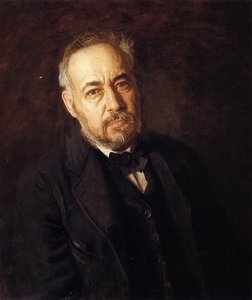
Томас Поллок Аншуц
1851 - 1912 , Соединенные Штаты Америки
Основные сведения
- Artistic Movement Or Style: Реализм
- Artists Or Movements Influenced By This Artist: ['Американский модернизм']
- Artists Who Influenced This Artist: ['Thomas Eakins']
- Date Of Birth: 1851
- Date Of Death: 1912
- Full Name: Thomas Pollock Anshutz
- Nationality: Американский
- Notable Artworks:
- Ironworkers' Noontime
- Mrs. Anshutz и ее сын Эдвард
- St. Cloud near Paris
- Place Of Birth: Ньюпорт-Ниус, США
Похожие статьи

Romantic Realism's Finest: 10 Masterpieces for Your Home | ArtsDot
Explore 10 defining masterpieces of Romantic Realism! Discover Courbet, Millet & Daumier's powerful paintings—capturing emotion and social realities. Find museum-quality reproductions for your home at ArtsDot.com.
Реализм в живописи: 10 шедевров, вдохновляющих на декор интерьера
Погрузитесь в мир реализма! От Courbet до Manet – 10 величайших картин, отражающих жизнь и эмоции. Узнайте историю шедевров и вдохновитесь для создания уникального интерьера с ArtsDot.com. Explore the full collection online!
Thomas Pollock Anshutz: Capturing American Life with Realism & Reform
Explore the life & work of Thomas Pollock Anshutz, a key figure in American Realism. Discover his powerful paintings, influence on art education, and commitment to portraying everyday life with honesty and social awareness.
Echoes of Society: Exploring Social Realism's Enduring Legacy in Art
Explore the powerful world of Social Realism art! Discover key artists, masterpieces & its profound social commentary. Expert insights into this influential movement's history and enduring legacy.
Современный реализм: 10 шедевров, изменивших искусство | ArtsDot.com
Погрузитесь в мир современного реализма! 10 шедевров, изменивших искусство. Узнайте истории художников и секреты техники. Купите репродукции картин высокого качества для вашего интерьера на ArtsDot.com.