

 Предпросмотр
 Поделиться
 Поделиться
 Детали произведения

 Скачать
 Похожие работы
 Рентгенография
 Слайд-шоу
 Статистика
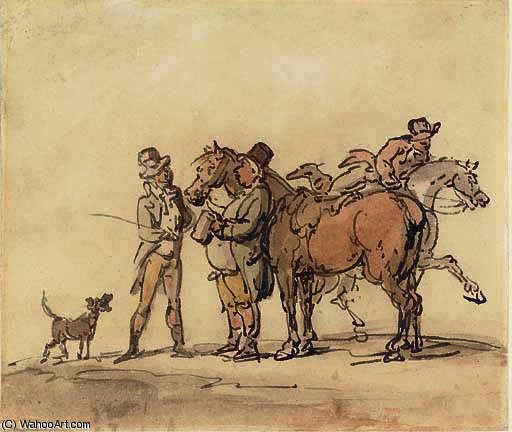
The horse dealer

 Читать далее
Жикле / Арт-принт
Печать (жикле) или холст музейного качества с быстрыми сроками изготовления и широким выбором вариантов отделки. ( Купить картину ручной работы Перейти к цифровым изображениям)




P118B $10

P118H $10

P118W $10

P438Z $10

P508JH $12

P508YH $12

P805H $10

P805Z $10

P919BZ $10

P919G $10

P919XJ $10

P959ZH $10

P968JZ $12

W106C $8

W218G $10

W218JH $8

W218Y $10

W307PJ $10

W316G $10

W316PJ $8

W316Y $10

W398PJ $8

W4111J $10

W500HY $15

W500JH $15

W692G $12

W849H $8

W940BG $15

W953PJ $8




Выберите один из наших стандартных размеров, соответствующих оригинальным пропорциям произведения искусства.

Вы можете указать свои собственные размеры, чтобы репродукция идеально подошла под конкретную раму или пространство. Если выбранный вами размер не будет соответствовать пропорциям оригинала, мы либо обрежем произведение, либо дополним изображение зеркальным отражением краев или однотонной заливкой. Перед началом производства вам будет отправлен цифровой макет для утверждения.
Пожалуйста, обратите внимание, что предварительный просмотр на экране не отображает фактическую обрезку или расширение изображения. Только макет точно покажет финальную композицию.
Несмотря на возможность заказа индивидуальных размеров, мы рекомендуем выбирать размер из предопределенного списка, чтобы сохранить оригинальные пропорции.
Доставка по всему миру () за 2 недели вместо стандартных 4/5 недель. (10 Сентябрь)

Бесплатная экспресс-доставка по всему миру

Высококачественный льняной холст

Полное страхование доставки

Гарантия возмещения таможенных пошлин

Гарантия точного соответствия цветов

100-дневная политика возврата (только при обнаружении дефектов)

Гарантия возврата 100% средств

Предложение оптовых скидок
 Вариант со стеклом доступен только для размеров менее 110 см

The horse dealer
Жикле / Арт-принт
Размер репродукции
-


Итоговая стоимость
$ 62
A Scene of Commerce and Character: Unveiling Rowlandson’s “The Horse Dealer”
This captivating painting by Thomas Rowlandson presents a bustling scene centered around the trade of horses – a common sight in Georgian England, yet rendered with the artist's signature blend of observation and subtle social commentary. The composition features a man, presumably the horse dealer, engaged in conversation with another figure, amidst a small gathering of five horses and two dogs. A discarded bottle on the ground hints at potential negotiations or perhaps a more leisurely exchange. Rowlandson’s skill lies not just in depicting this everyday transaction but in imbuing it with personality and narrative suggestion.Rowlandson's Style & Technique: Caricature Meets Realism
Thomas Rowlandson was *the* master caricaturist of his age, renowned for his satirical depictions of English society. However, “The Horse Dealer” demonstrates a more nuanced approach than some of his overtly comical works. While elements of caricature are present in the figures – particularly their expressions and postures – there’s also a grounding in realistic observation. Rowlandson employed a fluid watercolor technique, often combined with etching, to achieve both detail and atmospheric effect. The brushwork is lively, capturing the texture of the horses' coats and the rough-and-tumble nature of the scene. His ability to blend these seemingly opposing styles – caricature and realism – is what sets him apart.Historical Context: Horses & Society in Georgian England
The late 18th and early 19th centuries saw horses as integral to all aspects of life. They were essential for transportation, agriculture, warfare, and sport. Horse dealing was therefore a significant profession, and marketplaces like the one depicted here would have been vibrant hubs of activity. Rowlandson’s painting offers a glimpse into this world, reflecting not only the economic importance of horses but also their social status. Horses were symbols of wealth, power, and gentility, making their purchase and sale matters of considerable consequence. The presence of dogs further suggests a connection to the gentry, as they were often kept for hunting and companionship.Emotional Impact & Interpretations
“The Horse Dealer” evokes a sense of quiet observation rather than boisterous action. The subdued color palette and the figures’ absorbed conversation create an intimate atmosphere. While the painting doesn't offer a clear narrative, it invites speculation about the nature of the transaction – is it a fair deal? Is there underlying tension or deception? This ambiguity adds to its enduring appeal. It’s a scene that resonates with themes of commerce, social interaction, and the everyday lives of people in Georgian England. For interior designers, this artwork offers a touch of historical charm and sophisticated storytelling, lending depth and character to any space.Похожие произведения
Биография художника
A Life Etched in Satire: The World of Thomas Rowlandson
Thomas Rowlandson, a name synonymous with Georgian England’s sharpest wit and most biting satire, was born on July 13th, 1757, in the bustling heart of London. His early life, marked by financial hardship following his father's bankruptcy, shaped his perspective and fueled his artistic drive. A move to Richmond, North Yorkshire, provided a brief respite before returning to London, where he received an education nurtured by his uncle’s support – a crucial foundation for his burgeoning talent. Rowlandson wasn’t simply documenting his era; he was holding a mirror up to its follies, exaggerating its vanities, and immortalizing its characters with a uniquely satirical eye. From humble beginnings, he embarked on a path that would establish him as one of the most celebrated – and sometimes controversial – caricaturists of his time. Even as a schoolboy, his innate ability manifested itself in playful sketches adorning the margins of his books, foreshadowing a career dedicated to visual storytelling with a mischievous edge.Formative Years and Artistic Development
Rowlandson’s formal artistic training began at the Royal Academy in 1772, where he honed his skills under the watchful eye of established artists. This period provided him with a solid grounding in draughtsmanship and composition, but it was his time spent studying in Paris under Jean-Baptiste Pigalle that truly ignited his distinctive style. The Parisian influence introduced him to continental techniques – particularly watercolor painting – which he skillfully integrated into his own work. However, it wasn’t merely technical proficiency that defined Rowlandson's artistic development; it was his growing understanding of human nature and his willingness to expose societal flaws. Initially attempting portraiture, he quickly realized that his true calling lay in caricature, a medium perfectly suited to his satirical vision. The financial pressures following the death of his aunt further propelled him towards this path, transforming a pragmatic necessity into an artistic awakening. He began dissecting the social landscape with ruthless accuracy, targeting politicians, aristocrats, and everyday citizens alike, capturing their vanity, hypocrisy, and foibles with unflinching honesty. His early works were characterized by a remarkable facility for line and a keen understanding of human expression – qualities that would become hallmarks of his mature style.Collaboration and The Rise to Prominence
The true flowering of Rowlandson’s career came through his fruitful collaboration with Rudolph Ackermann, a prominent publisher and art dealer. This partnership yielded some of his most enduring works, including the immensely popular *The Schoolmaster's Tour* (1809), a series of plates accompanied by verses from Dr. William Combe, and the iconic *Tour of Dr. Syntax in Search of the Picturesque* (1812). The *Dr. Syntax* series, with its subsequent installments – *Dr. Syntax in Search of Consolation* (1820) and *The Third Tour of Dr. Syntax in Search of a Wife* (1821) – captivated audiences with its whimsical narrative and Rowlandson’s masterful illustrations. These works weren't simply visual accompaniments to text; they were integral to the storytelling, enhancing the humor and social commentary through dynamic compositions and expressive characterizations. The delicate color washes and precise reed-pen outlines became synonymous with Rowlandson’s style, showcasing his technical brilliance and artistic flair. His ability to capture both the grandeur of landscapes and the absurdity of human behavior cemented his reputation as a leading artist of the era. Ackermann's support allowed Rowlandson to focus on his art, producing over 381 artworks during his career.A Legacy of Satire and Social Observation
Rowlandson’s impact extends far beyond the immediate popularity of his works during his lifetime. He left behind an extensive body of art – a testament to his skill and insightful commentary – that provides a vivid and often unflattering portrait of Georgian society. His caricatures weren't merely about ridicule; they were astute observations on the political climate, social customs, and human foibles of his time. He fearlessly lampooned figures like the Duchess of Devonshire, William Pitt the Younger, and Napoleon Bonaparte, exposing their vulnerabilities and challenging established power structures. Beyond the overtly satirical, Rowlandson also produced a wealth of illustrations for novels and topographical works, demonstrating his versatility as an artist. His work served as social commentary, offering critiques on everything from fashion to politics. The enduring appeal of his art lies in its timeless relevance – the human tendencies towards vanity, hypocrisy, and absurdity that he so brilliantly captured remain remarkably consistent across centuries. His influence can be seen in subsequent generations of cartoonists and illustrators who have embraced satire as a means of social commentary.Preserving Rowlandson’s Vision
Today, Rowlandson's work is preserved in numerous museum collections worldwide, including those accessible through platforms like ArtsDot.com, which offers an extensive catalog of his creations alongside works by contemporaries such as Samuel Henry Gordon Alken and William Hogarth. Pieces like *Hengar House the Seat of Matthew Mitchell Esq., Cornwall* (1812) and *Glorious Defeat of the Dutch Navy* (1797) stand as testaments to his artistic skill and historical significance. Exploring these collections allows us to appreciate not only Rowlandson’s technical mastery but also the depth of his social insight. His art serves as a reminder that laughter can be a powerful tool for critique, and that even in the most frivolous of subjects, there is often a profound truth waiting to be revealed. The continued accessibility of his work ensures that Thomas Rowlandson's satirical vision will continue to provoke thought and inspire amusement for generations to come.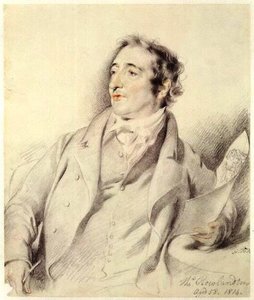
Томас Роулендсон
1756 - 1827 , Великобритания
Основные сведения
- Artistic Movement Or Style: Карикатура, сатира
- Artists Or Movements Influenced By This Artist:
- Гилрой
- Акерман
- Artists Who Influenced This Artist:
- Рубенс
- Гейнсборо
- Date Of Birth: 13 июля 1757
- Date Of Death: 21 апреля 1827
- Full Name: Thomas Rowlandson
- Nationality: Британский
- Notable Artworks:
- Школа́рский тур
- Доктор Синтаксис
- Крестный ход
- Торговец лошадьми
- Place Of Birth: Лондон, Великобритания
Похожие статьи
Thomas Hudson: A Study in 18th-Century Portraiture & British Artistic Identity
Explore the life & work of Thomas Hudson, a leading 18th-century British portraitist. Discover his mastery of the 'Grand Manner,' influential style, and lasting impact on British art. Learn about his notable portraits like Judge William Noel & Alexander Van Aken.
The Sharpest Wit: A Critical Exploration of Satire in Art History – From Hogarth to Contemporary Critique
Explore the history of satire in art! From Hogarth's London to contemporary critique, discover how artists use wit & visual power to reflect and challenge society. Expert insights at ArtsDot.
Thomas Rowlandson: Satire, Society & the Art of Caricature in Georgian England
Explore the witty world of Thomas Rowlandson, master Georgian caricaturist! Discover his satirical prints & insightful social commentary on 18th-century England. Learn about his life, techniques, and enduring influence.
The Noble Steed on Canvas: A Historical & Artistic Exploration of Horse Painting Across Cultures
Explore the rich history of horse painting! Discover masterpieces from Stubbs to Munnings & learn about symbolism, techniques & artists. Find museum-quality reproductions at ArtsDot.
John Hoppner: Portraiture, Patronage & British Identity in the Late Georgian Era
Explore the life & work of John Hoppner, a leading Georgian portraitist. Discover his vibrant style, influential patrons, and lasting impact on British art history. Expert insights for collectors.