

 Предпросмотр
 Поделиться
 Поделиться
 Детали произведения

 Скачать
 Похожие работы
 Рентгенография
 Слайд-шоу
 Статистика
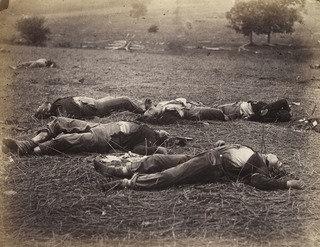
Field Where General Reynolds Fell, Gettysburg
 1863
1863 18.0 x 23.0 cm
 Читать далее
Жикле / Арт-принт
Печать (жикле) или холст музейного качества с быстрыми сроками изготовления и широким выбором вариантов отделки. ( Купить картину ручной работы Перейти к цифровым изображениям)




































Выберите один из наших стандартных размеров, соответствующих оригинальным пропорциям произведения искусства.

Вы можете указать свои собственные размеры, чтобы репродукция идеально подошла под конкретную раму или пространство. Если выбранный вами размер не будет соответствовать пропорциям оригинала, мы либо обрежем произведение, либо дополним изображение зеркальным отражением краев или однотонной заливкой. Перед началом производства вам будет отправлен цифровой макет для утверждения.
Пожалуйста, обратите внимание, что предварительный просмотр на экране не отображает фактическую обрезку или расширение изображения. Только макет точно покажет финальную композицию.
Несмотря на возможность заказа индивидуальных размеров, мы рекомендуем выбирать размер из предопределенного списка, чтобы сохранить оригинальные пропорции.
Доставка по всему миру () за 2 недели вместо стандартных 4/5 недель. (12 Сентябрь)

Бесплатная экспресс-доставка по всему миру

Высококачественный льняной холст

Полное страхование доставки

Гарантия возмещения таможенных пошлин

Гарантия точного соответствия цветов

100-дневная политика возврата (только при обнаружении дефектов)

Гарантия возврата 100% средств

Предложение оптовых скидок
 Вариант со стеклом доступен только для размеров менее 110 см

Field Where General Reynolds Fell, Gettysburg
Жикле / Арт-принт
Размер репродукции
-


Итоговая стоимость
$ 62
Похожие произведения








Биография художника
Alexander Gardner (1821–1882): A Pioneer of Photographic Documentation
Born in Paisley, Scotland, Alexander Gardner’s life was shaped by a fervent belief in social reform and the transformative potential of utopian ideals—particularly those championed by Robert Owen. This early influence instilled within him a deep empathy for humanity and fueled his lifelong commitment to documenting the world around him through the lens of photography. Initially trained as a jeweler, Gardner unexpectedly pivoted toward artistic pursuits when he became involved with establishing a cooperative community in Iowa – an experience that honed not only his organizational skills but also his ability to communicate complex ideas effectively. This formative period would prove instrumental in shaping his worldview and informing his subsequent artistic endeavors.Early Career & Influences: The Seeds of Photographic Vision
Gardner’s burgeoning interest in photography was irrevocably ignited by a chance encounter with Mathew Brady at the 1851 Great Exhibition in London—an event that showcased groundbreaking photographic innovations. Brady's pioneering use of large-format prints captivated Gardner, prompting him to abandon jewelry making altogether and dedicate himself entirely to mastering the art of image reproduction. Recognizing Brady’s exceptional talent as a photographer, Gardner apprenticed under his guidance at Fulton Street Gallery in New York City, immersing himself in the burgeoning field of photographic technique. This mentorship proved invaluable, providing him with foundational knowledge and fostering a collaborative spirit that would characterize much of his subsequent work. Furthermore, Gardner absorbed inspiration from Eugène Delacroix’s Romantic paintings—particularly *Liberty Leading the People*, which powerfully conveyed emotion and grandeur through color and composition—influencing his stylistic choices and deepening his understanding of visual storytelling.Documenting the Civil War: A Visual Record of Conflict
The outbreak of the American Civil War in 1861 marked a pivotal moment in Gardner’s career, propelling him into the forefront of photographic documentation. Recognizing the urgent need for accurate representations of the war's realities—a stark contrast to the idealized depictions prevalent at the time—Gardner joined Mathew Brady’s studio and swiftly ascended to prominence as chief photographer. He skillfully navigated the logistical challenges inherent in capturing images on the battlefield, utilizing innovative techniques to produce stunning photographs that conveyed both the grandeur and brutality of the conflict. Notably, Gardner collaborated closely with Allan Pinkerton, facilitating crucial communication between Brady and President Lincoln—a partnership that underscored the importance of visual media in shaping public opinion during a tumultuous period. His most celebrated achievement was undoubtedly *Gardner's Photographic Sketch Book of the Civil War*, a monumental two-volume collection featuring 50 meticulously crafted prints documenting key battles and events—including Antietam, Gettysburg, and Vicksburg—that stand as enduring testaments to his artistic vision and journalistic integrity.Beyond Battlefield Scenes: Exploring the American West
Following the Civil War, Gardner continued to push the boundaries of photographic exploration by embarking on expeditions into the uncharted territories of the American West. He partnered with Clarence King and George Montague Wheeler, documenting the landscape’s vastness and beauty—often juxtaposing human figures against dramatic vistas—a stylistic approach that distinguished him from many of his contemporaries. His work during these explorations captured not only the physical environment but also the cultural encounters between settlers and Native Americans—providing invaluable insights into the complexities of westward expansion. Gardner's photographic style evolved throughout his career, reflecting changing artistic sensibilities and technological advancements. He skillfully employed techniques honed during his apprenticeship with Brady to produce images that conveyed both precision and emotional resonance.Legacy & Enduring Significance: A Lasting Photographic Record
Timothy H. O’Sullivan collaborated closely with Gardner on several projects, producing some of the most iconic images of the American West—capturing breathtaking landscapes and documenting Native American life with remarkable sensitivity. His photographs continue to inspire artists today, demonstrating the enduring power of visual storytelling and cementing his place as one of America's foremost pioneers in photographic art. Gardner’s meticulous attention to detail—combined with his unwavering commitment to capturing authentic moments—established him as a master craftsman who elevated photography beyond mere technical reproduction into a form of artistic expression. His legacy extends far beyond the Civil War era, serving as a reminder that images can powerfully convey truth and beauty—and that they possess the capacity to shape our understanding of history and culture. Gardner’s photographs remain invaluable for their ability to transport viewers back in time, offering glimpses into a bygone era and prompting reflection on its enduring significance.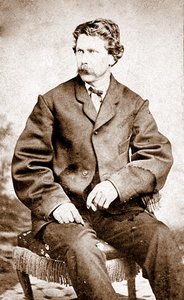
Timothy O'Sullivan Alexander Gardner
1821 - 1882 , Великобритания
Основные сведения
- Artistic Movement Or Style: Civil War Photography
- Artists Who Influenced This Artist:
- Mathew Brady
- Robert Owen
- Date Of Birth: October 17, 1821
- Date Of Death: December 10, 1882
- Full Name: Alexander Gardner
- Nationality: Scottish-American
- Notable Artworks:
- Photographic Sketch Book
- Lincoln portraits
- Place Of Birth: Paisley, UK