

 Предпросмотр
 Поделиться
 Поделиться
 Детали произведения

 Скачать
 Похожие работы
 Рентгенография
 Слайд-шоу
 Статистика
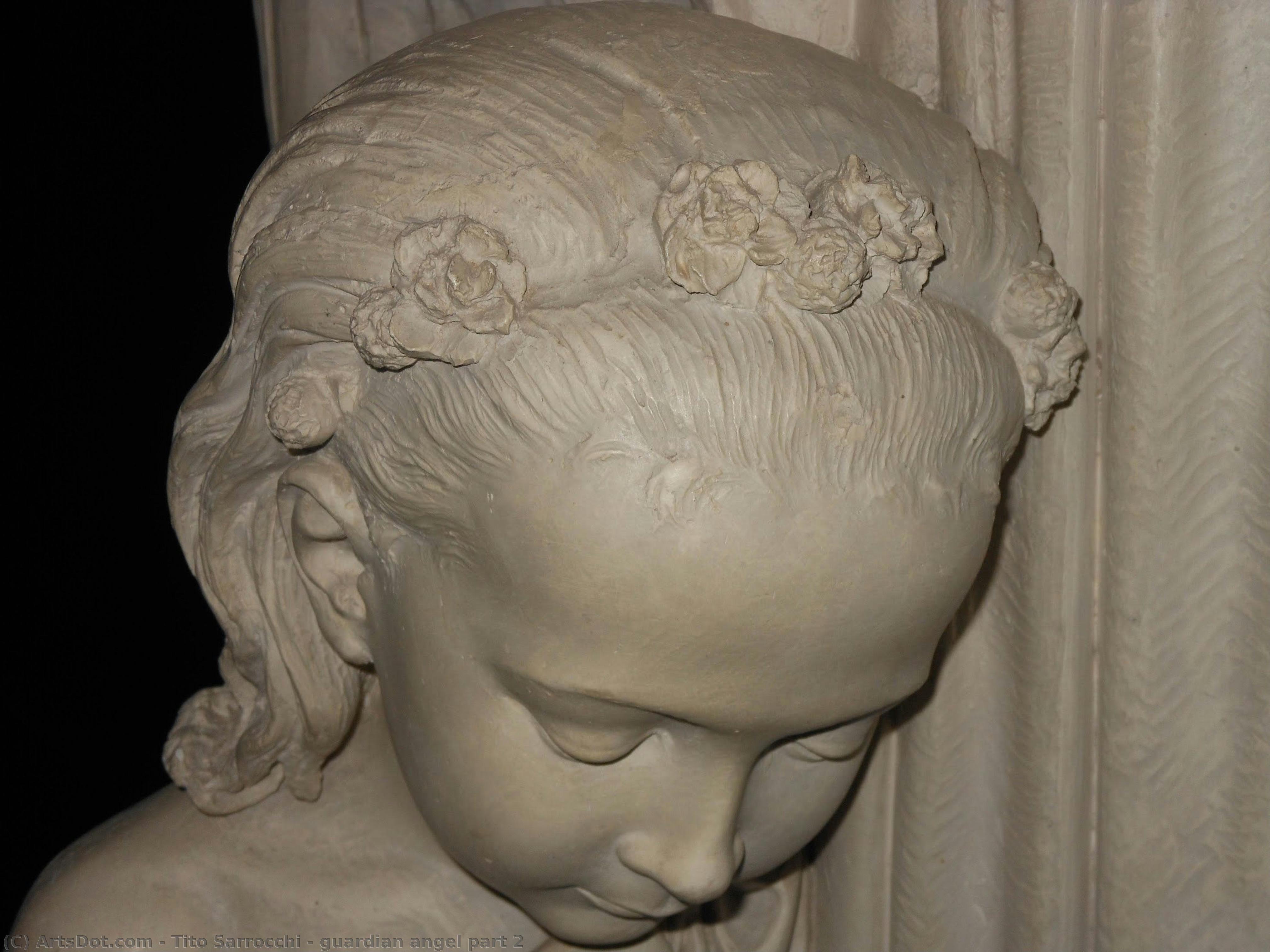
guardian angel part 2

 Читать далее
Приобретите цифровое изображение высокого разрешения в улучшенном качестве, которое значительно превосходит онлайн-превью.
Каждый файл тщательно подготавливается нашими специалистами с использованием передовых инструментов и экспертной ручной ретуши. Мы гарантируем исключительную четкость, точную цветопередачу и детальную проработку каждого изображения.
Финальный файл доставляется по электронной почте в течение 72 часов и оптимизирован для немедленного использования в профессиональной среде, при верстке и печати. Это тот же уровень качества, которому доверяют ведущие дизайнерские студии, издательства и галереи.
Цифровое изображение
Скачайте файл высокого разрешения для личного использования, печати и творческих проектов. ( Перейти к печати Купить картину ручной работы)
Включено в каждый заказ цифровых изображений
Гарантия экспертной цифровой доставки
Выбирая ArtsDot.com, вы получаете не просто изображение — вы приобретаете профессионально обработанное цифровое произведение искусства, созданное с безупречной точностью и под защитой гарантии качества. Вот всё, что автоматически входит в ваш заказ:

Мгновенная доставка по e-mail
Ваш цифровой файл в высоком разрешении будет отправлен вам по электронной почте в течение 72 часов после оформления заказа — и сразу станет доступен для использования.

Цифровой файл с ИИ-улучшением
Ваше произведение искусства проходит профессиональную оптимизацию с использованием передовых инструментов ИИ и ручной обработки, что гарантирует максимальную детализацию, четкость и точность цветопередачи.

Бессрочная бесплатная повторная доставка
Случайно удалили или потеряли файл? Не беспокойтесь — мы отправим его вам повторно в любое время и совершенно бесплатно.

Без импортных пошлин — навсегда
Наслаждайтесь вашим произведением искусства мгновенно без таможенных пошлин, сборов или затрат на доставку — цифровые загрузки всегда не облагаются налогом.

Гарантия точности цветопередачи
Мы гарантируем, что ваше цифровое изображение максимально точно передает оригинальные цвета благодаря использованию профессиональных инструментов и систем управления цветом.

Гарантия удовлетворенности 100 дней
Если вы не будете удовлетворены своим цифровым изображением, мы внесем правки или вернем 100% стоимости в течение 100 дней — без лишних вопросов.

100% Гарантия возврата средств
Не удовлетворены покупкой? Получите полный возврат средств в течение 100 дней после получения цифрового файла — без лишних вопросов.

Скидки на оптовые заказы
Купите 3 изображения, сэкономьте 10% — Купите 5, сэкономьте 15% — Купите 10+, сэкономьте 20%. Отличное решение для творческих проектов, галерей и агентств.
Похожие произведения


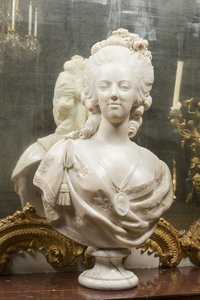
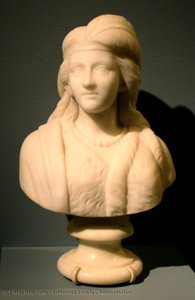
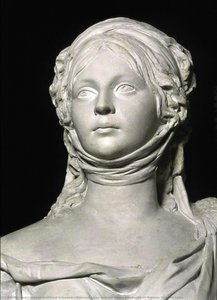


Биография художника
Early Life and Artistic Foundations
Tito Sarrocchi, born in Siena on January 5th, 1824, emerged from a lineage deeply rooted in the artisanal traditions of Tuscany. His initial exposure to art wasn’t through formal academies but within the pragmatic world of his father's workshop – a stone-cutter employed at the magnificent Duomo of Siena. This early apprenticeship instilled in him not merely technical skill, but an intimate understanding of materials and a reverence for the sculptural heritage that permeated the city. The very stones he handled whispered stories of past masters, laying the groundwork for his future endeavors. In 1841, driven by a burgeoning artistic ambition, Sarrocchi journeyed to Florence, seeking more structured training at the Accademia di Belle Arti. There, under the tutelage of Lorenzo Bartolini, he began to refine his innate talent and absorb the principles of Neoclassical sculpture that dominated the era. However, it was his subsequent collaboration with Giovanni Duprè that proved particularly formative, shaping his approach to both form and subject matter.A Period of Collaboration and Emerging Style
Sarrocchi’s time as Duprè's chief assistant provided invaluable experience, exposing him to a wider range of projects and techniques. This period wasn’t simply about learning; it was about developing a personal artistic voice within the context of established traditions. While influenced by the prevailing Neoclassical aesthetic – characterized by its emphasis on idealized beauty, anatomical precision, and classical themes – Sarrocchi began to subtly infuse his work with a more Romantic sensibility. His early independent sculptures, such as the Bacchante (1852), demonstrate this evolving style: a graceful figure rooted in classical form but imbued with a palpable sense of emotion and movement. This delicate balance between academic rigor and expressive freedom would become a hallmark of his oeuvre. The Bacchante, though not widely celebrated today, signaled Sarrocchi’s departure from strict imitation and towards a more personal interpretation of sculptural ideals.Restoration Work and Civic Contributions
Upon returning to Siena, Sarrocchi found himself increasingly involved in the ambitious restoration projects that were sweeping across Italy during the Risorgimento. His most significant undertaking was undoubtedly his decade-long collaboration with Giuseppe Partini on the reconstruction of Jacopo della Quercia’s Fonte Gaia, a pivotal work of Sienese Gothic sculpture. Inaugurated in 1869, this restoration wasn't merely about preserving a historical monument; it was an act of civic pride and cultural revival. Sarrocchi’s meticulous craftsmanship ensured the faithful reproduction of della Quercia’s original vision, while also showcasing his own technical prowess. Beyond Fonte Gaia, he contributed to the restoration of sculptures in Pisa by Giovanni Pisano, further solidifying his reputation as a skilled conservator and interpreter of past masters. These projects weren't simply commissions; they were opportunities to engage with the artistic legacy of Tuscany and contribute to its ongoing narrative. He also undertook significant work on the façades for the Basilica di Santa Croce, demonstrating versatility in both restoration and original design.Major Achievements and Lasting Legacy
While Sarrocchi’s name may not be as instantly recognizable as some of his contemporaries, his contributions to Italian sculpture were substantial. His ability to seamlessly blend technical skill with artistic sensitivity made him a sought-after sculptor and restorer. The Guardian Angel, one of his most celebrated works, exemplifies this talent – a figure radiating serenity and grace, embodying both Neoclassical ideals and a deeply felt spiritual quality. Beyond specific sculptures, Sarrocchi’s lasting legacy lies in his dedication to preserving Italy's artistic heritage. His restoration work ensured the survival of countless masterpieces, allowing future generations to appreciate the richness and complexity of Tuscan art. He died in 1900, leaving behind a body of work that reflects a deep commitment to both tradition and innovation. Though he worked within established stylistic frameworks, Sarrocchi infused his creations with a unique emotional depth and technical mastery, securing his place as an important figure in the landscape of 19th-century Italian sculpture.Influences and Historical Significance
Sarrocchi’s artistic development was shaped by a confluence of influences. The Neoclassical tradition, championed by sculptors like Bartolini, provided him with a foundation in anatomical precision and idealized form. However, his collaboration with Duprè introduced him to a more Romantic sensibility, emphasizing emotional expression and narrative power. Furthermore, his engagement with the works of earlier masters – della Quercia and Pisano – instilled in him a deep reverence for sculptural history and a commitment to preserving Italy’s artistic heritage. His work reflects the broader historical context of the Risorgimento, a period marked by national awakening and cultural revival. The restoration projects he undertook weren't simply about art; they were acts of civic pride and attempts to forge a unified Italian identity through shared cultural symbols.- Neoclassical Sculpture: Emphasis on idealized beauty and classical themes.
- Romanticism: Incorporation of emotional expression and narrative power.
- Italian Renaissance Art: Deep reverence for sculptural history and tradition.
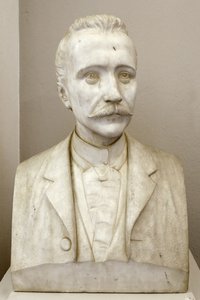
tito sarrocchi
1824 - 1900 , Italy
Основные сведения
- Artistic Movement Or Style: Neoclassical & Baroque
- Artists Who Influenced This Artist:
- Lorenzo Bartolini
- Giovanni Duprè
- Date Of Birth: January 5, 1824
- Date Of Death: 1900
- Full Name: Tito Sarrocchi
- Nationality: Italian
- Notable Artworks:
- Bacchante (1852)
- Guardian Angel
- Place Of Birth: Siena, Italy