

 Предпросмотр
 Поделиться
 Поделиться
 Детали произведения

 Скачать
 Похожие работы
 Рентгенография
 Слайд-шоу
 Статистика
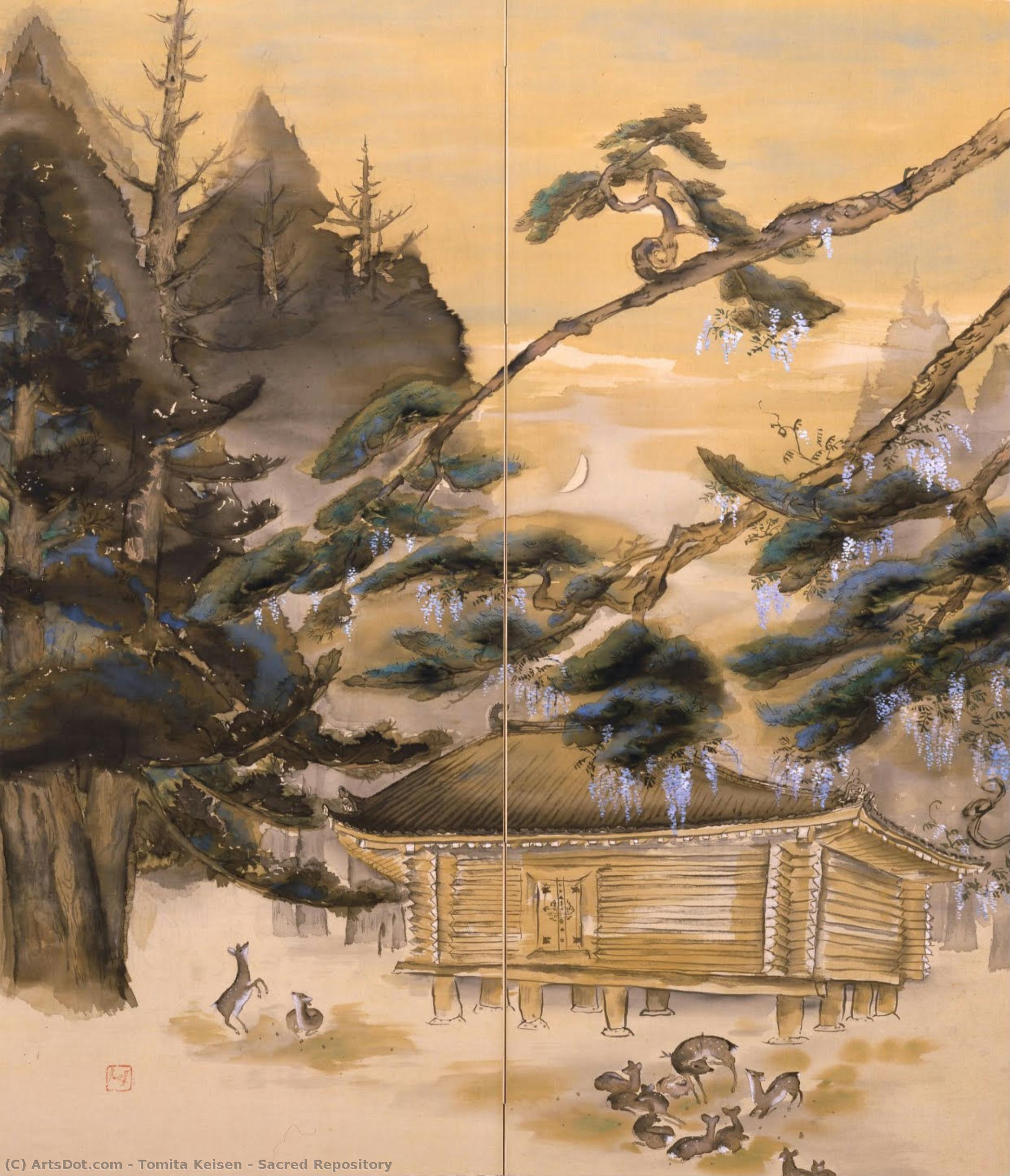
Sacred Repository
 Nihonga
 Modern
 117.0 x 136.0 cm
 Fukuoka Art Museum
 Читать далее
Приобретите цифровое изображение высокого разрешения в улучшенном качестве, которое значительно превосходит онлайн-превью.
Каждый файл тщательно подготавливается нашими специалистами с использованием передовых инструментов и экспертной ручной ретуши. Мы гарантируем исключительную четкость, точную цветопередачу и детальную проработку каждого изображения.
Финальный файл доставляется по электронной почте в течение 72 часов и оптимизирован для немедленного использования в профессиональной среде, при верстке и печати. Это тот же уровень качества, которому доверяют ведущие дизайнерские студии, издательства и галереи.
Цифровое изображение
Скачайте файл высокого разрешения для личного использования, печати и творческих проектов. ( Перейти к печати Купить картину ручной работы)
Включено в каждый заказ цифровых изображений
Гарантия экспертной цифровой доставки
Выбирая ArtsDot.com, вы получаете не просто изображение — вы приобретаете профессионально обработанное цифровое произведение искусства, созданное с безупречной точностью и под защитой гарантии качества. Вот всё, что автоматически входит в ваш заказ:

Мгновенная доставка по e-mail
Ваш цифровой файл в высоком разрешении будет отправлен вам по электронной почте в течение 72 часов после оформления заказа — и сразу станет доступен для использования.

Цифровой файл с ИИ-улучшением
Ваше произведение искусства проходит профессиональную оптимизацию с использованием передовых инструментов ИИ и ручной обработки, что гарантирует максимальную детализацию, четкость и точность цветопередачи.

Бессрочная бесплатная повторная доставка
Случайно удалили или потеряли файл? Не беспокойтесь — мы отправим его вам повторно в любое время и совершенно бесплатно.

Без импортных пошлин — навсегда
Наслаждайтесь вашим произведением искусства мгновенно без таможенных пошлин, сборов или затрат на доставку — цифровые загрузки всегда не облагаются налогом.

Гарантия точности цветопередачи
Мы гарантируем, что ваше цифровое изображение максимально точно передает оригинальные цвета благодаря использованию профессиональных инструментов и систем управления цветом.

Гарантия удовлетворенности 100 дней
Если вы не будете удовлетворены своим цифровым изображением, мы внесем правки или вернем 100% стоимости в течение 100 дней — без лишних вопросов.

100% Гарантия возврата средств
Не удовлетворены покупкой? Получите полный возврат средств в течение 100 дней после получения цифрового файла — без лишних вопросов.

Скидки на оптовые заказы
Купите 3 изображения, сэкономьте 10% — Купите 5, сэкономьте 15% — Купите 10+, сэкономьте 20%. Отличное решение для творческих проектов, галерей и агентств.
A Serene Encounter with the Sublime
In the quietude of Sacred Repository, the viewer is transported into a realm where the boundaries between the earthly and the divine begin to blur. This evocative work by the master of Nihonga, Tomita Keisen, presents a breathtaking landscape that serves as more than just a depiction of nature; it is an invitation to stillness. The composition unfolds with a delicate balance of elements—a rustic cabin nestled among ancient trees, a distant, majestic mountain, and the gentle presence of water reflecting the sky. Through a masterful use of monochrome tones, the artist strips away the distractions of color to reveal the raw, structural soul of the wilderness. Every stroke suggests a profound respect for the natural order, capturing a moment of eternal peace that resonates deeply with the modern soul seeking refuge from the chaos of contemporary life.
The technical brilliance of this piece lies in Keisen’s command over the Nihonga tradition, specifically his ability to manipulate mineral pigments to create depth and texture without the need for a vibrant palette. Although presented here in a striking black and white aesthetic, the painting breathes with life. The meticulous detail found in the surrounding foliage and the subtle movement of birds scattered across the sky demonstrate a level of craftsmanship that honors the classical Japanese lineage. For the discerning collector or interior designer, this piece offers a sophisticated monochromatic elegance that integrates seamlessly into high-end, minimalist, or traditional spaces. It acts as a focal point of contemplative strength, drawing the eye into its layered depths and rewarding prolonged observation with new discoveries of light and shadow.
Beyond its visual splendor, Sacred Repository carries a heavy weight of symbolism and emotional resonance. The inclusion of a solitary dog near the cabin introduces a narrative of companionship and domesticity within the vastness of the wild, suggesting that even in the most remote corners of the earth, there is a sense of belonging. The title itself implies that nature is a vessel for something holy—a repository of spiritual truths waiting to be rediscovered by those who approach it with reverence. This painting does not merely decorate a wall; it transforms an environment, infusing a room with an atmosphere of tranquility, nostalgia, and profound respect for the natural world. It is a timeless acquisition for anyone looking to bring the meditative essence of Japanese landscape mastery into their personal sanctuary.
Похожие произведения
Биография художника
The Soul of Nihonga: The Life and Legacy of Tomita Keisen
In the delicate interplay of light and mineral pigment, the works of Tomita Keisen (1879–1936) offer a window into a Japan caught between the weight of ancient tradition and the dawn of modernity. Born in Fukuoka, Keisen’s early life was rooted in a world of meticulous craftsmanship, shaped by his family's heritage as restaurateurs. This foundational appreciation for precision and detail would later manifest in his mastery of Nihonga, a style that seeks to capture the essence of the natural world through traditional Japanese techniques. His journey was not merely one of technical skill, but a profound spiritual pilgrimage that sought to bridge the gap between the earthly landscape and the divine.
Keisen’s artistic evolution was shaped by a rigorous and diverse education that spanned the most influential schools of his era. His initial training under Kinugasa Morimase, a painter for the Kuroda clan, introduced him to the structured, bold aesthetics of the Kanō school. However, Keisen possessed an insatiable intellectual curiosity that drove him toward the more naturalistic and contemplative Shijō school. By studying under Tsuji Kakō in Kyoto, he learned to infuse his landscapes with a sense of quietude and spiritual depth. This synthesis of styles allowed him to move beyond mere representation, creating works where the atmosphere itself feels heavy with meaning.
A Tapestry of Faith and Exploration
What truly distinguishes Keisen from his contemporaries was the profound spiritual dimension that permeated his brushwork. His worldview was a complex tapestry woven from threads of Christianity and Zen Buddhism, a duality that informed his travels and his artistic gaze. During his expeditions to China and Okinawa, Keisen did not merely observe landscapes; he sought out the sacred. He immersed himself in the iconography of Heian-period Buddhist imagery, absorbing the ancient aesthetic sensibilities that prioritize the ephemeral beauty of the moment. This deep engagement with religious history allowed him to utilize mineral pigments not just for color, but to evoke a sense of timelessness and reverence.
His technical mastery is most evident in his ability to manipulate traditional materials to achieve extraordinary atmospheric effects. Through the careful application of crushed minerals and organic pigments, he could recreate the misty morning light over a mountain range or the subtle translucency of water. His achievements were recognized by the most prestigious institutions of his time, including frequent exhibitions at the Japan Painting Association, which cemented his status as a leading figure in the Meiji-era art scene. His work serves as a testament to the power of Nihonga to convey complex emotional and spiritual states through the medium of nature.
Historical Significance and Enduring Influence
The historical importance of Tomita Keisen lies in his role as a guardian of tradition who was nonetheless open to the transformative energies of his age. He did not view the past as a static relic, but as a living language capable of expressing contemporary truths. His ability to integrate the structured lineage of the Kanō school with the fluid naturalism of the Shijō school created a unique visual vocabulary that resonated with both scholars and the public.
Today, Keisen’s legacy is preserved in significant collections, most notably at the Moa Museum, where his landscapes continue to inspire awe. His life remains a profound example of how an artist can navigate the tensions between different belief systems and artistic movements to create something truly universal. To look upon a Keisen painting is to witness a moment of perfect equilibrium—where the physical world meets the spiritual, and where every brushstroke carries the weight of history.
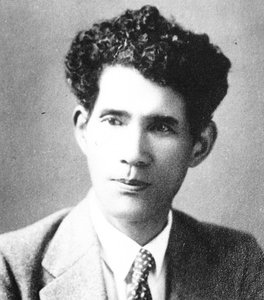
tomita keisen
1879 - 1936 , Japan
Основные сведения
- Artistic Movement Or Style: Nihonga
- Artists Or Movements Influenced By This Artist: ['Kanō School']
- Artists Who Influenced This Artist:
- Kinugasa Morimase
- Tsuji Kakō
- Date Of Birth: December 9, 1879
- Date Of Death: 1936
- Full Name: Tomita Keisen
- Nationality: Japanese
- Notable Artworks:
- Eight Views of Saga
- Peacock and Bamboo
- Izanagi and Izanami
- Place Of Birth: Fukuoka, Japan