

 Поделиться
 Поделиться
 Детали произведения

 Скачать
 Похожие работы
 Слайд-шоу
 Статистика
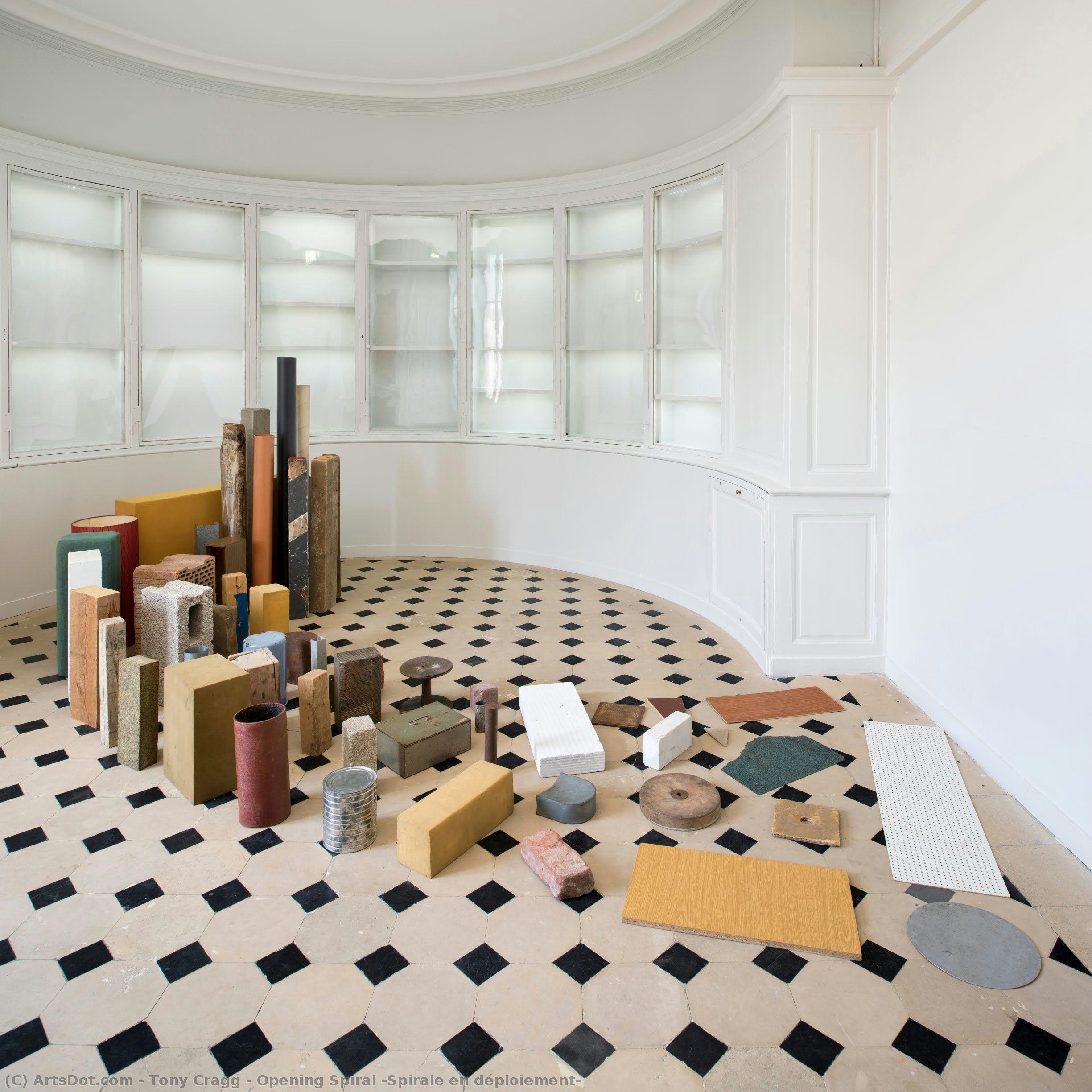
Opening Spiral (Spirale en déploiement)


 Читать далее
Приобретите цифровое изображение высокого разрешения в улучшенном качестве, которое значительно превосходит онлайн-превью.
Каждый файл тщательно подготавливается нашими специалистами с использованием передовых инструментов и экспертной ручной ретуши. Мы гарантируем исключительную четкость, точную цветопередачу и детальную проработку каждого изображения.
Финальный файл доставляется по электронной почте в течение 72 часов и оптимизирован для немедленного использования в профессиональной среде, при верстке и печати. Это тот же уровень качества, которому доверяют ведущие дизайнерские студии, издательства и галереи.
Цифровое изображение
Скачайте файл высокого разрешения для личного использования, печати и творческих проектов. ( Перейти к печати Купить картину ручной работы)
Включено в каждый заказ цифровых изображений
Гарантия экспертной цифровой доставки
Выбирая ArtsDot.com, вы получаете не просто изображение — вы приобретаете профессионально обработанное цифровое произведение искусства, созданное с безупречной точностью и под защитой гарантии качества. Вот всё, что автоматически входит в ваш заказ:

Мгновенная доставка по e-mail
Ваш цифровой файл в высоком разрешении будет отправлен вам по электронной почте в течение 72 часов после оформления заказа — и сразу станет доступен для использования.

Цифровой файл с ИИ-улучшением
Ваше произведение искусства проходит профессиональную оптимизацию с использованием передовых инструментов ИИ и ручной обработки, что гарантирует максимальную детализацию, четкость и точность цветопередачи.

Бессрочная бесплатная повторная доставка
Случайно удалили или потеряли файл? Не беспокойтесь — мы отправим его вам повторно в любое время и совершенно бесплатно.

Без импортных пошлин — навсегда
Наслаждайтесь вашим произведением искусства мгновенно без таможенных пошлин, сборов или затрат на доставку — цифровые загрузки всегда не облагаются налогом.

Гарантия точности цветопередачи
Мы гарантируем, что ваше цифровое изображение максимально точно передает оригинальные цвета благодаря использованию профессиональных инструментов и систем управления цветом.

Гарантия удовлетворенности 100 дней
Если вы не будете удовлетворены своим цифровым изображением, мы внесем правки или вернем 100% стоимости в течение 100 дней — без лишних вопросов.

100% Гарантия возврата средств
Не удовлетворены покупкой? Получите полный возврат средств в течение 100 дней после получения цифрового файла — без лишних вопросов.

Скидки на оптовые заказы
Купите 3 изображения, сэкономьте 10% — Купите 5, сэкономьте 15% — Купите 10+, сэкономьте 20%. Отличное решение для творческих проектов, галерей и агентств.
The Unfolding Geometry of Form
To stand before Tony Cragg's Opening Spiral (Spirale en déploiement) is to enter a dialogue between chaos and inherent order. This monumental installation, dating from 1982, does not merely occupy space; it redefines the very parameters of the room around it. The eye is immediately drawn into the dynamic arrangement of irregularly shaped blocks—a constellation of color and mass scattered across the floor plane. These elements, varying wildly in height and hue, suggest a moment caught mid-gesture, an organic eruption against the backdrop of rigid architectural certainty. It speaks to that thrilling tension inherent in modern sculpture: the struggle between the natural impulse toward growth and the constraints imposed by human structure.
A Dialogue Between Materiality and Space
Cragg’s genius lies in his ability to elevate humble, fragmented materials into profound statements on existence. Here, the blocks—whether crafted from ceramic or stone—appear both weighty with history and weightless with potential energy. They seem to be perpetually unfolding, echoing the very concept of a spiral that never reaches its end. This sense of perpetual motion is masterfully contrasted by the environment itself: the cool, checkered geometry of the floor tiles and the sweeping curve of the arched window. The photograph captures this interplay perfectly; the straight lines of perspective guide us toward an infinity suggested by the art, while the curves of the architecture cradle it within a defined, yet expansive, embrace.
Symbolism of Growth and Fragmentation
Symbolically, Opening Spiral is a meditation on process. The spiral itself has been a universal motif, representing cycles of life, evolution, and cosmic expansion. By presenting this form through fragmented pieces, Cragg suggests that true complexity—be it in nature, art, or human experience—is rarely achieved in one clean sweep. Instead, it emerges from the accretion of disparate parts, the careful juxtaposition of what was discarded or overlooked. It invites the viewer to look not at the finished arrangement, but at the journey required to assemble it.
Bringing the Exhibition Home
For those who wish to capture a piece of this intellectual and visual energy for their own sanctuary, considering a high-quality reproduction is an act of bringing conceptual depth into domestic life. While the original installation commands an entire gallery floor, reproductions allow one to engage with Cragg’s formal language—the interplay of color blocks against a defined plane—in a more intimate setting. It serves not just as decoration, but as a focal point for contemplation, encouraging the viewer to pause and consider the beautiful tension between structure and spontaneous beauty.
Похожие произведения



Биография художника
The Architect of Fragmented Forms
Sir Anthony Cragg, a titan of British contemporary sculpture, possesses the rare ability to breathe life into the inanimate. Born in Liverpool in 1949, Cragg’s artistic consciousness was shaped by an early mastery of painting, yet it was his profound fascination with the three-dimensional realm that would eventually redefine the boundaries of modern sculpture. His journey through the Gloucestershire College of Arts and Technology and Wimbledon School of Art provided a rigorous foundation, but it was his move to Germany in 1977 that acted as a true catalyst, thrusting him into an international dialogue with the avant-garde and expanding his sculptural vocabulary beyond the limits of traditional medium.
In the early stages of his career, Cragg emerged as a pioneer of the assemblage movement, finding profound beauty in the discarded and the mundane. He possessed a singular vision for transforming everyday detritus—stacked chairs, weathered tables, and forgotten boxes—into complex, rhythmic reliefs. Through works such as “Stack” (1975), he demonstrated an uncanny ability to manipulate spatial arrangement and color, turning fragments of plastic and wood into vibrant geometric abstractions. This period was defined by a philosophical rejection of representational imagery; instead, Cragg sought to distill visual language into its purest essence, forcing the viewer to confront the raw energy of form and texture without the distraction of recognizable subjects.
Evolution of Material and Motion
As his career progressed through the mid-1970s and into the 1980s, Cragg’s ambitions grew from the intimate scale of wall-mounted reliefs to the monumental presence of large-scale installations. He began to bridge the gap between architecture and sculpture, creating works that engaged aggressively with the spaces they inhabited. His mastery over diverse materials—ranging from the industrial coldness of fiberglass to the timeless weight of bronze—allowed him to explore a spectrum of textures and densities. In pieces like “Red Indian” (1982–3), one can observe his meticulous method of arranging individual fragments to generate larger, more complex images that simultaneously evoke organic, natural growth and rigid, geometric precision.
The brilliance of Cragg’s development lies in his ability to navigate the tension between the artificial and the biological. His later series, such as 'Early Forms' and 'Rational Beings', showcase a sculptor deeply invested in the concept of emergence—the way complex structures arise from simple components. His sculptures often appear to be in a state of flux, caught in a moment of transformation or unfolding. This sense of kinetic energy, even within static bronze or resin, creates a psychological depth that challenges our perceptions of stability and permanence.
Legacy and Artistic Significance
The historical significance of Sir Anthony Cragg cannot be overstated; he has fundamentally altered the trajectory of contemporary sculpture by dismantling the distinction between found objects and fine art. His work serves as a bridge between the sculptural traditions of the past and the fragmented, multi-material reality of the present. By treating the fragment not as a broken piece, but as a building block for new realities, he has provided a visual language for an era defined by complexity and interconnectedness.
Today, Cragg remains a vital force in the global art scene, his influence felt in the way contemporary artists approach materiality and spatial intervention. His achievements are marked by:
- Innovation in Assemblage: Redefining the use of discarded materials to create high-art aesthetics.
- Material Versatility: The seamless integration of fiberglass, bronze, and plastic into a cohesive sculptural language.
- Spatial Dialogue: A profound ability to transform architectural environments through monumental installations.
- Philosophical Depth: Exploring the intersection of geometric abstraction and organic, biological forms.

Tony Cragg
1949 -
Основные сведения
- Artistic Movement Or Style: Assemblage art
- Artists Who Influenced This Artist:
- Robert Irwin
- Donald Judd
- Date Of Birth: 1949
- Date Of Death: Living
- Full Name: Tony Cragg
- Nationality: British
- Notable Artworks:
- Axehead
- Opening Spiral
- Dining Motions
- Place Of Birth: Liverpool, UK