

 Предпросмотр
 Поделиться
 Поделиться
 Детали произведения

 Скачать
 Похожие работы
 Рентгенография
 Слайд-шоу
 Статистика
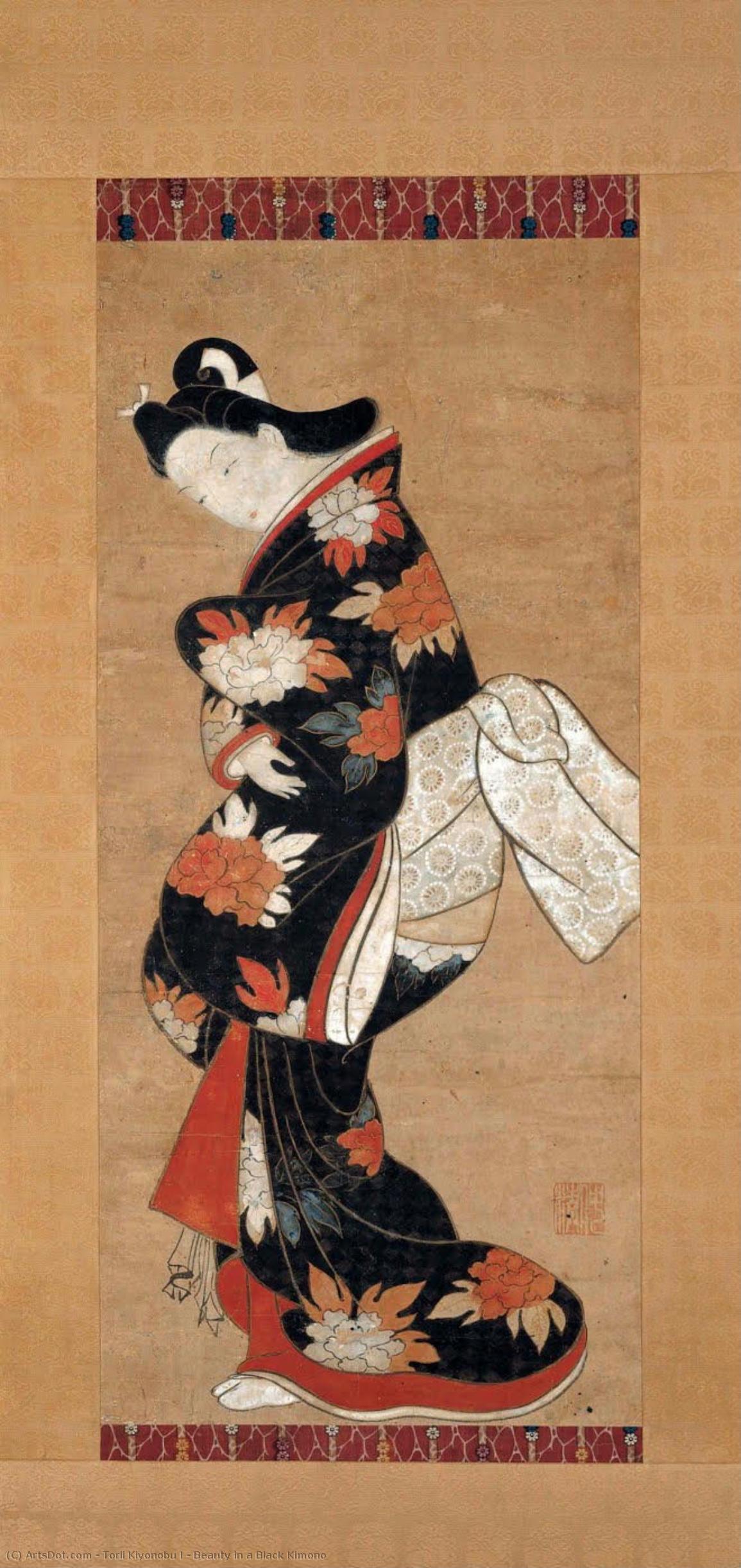
Beauty in a Black Kimono
 Painting
- Ukiyo-e
 1710
1710 60.0 x 27.0 cm
 Кимбелл Арт-музей
 Читать далее
Приобретите цифровое изображение высокого разрешения в улучшенном качестве, которое значительно превосходит онлайн-превью.
Каждый файл тщательно подготавливается нашими специалистами с использованием передовых инструментов и экспертной ручной ретуши. Мы гарантируем исключительную четкость, точную цветопередачу и детальную проработку каждого изображения.
Финальный файл доставляется по электронной почте в течение 72 часов и оптимизирован для немедленного использования в профессиональной среде, при верстке и печати. Это тот же уровень качества, которому доверяют ведущие дизайнерские студии, издательства и галереи.
Цифровое изображение
Скачайте файл высокого разрешения для личного использования, печати и творческих проектов. ( Перейти к печати Купить картину ручной работы)
Включено в каждый заказ цифровых изображений
Гарантия экспертной цифровой доставки
Выбирая ArtsDot.com, вы получаете не просто изображение — вы приобретаете профессионально обработанное цифровое произведение искусства, созданное с безупречной точностью и под защитой гарантии качества. Вот всё, что автоматически входит в ваш заказ:

Мгновенная доставка по e-mail
Ваш цифровой файл в высоком разрешении будет отправлен вам по электронной почте в течение 72 часов после оформления заказа — и сразу станет доступен для использования.

Цифровой файл с ИИ-улучшением
Ваше произведение искусства проходит профессиональную оптимизацию с использованием передовых инструментов ИИ и ручной обработки, что гарантирует максимальную детализацию, четкость и точность цветопередачи.

Бессрочная бесплатная повторная доставка
Случайно удалили или потеряли файл? Не беспокойтесь — мы отправим его вам повторно в любое время и совершенно бесплатно.

Без импортных пошлин — навсегда
Наслаждайтесь вашим произведением искусства мгновенно без таможенных пошлин, сборов или затрат на доставку — цифровые загрузки всегда не облагаются налогом.

Гарантия точности цветопередачи
Мы гарантируем, что ваше цифровое изображение максимально точно передает оригинальные цвета благодаря использованию профессиональных инструментов и систем управления цветом.

Гарантия удовлетворенности 100 дней
Если вы не будете удовлетворены своим цифровым изображением, мы внесем правки или вернем 100% стоимости в течение 100 дней — без лишних вопросов.

100% Гарантия возврата средств
Не удовлетворены покупкой? Получите полный возврат средств в течение 100 дней после получения цифрового файла — без лишних вопросов.

Скидки на оптовые заказы
Купите 3 изображения, сэкономьте 10% — Купите 5, сэкономьте 15% — Купите 10+, сэкономьте 20%. Отличное решение для творческих проектов, галерей и агентств.
Похожие произведения
Биография художника
Rachel Ruysch: A Pioneer of Still Life and Botanical Observation
Rachel Ruysch (1664 – 1750) stands as a monumental figure in the history of art, particularly recognized for her groundbreaking contributions to the genre of still life painting. Born in The Hague, Netherlands, into a family deeply rooted in scientific pursuits—her father was a botanist, physician, and anatomist—Ruysch’s artistic journey was inextricably linked with meticulous observation and an unparalleled understanding of the natural world. Her early training under Willem van Aelst, a renowned painter known for his detailed depictions of objects, provided her with a solid foundation in technique and composition. However, it was her subsequent influence by Otto Marseus van Schriek, famed for his atmospheric forest scenes populated by insects and reptiles, that truly shaped her distinctive style—a fascination with the delicate beauty and often unsettling details of decaying flora and fauna. Ruysch’s career unfolded across several key locations: initially in The Hague from 1701 to 1708, where she became the first female member of the Confrerie Pictura, a prestigious artists' society; then as court painter to the Elector Palatine, Johan Willem, in Düsseldorf (1708-1716), producing lavish portraits and historical scenes; and finally, returning to The Hague for much of her later career. Her artistic practice wasn’t simply about rendering beautiful objects; it was a deeply scientific endeavor. Ruysch meticulously documented the life cycles of flowers, insects, and other specimens, often presenting them in dramatic arrangements that highlighted their textures, colors, and even their decomposition. She employed innovative techniques—using oil paints mixed with turpentine to create incredibly realistic effects of moisture and translucency—to capture the fleeting beauty of her subjects. Her work moved beyond mere representation; she sought to convey a sense of immediacy, as if the viewer were witnessing these moments in nature unfold before their eyes.The Rise of a Unique Style: From Forest Scenes to Botanical Studies
Ruysch’s artistic evolution is marked by a shift from the dark, atmospheric forest scenes influenced by van Schriek to a more focused exploration of botanical subjects. This transition wasn't abrupt but rather a gradual refinement of her skills and interests. She began incorporating insects, fungi, and other small creatures into her still lifes, elevating them to positions of prominence alongside flowers and fruits. Her compositions became increasingly complex, layering multiple specimens upon one another in arrangements that were both visually stunning and scientifically informative. Unlike many of her contemporaries who focused on idealized representations of nature, Ruysch embraced the realities of decay, presenting wilted petals, bruised fruit, and even insect corpses with a remarkable degree of honesty and detail. This willingness to confront mortality—and the beauty inherent within it—was revolutionary for its time. The impact of Ruysch’s work extended beyond the realm of art; she was also a respected scientific illustrator. Her meticulous drawings and paintings served as valuable records of plant life, contributing significantly to botanical knowledge. She even developed her own techniques for preserving specimens, ensuring that her subjects retained their vibrant colors and intricate details for posterity. Her dedication to both artistic expression and scientific observation cemented her legacy as a truly unique artist—one who seamlessly blended the disciplines of art and science.A Court Artist and a Woman in a Male-Dominated World
Rachel Ruysch’s career navigated a challenging landscape dominated by male artists. Despite facing prejudice and skepticism, she persevered, establishing herself as one of the most successful and respected painters of her era. Her appointment as court painter to the Elector Palatine in Düsseldorf was a significant achievement, demonstrating her artistic merit and securing her a position of influence within the royal court. She skillfully utilized this role to showcase her talents, producing portraits for the nobility alongside elaborate still lifes that adorned the palace walls. Furthermore, Ruysch’s membership in the Confrerie Pictura—a guild of artists dedicated to promoting art and fostering professional connections—provided her with valuable support and recognition. This association allowed her to exhibit her work, exchange ideas with fellow artists, and establish a network of patrons. Ruysch's success as a female artist during this period is particularly noteworthy, challenging conventional notions about the roles and capabilities of women in the art world.Legacy and Lasting Influence
Rachel Ruysch’s influence on subsequent generations of still life painters is undeniable. Her meticulous attention to detail, her innovative use of color and texture, and her willingness to depict the beauty of decay paved the way for future artists who sought to capture the complexities of the natural world. Her work continues to be admired today for its scientific accuracy, its artistic beauty, and its profound insights into the ephemeral nature of life. The National Gallery in London holds a significant collection of Ruysch’s paintings, offering visitors a rare opportunity to appreciate the extraordinary talent and enduring legacy of this pioneering artist. Her dedication to observation and her ability to transform fleeting moments in nature into lasting works of art solidify her place as one of the most important figures in the history of still life painting.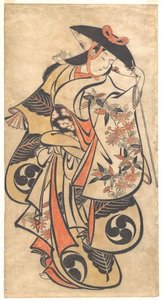
torii kiyonobu i
1664 - 1729