
- Главная

- Репродукция картины маслом
- Tosa Mitsumochi, Also Known As Tosa Mitsumochi, Mitsushige, Tosa Mitsushige, Mitsumochi
 Предпросмотр
 Поделиться
 Поделиться
 Детали произведения

 Скачать
 Похожие работы
 Рентгенография
 Слайд-шоу
 Статистика
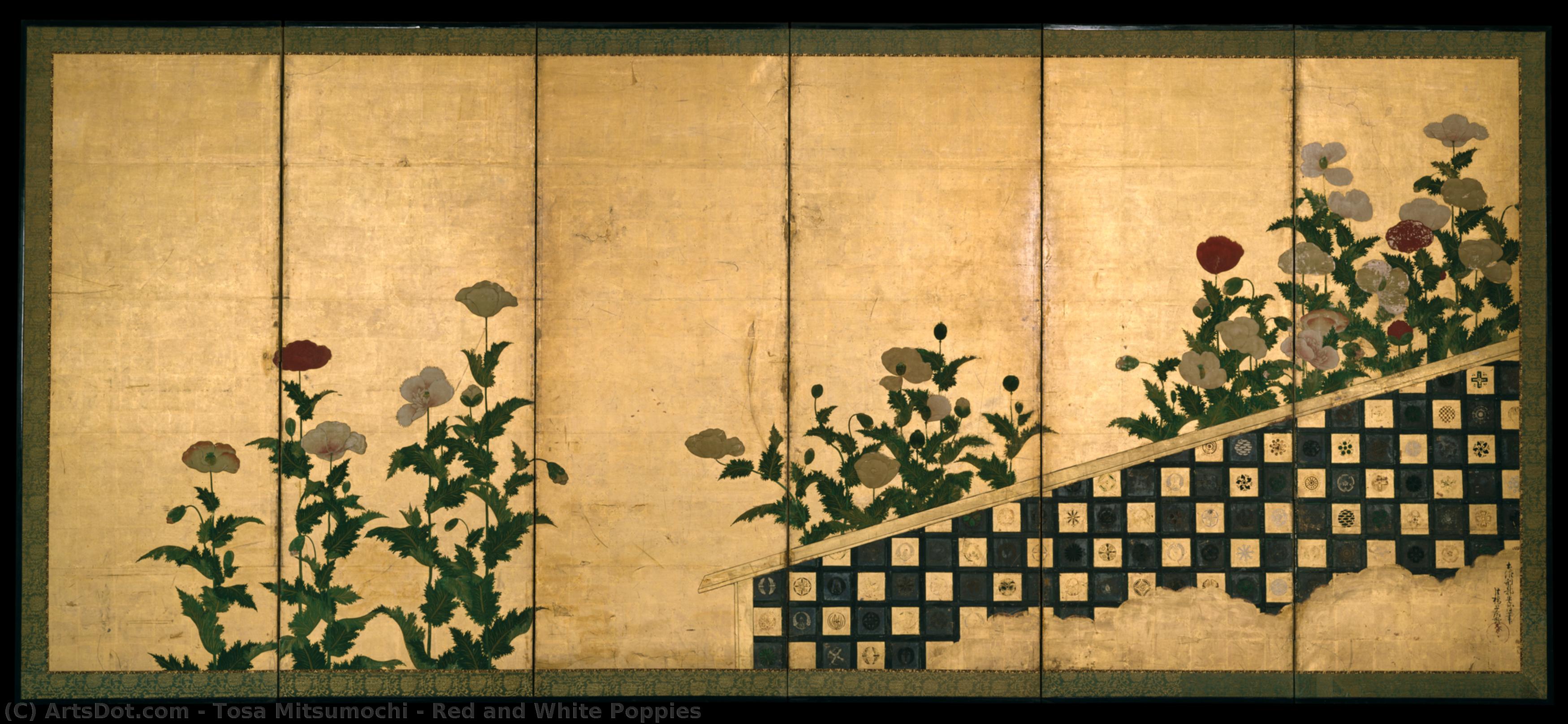
Red and White Poppies
 601
601 167.0cm x 375.0cm
 Читать далее
Масляная репродукция ручной работы
Картина маслом на холсте в выбранном вами размере и раме, написанная на заказ нашими художниками. ( Перейти к печати Перейти к цифровым изображениям)




































Выберите один из наших стандартных размеров, соответствующих оригинальным пропорциям произведения искусства.

Вы можете указать собственные размеры, чтобы картина идеально вписалась в выбранную раму или пространство. Если выбранный вами размер не соответствует пропорциям оригинала, мы либо обрежем полотно, либо расширим его за счет дополнительных элементов, написанных вручную. Цифровой макет будет отправлен вам на утверждение перед началом производства.
Обратите внимание, что предварительный просмотр на экране не отражает фактическую обрезку или расширение. Только макет точно покажет окончательную композицию.
Хотя доступны индивидуальные размеры, мы рекомендуем выбирать вариант из предопределенного списка, чтобы сохранить исходные пропорции.
После оформления заказа команда ArtsDot.com свяжется с клиентом по электронной почте для уточнения деталей и предоставит предварительный макет
Доставка по всему миру () за 3–4 недели вместо стандартных 5 недель. (13 Сентябрь). Без компромиссов в качестве.

Бесплатная экспресс-доставка по всему миру

Высококачественный льняной холст

Полное страхование доставки

Гарантия возмещения таможенных пошлин

Гарантия точного соответствия цветов

100-дневная политика возврата (только при обнаружении дефектов)

Гарантия возврата 100% средств

Предложение оптовых скидок
 Вариант со стеклом доступен только для размеров менее 110 см

Red and White Poppies
Техника репродукции
Размер репродукции
-


Итоговая стоимость
$ 263
Introduction to the Nanga Art Movement
The Nanga art movement, also known as the Southern School of painting, emerged during the Edo period (1603-1868) in Japan. It was heavily influenced by Chinese literati painting and calligraphy, which emphasized individual expression and the pursuit of personal enlightenment. The Nanga movement was a reaction against the rigid conventions of traditional Japanese painting and sought to create a more free and spontaneous style.Tosa Mitsumochi: A Master of the Nanga Movement
Tosa Mitsumochi, a prominent Nanga artist, was born in 1530 and died in 1608. He was a court painter who specialized in decorative screens and sliding doors. His work is characterized by its elegant lines, delicate colors, and refined sensibility.Red and White Poppies: A Decorative Formula of the Nanga Movement
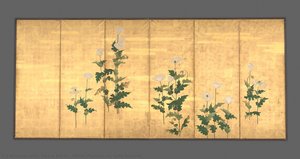
Red and White Poppies is a decorative formula that developed during the seventeenth century and was taken up by various schools throughout the Edo period. The painting features red and white poppies arrayed across the gold-leaf surface of the screen, creating a striking visual contrast. An unusual feature of this painting is the pattern of family crests that decorates the lattice fence.Inscription by Ogata Kōrin
In the lower right corner of the painting, there is an inscription by Ogata Kōrin (1658–1716) that attributes the work to Tosa Mitsumochi. This inscription adds historical significance to the painting and confirms its authorship.Conclusion
Red and White Poppies by Tosa Mitsumochi is a masterpiece of the Nanga movement that showcases the artist's elegant lines, delicate colors, and refined sensibility. The painting's decorative formula and family crest pattern add visual interest and historical significance to the work. If you are interested in learning more about Japanese art or purchasing prints of this beautiful painting, please visit Tosa Mitsumochi:Red and White Poppies on ArtsDot.com. Note: All images of paintings are the property of their respective museums, which may have additional restrictions on reproduction. Please contact the museum for more information.Похожие произведения



Биография художника
The Refined World of Tosa Mitsumochi: A Legacy in Yamato-e
Tosa Mitsumochi, a name resonating through the annals of Japanese art history, stands as a pivotal figure in the development and flourishing of the yamato-e tradition. Active primarily during the mid-16th century – roughly from 1525 to 1559 – Mitsumochi wasn’t merely an artist; he was a custodian of ancient aesthetics, breathing new life into classical Japanese painting styles at a time of significant social and political upheaval. Born into a lineage deeply entrenched in the art world, his family, the Tosa school, had been dedicated to preserving and evolving native artistic principles for generations, setting them apart from those who embraced more direct Chinese influences. While precise details surrounding Mitsumochi’s life remain somewhat elusive, obscured by the passage of time and limited documentation, his impact on Japanese painting is undeniable. He served as a court painter, a position that afforded him access to aristocratic patronage and solidified his role in shaping the visual culture of the era.A Family Tradition: The Roots of Yamato-e
To understand Mitsumochi’s significance, one must first appreciate the context of the Tosa school and its commitment to yamato-e. This style, literally translating to “Japanese painting,” prioritized subject matter drawn from native literature, history, and folklore. Unlike other schools that heavily incorporated Chinese landscape techniques and philosophical themes, the Tosa artists focused on uniquely Japanese narratives and aesthetics. The school’s origins trace back to the Muromachi period, and they distinguished themselves through meticulous detail, vibrant color palettes, and a preference for flat planes of opaque color delineated by precise outlines. This approach wasn't simply about replicating reality; it was about creating an idealized world steeped in elegance and refinement. Mitsumochi inherited this legacy, but he didn’t merely replicate his predecessors’ work. He infused it with a personal sensibility that would define the school for decades to come.Style and Technique: Elegance and Detail
Mitsumochi's paintings are characterized by an exquisite attention to detail and a delicate, refined style. His works often depict scenes from classical literature, historical events, or depictions of nature – particularly floral subjects. He was renowned for his ability to capture the essence of beauty through subtle gradations of color and precise brushwork. A prime example is his celebrated six-panel screen, “Poppies,” which showcases a summer motif of red and white poppies arrayed against a shimmering gold-leaf background. This piece exemplifies his mastery of decorative formulas that were popular during the Edo period. However, Mitsumochi’s skill extended beyond mere technical proficiency; he possessed an innate understanding of composition and color harmony, creating works that are both visually stunning and emotionally resonant. He skillfully employed light and shadow to create a sense of depth and realism, while simultaneously maintaining the stylized elegance characteristic of the Tosa school.Attribution and Legacy: A Lasting Influence
Interestingly, some attributions of Mitsumochi’s work have been questioned over time. The Metropolitan Museum of Art's “Red and White Poppies” screen, for instance, bears an inscription by Ogata Kōrin – a prominent Rinpa school artist born a century after Mitsumochi – attributing the piece to him. However, stylistic analysis suggests it likely dates to the early 17th century. This highlights the complexities of art historical research and the challenges of definitively assigning authorship. Despite these uncertainties, Mitsumochi’s influence remains profound. He served as a crucial link between earlier Tosa traditions and later developments in Japanese painting, particularly the Rinpa school. Artists like Kōrin clearly studied his work, drawing inspiration from its formalized depictions of natural themes and refined aesthetic sensibilities. His legacy is not simply about specific paintings but about the continuation of a uniquely Japanese artistic vision – one that prioritized elegance, detail, and a deep connection to native culture.Historical Significance: Preserving Tradition Amidst Change
The mid-16th century was a period of significant transformation in Japan, marked by political instability and increasing contact with foreign cultures. In this context, Mitsumochi’s dedication to preserving and evolving the yamato-e tradition took on added significance. By upholding classical Japanese aesthetics, he helped maintain a sense of cultural identity amidst rapid change. His work served as a reminder of Japan's rich artistic heritage, providing a counterpoint to the influx of new ideas and styles. While embracing decorative elements popular during his time, Mitsumochi never abandoned the core principles of the Tosa school – meticulous detail, vibrant color, and a focus on uniquely Japanese narratives. This commitment ensured that the yamato-e tradition would not only survive but thrive for generations to come, continuing to inspire artists and captivate audiences with its timeless beauty and refined elegance.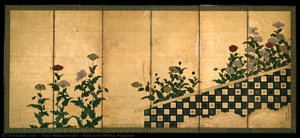
Основные сведения
- Artistic Movement Or Style: Yamato-e, Tosa school
- Full Name: Tosa Mitsumochi
- Notable Artworks: ['Red and White Poppies']
- Other Names:
- Mitsushige
- Tosa Mitsushige