

 Поделиться
 Поделиться
 Детали произведения

 Скачать
 Похожие работы
 Слайд-шоу
 Статистика
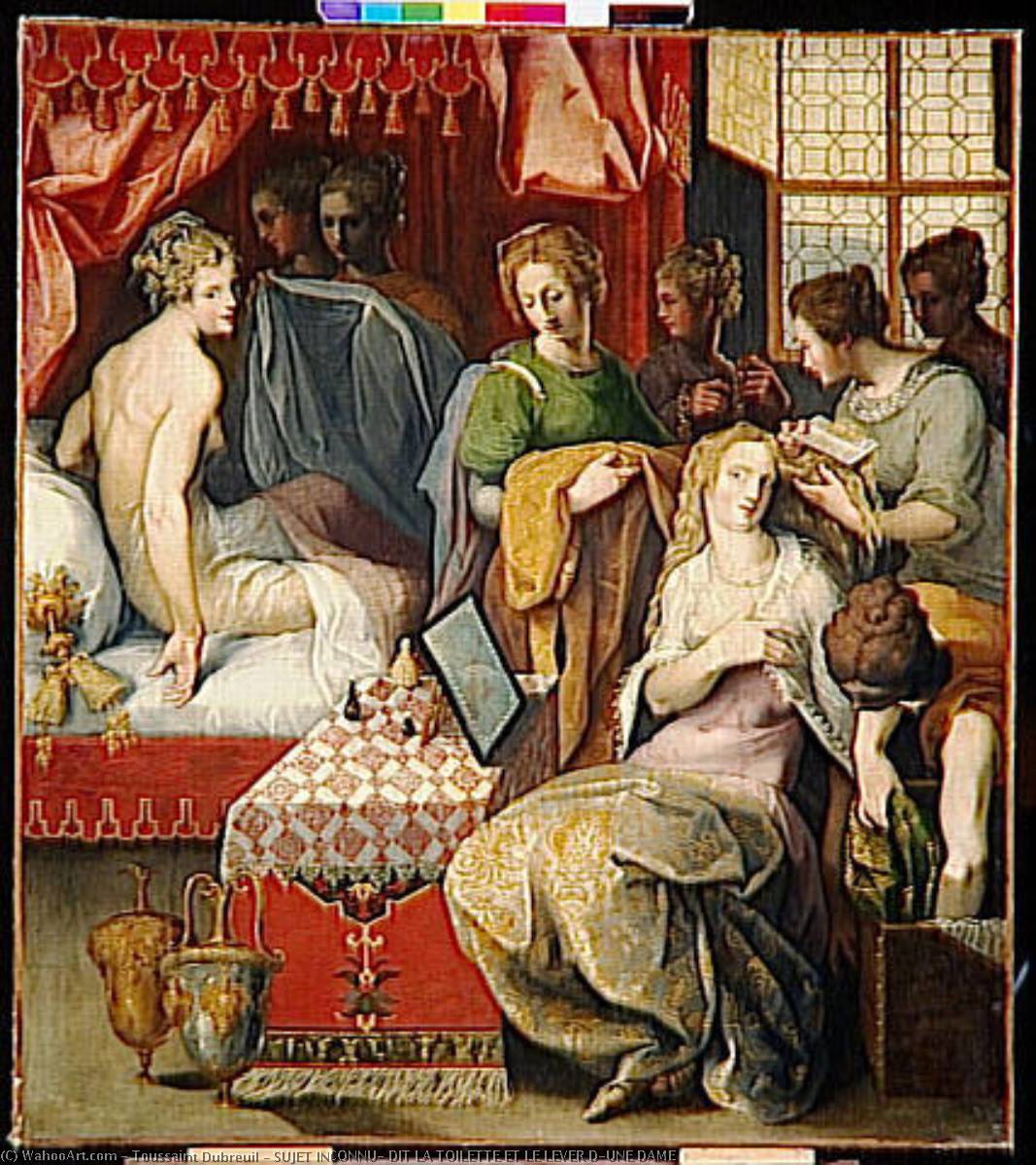
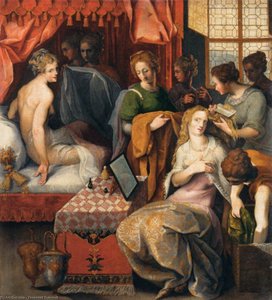
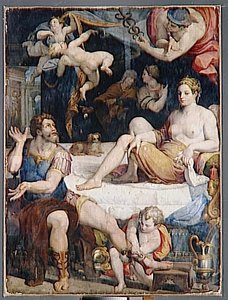
SUJET INCONNU, DIT LA TOILETTE ET LE LEVER D'UNE DAME


 Читать далее
Жикле / Арт-принт
Печать (жикле) или холст музейного качества с быстрыми сроками изготовления и широким выбором вариантов отделки. ( Купить картину ручной работы Перейти к цифровым изображениям)




































Выберите один из наших стандартных размеров, соответствующих оригинальным пропорциям произведения искусства.

Вы можете указать свои собственные размеры, чтобы репродукция идеально подошла под конкретную раму или пространство. Если выбранный вами размер не будет соответствовать пропорциям оригинала, мы либо обрежем произведение, либо дополним изображение зеркальным отражением краев или однотонной заливкой. Перед началом производства вам будет отправлен цифровой макет для утверждения.
Пожалуйста, обратите внимание, что предварительный просмотр на экране не отображает фактическую обрезку или расширение изображения. Только макет точно покажет финальную композицию.
Несмотря на возможность заказа индивидуальных размеров, мы рекомендуем выбирать размер из предопределенного списка, чтобы сохранить оригинальные пропорции.
Доставка по всему миру () за 2 недели вместо стандартных 4/5 недель. (13 Сентябрь)

Бесплатная экспресс-доставка по всему миру

Высококачественный льняной холст

Полное страхование доставки

Гарантия возмещения таможенных пошлин

Гарантия точного соответствия цветов

100-дневная политика возврата (только при обнаружении дефектов)

Гарантия возврата 100% средств

Предложение оптовых скидок
 Вариант со стеклом доступен только для размеров менее 110 см

SUJET INCONNU, DIT LA TOILETTE ET LE LEVER D'UNE DAME
Жикле / Арт-принт
Размер репродукции
-


Итоговая стоимость
$ 62
A Glimpse into a Lavish World: Toussaint Dubreuil’s “SUJET INCONNU”
Toussaint Dubreuil’s “SUJET INCONNU, DIT LA TOILETTE ET LE LEVER D'UNE DAME,” often referred to as "The Toilette and the Awakening of a Lady," is more than just a depiction of a private moment; it’s a meticulously crafted window into the opulent world of 16th-century French aristocracy. Painted in 1598, this tapestry, rendered with astonishing detail and a subtly unsettling atmosphere, offers a rare glimpse into the daily rituals and social dynamics of a privileged elite. The scene unfolds within a richly appointed bedroom – a space dominated by a monumental bed draped in sumptuous fabrics, its presence immediately establishing a sense of grandeur and wealth. The composition is deliberately crowded, teeming with figures engaged in various activities: a partially nude woman emerging from her slumber, attended by servants diligently performing their duties, and others absorbed in pursuits like sewing and reading. This density isn’t chaotic; rather, it speaks to the constant activity and intricate social choreography that characterized aristocratic life.
The Mannerist Palette and Italian Influence
Dubreuil's style firmly places him within the Second School of Fontainebleau, a movement deeply influenced by the artistic currents flowing from Italy. He skillfully blended the elongated forms, dramatic poses, and heightened emotionality characteristic of Mannerism – a style that prioritized elegance and psychological intensity over strict realism – with the classical ideals championed by the Italian Renaissance. Notice particularly the subtly distorted proportions of the figures, the swirling draperies that seem to defy gravity, and the carefully orchestrated use of light and shadow. These elements contribute to an overall sense of theatricality and heightened drama. The influence of artists like Francesco Primaticcio, a key figure in shaping the Fontainebleau style, is readily apparent in the tapestry’s densely packed composition and its penchant for elaborate detail. Dubreuil's work represents a crucial bridge between the rigid formality of earlier French painting and the more expressive and dynamic approach favored by Italian masters.
Decoding Symbolism: Intimacy and Social Hierarchy
Beyond its aesthetic qualities, “SUJET INCONNU” is laden with symbolic meaning. The partially nude figure emerging from bed represents a moment of vulnerability and intimacy – a private ritual performed within the confines of the bedroom. However, this intimate scene is framed by a complex social hierarchy. The attendants attending to the woman are not merely servants; they represent the intricate web of relationships and obligations that defined aristocratic society. The presence of objects like books and sewing implements suggests intellectual pursuits and domestic duties, further reinforcing the tapestry’s portrayal of a carefully constructed world. Some scholars have suggested the scene might allude to mythological or allegorical themes, perhaps referencing figures from classical literature associated with beauty, sleep, and awakening – though definitive interpretations remain debated.
Technique: The Art of Tapestry Weaving
The remarkable detail and richness of “SUJET INCONNU” are a testament to the skill of its creator and the demanding process of tapestry weaving. Likely executed in wool and silk threads, the work demonstrates an extraordinary level of technical mastery. The intricate knotting techniques used to create the image required immense patience and precision. The vibrant colors – reds, golds, browns, creams, greens, and blues – were achieved through careful dyeing processes, utilizing natural pigments derived from plants and minerals. The flattened perspective, a common characteristic of tapestries, creates an illusion of depth while simultaneously emphasizing the decorative qualities of the artwork. The texture itself—the raised pile of wool and silk—invites tactile engagement, suggesting the luxurious materiality of the scene depicted.
A Legacy of Elegance: Dubreuil’s Place in Art History
Though Toussaint Dubreuil's individual fame has often been overshadowed by his contemporaries, “SUJET INCONNU” stands as a significant example of French Mannerist painting and a remarkable achievement in tapestry weaving. It offers a captivating glimpse into the world of 16th-century aristocracy – a world defined by wealth, social complexity, and an enduring fascination with beauty and intimacy. Reproductions of this exquisite work continue to inspire admiration for its technical brilliance, symbolic depth, and evocative atmosphere, solidifying Dubreuil’s legacy as a key figure in the artistic landscape of his time.
Похожие произведения

Биография художника
Toussaint Dubreuil: Bridging Mannerism and Italian Influence
Toussaint Dubreuil (c. 1561 – 1602), a French painter born in Paris, stands as a pivotal figure within the Second School of Fontainebleau—a movement that skillfully blended the stylistic grandeur of Mannerism with the vibrant aesthetics of Italian Renaissance art. While relatively obscure compared to contemporaries like François Dubois and Ambroise Guillimaux, Dubreuil’s oeuvre possesses a distinctive character marked by elongated forms, undulating draperies, and densely populated compositions reminiscent of artists such as Francesco Primaticcio, reflecting the profound impact of Italian artistic ideals on French painting during his lifetime. His formative years were spent under the tutelage of Ruggiero de Ruggieri at Fontainebleau, absorbing the principles of classical sculpture and humanist thought that underpinned the royal court’s artistic ambitions. This training instilled in him a meticulous attention to detail and an understanding of idealized beauty—elements which would subsequently permeate his paintings. Dubreuil's early works demonstrate a masterful grasp of Mannerist techniques, characterized by stylized poses and expressive gestures, yet simultaneously infused with subtle nuances of Italian influence. The influence of Primaticcio is palpable in the monumental frescoes adorning Fontainebleau Palace, where Dubreuil’s meticulous execution captures the grandeur of royal patronage while adhering to classical proportions—a testament to the enduring legacy of Renaissance aesthetics. Dubreuil's artistic vision found expression in subjects drawn from mythology and literature, notably tales recounted by Torquato Tasso, Homeric epics, and the poetic explorations of Pierre de Ronsard. These narratives provided fertile ground for exploring themes of heroism, virtue, and divine grace—themes that resonated deeply with the sensibilities of the era. Recurring motifs include depictions of heroic figures engaged in dramatic confrontations, opulent feasts celebrating royal grandeur, and scenes portraying idealized female beauty. “Hyante & Climene Offering a Sacrifice to Venus,” commissioned by Henry IV, exemplifies this thematic richness, presenting a captivating portrayal of mythological allegory imbued with humanist ideals—a cornerstone of Fontainebleau’s artistic program. Among Dubreuil’s most celebrated achievements are monumental frescoes adorning Fontainebleau Palace, showcasing his ability to execute ambitious projects wit remarkable precision and artistic flair. Particularly noteworthy is “Hyante & Climene Offering a Sacrifice to Venus,” a Baroque masterpiece that exemplifies the dynamism of the Second School's style while retaining classical proportions and harmonious color palettes. The painting captures Isaac’s sacrifice—a poignant episode from Genesis—with breathtaking realism, skillfully blending Mannerist elongation with Italian compositional principles. Furthermore, Dubreuil produced numerous portraits, notably those commissioned for Henry IV, demonstrating his talent for capturing psychological depth and conveying aristocratic dignity. His depictions of the king embody a refined elegance and convey an aura of regal authority—characteristics that solidified his reputation as one of Fontainebleau’s foremost portraitists. Although many of Dubreuil's paintings have vanished over time due to fire and neglect, surviving works continue to inspire admiration for their artistic merit and represent invaluable insights into the cultural landscape of 16th-century France. His legacy endures as a testament to the enduring power of Mannerist aesthetics combined with Italian Renaissance ideals—a synthesis that profoundly shaped the trajectory of French art history.
Туссант Дюбрюил
1561 - 1602 , Франция
Основные сведения
- Artistic Movement Or Style: Вторая школа Фонтенблуа; Маньеризм; Итальянское искусство влияния
- Artists Who Influenced This Artist: ['Руджиеро де Руджьери']
- Date Of Birth: ca. 1561
- Date Of Death: 1602
- Full Name: Toussaint Dubreuil
- Nationality: Французский
- Notable Artworks:
- Хианте и Климене
- Неизвестный сюжет, названный Банкет
- СУЖЕТ НЕИЗВЕСТНЫЙ, ДИТ ЛА ТОИЛЕТТЕ ЭТ ЛЭ ЛЕВР Д’ЮНЭ
- Place Of Birth: Paris, Франция
Похожие статьи

The Enduring Power of Painting: A Historical & Contemporary Exploration of Form and Emotion
Explore the rich history & enduring techniques of oil painting with ArtsDot. Discover masterpieces, learn about art collecting, and find authentic handmade reproductions crafted by skilled artists.

Масляная живопись: История, техника и непреходящее наследие
Узнайте все о масляной живописи: история техники, секреты мастеров и современные тенденции. Погрузитесь в мир искусства с экспертами !
Топ-10 шедевров масляной живописи на доске, изменившие искусство | ArtsDot.com
Откройте для себя 10 легендарных шедевров масляной живописи на доске, изменивших искусство! Узнайте истории Ван Гога, Моне и других великих художников. Репродукции картин премиум-качества для вашего интерьера – ArtsDot.com

The Enduring Legacy of Oil on Canvas: Technique, History & Aesthetic Impact
Explore the rich history & techniques of oil painting – from Renaissance masters to Impressionism. Discover pigments, layering methods, and why this timeless medium endures. Expert insights for artists & art enthusiasts.

Oil on Canvas: A Historical & Technical Exploration of a Timeless Artistic Medium
Explore the rich history & enduring techniques of oil painting on canvas. Discover the science behind its longevity, conservation practices, and contemporary relevance. Expert insights for art enthusiasts.