

 Предпросмотр
 Поделиться
 Поделиться
 Детали произведения

 Скачать
 Похожие работы
 Рентгенография
 Слайд-шоу
 Статистика
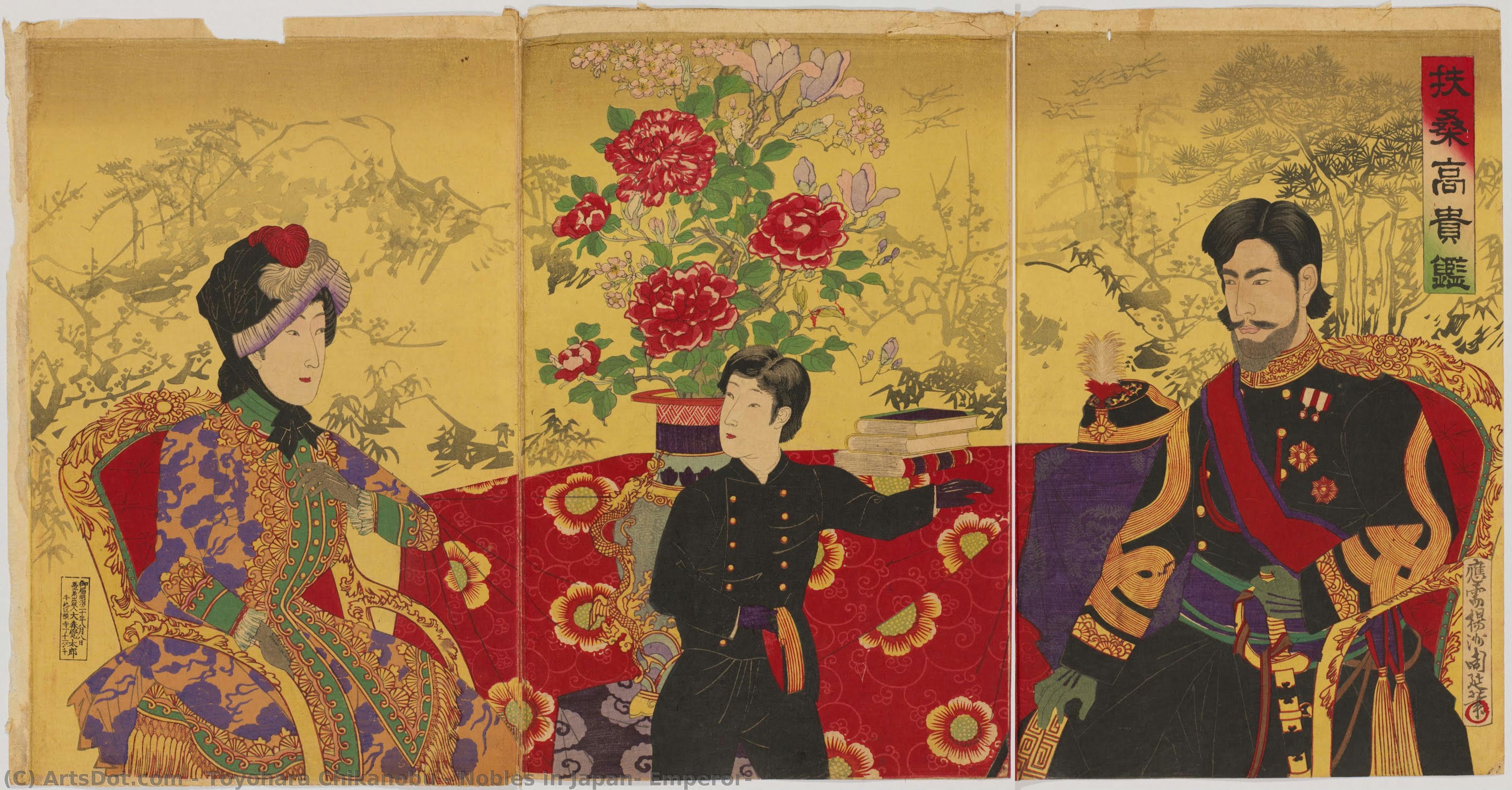
Nobles in Japan: Emperor


 Читать далее
Приобретите цифровое изображение высокого разрешения в улучшенном качестве, которое значительно превосходит онлайн-превью.
Каждый файл тщательно подготавливается нашими специалистами с использованием передовых инструментов и экспертной ручной ретуши. Мы гарантируем исключительную четкость, точную цветопередачу и детальную проработку каждого изображения.
Финальный файл доставляется по электронной почте в течение 72 часов и оптимизирован для немедленного использования в профессиональной среде, при верстке и печати. Это тот же уровень качества, которому доверяют ведущие дизайнерские студии, издательства и галереи.
Цифровое изображение
Скачайте файл высокого разрешения для личного использования, печати и творческих проектов. ( Перейти к печати Купить картину ручной работы)
Включено в каждый заказ цифровых изображений
Гарантия экспертной цифровой доставки
Выбирая ArtsDot.com, вы получаете не просто изображение — вы приобретаете профессионально обработанное цифровое произведение искусства, созданное с безупречной точностью и под защитой гарантии качества. Вот всё, что автоматически входит в ваш заказ:

Мгновенная доставка по e-mail
Ваш цифровой файл в высоком разрешении будет отправлен вам по электронной почте в течение 72 часов после оформления заказа — и сразу станет доступен для использования.

Цифровой файл с ИИ-улучшением
Ваше произведение искусства проходит профессиональную оптимизацию с использованием передовых инструментов ИИ и ручной обработки, что гарантирует максимальную детализацию, четкость и точность цветопередачи.

Бессрочная бесплатная повторная доставка
Случайно удалили или потеряли файл? Не беспокойтесь — мы отправим его вам повторно в любое время и совершенно бесплатно.

Без импортных пошлин — навсегда
Наслаждайтесь вашим произведением искусства мгновенно без таможенных пошлин, сборов или затрат на доставку — цифровые загрузки всегда не облагаются налогом.

Гарантия точности цветопередачи
Мы гарантируем, что ваше цифровое изображение максимально точно передает оригинальные цвета благодаря использованию профессиональных инструментов и систем управления цветом.

Гарантия удовлетворенности 100 дней
Если вы не будете удовлетворены своим цифровым изображением, мы внесем правки или вернем 100% стоимости в течение 100 дней — без лишних вопросов.

100% Гарантия возврата средств
Не удовлетворены покупкой? Получите полный возврат средств в течение 100 дней после получения цифрового файла — без лишних вопросов.

Скидки на оптовые заказы
Купите 3 изображения, сэкономьте 10% — Купите 5, сэкономьте 15% — Купите 10+, сэкономьте 20%. Отличное решение для творческих проектов, галерей и агентств.
A Glimpse into Meiji Majesty
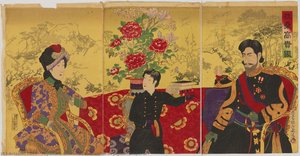
In the delicate interplay of light and tradition, Toyohara Chikanobu’s Nobles in Japan: Emperor serves as a profound window into a pivotal moment of Japanese history. Created in 1887, during the transformative Meiji era, this work captures more than just a formal gathering; it encapsulates a nation caught in the beautiful, often turbulent, embrace of modernization. The scene unfolds with an air of quiet dignity, presenting figures seated upon vibrant red cushions that anchor the composition with warmth and imperial weight. At the heart of the piece, a man in a stark, black suit sits between two figures, his presence acting as a bridge between the ancient customs of the court and the encroaching Western influences of the late 19th century. The woman, draped in a regal purple dress, embodies the elegance of an era transitioning from silk kimonos to structured silhouettes, her attire reflecting the shifting tides of fashion and social identity.
The composition is masterfully balanced, utilizing the spatial arrangement of figures and objects to guide the viewer’s eye through a narrative of status and ceremony. Beyond the central trio, the background hums with the subtle energy of a courtly setting, where other figures linger in soft focus, suggesting a larger, bustling world of protocol and prestige. The inclusion of carefully placed elements—such as the elegant vases and the lush potted plant to the left—adds a layer of domestic refinement and organic beauty to the structured scene. These details are not merely decorative; they ground the imperial subjects within a tangible, lived environment, making the historical moment feel intimate and accessible to the modern observer.
The Artistry of Woodblock Mastery
As a master of the woodblock printing technique, Chikanobu employs a sophisticated palette that breathes life into the paper. The deep, saturated tones of the red cushions and the royal purple of the lady's gown are contrasted against the somber, authoritative black of the gentleman’s suit, creating a visual rhythm that is both striking and harmonious. This mastery of color allows the artist to convey texture and depth, making the fabric appear heavy with importance and the surrounding atmosphere feel thick with tradition. For the collector or interior designer, this piece offers a rich tapestry of hues that can serve as a sophisticated focal point in any curated space, providing a sense of historical gravity and artistic depth.
Beyond its aesthetic allure, Nobles in Japan: Emperor carries an emotional resonance that speaks to the universal themes of change and continuity. It invites the viewer to contemplate the resilience of culture when faced with the unstoppable march of progress. To possess a reproduction of this work is to hold a fragment of the Meiji spirit—a celebration of a time when Japan redefined itself on the global stage without losing its soul. Whether placed in a contemporary gallery setting or a classic study, Chikanobu’s vision continues to inspire awe, offering a timeless elegance that transcends the boundaries of era and geography.
Похожие произведения
Биография художника
A Visionary of the Meiji Era: The Life and Legacy of Toyohara Chikanobu
In the twilight of the Edo period and the dawn of a modernizing Japan, few artists captured the profound tension between tradition and transformation as masterfully as Toyohara Chikanobu. Born in 1838, an era of profound cultural shifts, Chikanobu—often recognized by his art name Yōshū Chikanobu—emerged as a monumental figure in the world of Japanese woodblock printing. His life was a bridge between two worlds: the ancient, refined aesthetics of the samurai class and the burgeoning, Western-influenced energy of the Meiji era. While his real name, Hashimoto Naoyoshi, whispered of a more private existence, his artistic persona commanded the attention of a nation undergoing rapid metamorphosis.
Chikanobu’s early foundations were deeply rooted in the meticulous craftsmanship of Japanese heritage. Raised with an appreciation for detail that likely stemmed from his family's connection to the arts, he underwent rigorous training in painting and printmaking. This classical grounding allowed him to master the delicate nuances of ukiyo-e, yet he was never a mere imitator of the past. Instead, he became a pioneer of the Shin-hanga movement, a revitalizing force that sought to breathe new life into traditional woodblock techniques by integrating Western concepts such as realistic perspective and anatomical accuracy. This unique synthesis allowed his work to possess a depth and vitality that felt both timeless and strikingly contemporary to his contemporaries.
The Art of Transformation: Themes and Techniques
The brilliance of Chikanobu’s oeuvre lies in its incredible thematic breadth, ranging from the ethereal beauty of bijinga (pictures of beautiful women) to the visceral intensity of historical warfare. He possessed a rare ability to pivot between the serene and the spectacular. In his depictions of women, one finds a poetic grace; his lines are fluid, capturing the intricate patterns of kimonos and the soft, evocative moods of daily life. Yet, in stark contrast, Chikanobu was equally celebrated for his dramatic triptychs of battle. These works, such as his vivid accounts of the Japanese army at Asan, utilize rich colors and dynamic compositions to convey the grit, movement, and historical weight of a nation in conflict.
Beyond the human figure, Chikanobu’s landscapes and cultural scenes served as a visual archive of a disappearing Japan. He captured the ephemeral beauty of cherry blossoms and the grandeur of imperial ceremonies with an eye for both natural splendor and social significance. His technical mastery was evident in his use of color and light, often employing subtle gradations that suggested depth and atmosphere—a hallmark of his engagement with Western artistic influences. Through his prints, the viewer is not merely observing a scene but is transported into the very heart of Meiji-era celebrations, military triumphs, and quiet moments of devotion.
A Lasting Impression on Japanese Art
The historical significance of Toyohara Chikanobu extends far beyond the borders of Japan. As one of the last great masters of the ukiyo-e tradition, he provided a vital link in the evolution of Japanese printmaking. His work does not merely document history; it interprets the soul of an era. By embracing innovation without sacrificing the essence of Japanese craftsmanship, he ensured that the traditional woodblock medium remained relevant in a rapidly globalizing world. Today, his prints are cherished by collectors worldwide, standing alongside legends like Hokusai and Hiroshige as essential pillars of Japanese art history.
Reflecting on his immense contribution, several key elements define his enduring impact:
- Cultural Synthesis: His ability to blend Eastern sensibilities with Western perspective revolutionized the visual language of Meiji-era prints.
- Historical Documentation: His works serve as a profound window into the social, military, and imperial life of 19th-century Japan.
- Versatility of Subject: From the delicate elegance of bijinga to the powerful narratives of war, his range remains unparalleled.
- Preservation of Tradition: Through his dedication to woodblock printing, he helped sustain a classical art form during a period of intense modernization.
toyohara chikanobu
1838 - 1912 , Japan
Основные сведения
- Artistic Movement Or Style: Shin-hanga
- Artists Or Movements Influenced By Artist: ['Ukiyo-e']
- Artists Who Influenced This Artist: ['Hiroshi Yoshida']
- Date Of Birth: 1838
- Full Name: Toyohara Chikanobu
- Nationality: Japanese
- Notable Artworks: ['Cherry Blossoms Bloom Again (in front) Kuruwa']
- Place Of Birth: Japan (Osaka)