

 Предпросмотр
 Поделиться
 Поделиться
 Детали произведения

 Скачать
 Похожие работы
 Рентгенография
 Слайд-шоу
 Статистика
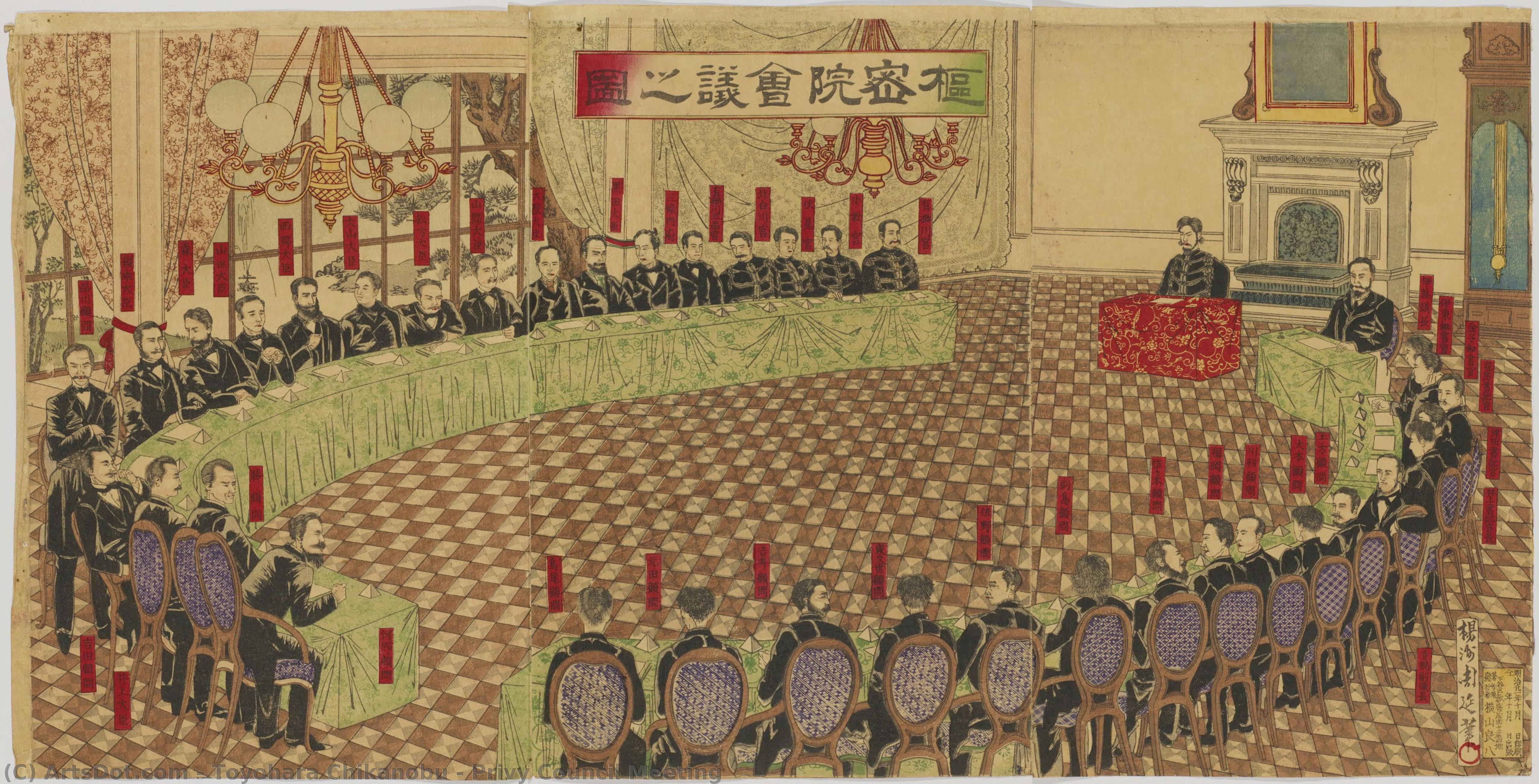
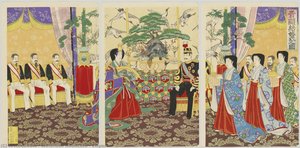
Privy Council Meeting


 Читать далее
Жикле / Арт-принт
Печать (жикле) или холст музейного качества с быстрыми сроками изготовления и широким выбором вариантов отделки. ( Купить картину ручной работы Перейти к цифровым изображениям)




































Выберите один из наших стандартных размеров, соответствующих оригинальным пропорциям произведения искусства.

Вы можете указать свои собственные размеры, чтобы репродукция идеально подошла под конкретную раму или пространство. Если выбранный вами размер не будет соответствовать пропорциям оригинала, мы либо обрежем произведение, либо дополним изображение зеркальным отражением краев или однотонной заливкой. Перед началом производства вам будет отправлен цифровой макет для утверждения.
Пожалуйста, обратите внимание, что предварительный просмотр на экране не отображает фактическую обрезку или расширение изображения. Только макет точно покажет финальную композицию.
Несмотря на возможность заказа индивидуальных размеров, мы рекомендуем выбирать размер из предопределенного списка, чтобы сохранить оригинальные пропорции.
Доставка по всему миру () за 2 недели вместо стандартных 4/5 недель. (12 Сентябрь)

Бесплатная экспресс-доставка по всему миру

Высококачественный льняной холст

Полное страхование доставки

Гарантия возмещения таможенных пошлин

Гарантия точного соответствия цветов

100-дневная политика возврата (только при обнаружении дефектов)

Гарантия возврата 100% средств

Предложение оптовых скидок
 Вариант со стеклом доступен только для размеров менее 110 см

Privy Council Meeting
Жикле / Арт-принт
Размер репродукции
-


Итоговая стоимость
$ 62
Похожие произведения
Биография художника
A Visionary of the Meiji Era: The Life and Legacy of Toyohara Chikanobu
In the twilight of the Edo period and the dawn of a modernizing Japan, few artists captured the profound tension between tradition and transformation as masterfully as Toyohara Chikanobu. Born in 1838, an era of profound cultural shifts, Chikanobu—often recognized by his art name Yōshū Chikanobu—emerged as a monumental figure in the world of Japanese woodblock printing. His life was a bridge between two worlds: the ancient, refined aesthetics of the samurai class and the burgeoning, Western-influenced energy of the Meiji era. While his real name, Hashimoto Naoyoshi, whispered of a more private existence, his artistic persona commanded the attention of a nation undergoing rapid metamorphosis.
Chikanobu’s early foundations were deeply rooted in the meticulous craftsmanship of Japanese heritage. Raised with an appreciation for detail that likely stemmed from his family's connection to the arts, he underwent rigorous training in painting and printmaking. This classical grounding allowed him to master the delicate nuances of ukiyo-e, yet he was never a mere imitator of the past. Instead, he became a pioneer of the Shin-hanga movement, a revitalizing force that sought to breathe new life into traditional woodblock techniques by integrating Western concepts such as realistic perspective and anatomical accuracy. This unique synthesis allowed his work to possess a depth and vitality that felt both timeless and strikingly contemporary to his contemporaries.
The Art of Transformation: Themes and Techniques
The brilliance of Chikanobu’s oeuvre lies in its incredible thematic breadth, ranging from the ethereal beauty of bijinga (pictures of beautiful women) to the visceral intensity of historical warfare. He possessed a rare ability to pivot between the serene and the spectacular. In his depictions of women, one finds a poetic grace; his lines are fluid, capturing the intricate patterns of kimonos and the soft, evocative moods of daily life. Yet, in stark contrast, Chikanobu was equally celebrated for his dramatic triptychs of battle. These works, such as his vivid accounts of the Japanese army at Asan, utilize rich colors and dynamic compositions to convey the grit, movement, and historical weight of a nation in conflict.
Beyond the human figure, Chikanobu’s landscapes and cultural scenes served as a visual archive of a disappearing Japan. He captured the ephemeral beauty of cherry blossoms and the grandeur of imperial ceremonies with an eye for both natural splendor and social significance. His technical mastery was evident in his use of color and light, often employing subtle gradations that suggested depth and atmosphere—a hallmark of his engagement with Western artistic influences. Through his prints, the viewer is not merely observing a scene but is transported into the very heart of Meiji-era celebrations, military triumphs, and quiet moments of devotion.
A Lasting Impression on Japanese Art
The historical significance of Toyohara Chikanobu extends far beyond the borders of Japan. As one of the last great masters of the ukiyo-e tradition, he provided a vital link in the evolution of Japanese printmaking. His work does not merely document history; it interprets the soul of an era. By embracing innovation without sacrificing the essence of Japanese craftsmanship, he ensured that the traditional woodblock medium remained relevant in a rapidly globalizing world. Today, his prints are cherished by collectors worldwide, standing alongside legends like Hokusai and Hiroshige as essential pillars of Japanese art history.
Reflecting on his immense contribution, several key elements define his enduring impact:
- Cultural Synthesis: His ability to blend Eastern sensibilities with Western perspective revolutionized the visual language of Meiji-era prints.
- Historical Documentation: His works serve as a profound window into the social, military, and imperial life of 19th-century Japan.
- Versatility of Subject: From the delicate elegance of bijinga to the powerful narratives of war, his range remains unparalleled.
- Preservation of Tradition: Through his dedication to woodblock printing, he helped sustain a classical art form during a period of intense modernization.
toyohara chikanobu
1838 - 1912 , Japan
Основные сведения
- Artistic Movement Or Style: Shin-hanga
- Artists Or Movements Influenced By Artist: ['Ukiyo-e']
- Artists Who Influenced This Artist: ['Hiroshi Yoshida']
- Date Of Birth: 1838
- Full Name: Toyohara Chikanobu
- Nationality: Japanese
- Notable Artworks: ['Cherry Blossoms Bloom Again (in front) Kuruwa']
- Place Of Birth: Japan (Osaka)
Похожие статьи
Ukiyo-e: Exploring Japan's Floating World & Enduring Artistic Legacy
Explore the captivating world of Ukiyo-e – Japan's iconic woodblock prints! Discover masters like Hokusai & Hiroshige, learn about Edo period culture, and find expert art collecting guidance at ArtsDot.
Suzuki Harunobu: Pioneering Ukiyo-e & the Refinement of Edo Period Printmaking
Discover the revolutionary world of Suzuki Harunobu, a pioneer of ukiyo-e printmaking. Explore his exquisite nishiki-e techniques, diverse subjects & lasting impact on Japanese art history. Learn more at ArtsDot.
The Enduring Legacy of Woodblock Printmaking: Technique, History & Artistic Expression
Explore the rich history of woodblock printmaking – from ancient techniques to Ukiyo-e masterpieces. Discover expert insights on collecting, preserving & appreciating this enduring art form.

Топ-25 шедевров Кацусики Хокусая: Искусство Японии для вашего интерьера
Погрузитесь в мир гения Кацусики Хокусая! 25 легендарных гравюр укиё-э, включая "Великую волну". История искусства Японии и вдохновение для вашего интерьера. Репродукции высокого качества на ArtsDot.com.
Tsukioka Yoshitoshi: A Master of Ukiyo-e's Final Flourish – Narrative, Innovation, and the Meiji Transition
Explore the life & art of Tsukioka Yoshitoshi, the last great master of ukiyo-e woodblock printing. Discover his dramatic warrior prints, innovative series like 'One Hundred Aspects of the Moon,' and legacy reflecting Japan's Meiji transition.