

 Предпросмотр
 Поделиться
 Поделиться
 Детали произведения

 Скачать
 Похожие работы
 Рентгенография
 Слайд-шоу
 Статистика
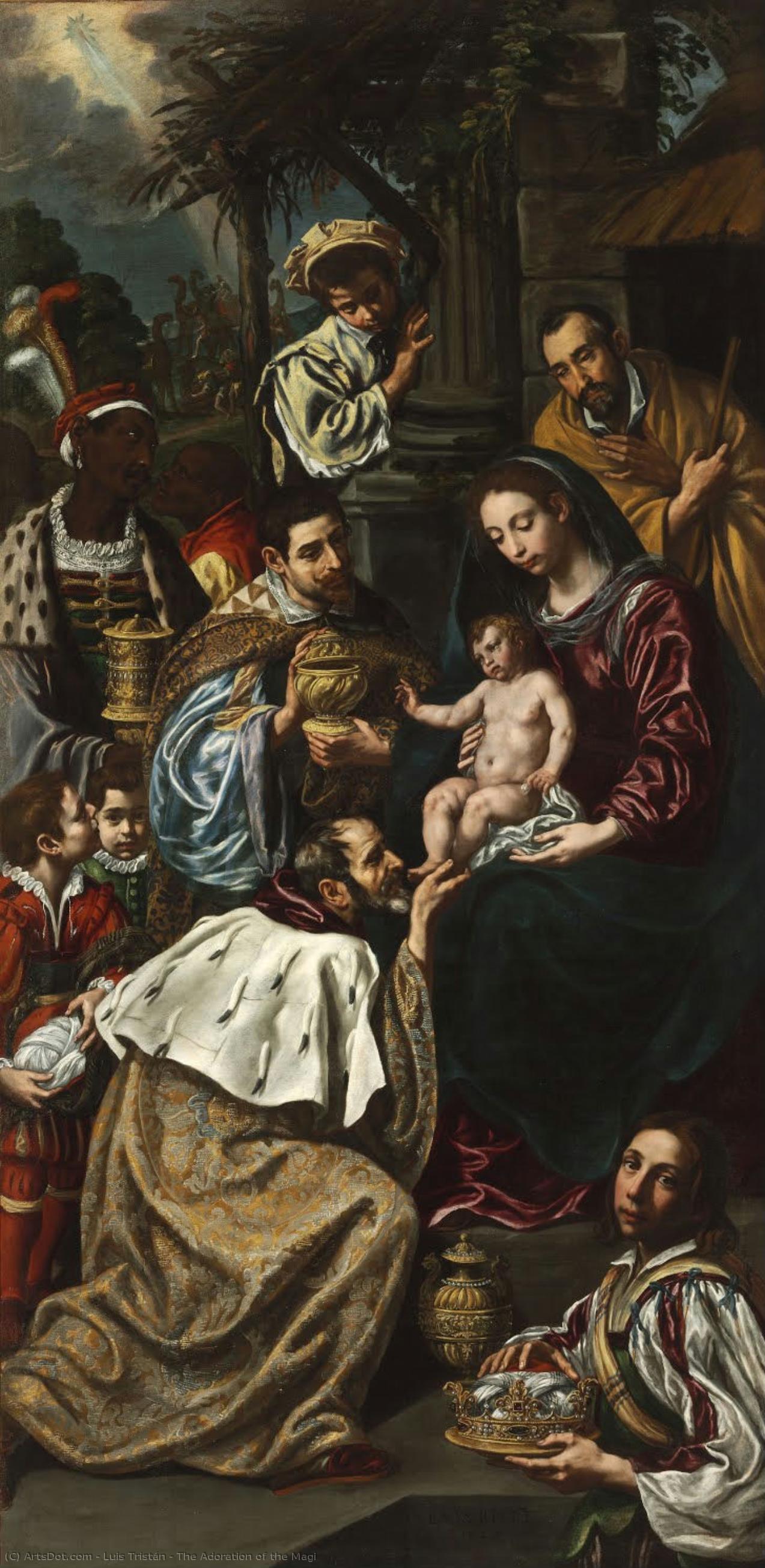
The Adoration of the Magi
 1620
1620 232.0 x 115.0 cm
 Музей искусств Будапешта
 Читать далее
Приобретите цифровое изображение высокого разрешения в улучшенном качестве, которое значительно превосходит онлайн-превью.
Каждый файл тщательно подготавливается нашими специалистами с использованием передовых инструментов и экспертной ручной ретуши. Мы гарантируем исключительную четкость, точную цветопередачу и детальную проработку каждого изображения.
Финальный файл доставляется по электронной почте в течение 72 часов и оптимизирован для немедленного использования в профессиональной среде, при верстке и печати. Это тот же уровень качества, которому доверяют ведущие дизайнерские студии, издательства и галереи.
Цифровое изображение
Скачайте файл высокого разрешения для личного использования, печати и творческих проектов. ( Перейти к печати Купить картину ручной работы)
Включено в каждый заказ цифровых изображений
Гарантия экспертной цифровой доставки
Выбирая ArtsDot.com, вы получаете не просто изображение — вы приобретаете профессионально обработанное цифровое произведение искусства, созданное с безупречной точностью и под защитой гарантии качества. Вот всё, что автоматически входит в ваш заказ:

Мгновенная доставка по e-mail
Ваш цифровой файл в высоком разрешении будет отправлен вам по электронной почте в течение 72 часов после оформления заказа — и сразу станет доступен для использования.

Цифровой файл с ИИ-улучшением
Ваше произведение искусства проходит профессиональную оптимизацию с использованием передовых инструментов ИИ и ручной обработки, что гарантирует максимальную детализацию, четкость и точность цветопередачи.

Бессрочная бесплатная повторная доставка
Случайно удалили или потеряли файл? Не беспокойтесь — мы отправим его вам повторно в любое время и совершенно бесплатно.

Без импортных пошлин — навсегда
Наслаждайтесь вашим произведением искусства мгновенно без таможенных пошлин, сборов или затрат на доставку — цифровые загрузки всегда не облагаются налогом.

Гарантия точности цветопередачи
Мы гарантируем, что ваше цифровое изображение максимально точно передает оригинальные цвета благодаря использованию профессиональных инструментов и систем управления цветом.

Гарантия удовлетворенности 100 дней
Если вы не будете удовлетворены своим цифровым изображением, мы внесем правки или вернем 100% стоимости в течение 100 дней — без лишних вопросов.

100% Гарантия возврата средств
Не удовлетворены покупкой? Получите полный возврат средств в течение 100 дней после получения цифрового файла — без лишних вопросов.

Скидки на оптовые заказы
Купите 3 изображения, сэкономьте 10% — Купите 5, сэкономьте 15% — Купите 10+, сэкономьте 20%. Отличное решение для творческих проектов, галерей и агентств.
Похожие произведения





Биография художника
Luis Tristán de Escamilla: Bridging Mannerism and Baroque in Toledo
Luis Tristán de Escamilla (c. 1585 – 1624) stands as a pivotal figure in the artistic landscape of 17th-century Spain, particularly within the vibrant city of Toledo. Born into a family of merchants and artisans, his early life laid the groundwork for a career deeply intertwined with the legacy of El Greco, while simultaneously forging a distinct artistic identity. Tristán’s journey began as an apprentice to the master himself in 1603, a period during which he meticulously studied and imitated El Greco's distinctive style – elongated figures, dramatic lighting, and a profound sense of spiritual intensity. This initial phase is characterized by a near-perfect replication of his teacher’s techniques, leading to instances where works were initially attributed to El Greco himself. However, Tristán quickly evolved beyond mere imitation, demonstrating an innate talent that would ultimately establish him as a significant artist in his own right.The Shadow of El Greco and the Italian Influence
Following El Greco’s death in 1614, Tristán assumed the mantle of his principal follower, inheriting not only his workshop but also the considerable expectations surrounding his artistic output. This period saw him embark on a crucial journey to Italy around 1613, an experience that profoundly shaped his evolving style. The vibrant colors, dynamic compositions, and naturalistic tendencies prevalent in Italian painting – particularly those of Caravaggio – exerted a powerful influence on Tristán’s work. He absorbed the Caravaggisti's emphasis on tenebrism (the dramatic contrast between light and dark), incorporating it into his own paintings to create a heightened sense of drama and emotional impact. This exposure marked a deliberate shift away from the purely Mannerist aesthetic he initially embraced, laying the foundation for a more Baroque approach.A Synthesis of Styles: Religious Scenes and Daily Life
Tristán’s artistic output is overwhelmingly focused on religious subjects, reflecting the prevailing demands of the Counter-Reformation era in Spain. However, unlike many of his contemporaries, he didn't simply replicate established iconography; instead, he infused his paintings with a subtle yet significant realism. He introduced elements from everyday life – humble figures, domestic settings, and glimpses of ordinary activities – into scenes depicting biblical narratives and saints’ lives. This innovative approach, coupled with his masterful use of light and shadow, created a compelling tension between the spiritual and the tangible, making his works both emotionally resonant and visually engaging. Notable examples include “Saint Louis Distributing Alms,” currently housed in the Louvre, which showcases this skillful blend of religious subject matter and realistic detail. The "Round of Bread and Eggs" at the Museum of Santa Cruz further exemplifies this characteristic.Key Works and Artistic Achievements
Tristán’s most significant contribution to art history lies in his monumental altarpiece for the church of Saint Benedict of Nursia in Yepes (circa 1616). This ambitious project, comprising six scenes from the life of Jesus and eight half-figures of various saints, stands as a testament to his artistic skill and ambition. The intricate details, dynamic compositions, and emotional depth of these paintings demonstrate Tristán’s mastery of technique and his ability to convey complex theological narratives through visual imagery. Other notable works include “The Martyrdom of Saint Andrew,” a powerful depiction of religious suffering, and the "Last Supper," which showcases his evolving style. His legacy is also reflected in the work of his student, Pedro de Camprobín, who continued to develop Tristán’s naturalistic approach.Legacy and Historical Significance
Luis Tristán de Escamilla's artistic career was tragically cut short by his death in 1624 at the relatively young age of thirty-nine. Despite his brief life, he left an indelible mark on Spanish painting, bridging the gap between Mannerism and Baroque styles. His work served as a crucial link between El Greco’s legacy and the emerging artistic trends of the era. His influence can be seen in the works of subsequent generations of painters, particularly those who embraced Caravaggisti techniques. Tristán's paintings continue to be exhibited and studied today, offering valuable insights into the cultural and religious context of 17th-century Spain and solidifying his position as one of the most important artists of his time. His story is a testament to the power of apprenticeship, the influence of artistic mentors, and the enduring legacy of a truly gifted painter.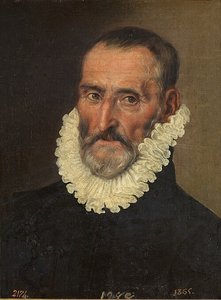
tristán de escamilla, luis
1585 - 1624 , Spain
Основные сведения
- Artistic Movement Or Style: Mannerism, Caravaggisti influence
- Artists Or Movements Influenced By This Artist: Pedro de Camprobín
- Artists Who Influenced This Artist: El Greco
- Date Of Birth: 1585
- Date Of Death: 1624
- Full Name: Luis Tristán de Escamilla
- Nationality: Spanish
- Notable Artworks:
- Saint Louis Distributing Alms
- The Round of Bread and Eggs
- Martyrdom of St. Andrew
- Life of Jesus scenes
- Place Of Birth: Toledo, Spain