

 Предпросмотр
 Поделиться
 Поделиться
 Детали произведения

 Скачать
 Похожие работы
 Рентгенография
 Слайд-шоу
 Статистика
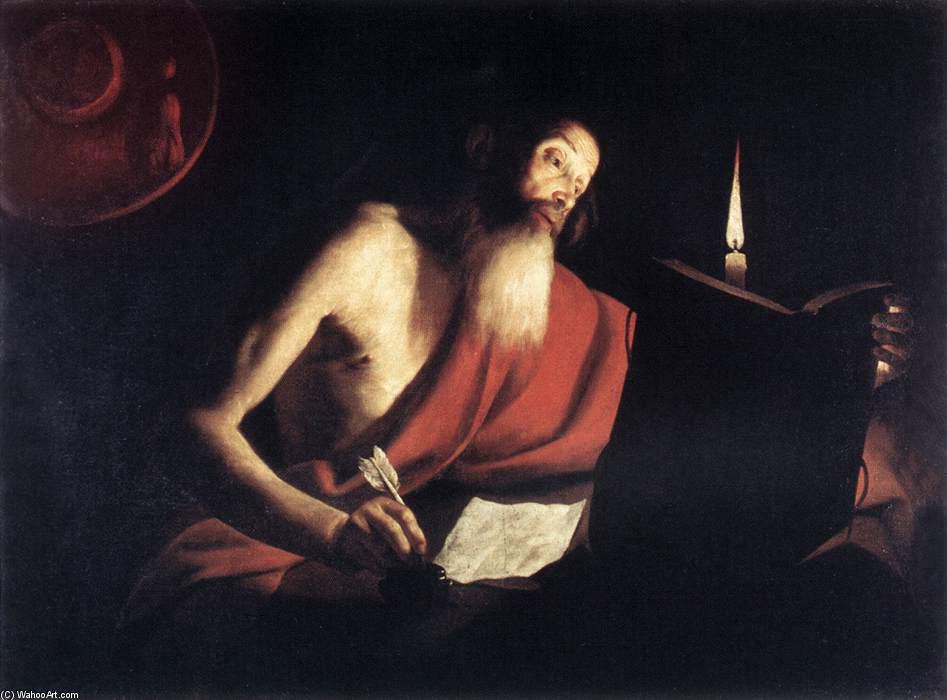
St Jerome
 Oil
Oil- WallArt
- Baroque
 1630
1630- Early Modern
 105.0 x 138.0 cm
 Галерея Национа́льная д’Арте Анта́йка
 Читать далее
Приобретите цифровое изображение высокого разрешения в улучшенном качестве, которое значительно превосходит онлайн-превью.
Каждый файл тщательно подготавливается нашими специалистами с использованием передовых инструментов и экспертной ручной ретуши. Мы гарантируем исключительную четкость, точную цветопередачу и детальную проработку каждого изображения.
Финальный файл доставляется по электронной почте в течение 72 часов и оптимизирован для немедленного использования в профессиональной среде, при верстке и печати. Это тот же уровень качества, которому доверяют ведущие дизайнерские студии, издательства и галереи.
Цифровое изображение
Скачайте файл высокого разрешения для личного использования, печати и творческих проектов. ( Перейти к печати Купить картину ручной работы)
Включено в каждый заказ цифровых изображений
Гарантия экспертной цифровой доставки
Выбирая ArtsDot.com, вы получаете не просто изображение — вы приобретаете профессионально обработанное цифровое произведение искусства, созданное с безупречной точностью и под защитой гарантии качества. Вот всё, что автоматически входит в ваш заказ:

Мгновенная доставка по e-mail
Ваш цифровой файл в высоком разрешении будет отправлен вам по электронной почте в течение 72 часов после оформления заказа — и сразу станет доступен для использования.

Цифровой файл с ИИ-улучшением
Ваше произведение искусства проходит профессиональную оптимизацию с использованием передовых инструментов ИИ и ручной обработки, что гарантирует максимальную детализацию, четкость и точность цветопередачи.

Бессрочная бесплатная повторная доставка
Случайно удалили или потеряли файл? Не беспокойтесь — мы отправим его вам повторно в любое время и совершенно бесплатно.

Без импортных пошлин — навсегда
Наслаждайтесь вашим произведением искусства мгновенно без таможенных пошлин, сборов или затрат на доставку — цифровые загрузки всегда не облагаются налогом.

Гарантия точности цветопередачи
Мы гарантируем, что ваше цифровое изображение максимально точно передает оригинальные цвета благодаря использованию профессиональных инструментов и систем управления цветом.

Гарантия удовлетворенности 100 дней
Если вы не будете удовлетворены своим цифровым изображением, мы внесем правки или вернем 100% стоимости в течение 100 дней — без лишних вопросов.

100% Гарантия возврата средств
Не удовлетворены покупкой? Получите полный возврат средств в течение 100 дней после получения цифрового файла — без лишних вопросов.

Скидки на оптовые заказы
Купите 3 изображения, сэкономьте 10% — Купите 5, сэкономьте 15% — Купите 10+, сэкономьте 20%. Отличное решение для творческих проектов, галерей и агентств.
A Study in Serenity: Exploring Trophîme Bigot’s St Jerome
The painting “St Jerome” by Trophîme Bigot stands as a poignant emblem of Renaissance piety and intellectual contemplation, capturing a moment frozen in time within the confines of a richly appointed study. Executed in 1630 during the height of Mannerism—a stylistic movement characterized by elongated figures, stylized drapery, and dramatic contrasts of light and shadow—the artwork transcends mere representation to convey a profound sense of spiritual introspection. Its current residence at the Galleria Nazionale d’Arte Antica in Rome underscores its enduring significance within Italian artistic heritage.Style and Technique: Mannerist Drama
Bigot's masterful application of technique exemplifies the core tenets of Mannerism. Unlike the idealized realism prevalent in earlier Renaissance art, this piece prioritizes expressive distortion rather than accurate depiction. The artist employs chiaroscuro—the skillful manipulation of light and dark—to sculpt St Jerome’s form against a muted backdrop, creating an illusionistic depth that draws the viewer into the scene. Notice how the folds of Jerome's robe ripple with movement, conveying not just physical texture but also emotional turmoil – a subtle indication of his inner struggle as he wrestles with faith and solitude. The artist’s meticulous attention to detail—particularly in rendering St Jerome’s face—reveals an uncanny ability to capture psychological nuance.Historical Context: Rome Under Cardinal Barberini
The painting's creation coincided with the reign of Cardinal Barberini, Pope Urban VIII, a staunch supporter of the Catholic Counter-Reformation. This period witnessed a fervent desire for artistic works that reaffirmed religious dogma and instilled moral virtue. “St Jerome” reflects this cultural climate perfectly; it’s not simply a portrait but an embodiment of spiritual devotion—a visual meditation on asceticism and prayer. The Galleria Nazionale d'Arte Antica, established during Barberini’s papacy, serves as a testament to the importance placed upon preserving artistic treasures that championed religious ideals.Symbolism: Light and Darkness – Inner Reflection
Beyond its stylistic brilliance lies a rich tapestry of symbolism. The dominant use of dark hues—particularly browns and blacks—represents the earthly realm and symbolizes Jerome’s isolation from worldly pleasures. Conversely, the luminous illumination emanating from St Jerome's book serves as a beacon of divine grace, illuminating his mind and guiding him toward spiritual enlightenment. The quill pen held aloft signifies intellectual pursuit – Jerome’s unwavering commitment to scholarship is mirrored in the artist’s depiction. Furthermore, the solitary pose reinforces the theme of introspection, prompting contemplation on themes of faith, repentance, and divine communion.Emotional Impact: A Moment Preserved
“St Jerome” resonates deeply with viewers due to its ability to evoke a palpable sense of serenity mingled with melancholy. The painting's subdued palette and masterful composition invite contemplation—encouraging us to consider the complexities of human experience and the enduring power of faith. It’s a work that speaks volumes about the Renaissance preoccupation with moral virtue and spiritual aspiration, securing its place as an unforgettable masterpiece of Mannerist art. Its presence within the Galleria Nazionale d'Arte Antica ensures that this evocative image continues to inspire generations of art enthusiasts.Похожие произведения
Биография художника
The Master of Shadows: The Life and Legacy of Trophîme Bigot
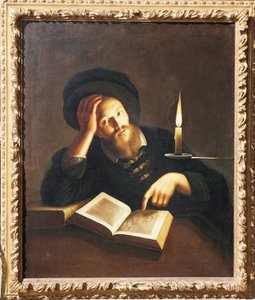
In the flickering, amber-hued depths of the seventeenth century, few artists possessed the ability to command the darkness as masterfully as Trophîme Bigot. Born in Arles, France, around 1579, Bigot emerged as a pivotal figure within the Baroque movement, carving out a niche that would earn him the evocative title of a "Candlelight Master." His life and work represent a profound intersection of French sensibility and the dramatic, theatrical innovations flowing from Italy. To gaze upon a Bigot canvas is to enter a world where light does not merely illuminate, but rather struggles against an encroaching, velvety gloom, creating a sense of intimacy and spiritual weight that remains unparalleled.
The trajectory of Bigot’s career was shaped by his movement between the cultural hubs of Rome and Provence. This dual existence allowed him to absorb the grand, sweeping traditions of the Italian Baroque while maintaining a connection to the more somber, contemplative atmosphere of his French roots. It was in this crucible of influences that he refined his signature technique: chiaroscuro. By utilizing a single, often unseen light source—such as a guttering candle or a hidden flame—he could sculpt figures out of the void, lending them a tactile, three-dimensional presence. This mastery of light and shadow allowed him to transform simple religious subjects into profound psychological studies, where every crease in a robe or furrow in a brow tells a story of devotion or internal struggle.
A Vision of Devotion and Drama
Bigot’s oeuvre is characterized by an extraordinary ability to evoke the sacred through the mundane. His religious altarpieces are not merely depictions of saints, but immersive experiences of faith. In works such as his St. Jerome, one can witness the intense scholarly focus and spiritual fervor of the hermit, rendered with a meticulous attention to detail that brings the textures of parchment and stone to life. The dramatic contrast between the brilliant highlights on the saint's skin and the impenetrable shadows surrounding him serves to isolate the subject in a moment of eternal contemplation, pulling the viewer into his private sanctuary of prayer.
Beyond his religious commissions, Bigot’s contribution to the development of the Baroque style lies in his ability to manipulate atmosphere. His compositions often rely on a sense of quiet tension, where the stillness of the scene is charged with an unseen energy. This approach heavily influenced later masters of the genre, most notably Georges de La Tour, who would further refine the "candlelight" aesthetic. The historical significance of Bigot’s work resides in this bridge he built between the late Mannerist traditions and the high drama of the Baroque, proving that the most profound truths are often found in the softest glow amidst the deepest dark.
The enduring fascination with Trophîme Bigot continues through his remarkable ability to capture the ephemeral. His legacy is defined by:
- Technical Mastery: The sophisticated use of chiaroscuro to create depth and emotional resonance.
- Spiritual Intimacy: A unique talent for rendering religious figures with a human, relatable vulnerability.
- Atmospheric Innovation: The creation of "candlelight" scenes that redefined the boundaries of light and shadow in European art.
- Cultural Synthesis: The seamless blending of Italian dramatic flair with French stylistic restraint.
trophîme bigot
1579 - 1650 , France
Основные сведения
- Artistic Movement Or Style: Mannerism, Expressionism
- Artists Or Movements Influenced By This Artist:
- Picasso
- Cézanne
- Artists Who Influenced This Artist:
- Titian
- Michelangelo
- Date Of Birth: October 1, 1541
- Date Of Death: April 7, 1614
- Full Name: Domenikos Theotokopoulos
- Nationality: Greek, Spanish, Italian
- Notable Artworks:
- The Disrobing of Christ
- Assumption of Virgin
- Burial Count Orgaz
- View of Toledo
- Place Of Birth: Candia (Crete)