

 Предпросмотр
 Поделиться
 Поделиться
 Детали произведения

 Скачать
 Похожие работы
 Рентгенография
 Слайд-шоу
 Статистика
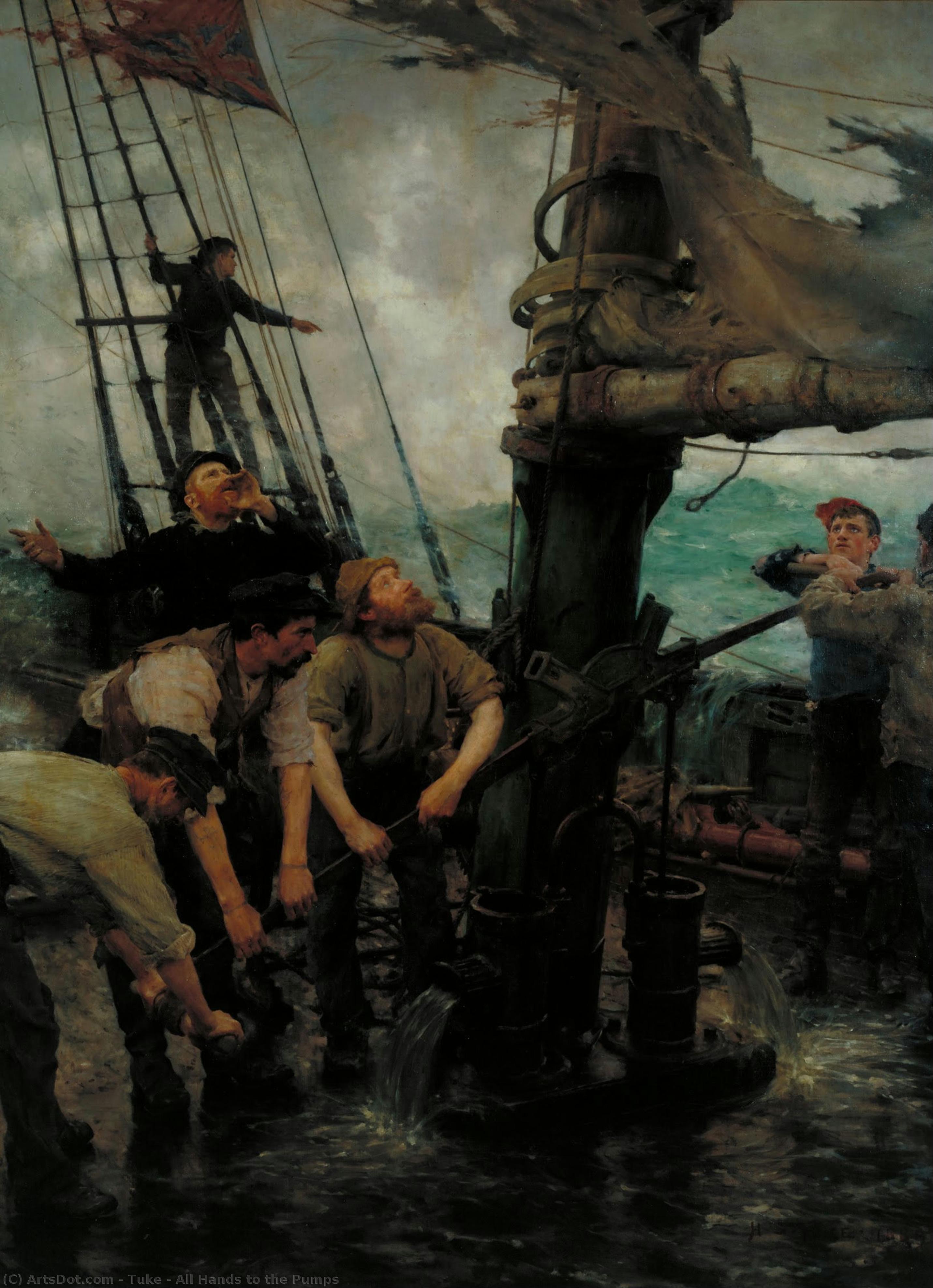
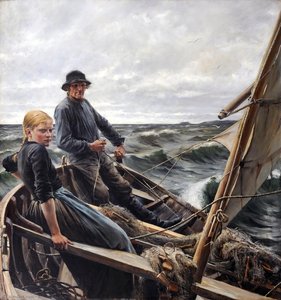
All Hands to the Pumps
 1888
1888 139.0 x 185.0 cm
 Тейт Брититен
 Читать далее
Жикле / Арт-принт
Печать (жикле) или холст музейного качества с быстрыми сроками изготовления и широким выбором вариантов отделки. ( Купить картину ручной работы Перейти к цифровым изображениям)




































Выберите один из наших стандартных размеров, соответствующих оригинальным пропорциям произведения искусства.

Вы можете указать свои собственные размеры, чтобы репродукция идеально подошла под конкретную раму или пространство. Если выбранный вами размер не будет соответствовать пропорциям оригинала, мы либо обрежем произведение, либо дополним изображение зеркальным отражением краев или однотонной заливкой. Перед началом производства вам будет отправлен цифровой макет для утверждения.
Пожалуйста, обратите внимание, что предварительный просмотр на экране не отображает фактическую обрезку или расширение изображения. Только макет точно покажет финальную композицию.
Несмотря на возможность заказа индивидуальных размеров, мы рекомендуем выбирать размер из предопределенного списка, чтобы сохранить оригинальные пропорции.
Доставка по всему миру () за 2 недели вместо стандартных 4/5 недель. (13 Сентябрь)

Бесплатная экспресс-доставка по всему миру

Высококачественный льняной холст

Полное страхование доставки

Гарантия возмещения таможенных пошлин

Гарантия точного соответствия цветов

100-дневная политика возврата (только при обнаружении дефектов)

Гарантия возврата 100% средств

Предложение оптовых скидок
 Вариант со стеклом доступен только для размеров менее 110 см

All Hands to the Pumps
Жикле / Арт-принт
Размер репродукции
-


Итоговая стоимость
$ 62
Похожие произведения






Биография художника
A Legacy of Bold Landscapes and Impressionistic Realism
Tu Ke (1916-2012) stands as a towering figure in Chinese modern art, recognized for a distinctive approach to landscape painting that captured the very spirit of the natural world through vibrant colors and masterful execution. Born in Rong'an, Guangxi Province, during a period of significant artistic ferment in China, Tu Ke’s career spanned many decades, leaving behind an impressive body of work celebrated for its emotive power and technical brilliance. His journey was one deeply intertwined with the historical tides of his nation, as he navigated the complexities of the 20th century while refining a style that would eventually earn him a place among the masters of oil painting.
The foundations of his artistry were laid during his formative years at the National Hangzhou Art School, where he graduated in 1937. It was here that he began to absorb the influences of the burgeoning Chinese Art Movement, shaped by luminaries such as Xu Beihong and Li Buyun. These pioneers championed a brand of realism infused with expressive brushstrokes, a philosophy that would become a cornerstone of Tu Ke’s own aesthetic. His early life was marked by the turbulence of war; joining the New Fourth Army in 1938, he served as the deputy head of the Drawing Group of the Battlefield Services Corps. This period of service was not merely a historical footnote but a formative experience that saw him engaged in editorial work for various journals, such as the Central Jiangsu Illustrated and the Shandong Illustrated, honing his ability to communicate powerful narratives through visual media.
The Mastery of Light, Color, and Texture
Tu Ke’s artistic signature resided in his masterful manipulation of oil on canvas, a medium he skillfully employed to achieve remarkable textural depth and luminosity. Unlike many of his contemporaries who favored muted or somber palettes, Tu Ke embraced bold, commanding hues—particularly reds, yellows, and blues—to convey emotion and dynamism within his landscapes. His compositions were deliberately striking, prioritizing visual impact alongside a meticulous observation of natural forms. He did not merely seek to depict scenery; he sought to embody its vitality and grandeur.
<- Impressionistic Realism: His technique often leaned into the realm of Impressionistic Realism, where loose, expressive brushstrokes blended seamlessly to create an atmospheric illusion that transported viewers into the heart of the environment.
- Impasto Texture: He frequently utilized an impasto-like texture, adding a physical dimension to his work that allowed light to play across the surface of the canvas, breathing life into clouds, water, and foliage.
- Symbolic Grandeur: His works often captured moments of immense historical gravity, using scale and composition to evoke feelings of awe and ceremony.
One of his most enduring achievements can be seen in monumental works such as Welcome the Soviet Union. In this piece, the viewer is transported to a moment of profound historical significance, witnessing a naval fleet approaching a shoreline adorned with vibrant red banners. Through the use of heavy, overcast skies and diffused light, Tu Ke captures a choreographed spectacle of arrival, where the imposing silhouette of a battleship and the rhythmic mass of a gathered crowd create a sense of epic scale that commands the attention of any space.
Historical Significance and Enduring Influence
As his career progressed, Tu Ke became deeply embedded in the institutional fabric of Chinese art. Following his service in the war years, he held various influential positions within the Shanghai Municipal Cultural Bureau and the Shanghai Art School. His involvement with the Chinese Artists Association from 1963 onward solidified his role as a leader in the community. His works have been preserved in prestigious collections, including the China Art Gallery and the Museum of the Chinese People's Revolutionary Army, ensuring that his vision of a changing era remains accessible to future generations.
The historical significance of Tu Ke lies in his ability to bridge the gap between traditional Chinese sensibilities and Western oil painting techniques. By integrating the monumentalism of modern history with the delicate atmospheric qualities of Impressionism, he created a visual language that was uniquely his own. Even as he retired in 1988, his legacy remained etched in the bold strokes and luminous landscapes that continue to resonate with collectors and art historians alike, standing as a testament to a life dedicated to capturing the enduring spirit of nature and humanity.
tu ke overview
1916 - 2012 , China
Основные сведения
- Artistic Movement Or Style: Modern & Contemporary Painting
- Artists Who Influenced This Artist:
- Xu Beihong
- Li Buyun
- Date Of Birth: 1916
- Date Of Death: 2012
- Full Name: Tu Ke
- Nationality: Chinese
- Notable Artworks:
- Welcome the Soviet Union
- Landscape by the river
- Place Of Birth: China