

 Предпросмотр
 Поделиться
 Поделиться
 Детали произведения

 Скачать
 Похожие работы
 Рентгенография
 Слайд-шоу
 Статистика
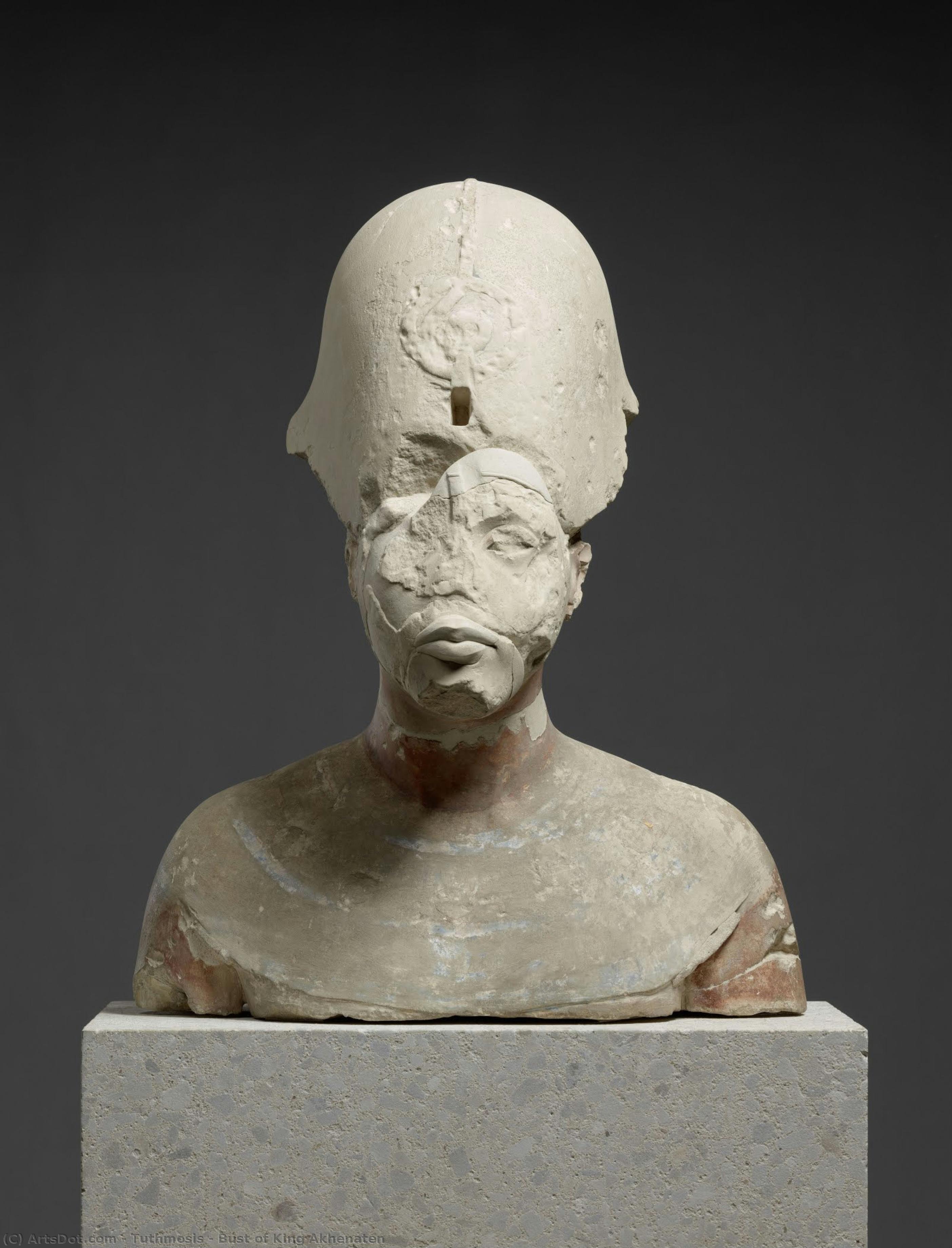
Bust of King Akhenaten


 Читать далее
Приобретите цифровое изображение высокого разрешения в улучшенном качестве, которое значительно превосходит онлайн-превью.
Каждый файл тщательно подготавливается нашими специалистами с использованием передовых инструментов и экспертной ручной ретуши. Мы гарантируем исключительную четкость, точную цветопередачу и детальную проработку каждого изображения.
Финальный файл доставляется по электронной почте в течение 72 часов и оптимизирован для немедленного использования в профессиональной среде, при верстке и печати. Это тот же уровень качества, которому доверяют ведущие дизайнерские студии, издательства и галереи.
Цифровое изображение
Скачайте файл высокого разрешения для личного использования, печати и творческих проектов. ( Перейти к печати Купить картину ручной работы)
Включено в каждый заказ цифровых изображений
Гарантия экспертной цифровой доставки
Выбирая ArtsDot.com, вы получаете не просто изображение — вы приобретаете профессионально обработанное цифровое произведение искусства, созданное с безупречной точностью и под защитой гарантии качества. Вот всё, что автоматически входит в ваш заказ:

Мгновенная доставка по e-mail
Ваш цифровой файл в высоком разрешении будет отправлен вам по электронной почте в течение 72 часов после оформления заказа — и сразу станет доступен для использования.

Цифровой файл с ИИ-улучшением
Ваше произведение искусства проходит профессиональную оптимизацию с использованием передовых инструментов ИИ и ручной обработки, что гарантирует максимальную детализацию, четкость и точность цветопередачи.

Бессрочная бесплатная повторная доставка
Случайно удалили или потеряли файл? Не беспокойтесь — мы отправим его вам повторно в любое время и совершенно бесплатно.

Без импортных пошлин — навсегда
Наслаждайтесь вашим произведением искусства мгновенно без таможенных пошлин, сборов или затрат на доставку — цифровые загрузки всегда не облагаются налогом.

Гарантия точности цветопередачи
Мы гарантируем, что ваше цифровое изображение максимально точно передает оригинальные цвета благодаря использованию профессиональных инструментов и систем управления цветом.

Гарантия удовлетворенности 100 дней
Если вы не будете удовлетворены своим цифровым изображением, мы внесем правки или вернем 100% стоимости в течение 100 дней — без лишних вопросов.

100% Гарантия возврата средств
Не удовлетворены покупкой? Получите полный возврат средств в течение 100 дней после получения цифрового файла — без лишних вопросов.

Скидки на оптовые заказы
Купите 3 изображения, сэкономьте 10% — Купите 5, сэкономьте 15% — Купите 10+, сэкономьте 20%. Отличное решение для творческих проектов, галерей и агентств.
Похожие произведения






Биография художника
The Enduring Majesty of Tuthmosis: Sculptor of the Amarna Age
Tuthmosis, a name synonymous with the golden age of ancient Egypt, was born in Amarna around 1340 BC – a pivotal period marked by radical artistic and religious upheaval. More than just an artist, he stands as a key figure in capturing the essence of the reign of Akhenaten, a pharaoh who dared to challenge centuries of tradition and usher in a new era centered on the worship of the sun god Aten. His legacy is inextricably linked with the iconic image of Queen Nefertiti, a sculpture that continues to captivate audiences worldwide and serves as a testament to his unparalleled skill and artistic vision.A Sculptor Forged in Revolution
Tuthmosis’s life unfolded during a time of dramatic transformation within Egypt's political and religious landscape. Akhenaten, abandoning the established pantheon of Egyptian gods, moved the capital from Thebes to Amarna – a newly constructed city dedicated solely to Aten. This shift profoundly impacted art, leading to a departure from the rigid conventions of previous dynasties. Sculptures became more naturalistic, figures were depicted with softer features and flowing lines, and an emphasis was placed on portraying emotion and intimacy. Tuthmosis, deeply immersed in this revolutionary artistic climate, quickly rose to prominence as one of Akhenaten’s most trusted sculptors. His work reflects not only the pharaoh's innovative vision but also a burgeoning sense of realism previously unseen in Egyptian art.The Nefertiti Bust: A Masterpiece of Form and Symbolism
Perhaps Tuthmosis’s most celebrated achievement is undoubtedly the magnificent Bust of Queen Nefertiti, completed around 1340 BC. This limestone sculpture, housed within the Neues Museum in Berlin, is a breathtaking example of Amarna art at its finest. The bust's elongated neck, delicately arched eyebrows, and serene expression have become instantly recognizable symbols of ancient Egypt. Beyond its aesthetic beauty, however, the Nefertiti Bust carries profound symbolic weight. It represents Nefertiti herself – Akhenaten’s Great Royal Wife – as a divine figure embodying the power and grace of Aten. The sculpture's smooth surfaces and subtle details suggest an unprecedented level of intimacy and understanding of the human form, reflecting the artistic ideals championed by Tuthmosis and his contemporaries.Technique and Materials: Echoes of Amarna
Tuthmosis’s mastery lay not only in capturing likeness but also in skillfully manipulating stone. He primarily worked with fine-grained limestone, a material readily available in the quarries surrounding Amarna. His technique involved meticulous carving, utilizing sharp chisels and abrasives to achieve astonishing detail. The surfaces of his sculptures were often polished to a luminous sheen, enhancing their visual impact. The use of *sgraffito*, a technique involving scratching designs into the surface of the stone with pointed tools, allowed for intricate detailing and patterns – a hallmark of Amarna art. Furthermore, Tuthmosis’s understanding of light and shadow contributed significantly to the three-dimensionality of his sculptures, creating a sense of depth and realism that was revolutionary for its time.Legacy and Historical Significance
Though Tuthmosis died around 1300 BC, his influence on Egyptian art endures. The Amarna period, largely due to the work of artists like Tuthmosis, marked a significant departure from traditional artistic conventions, paving the way for subsequent developments in sculpture and portraiture. While Akhenaten’s reforms were ultimately short-lived after his death, the artistic innovations he fostered continued to resonate throughout Egyptian history. The Nefertiti Bust, in particular, remains one of the most recognizable and beloved works of ancient art, a powerful symbol of beauty, power, and the enduring legacy of Tuthmosis – a sculptor who captured the spirit of a revolutionary age.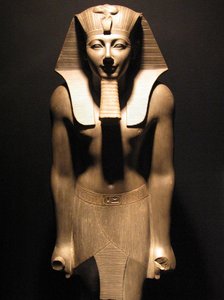
tuthmosis
1340 - 1300 , Egypt
Основные сведения
- Artistic Movement Or Style: Amarna art style
- Date Of Birth: 1340
- Date Of Death: 1300
- Full Name: tuthmosis
- Nationality: Egyptian
- Notable Artworks:
- Bust of Queen Nefertiti
- King Akhenaten sculpture
- Place Of Birth: Amarna, Egypt