

 Предпросмотр
 Поделиться
 Поделиться
 Детали произведения

 Скачать
 Похожие работы
 Рентгенография
 Слайд-шоу
 Статистика
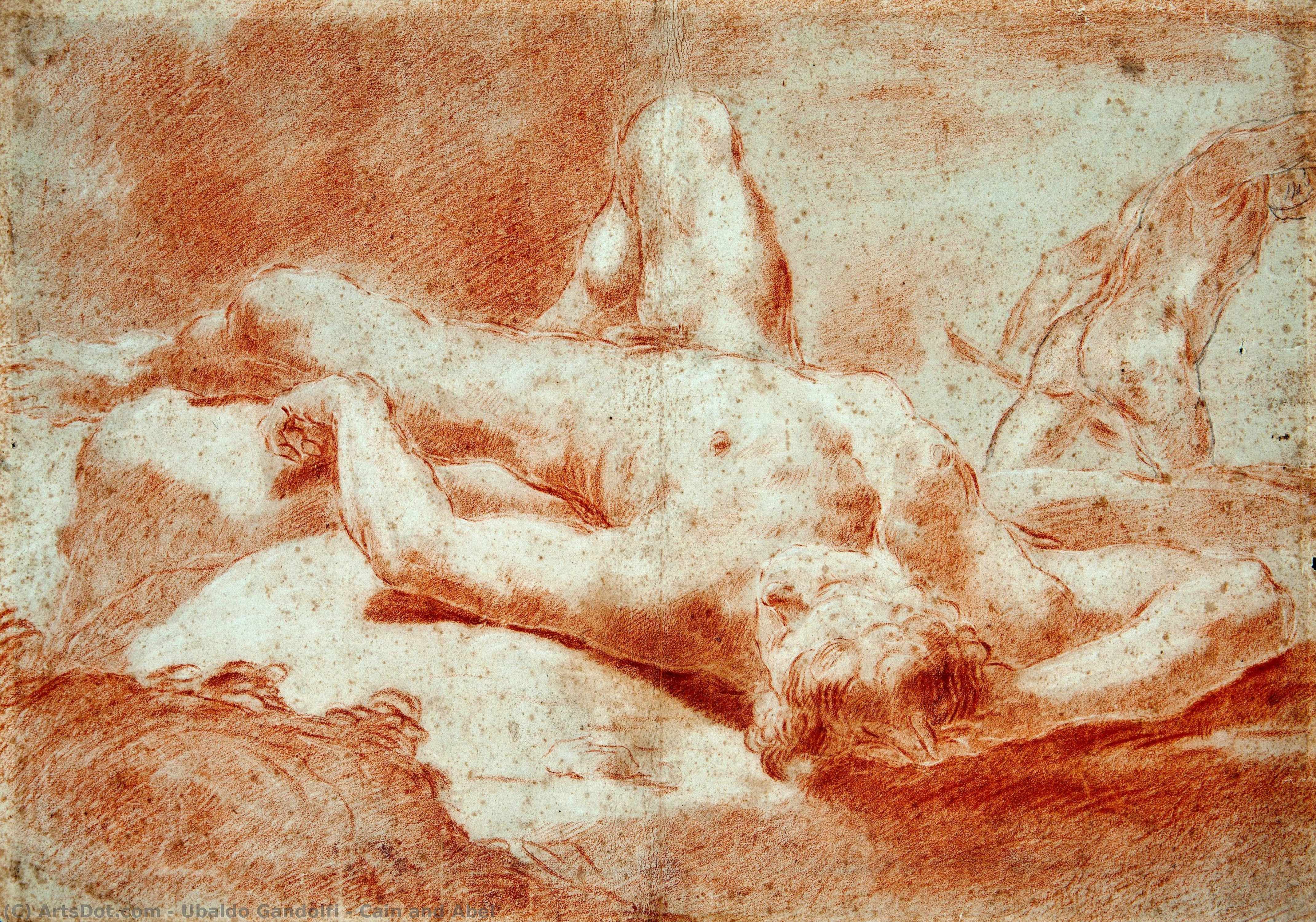
Cain and Abel
 Drawing
- WallArt
- Baroque
 Early Modern
 42.0 x 30.0 cm
 Civic Museums of Reggio Emilia
 Читать далее
Масляная репродукция ручной работы
Картина маслом на холсте в выбранном вами размере и раме, написанная на заказ нашими художниками. ( Перейти к печати Перейти к цифровым изображениям)




P118B $10

P118H $10

P118W $10

P438Z $10

P508JH $12

P508YH $12

P805H $10

P805Z $10

P919BZ $10

P919G $10

P919XJ $10

P959ZH $10

P968JZ $12

W106C $8

W218G $10

W218JH $8

W218Y $10

W307PJ $10

W316G $10

W316PJ $8

W316Y $10

W398PJ $8

W4111J $10

W500HY $15

W500JH $15

W692G $12

W849H $8

W940BG $15

W953PJ $8




Выберите один из наших стандартных размеров, соответствующих оригинальным пропорциям произведения искусства.

Вы можете указать собственные размеры, чтобы картина идеально вписалась в выбранную раму или пространство. Если выбранный вами размер не соответствует пропорциям оригинала, мы либо обрежем полотно, либо расширим его за счет дополнительных элементов, написанных вручную. Цифровой макет будет отправлен вам на утверждение перед началом производства.
Обратите внимание, что предварительный просмотр на экране не отражает фактическую обрезку или расширение. Только макет точно покажет окончательную композицию.
Хотя доступны индивидуальные размеры, мы рекомендуем выбирать вариант из предопределенного списка, чтобы сохранить исходные пропорции.
После оформления заказа команда ArtsDot.com свяжется с клиентом по электронной почте для уточнения деталей и предоставит предварительный макет
Доставка по всему миру () за 3–4 недели вместо стандартных 5 недель. (12 Сентябрь). Без компромиссов в качестве.

Бесплатная экспресс-доставка по всему миру

Высококачественный льняной холст

Полное страхование доставки

Гарантия возмещения таможенных пошлин

Гарантия точного соответствия цветов

100-дневная политика возврата (только при обнаружении дефектов)

Гарантия возврата 100% средств

Предложение оптовых скидок
 Вариант со стеклом доступен только для размеров менее 110 см

Cain and Abel
Техника репродукции
Размер репродукции
-


Итоговая стоимость
$ 263
A Study in Shadow and Sin: The Raw Emotion of Ubaldo Gandolfi
In the profound depths of 18th-century Bolognese mastery, few works capture the visceral tension of human conflict as poignantly as Ubaldo Gandolfi’s Cain and Abel. This evocative piece serves as a window into the soul of the late Baroque period, where the boundaries between anatomical precision and dramatic storytelling blur into a singular, breathtaking experience. The artwork presents a scene of profound biblical tragedy, focusing not merely on the narrative of the first murder, but on the raw, physical reality of the human form in moments of extreme duress. Through a masterful command of light and shadow, Gandolfi invites the viewer to witness the heavy, intertwined bodies of two men, where the line between a passionate embrace and a fatal struggle becomes hauntingly indistinguishable.
The technique employed here is a testament to Gandolfi’s status as a titan of the Accademia Clementina. His ability to manipulate chiaroscuro—the dramatic interplay of light and dark—creates a sculptural quality that breathes life into the flesh. Every muscle, every curve of the anatomy, and every subtle shift in weight is rendered with an academic rigor that speaks to his deep study of the human nude. The composition is dense and layered; while the central figures command our immediate attention through their physical entanglement, smaller, spectral figures emerge from the periphery, adding a sense of cosmic scale and surrounding chaos to the intimate tragedy unfolding on the ground.
Historical Resonance and Artistic Legacy
To understand this work is to understand the lineage of the Bolognese school. Gandolfi was not merely a painter but a custodian of a grand tradition that stretched back to the Carracci family. His education under luminaries such as Ercole Graziani the Younger instilled in him a reverence for anatomical accuracy, yet his spirit was undeniably shaped by the burgeoning Neoclassical movement, which sought a more structured and balanced approach to composition. In Cain and Abel, we see this duality: the dramatic, almost theatrical energy of the Baroque clashing with a disciplined, precise execution of form.
The subject matter itself—the biblical fratricide—was a recurring motif in the 17th and 18th centuries, used by artists to explore themes of jealousy, mortality, and divine justice. Gandolfi’s interpretation is particularly striking because it strips away much of the ornamental distraction found in larger altarpieces, focusing instead on the physicality of the characters. This focus on the "flesh and bone" of the story makes the piece feel remarkably modern, as if the ancient tragedy is happening in real-time before our very eyes.
A Timeless Addition for Discerning Collectors
For the art collector or interior designer, a reproduction of this caliber offers more than just visual beauty; it provides a focal point of profound intellectual and emotional depth. The muted tones and dramatic lighting of Gandolfi’s work make it an exquisite addition to sophisticated spaces, particularly those that favor classical elegance or moody, contemporary minimalism. The piece functions as a conversation starter, drawing the eye into its complex layers of shadow and inviting contemplation on the complexities of human nature.
Whether placed in a private study, a grand gallery, or a curated living space, this work brings with it the weight of history and the prestige of the Italian masters. It is an investment in atmosphere—a way to infuse a room with the dramatic tension and academic excellence that defined one of Italy's most significant artistic eras. Owning such a piece is an opportunity to preserve the legacy of Ubaldo Gandolfi, ensuring that his masterful study of light, shadow, and human struggle continues to inspire generations to come.
Похожие произведения
Биография художника
The Bolognese Titan: The Life and Legacy of Ubaldo Gandolfi
In the vibrant, sun-drenched landscape of eighteenth-century Italy, few names resonate with the same blend of dramatic intensity and refined grace as Ubaldo Gandolfi. Born in 1728 in San Matteo della Decima, Gandolfi was not merely an individual talent but a central pillar of a formidable artistic dynasty. His very existence was woven into the fabric of the Bolognese school, a lineage that included his brother Gaetano and his sons Giovanni Battista and Ubaldo Lorenzo. This familial devotion to the arts created a fertile environment where the grandeur of the past could meet the burgeoning elegance of the future, positioning Gandolfi as a pivotal bridge between the emotive exuberance of the Baroque and the disciplined clarity of Neoclassicism.
Gandolfi’s formal journey began in 1745 when he entered the prestigious Clementine Academy in Bologna. It was within these hallowed halls that his technical prowess was forged under the watchful eyes of masters such as Ercole Graziani the Younger, Feliente Torelli, and Ercole Lelli. His early years were marked by a rigorous pursuit of anatomical precision and compositional harmony, earning him accolades for figure drawing that signaled the arrival of a true master. While much of his early training was rooted in the local traditions of Bologna, his spirit was restless and expansive. It is believed that during the mid-century, Gandolfi traveled extensively through Italy, visiting legendary centers like Florence and Venice. This period of wandering proved transformative; his 1760 excursion to Venice, alongside his brother, infused his later works with a more vigorous brushwork and an expressive, luminous treatment of color that would become a hallmark of his mature style.
A Mastery of Light, Shadow, and Narrative
The true brilliance of Gandolfi lies in his ability to navigate the shifting aesthetic tides of his era. His oeuvre is a captivating dialogue between two worlds. On one hand, he remained a faithful steward of the Carracci legacy, embracing the dramatic light and shadow—the chiaroscuro—that defined the late-Baroque period. This is nowhere more evident than in his biblical and mythological narratives, such as the harrowing Cain and Abel, where the physical struggle is rendered with a visceral, almost tactile intensity. On the other hand, Gandolfi possessed the sensitivity to embrace the emerging Neoclassical restraint, a quality seen in his exquisite pastel portraits. His Portrait of a Young Boy, now housed in the Louvre, serves as a testament to this elegance, capturing a quiet, thoughtful gaze through soft tones and balanced proportions.
Beyond the grand scale of his frescoes, Gandolfi found profound beauty in the intimate. He was a master of diverse mediums, moving seamlessly between large-scale mural decorations for palaces like the Palazzo Marescalchi and delicate, informal character studies. His ability to breathe life into various subjects allowed him to command respect across different genres:
- Religious Iconography: Works such as The Execution of Saint John the Baptist showcase his ability to evoke divine presence through intense emotion.
- Mythological Grandeur: His commissions for the Marchese Gregorio Casali, including scenes of Perseus and Andromeda, demonstrate his skill in composing epic, symbolic narratives.
- Portraiture: A charming series of small portraits of women and children that capture the fleeting essence of human character with remarkable tenderness.
- Sculpture and Drawing: His technical mastery extended to the physical form through sculpture and highly skilled red chalk studies of the human nude.
An Enduring Artistic Significance
As the eighteenth century progressed, Ubaldo Gandolfi’s influence continued to expand, leaving an indelible mark on the artistic landscape of Europe. His appointment as a professor of life drawing at the Accademia Clementina in 1761 solidified his role not just as a creator, but as a mentor to the next generation of Italian artists. Though much of his monumental fresco work has been lost to time, the surviving canvases and sketches remain powerful windows into a period of immense transition. He captured the tension of an age caught between the theatricality of the old world and the rationalism of the new.
Today, Gandolfi is remembered as a painter of profound versatility. Whether he was depicting the opulence of a Madonna with Child or the somber despair of A Sleeping Legionary, his work remains anchored by an unwavering commitment to truth in form and emotion. His legacy lives on through the enduring power of his imagery, reminding us of a time when art was a grand, sweeping endeavor designed to move the soul and elevate the human experience.
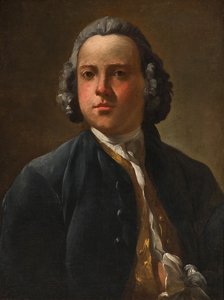
Ubaldo Gandolfi
1728 - 1781 , Italy
Основные сведения
- Artistic Movement Or Style: Baroque & Neoclassical
- Artists Or Movements Influenced By This Artist: ['Bolognese School']
- Artists Who Influenced This Artist: ['Ludovico Carracci']
- Date Of Birth: San Mateo della Decima, Italy (1728)
- Full Name: Ubaldo Gandolfi
- Nationality: Italian
- Notable Artworks:
- Mercury About To Behead Argus
- A Sleeping Legionary
- Madonna With Child, Saint Dominic And Vincenzo Ferreri
- Place Of Birth: San Mateo della Decima
Похожие статьи
Theatricality & Triumph: Baroque Drama in Painting & Sculpture
Explore the dramatic world of Baroque art! Discover its history, defining characteristics, & lasting influence on painting & sculpture. Expert insights into Caravaggio, Zurbarán, and Bernini – plus high-quality reproductions at ArtsDot.

The Dramatic Flourish: Exploring the Baroque Movement's Enduring Legacy in Art History
Explore the dramatic world of Baroque art! Discover iconic artists like Caravaggio & Rubens, defining techniques, and its lasting impact on art history. Expert insights for collectors & enthusiasts at ArtsDot.
Decoding Baroque Grandeur: A Guide to the Drama and Emotion of 17th-Century Art
Explore the breathtaking drama of 17th-century Baroque art. Our expert guide decodes the use of chiaroscuro, emotional intensity, and historical grandeur to help you appreciate and curate timeless masterpieces for your collection.

10 Шедевров Барокко: Искусство, изменившее мир | ArtsDot.com
Погрузитесь в мир барокко! 10 шедевров Караваджо, Рембрандта и других великих художников. Узнайте историю создания культовых картин и найдите идеальную репродукцию для вашего интерьера на ArtsDot.com

Барочная драма: Искусство величия в современном интерьере
Погрузитесь в мир роскоши и величия барокко! Узнайте об истории стиля, ключевых элементах интерьера и архитектуре. Вдохновляйтесь с и создайте свой неповторимый дизайн.