

 Предпросмотр
 Поделиться
 Поделиться
 Детали произведения

 Скачать
 Похожие работы
 Рентгенография
 Слайд-шоу
 Статистика
Hero and Sibyl
 Acrylic On Canvas
- WallArt
- Chiaroscuro Woodcut
 292.0 x 213.0 cm
 Национальная галерея искусств
 Читать далее
Масляная репродукция ручной работы
Картина маслом на холсте в выбранном вами размере и раме, написанная на заказ нашими художниками. ( Перейти к печати Перейти к цифровым изображениям)




P118B $10

P118H $10

P118W $10

P438Z $10

P508JH $12

P508YH $12

P805H $10

P805Z $10

P919BZ $10

P919G $10

P919XJ $10

P959ZH $10

P968JZ $12

W106C $8

W218G $10

W218JH $8

W218Y $10

W307PJ $10

W316G $10

W316PJ $8

W316Y $10

W398PJ $8

W4111J $10

W500HY $15

W500JH $15

W692G $12

W849H $8

W940BG $15

W953PJ $8




Выберите один из наших стандартных размеров, соответствующих оригинальным пропорциям произведения искусства.

Вы можете указать собственные размеры, чтобы картина идеально вписалась в выбранную раму или пространство. Если выбранный вами размер не соответствует пропорциям оригинала, мы либо обрежем полотно, либо расширим его за счет дополнительных элементов, написанных вручную. Цифровой макет будет отправлен вам на утверждение перед началом производства.
Обратите внимание, что предварительный просмотр на экране не отражает фактическую обрезку или расширение. Только макет точно покажет окончательную композицию.
Хотя доступны индивидуальные размеры, мы рекомендуем выбирать вариант из предопределенного списка, чтобы сохранить исходные пропорции.
После оформления заказа команда ArtsDot.com свяжется с клиентом по электронной почте для уточнения деталей и предоставит предварительный макет
Доставка по всему миру () за 3–4 недели вместо стандартных 5 недель. (12 Сентябрь). Без компромиссов в качестве.

Бесплатная экспресс-доставка по всему миру

Высококачественный льняной холст

Полное страхование доставки

Гарантия возмещения таможенных пошлин

Гарантия точного соответствия цветов

100-дневная политика возврата (только при обнаружении дефектов)

Гарантия возврата 100% средств

Предложение оптовых скидок
 Вариант со стеклом доступен только для размеров менее 110 см

Hero and Sibyl
Техника репродукции
Размер репродукции
-


Итоговая стоимость
$ 263
The Enigmatic Dialogue: Unveiling Ugo da Carpi’s “Hero and Sibyl”
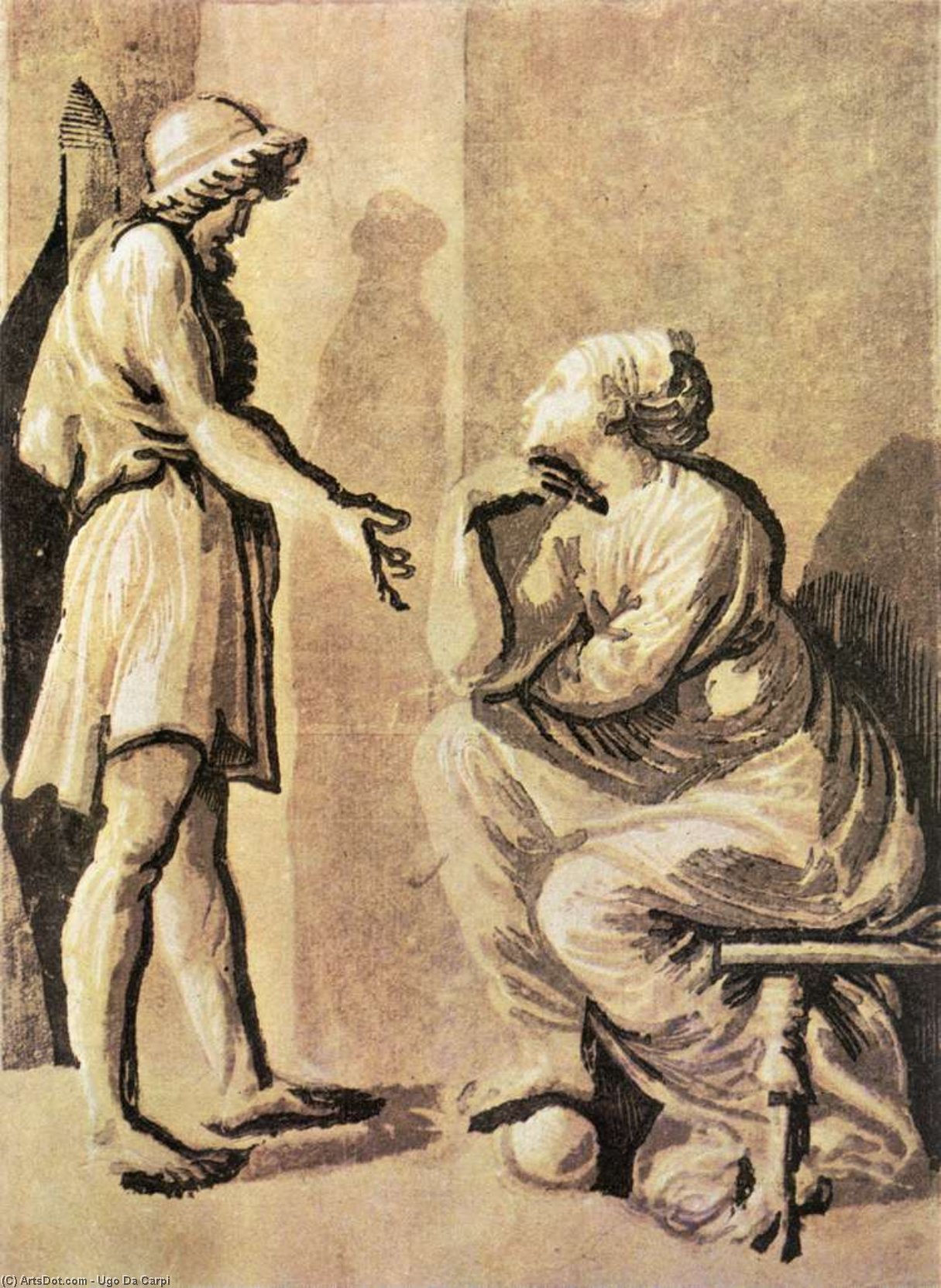
Ugo da Carpi's "Hero and Sibyl," a captivating woodcut executed around 1518, transcends the boundaries of mere illustration. It’s a profound meditation on fate, prophecy, and the timeless struggle between human will and divine knowledge—a cornerstone of Renaissance visual storytelling. The scene unfolds within a meticulously rendered, almost dreamlike interior space, dominated by a towering, classical temple structure that seems to both embrace and contain the figures within. The composition is remarkably balanced, drawing the eye immediately to the central interaction: a heroic figure, likely representing a sage or prophet, engaged in earnest conversation with a veiled woman—the Sibyl—a prophetic voice of antiquity. The muted palette, primarily composed of earthy browns, ochres, and subtle grays, contributes significantly to the work’s somber yet contemplative mood. It's not a scene of joyous revelation but one steeped in weighty consideration, suggesting a journey fraught with uncertainty.
The Art of Chiaroscuro: A Revolutionary Technique
Ugo da Carpi’s genius lies not just in his subject matter but also in his masterful manipulation of the chiaroscuro technique—a revolutionary approach to woodcut printing at the time. Unlike traditional monochrome woodcuts, which relied on a single block for the entire image, Ugo employed multiple blocks, each inked with a different color or tonal value. This allowed him to create subtle gradations of light and shadow, imbuing the scene with remarkable depth and volume. The use of three distinct blocks—one black, one gray, and two in shades of ochre—was particularly innovative, enabling him to simulate the effects of light reflecting off surfaces and casting dramatic shadows. This technique, previously largely unexplored in Italian printmaking, elevated the woodcut from a simple illustration method to a sophisticated medium capable of capturing nuanced emotional states and atmospheric conditions. The careful registration of these blocks – a testament to Ugo’s precision – is crucial to the final effect, creating a sense of realism rarely achieved with earlier methods.
- Black Block: Forms the core structure and outlines of the figures and architecture.
- Gray Block: Adds mid-tones and subtle shading, enhancing depth and volume.
- Ochre Blocks: Introduce warm highlights and create a sense of luminosity, particularly on the temple’s façade.
A Tapestry of Symbolism: Echoes of Antiquity
“Hero and Sibyl” is rich in symbolic resonance, drawing heavily from classical mythology and philosophical thought. The temple itself represents the realm of divine knowledge and prophecy—a space where mortals can seek guidance from the voices of the past. The veiled figure of the Sibyl embodies wisdom concealed behind mystery, offering cryptic pronouncements to those who dare to listen. The hero’s attentive posture suggests a willingness to heed her warnings, while his raised hand hints at a questioning spirit. The scene is reminiscent of ancient oracles and prophetic visions, reflecting the Renaissance fascination with classical learning and the search for universal truths. The composition subtly alludes to the Delphic Oracle, a prominent figure in Greek mythology, further grounding the image within its historical context.
A Legacy of Innovation: Ugo da Carpi’s Enduring Influence
Ugo da Carpi's "Hero and Sibyl" stands as a pivotal work in the history of printmaking. His pioneering use of chiaroscuro not only revolutionized the medium but also inspired generations of artists to explore its expressive potential. His meticulous attention to detail, combined with his profound understanding of symbolism and composition, resulted in an image that continues to captivate viewers centuries later. Reproductions of this work offer a remarkable opportunity to experience the artistry and intellectual depth of a true Renaissance master—a testament to the enduring power of visual storytelling.
Похожие произведения
Биография художника
Ugo da Carpi: A Pioneer of Chiaroscuro Woodcut
- Born: Approximately 1450-1480 in Carpi, Italy
- Died: Between 1523 and 1532 (aged approximately 73-122)
- Known for: Chiaroscuro woodcut technique, reproductive prints after Raphael and Parmigianino
Early Life and Training
- Ugo da Carpi’s exact birthdate remains uncertain, with estimates ranging from the 1450s to the late 1470s. He was one of thirteen children born to Count Astolfo da Panico and Elisabetta da Dallo in Carpi.
- Initially known as Ugo Panico, he adopted the name "Ugo da Carpi" upon leaving his hometown.
- Historical records indicate his family held land in Carpi, suggesting a degree of social standing.
- Evidence suggests he left Carpi for Venice around 1509, though his wife and daughters remained behind.
- Unlike many artists of the period, there is no documented formal artistic training for Ugo da Carpi. He was likely self-taught or possibly apprenticed to local painters in Carpi.
Development of Chiaroscuro Woodcut and Artistic Career
- In 1502, he began working as a blockcutter for Modenese typographers Benedetto Dolcibelli and Niccolo Bissoli.
- By 1503, records indicate he had pupils, suggesting the establishment of a workshop.
- Ugo da Carpi is primarily recognized for his pioneering role in the development of chiaroscuro woodcut within Italy. While not its inventor (the technique was used earlier in Germany and Venice), he significantly contributed to its refinement and popularization.
- In 1516, he sought a patent from the Venetian Senate for his "new manner of printing light and dark," attempting to secure copyright protection for his chiaroscuro prints.
- His move to Rome in 1517 placed him within a vibrant artistic community centered around Raphael. He worked independently, establishing his own workshop and publishing prints.
- He secured a papal copyright from Pope Leo X in 1518 for "The Death of Ananias," demonstrating the growing recognition of his work.
- His reproductive prints after works by Raphael were particularly notable, often employing distinctive color choices that differed from the originals, showcasing his interpretive skills.
Later Years and Legacy
- Following the Sack of Rome in 1527, Ugo da Carpi fled to Bologna.
- He collaborated with other prominent engravers such as Antonio da Trento, Arrighi, and Eustachio Celebrino during his time in Bologna.
- Ugo also produced a writing book, a common instructional manual for handwriting prevalent during the Renaissance.
- His legacy rests primarily on his mastery of the chiaroscuro woodcut technique and his contributions to printmaking. He helped establish this method as an important form of artistic expression in Italy.
- While he focused largely on reproductive prints, his distinctive style and innovative use of color demonstrate a unique artistic vision.
Historical Significance
- Ugo da Carpi’s work played a crucial role in disseminating Renaissance art beyond the confines of elite circles. Prints were more affordable than original paintings or drawings, making them accessible to a wider audience.
- His pioneering use of chiaroscuro woodcut influenced subsequent generations of printmakers and contributed to the development of this technique as a significant artistic medium.
- He stands as an important figure in the history of Italian Renaissance art, bridging the gap between traditional engraving techniques and the innovative possibilities of woodblock printing.
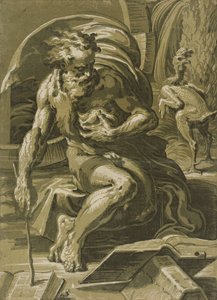
Ugo da Carpi
1470 - 1523 , Italy
Основные сведения
- Artistic Movement Or Style: Chiaroscuro woodcut
- Date Of Birth: c. 1450–1480
- Date Of Death: c. 1523–1532
- Full Name: Ugo da Carpi
- Nationality: Italian
- Notable Artworks:
- Diogenes
- The Death of the Ananias
- Place Of Birth: Carpi, Italy
Похожие статьи
Возрождение гуманизма: 10 шедевров искусства, изменивших мир | ArtsDot
Погрузитесь в эпоху Возрождения! 10 шедевров Леонардо да Винчи, Микеланджело и Рафаэля, отражающих гуманизм. Узнайте историю создания культовых картин и найдите идеальную репродукцию для вашего интерьера на ArtsDot.com
Леонардо да Винчи: Топ-25 шедевров для ценителей искусства и роскошного интерьера
Погрузитесь в мир гения Леонардо да Винчи! 25 шедевров эпохи Возрождения, истории создания картин и техники великого мастера. Репродукции высокого качества для вашего интерьера на ArtsDot.com. Откройте всю коллекцию онлайн!

Топ-25 шедевров Лувра: искусство, история и вдохновение для вашего интерьера
Погрузитесь в мир искусства с 25 шедеврами Лувра! Узнайте истории создания Мона Лизы, Венеры Милосской и других легендарных картин. Вдохновение для интерьера и репродукции музейного качества на ArtsDot.com. Откройте всю коллекцию онлайн!

Charles Martin Hardie: A Pioneer of Colour Woodcut & British Printmaking Revival
Discover Charles Martin Hardie (1858-1916), a pivotal Scottish artist renowned for his evocative portraits and pioneering colour woodcut technique. Explore his life, work, and lasting influence on British printmaking.
Leonardo da Vinci: A Renaissance Master’s Synthesis of Art, Science & Human Observation – Reinterpreted for the Collector
Explore Leonardo da Vinci’s timeless masterpieces with ArtsDot. Discover insights into his art, science, and legacy – trusted expertise for discerning collectors seeking authentic reproductions & investment opportunities.