

 Предпросмотр
 Поделиться
 Поделиться
 Детали произведения

 Скачать
 Похожие работы
 Рентгенография
 Слайд-шоу
 Статистика
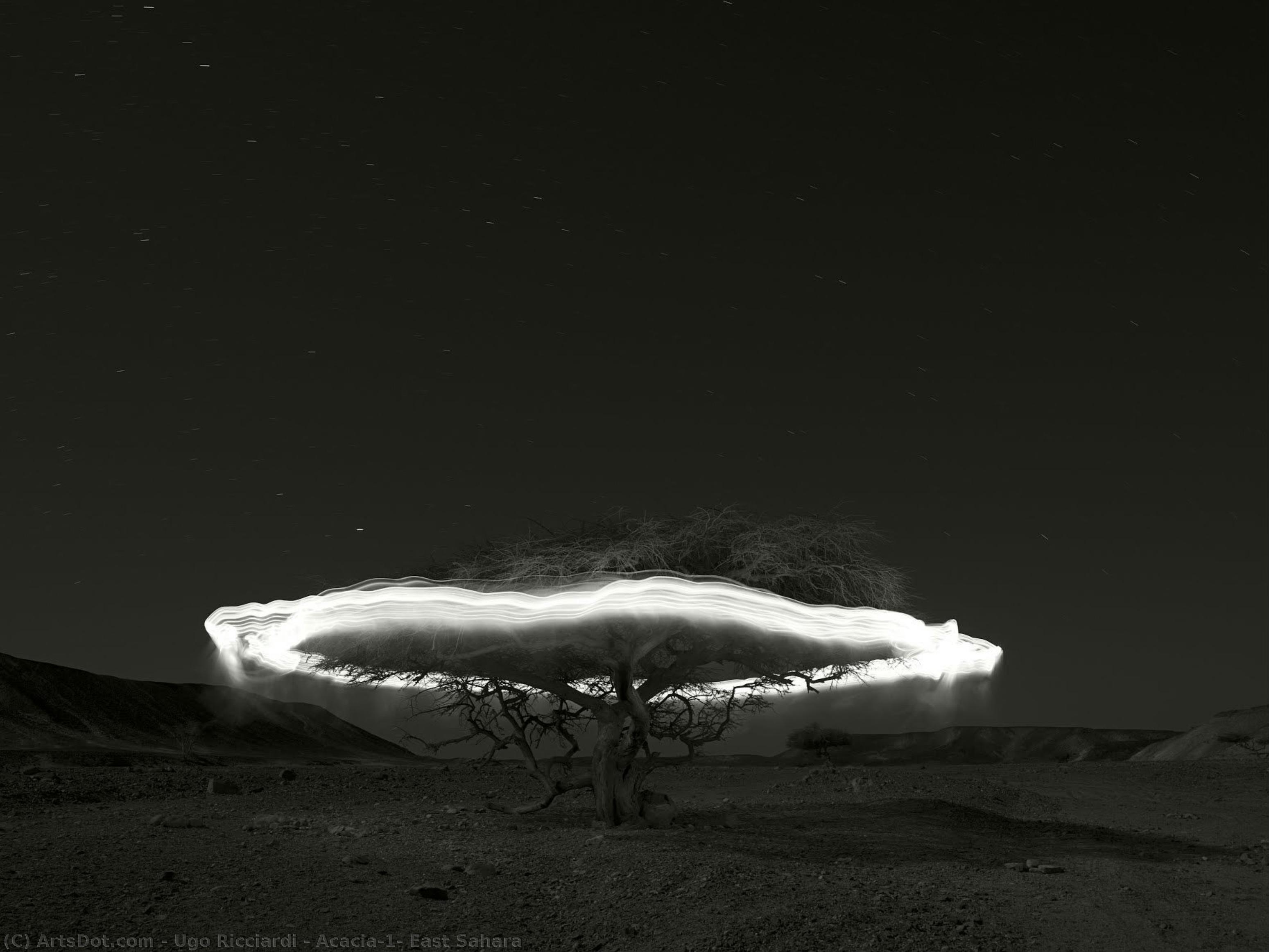
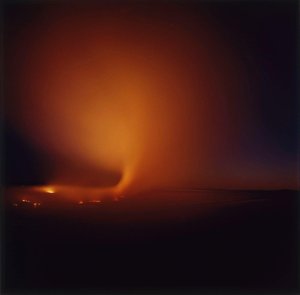
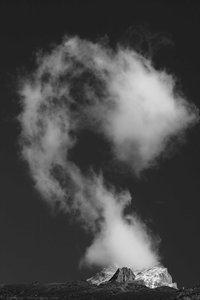
Acacia#1, East Sahara


 Читать далее
Масляная репродукция ручной работы
Картина маслом на холсте в выбранном вами размере и раме, написанная на заказ нашими художниками. ( Перейти к печати Перейти к цифровым изображениям)




































Выберите один из наших стандартных размеров, соответствующих оригинальным пропорциям произведения искусства.

Вы можете указать собственные размеры, чтобы картина идеально вписалась в выбранную раму или пространство. Если выбранный вами размер не соответствует пропорциям оригинала, мы либо обрежем полотно, либо расширим его за счет дополнительных элементов, написанных вручную. Цифровой макет будет отправлен вам на утверждение перед началом производства.
Обратите внимание, что предварительный просмотр на экране не отражает фактическую обрезку или расширение. Только макет точно покажет окончательную композицию.
Хотя доступны индивидуальные размеры, мы рекомендуем выбирать вариант из предопределенного списка, чтобы сохранить исходные пропорции.
После оформления заказа команда ArtsDot.com свяжется с клиентом по электронной почте для уточнения деталей и предоставит предварительный макет
Доставка по всему миру () за 3–4 недели вместо стандартных 5 недель. (12 Сентябрь). Без компромиссов в качестве.

Бесплатная экспресс-доставка по всему миру

Высококачественный льняной холст

Полное страхование доставки

Гарантия возмещения таможенных пошлин

Гарантия точного соответствия цветов

100-дневная политика возврата (только при обнаружении дефектов)

Гарантия возврата 100% средств

Предложение оптовых скидок
 Вариант со стеклом доступен только для размеров менее 110 см

Acacia#1, East Sahara
Техника репродукции
Размер репродукции
-


Итоговая стоимость
$ 263
Похожие произведения

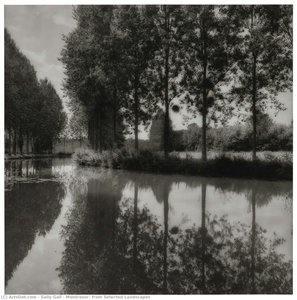
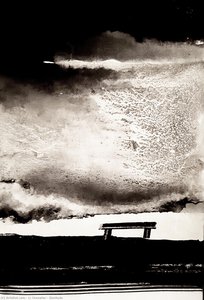
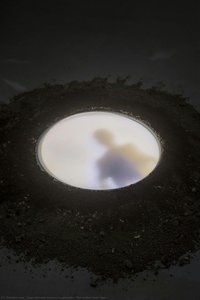
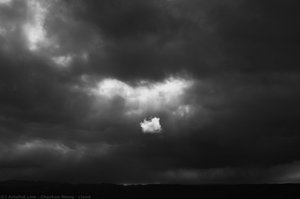
Биография художника
Ugo Ricciardi: Weaver of Transformations
Born in Turin, Italy, in 1975, Ugo Ricciardi’s artistic journey is one deeply rooted in observation and a profound fascination with the ephemeral nature of existence. His work, primarily focused on photography, transcends mere documentation; it becomes an exploration of transformation and transition – themes that resonate powerfully within his evocative imagery. Ricciardi's background began not in the formal halls of art school, but within the dynamic world of photojournalism, working for the respected agency La Presse. This early experience instilled a keen eye for detail, a sensitivity to light and shadow, and an understanding of storytelling through visual narrative – skills that would later inform his deeply personal artistic practice.
Ricciardi’s transition into fine art photography was deliberate, driven by a desire to move beyond the constraints of immediate news events. He sought to capture something more enduring, something that spoke to the universal human experience of change and becoming. His subjects often reside in stark landscapes – deserts, solitary trees, and vast open spaces – providing a dramatic backdrop for his explorations of vulnerability and resilience. The deliberate use of black and white photography is crucial to his aesthetic; it strips away superficiality, forcing viewers to confront the raw emotion and inherent beauty within each image.
The Language of Light and Shadow
A defining characteristic of Ricciardi’s work is his masterful manipulation of light. He doesn't simply record what he sees; he sculpts it, shaping the mood and atmosphere with subtle gradations of tone. His photographs are often imbued with a sense of quiet drama, achieved through careful composition and an acute awareness of how light interacts with texture and form. The stark contrast between darkness and illumination is not merely stylistic – it’s symbolic, representing the interplay between hope and despair, strength and fragility.
His technique leans heavily on long exposures and strategic use of natural light sources. This allows him to capture fleeting moments, imbuing his images with a sense of timelessness. The resulting photographs possess an almost dreamlike quality, inviting viewers to contemplate the stories hinted at within each frame. Consider "Acacia#1, East Sahara," a powerful image depicting a lone acacia tree silhouetted against the inky expanse of the desert night. The photograph isn’t just a depiction of a tree; it's an embodiment of solitude, endurance, and the quiet majesty of nature.
Themes of Transition and Identity
Ricciardi consistently returns to themes of transformation and transition – not simply in the literal sense of physical change, but also as metaphors for personal growth, loss, and the passage of time. His subjects often appear isolated, suggesting a journey inward or a confrontation with fundamental questions about identity. There’s an underlying current of melancholy in much of his work, yet it's tempered by a profound appreciation for beauty and resilience.
The influence of photographers like Sebastião Salgado, known for his powerful documentation of human displacement and environmental degradation, is subtly present in Ricciardi’s approach. However, Ricciardi’s work possesses a distinct sensitivity and poetic quality that sets it apart. He isn't simply documenting hardship; he’s exploring the emotional landscape of those experiences.
A Contemporary Voice
Ugo Ricciardi’s work is gaining recognition within contemporary art circles for its evocative power and philosophical depth. His photographs are not easily categorized – they resist simple labels, inviting viewers to engage with them on a deeply personal level. His commitment to exploring universal themes through a distinctly visual language positions him as a significant voice in the landscape of modern photography. Currently residing and working in Turin, Italy, Ricciardi continues to push the boundaries of his craft, consistently delivering images that resonate with both beauty and profound introspection.
To explore more of Ugo Ricciardi’s poignant work, please visit ArtsDot.
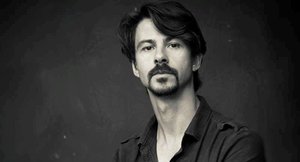
ugo ricciardi
1975 - , Italy
Основные сведения
- Artistic Movement Or Style: Transformation & Transition
- Date Of Birth: 1975
- Full Name: Ugo Ricciardi
- Nationality: Swiss-Italian
- Notable Artworks: ['Acacia#1, East Sahara']
- Place Of Birth: Turin, Italy
Похожие статьи

Evocations of Place: A Historical Journey Through Landscape Art
Explore the rich history of landscape art with ArtsDot. Discover renowned artists, movements like Impressionism & Romanticism, and expert guidance for collecting timeless pieces. Find your perfect serene escape today!

Топ-10 знаменитых картин в черных тонах: шедевры искусства для вашего интерьера
Погрузитесь в мир темных шедевров! Топ-10 знаменитых картин в черных тонах от Гойи, Рембрандта и Мунка. История искусства, техники живописи и вдохновение для вашего интерьера. Купите репродукции высокого качества на ArtsDot.com

Джон Констебль: 25 шедевров английского пейзажа для вашего интерьера
Погрузитесь в мир английского пейзажа с Джоном Констеблом! 25 шедевров романтизма, история создания картин и вдохновение для вашего интерьера. Репродукции высокого качества на ArtsDot.com – искусство для ценителей.

Романтический пейзаж: 10 шедевров, изменивших искусство | ArtsDot.com
Погрузитесь в мир романтического пейзажа! 10 шедевров Фридриха, Тёрнера и других гениев. Узнайте историю создания культовых картин и вдохновитесь для декора интерьера. Репродукции высокого качества на ArtsDot.com.

Белые шедевры: 10 знаменитых картин, покоривших мир (репродукции, декор)
Откройте для себя 10 знаменитых картин, где белый цвет – главный герой! Моне, Дега и другие мастера. История искусства, техники живописи и вдохновение для вашего интерьера. Репродукции высокого качества на ArtsDot.com