Меню
ПредпросмотрПредпросмотр Предпросмотр в ARПредпросмотр в AR Перейти к печати Перейти к печатиКупить картину ручной работы Купить картину ручной работы ПоделитьсяПоделиться
Детали произведенияДетали произведения Добавить в избранное Добавить в избранное СкачатьСкачать Похожие работыПохожие работы РентгенографияРентгенография Слайд-шоуСлайд-шоу СтатистикаСтатистика

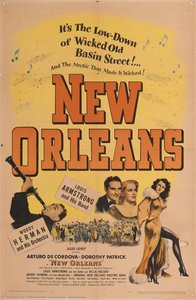
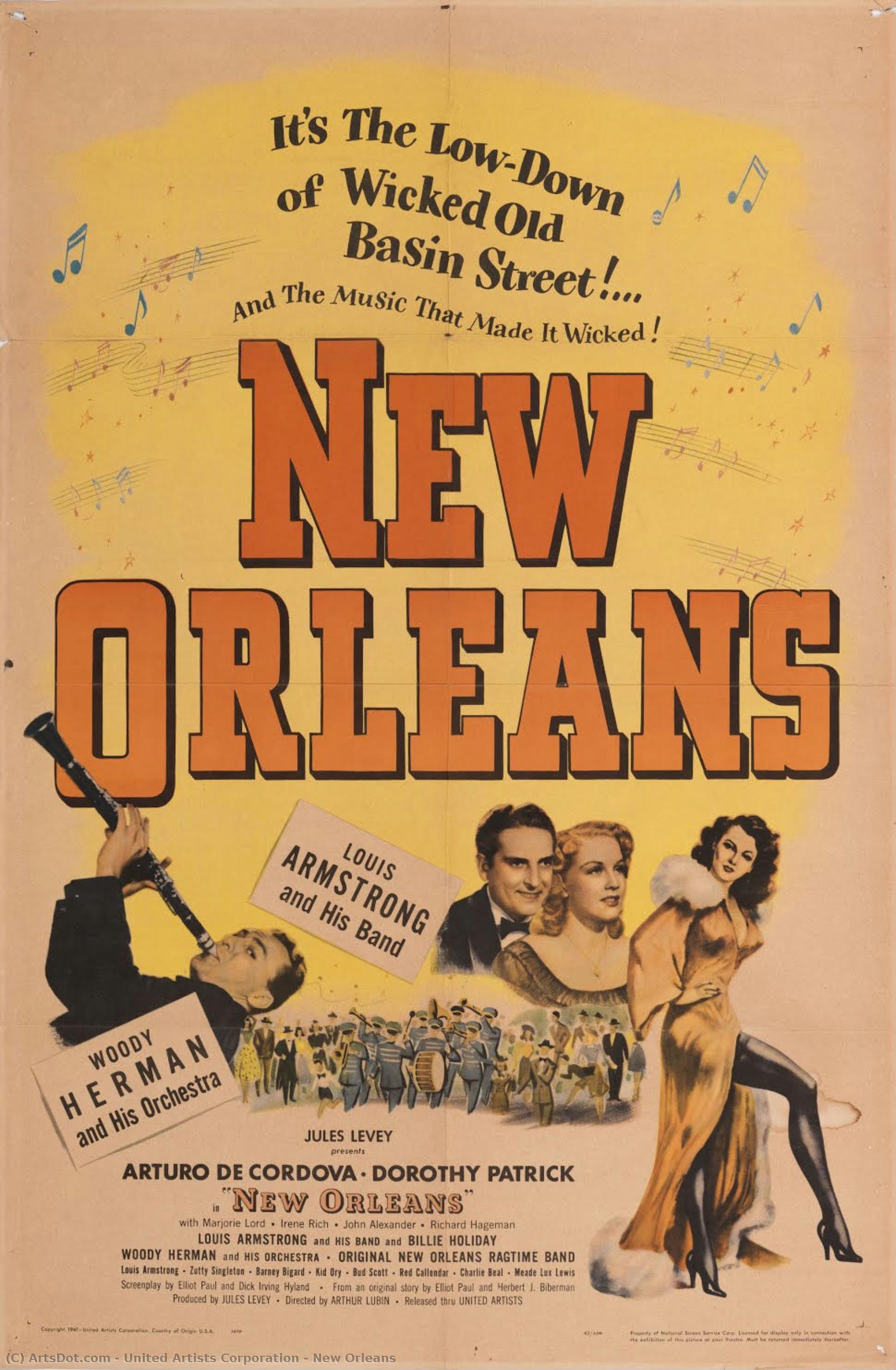
New Orleans

United Artists Corporation was a pioneering film studio known for its independent spirit and groundbreaking productions, shaping modern cinema with iconic works like *The Kid* and fostering creative freedom – discover their cinematic legacy today.

Приобретите цифровое изображение высокого разрешения в улучшенном качестве, которое значительно превосходит онлайн-превью.

Каждый файл тщательно подготавливается нашими специалистами с использованием передовых инструментов и экспертной ручной ретуши. Мы гарантируем исключительную четкость, точную цветопередачу и детальную проработку каждого изображения.

Финальный файл доставляется по электронной почте в течение 72 часов и оптимизирован для немедленного использования в профессиональной среде, при верстке и печати. Это тот же уровень качества, которому доверяют ведущие дизайнерские студии, издательства и галереи.

Цифровое изображение

Скачайте файл высокого разрешения для личного использования, печати и творческих проектов. (Перейти к печати Перейти к печатиКупить картину ручной работы Купить картину ручной работы)

Итоговая стоимость

$ 24,00

Включено в каждый заказ цифровых изображений

Гарантия экспертной цифровой доставки

Выбирая ArtsDot.com, вы получаете не просто изображение — вы приобретаете профессионально обработанное цифровое произведение искусства, созданное с безупречной точностью и под защитой гарантии качества. Вот всё, что автоматически входит в ваш заказ:

shipping_icon
Мгновенная доставка по e-mail

Ваш цифровой файл в высоком разрешении будет отправлен вам по электронной почте в течение 72 часов после оформления заказа — и сразу станет доступен для использования.

canvas_icon
Цифровой файл с ИИ-улучшением

Ваше произведение искусства проходит профессиональную оптимизацию с использованием передовых инструментов ИИ и ручной обработки, что гарантирует максимальную детализацию, четкость и точность цветопередачи.

insurance_icon
Бессрочная бесплатная повторная доставка

Случайно удалили или потеряли файл? Не беспокойтесь — мы отправим его вам повторно в любое время и совершенно бесплатно.

tax_icon
Без импортных пошлин — навсегда

Наслаждайтесь вашим произведением искусства мгновенно без таможенных пошлин, сборов или затрат на доставку — цифровые загрузки всегда не облагаются налогом.

color_icon
Гарантия точности цветопередачи

Мы гарантируем, что ваше цифровое изображение максимально точно передает оригинальные цвета благодаря использованию профессиональных инструментов и систем управления цветом.

return_icon
Гарантия удовлетворенности 100 дней

Если вы не будете удовлетворены своим цифровым изображением, мы внесем правки или вернем 100% стоимости в течение 100 дней — без лишних вопросов.

guarantee_icon
100% Гарантия возврата средств

Не удовлетворены покупкой? Получите полный возврат средств в течение 100 дней после получения цифрового файла — без лишних вопросов.

discount_icon
Скидки на оптовые заказы

Купите 3 изображения, сэкономьте 10% — Купите 5, сэкономьте 15% — Купите 10+, сэкономьте 20%. Отличное решение для творческих проектов, галерей и агентств.

Биография художника

The Collective Vision of United Artists Corporation

United Artists Corporation, a name resonant with the spirit of independent filmmaking and artistic rebellion, wasn't born from the vision of a single auteur but rather as a collaborative defiance against the established Hollywood studio system. Founded in 1919 by Charlie Chaplin, Mary Pickford, Douglas Fairbanks, and D.W. Griffith – four of cinema’s most luminous stars – UA represented an unprecedented attempt to wrest control of production, distribution, and exhibition from the powerful moguls who dictated the industry's terms. Each founder, a titan in their own right, felt constrained by the creative limitations and financial inequities imposed by existing studios. They sought not merely greater profits but the autonomy to pursue projects aligned with their artistic sensibilities, free from external interference. This initial act of collective agency set UA apart, establishing it as a haven for filmmakers who prioritized vision over commercial expediency.

Early Years: A Bastion of Star Power and Artistic Freedom

The early decades of United Artists were defined by the star power of its founders and a commitment to diverse cinematic voices. Chaplin’s continued production of his iconic Tramp comedies, Pickford's charming portrayals of youthful innocence, and Fairbanks’ swashbuckling adventures formed the bedrock of UA’s initial success. However, the corporation quickly expanded beyond its founding quartet, embracing filmmakers like Buster Keaton, Erich von Stroheim, and F.W. Murnau. This willingness to champion unconventional talent distinguished UA from its competitors. While other studios focused on standardized genres and formulaic narratives, UA fostered a space where experimentation flourished. The company’s distribution model was also innovative; rather than building a vast network of owned theaters, UA primarily leased venues, allowing it greater flexibility in showcasing independent productions. This approach, while financially precarious at times, underscored its dedication to supporting a wider range of cinematic expression.

Challenges and Transformations: Navigating the Studio System

Despite its initial promise, United Artists faced significant challenges throughout the 1930s and 40s. The Great Depression severely impacted box office revenues, and internal disagreements among the founders regarding financial strategy and artistic direction threatened to fracture the corporation. D.W. Griffith departed early on due to creative differences, and Chaplin eventually withdrew from active participation. The rise of the fully integrated studio system – with its vertically controlled production, distribution, and exhibition networks – further marginalized UA’s independent model. In 1942, a significant restructuring saw control pass into the hands of new management, marking a shift away from the original artist-driven ethos. While UA continued to produce notable films during this period, including Alfred Hitchcock's *Rebecca* (1940) and Billy Wilder’s *The Big Picture* (1957), it increasingly resembled its more conventional rivals.

A Renaissance of New Wave Cinema

The 1960s and 70s witnessed a remarkable resurgence of UA's artistic reputation, fueled by a new generation of filmmakers who embraced countercultural themes and innovative techniques. Under the leadership of Robert Wise and later Richard D. Zanuck and David Brown, UA became synonymous with the New Wave movement in American cinema. Films like *Midnight Cowboy* (1969), directed by John Schlesinger, challenged societal norms and pushed boundaries of narrative form. Other groundbreaking productions included Milos Forman’s *One Flew Over the Cuckoo's Nest* (1975) and Martin Scorsese’s *Taxi Driver* (1976). This period solidified UA’s legacy as a champion of bold, provocative storytelling that resonated with a changing cultural landscape. These films weren’t simply commercially successful; they sparked critical debate and redefined the possibilities of cinematic expression.

Legacy and Historical Significance

Though United Artists underwent further ownership changes and ultimately became absorbed into larger media conglomerates, its impact on the film industry remains profound. The corporation's initial act of defiance against the studio system paved the way for independent filmmaking as a viable alternative to mainstream production. UA demonstrated that artistic vision could coexist with commercial success, inspiring countless filmmakers to pursue their own creative paths. The company’s willingness to take risks on unconventional talent fostered a climate of innovation and experimentation that continues to shape cinema today. From its origins as a collective of stars seeking autonomy to its later embrace of New Wave auteurs, United Artists Corporation stands as a testament to the enduring power of artistic freedom and the transformative potential of collaborative filmmaking. Its story serves as a potent reminder that true cinematic progress often arises from challenging established norms and prioritizing vision over convention.