

 Предпросмотр
 Поделиться
 Поделиться
 Детали произведения

 Скачать
 Похожие работы
 Рентгенография
 Слайд-шоу
 Статистика
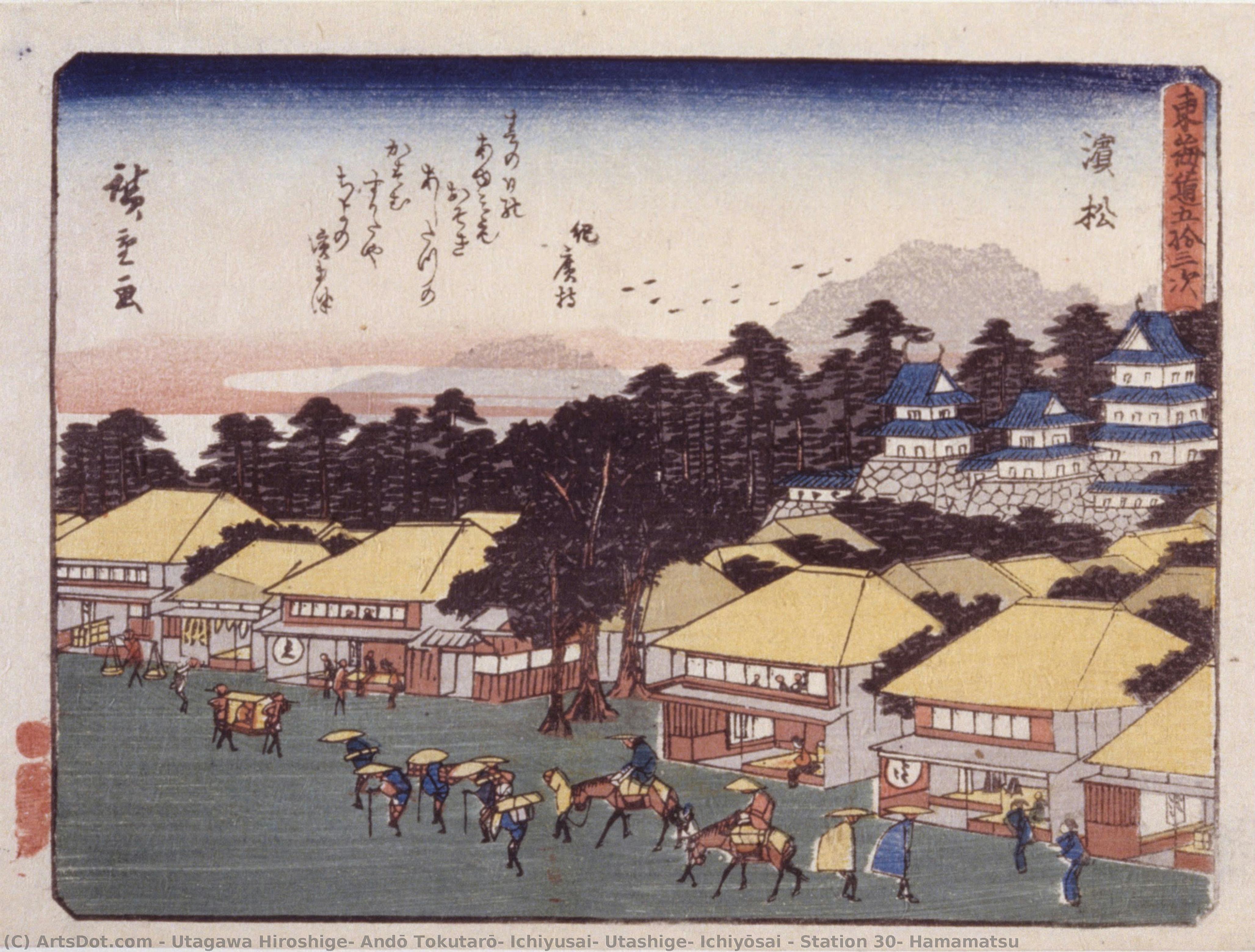
Station 30, Hamamatsu


 Читать далее
Масляная репродукция ручной работы
Картина маслом на холсте в выбранном вами размере и раме, написанная на заказ нашими художниками. ( Перейти к печати Перейти к цифровым изображениям)




P118B $10

P118H $10

P118W $10

P438Z $10

P508JH $12

P508YH $12

P805H $10

P805Z $10

P919BZ $10

P919G $10

P919XJ $10

P959ZH $10

P968JZ $12

W106C $8

W218G $10

W218JH $8

W218Y $10

W307PJ $10

W316G $10

W316PJ $8

W316Y $10

W398PJ $8

W4111J $10

W500HY $15

W500JH $15

W692G $12

W849H $8

W940BG $15

W953PJ $8
Выберите один из наших стандартных размеров, соответствующих оригинальным пропорциям произведения искусства.

Вы можете указать собственные размеры, чтобы картина идеально вписалась в выбранную раму или пространство. Если выбранный вами размер не соответствует пропорциям оригинала, мы либо обрежем полотно, либо расширим его за счет дополнительных элементов, написанных вручную. Цифровой макет будет отправлен вам на утверждение перед началом производства.
Обратите внимание, что предварительный просмотр на экране не отражает фактическую обрезку или расширение. Только макет точно покажет окончательную композицию.
Хотя доступны индивидуальные размеры, мы рекомендуем выбирать вариант из предопределенного списка, чтобы сохранить исходные пропорции.
После оформления заказа команда ArtsDot.com свяжется с клиентом по электронной почте для уточнения деталей и предоставит предварительный макет
Доставка по всему миру () за 3–4 недели вместо стандартных 5 недель. (13 Сентябрь). Без компромиссов в качестве.

Бесплатная экспресс-доставка по всему миру

Высококачественный льняной холст

Полное страхование доставки

Гарантия возмещения таможенных пошлин

Гарантия точного соответствия цветов

100-дневная политика возврата (только при обнаружении дефектов)

Гарантия возврата 100% средств

Предложение оптовых скидок
 Вариант со стеклом доступен только для размеров менее 110 см

Station 30, Hamamatsu
Техника репродукции
Размер репродукции
-


Итоговая стоимость
$ 263
Похожие произведения
Биография художника
A Life Immersed in the Floating World: The Journey of Utagawa Hiroshige
Born Andō Tokutarō in 1797, within the bustling heart of Edo (modern Tokyo), Utagawa Hiroshige’s path to becoming Japan's last great ukiyo-e master was not one initially paved with artistic ambition. His lineage traced back to samurai roots, a background that afforded him a degree of leisure despite his eventual responsibilities as a fire warden—a position inherited from his father. This seemingly mundane duty, however, proved unexpectedly fertile ground for the blossoming artist. The time it allowed him to observe the world around him, coupled with an innate sensitivity, would become the cornerstone of his unique artistic vision. Early loss – the passing of both parents during his childhood – perhaps instilled a quiet introspection that later permeated his work. He initially pursued painting as a hobby, seeking instruction from Toyokuni of the Utagawa school but ultimately finding mentorship under Toyohiro, also of the same lineage. By 1812, he was granted permission to sign his works as Hiroshige, marking the formal beginning of his artistic journey.From Genre Scenes to Landscapes: A Poetic Evolution
Hiroshige’s early work adhered more closely to the conventions of ukiyo-e – depictions of beautiful women, popular actors, and scenes from Edo's vibrant pleasure districts. However, he soon began to diverge from these established norms, drawn instead to the subtle beauty of landscapes. This shift was significantly influenced by Hokusai’s groundbreaking *Thirty-six Views of Mount Fuji*, a series that demonstrated the power of focusing on a single motif across multiple compositions. Yet, Hiroshige's approach differed markedly. Where Hokusai embraced boldness and formality, Hiroshige cultivated a poetic sensibility, prioritizing atmosphere, emotion, and nuanced color gradations. He wasn’t merely recording scenes; he was evoking feelings – the melancholy of rain, the warmth of sunlight, the quiet solitude of a rural path. This mastery of *bokashi*, a technique involving multiple impressions to create soft transitions in color, became a defining characteristic of his style, demanding considerable skill and patience from both artist and printer. His early landscape work often featured depictions of famous tea houses and other local scenes, gradually expanding into broader explorations of the Japanese countryside.The Tōkaidō and Beyond: Defining Series and Lasting Impact
Hiroshige’s reputation solidified with his *Fifty-three Stations of the Tōkaidō* (1833–1834), a horizontal-format series depicting the journey along the main road connecting Edo to Kyoto. This work wasn't simply a travelogue; it was an intimate portrait of life in motion, capturing the bustling energy of post towns, the serene beauty of natural landscapes, and the everyday encounters of travelers. Each print functioned as both a standalone artwork and a piece within a larger narrative, offering glimpses into the social fabric of Edo-period Japan. Following this triumph, he embarked on *One Hundred Famous Views of Edo* (1856–1858), a vertical-format series that celebrated his hometown with an unprecedented level of detail and emotional depth. These series weren’t just commercially successful; they established Hiroshige as the foremost landscape artist of his time. He also produced numerous other notable works, including *Thirty-six Views of Mount Fuji* (a response to Hokusai's series) and various albums showcasing seasonal landscapes and historical scenes.A Legacy Transcending Borders: Japonisme and Modern Influence
The impact of Hiroshige’s work extended far beyond the shores of Japan. In the late 19th century, as Japan opened its borders to the West, *ukiyo-e* prints flooded European markets, sparking a phenomenon known as *Japonisme*. Artists like Manet and Monet were captivated by Hiroshige's compositions, his use of color, and his unconventional perspectives. Vincent van Gogh, in particular, became an ardent admirer, meticulously copying several of Hiroshige’s prints – notably those from the *Fifty-three Stations of the Tōkaidō* – as a means of studying composition and technique. Van Gogh's own paintings bear striking evidence of this influence, demonstrating the profound impact Hiroshige had on the development of modern art. Hiroshige’s death in 1858 coincided with a period of rapid change in Japan, marked by the Meiji Restoration and increasing westernization. While *ukiyo-e* as a genre declined in popularity, his legacy endured, inspiring generations of artists both within Japan and abroad. He remains celebrated not only for his technical mastery but also for his ability to capture the essence of a fleeting moment, transforming ordinary scenes into enduring works of art that continue to resonate with audiences today.A Quiet Revolution: Symbolism and Artistic Philosophy
Beyond the aesthetic beauty of his prints, Hiroshige’s work is imbued with subtle symbolism and a profound connection to nature. He often incorporated poetic verses – *haiku* – into his compositions, adding layers of meaning and inviting viewers to contemplate the deeper significance of the scenes depicted. Rain, for example, wasn't merely a meteorological phenomenon; it represented melancholy, transience, and the passage of time. The inclusion of travelers on the Tōkaidō road spoke to themes of pilgrimage, self-discovery, and the interconnectedness of human experience. His artistic philosophy was rooted in observation and empathy. He sought not to impose his own vision onto the landscape but rather to capture its inherent beauty and evoke a sense of emotional resonance within the viewer. This quiet revolution – a departure from the more flamboyant styles of his predecessors – established Hiroshige as a uniquely sensitive and poetic artist, whose work continues to inspire awe and contemplation centuries later. His influence on Impressionism is undeniable, but perhaps even more significant is his lasting contribution to our understanding of landscape as a vehicle for emotional expression and cultural reflection. Hiroshige’s prints are not simply images; they are windows into the soul of Japan.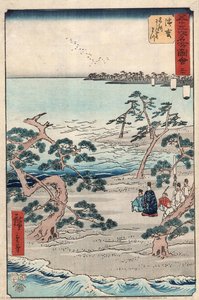
Основные сведения
- Artistic Movement Or Style: Ukiyo-e
- Artists Or Movements Influenced By This Artist:
- Manet
- Monet
- Van Gogh
- Artists Who Influenced This Artist: ['Hokusai']
- Date Of Birth: 1797
- Date Of Death: October 12, 1858
- Full Name: Utagawa Hiroshige
- Nationality: Japanese
- Notable Artworks:
- Fifty-three Stations...
- One Hundred Famous Views...
- Place Of Birth: Edo, Japan
Похожие статьи

Serenity on Canvas: A Guide to the Timeless Beauty of Japanese Landscape Painting
Discover the serene beauty of Japanese landscape painting. From Hokusai's iconic woodblock prints to meditative sumi-e ink washes, explore a visual journey through the 'floating world' and learn how to bring this timeless Zen aesthetic into your modern home decor.

Топ-25 шедевров Кацусики Хокусая: Искусство Японии для вашего интерьера
Погрузитесь в мир гения Кацусики Хокусая! 25 легендарных гравюр укиё-э, включая "Великую волну". История искусства Японии и вдохновение для вашего интерьера. Репродукции высокого качества на ArtsDot.com.
Suzuki Harunobu: Pioneering Ukiyo-e & the Refinement of Edo Period Printmaking
Discover the revolutionary world of Suzuki Harunobu, a pioneer of ukiyo-e printmaking. Explore his exquisite nishiki-e techniques, diverse subjects & lasting impact on Japanese art history. Learn more at ArtsDot.

Floating World: The Captivating Art and Legacy of Japanese Ukiyo-e
Explore the profound beauty of Japanese Ukiyo-e. Discover the history, masters like Hokusai, and the enduring legacy of the 'Floating World' through an expert art-historical lens.
Ukiyo-e: Exploring Japan's Floating World & Enduring Artistic Legacy
Explore the captivating world of Ukiyo-e – Japan's iconic woodblock prints! Discover masters like Hokusai & Hiroshige, learn about Edo period culture, and find expert art collecting guidance at ArtsDot.