


 Предпросмотр
 Поделиться
 Поделиться
 Детали произведения

 Скачать
 Похожие работы
 Рентгенография
 Слайд-шоу
 Статистика
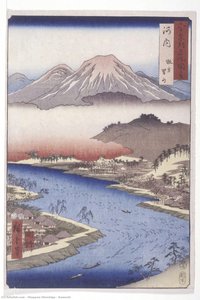
Entrance to Enoshima in Sagami Province (Sagami Enoshima iriguchi)


 Читать далее
Приобретите цифровое изображение высокого разрешения в улучшенном качестве, которое значительно превосходит онлайн-превью.
Каждый файл тщательно подготавливается нашими специалистами с использованием передовых инструментов и экспертной ручной ретуши. Мы гарантируем исключительную четкость, точную цветопередачу и детальную проработку каждого изображения.
Финальный файл доставляется по электронной почте в течение 72 часов и оптимизирован для немедленного использования в профессиональной среде, при верстке и печати. Это тот же уровень качества, которому доверяют ведущие дизайнерские студии, издательства и галереи.
Цифровое изображение
Скачайте файл высокого разрешения для личного использования, печати и творческих проектов. ( Перейти к печати Купить картину ручной работы)
Включено в каждый заказ цифровых изображений
Гарантия экспертной цифровой доставки
Выбирая ArtsDot.com, вы получаете не просто изображение — вы приобретаете профессионально обработанное цифровое произведение искусства, созданное с безупречной точностью и под защитой гарантии качества. Вот всё, что автоматически входит в ваш заказ:

Мгновенная доставка по e-mail
Ваш цифровой файл в высоком разрешении будет отправлен вам по электронной почте в течение 72 часов после оформления заказа — и сразу станет доступен для использования.

Цифровой файл с ИИ-улучшением
Ваше произведение искусства проходит профессиональную оптимизацию с использованием передовых инструментов ИИ и ручной обработки, что гарантирует максимальную детализацию, четкость и точность цветопередачи.

Бессрочная бесплатная повторная доставка
Случайно удалили или потеряли файл? Не беспокойтесь — мы отправим его вам повторно в любое время и совершенно бесплатно.

Без импортных пошлин — навсегда
Наслаждайтесь вашим произведением искусства мгновенно без таможенных пошлин, сборов или затрат на доставку — цифровые загрузки всегда не облагаются налогом.

Гарантия точности цветопередачи
Мы гарантируем, что ваше цифровое изображение максимально точно передает оригинальные цвета благодаря использованию профессиональных инструментов и систем управления цветом.

Гарантия удовлетворенности 100 дней
Если вы не будете удовлетворены своим цифровым изображением, мы внесем правки или вернем 100% стоимости в течение 100 дней — без лишних вопросов.

100% Гарантия возврата средств
Не удовлетворены покупкой? Получите полный возврат средств в течение 100 дней после получения цифрового файла — без лишних вопросов.

Скидки на оптовые заказы
Купите 3 изображения, сэкономьте 10% — Купите 5, сэкономьте 15% — Купите 10+, сэкономьте 20%. Отличное решение для творческих проектов, галерей и агентств.
The Entrance to Enoshima: A Poetic Glimpse of Edo Life
Utagawa Hiroshige’s “Entrance to Enoshima in Sagami Province” (Sagami Enoshima iriguchi) is more than just a depiction of a coastal scene; it's a carefully constructed window into the heart of 19th-century Japan. Painted in 1858, during a period of profound transformation as Western influence began to permeate Japanese society, this woodblock print captures a fleeting moment of everyday life along the coast, imbued with a quiet beauty and subtle symbolism that speaks volumes about the era.
The scene unfolds on a slightly overcast day at the entrance to Enoshima Island, a small landmass just off the coast of Sagami Bay. A modest group of figures – primarily women, though men are also present – navigate a stone pathway leading towards the island’s shrine. The composition is dominated by the dramatic interplay of light and shadow, characteristic of Hiroshige's masterful use of *bokashi*, a technique involving multiple layers of color to create subtle gradations and atmospheric effects. Notice how the muted blues and greens of the sea contrast with the warmer tones of the pathway and the figures’ clothing; this creates a sense of depth and realism rarely achieved in earlier Japanese prints.
Beyond the immediate scene, the backdrop reveals a stunning vista of distant mountains shrouded in mist – Mount Fuji itself is barely discernible, lending an air of mystery and suggesting the vastness of Japan. The inclusion of these majestic peaks anchors the composition within a broader landscape context, reminding us of the country’s enduring connection to nature. The careful placement of boats scattered across the water further emphasizes the scene's maritime character, hinting at the vital role that trade and fishing played in the lives of those who inhabited this region.
A Masterclass in Ukiyo-e Technique
Hiroshige’s genius lay not only in his subject matter but also in his technical prowess. As a leading figure in the *ukiyo-e* (pictures of the floating world) tradition, he pushed the boundaries of this popular genre, elevating it to an art form worthy of serious contemplation. The print is created using the traditional woodblock printing process – a painstaking and labor-intensive method that required multiple skilled artisans. The artist initially sketched the design onto paper, then carved the image into wooden blocks, one for each color. These blocks were then inked and pressed onto rice paper to create the final print.
Hiroshige’s innovative use of *bokashi* is particularly noteworthy. By applying multiple layers of ink in varying concentrations, he achieved a remarkable level of tonal subtlety – a technique that would later influence Western artists like Monet and Van Gogh. The delicate shading around the figures, the hazy atmosphere, and the subtle reflections on the water all contribute to the print’s captivating realism. The use of Prussian blue, a relatively new pigment at the time, adds a vibrant touch to the scene while maintaining an overall sense of harmony.
Symbolism and the Essence of Edo Life
While seemingly a simple depiction of a coastal path, “Entrance to Enoshima” is rich in symbolic meaning. The presence of women walking towards the shrine suggests a connection to Shinto beliefs and rituals – a cornerstone of Japanese culture. The modest attire and everyday activities of the figures reflect the lives of ordinary people during the Edo period (1603-1868), a time of relative peace and prosperity in Japan. The scene offers a glimpse into the rhythms of daily life, capturing the quiet beauty of a moment suspended in time.
Furthermore, the inclusion of Mount Fuji – a sacred symbol of Japan – elevates the print beyond a mere depiction of a landscape. It represents not only the physical majesty of the country but also its spiritual and cultural identity. The slightly obscured view of the mountain hints at the challenges and uncertainties that lay ahead as Japan faced increasing Western influence. The scene, therefore, can be interpreted as a meditation on tradition, change, and the enduring spirit of Japan.
A Timeless Appeal for Art & Design
“Entrance to Enoshima in Sagami Province” remains a powerfully evocative work of art, captivating viewers with its atmospheric beauty and subtle symbolism. Its masterful technique, combined with its poignant depiction of everyday life, has ensured its place as one of Hiroshige’s most celebrated prints. Today, high-quality reproductions offer an accessible way to experience the artistry of this iconic image, bringing a touch of Edo-era Japan into any space – whether adorning a wall in a contemporary home or serving as inspiration for interior designers seeking to evoke a sense of tranquility and cultural richness.
Похожие произведения
Биография художника
A Poetic Vision of Edo Japan: The Life and Art of Utagawa Hiroshige
Utagawa Hiroshige, born Andō Tokutarō in 1797 in the bustling city of Edo (modern Tokyo), stands as a pivotal figure in the world of *ukiyo-e*, or “pictures of the floating world.” Though deeply rooted in the traditions of Japanese woodblock printing, Hiroshige transcended mere replication, imbuing his landscapes with a poetic sensibility that resonated profoundly both within Japan and, later, across the Western art world. His life unfolded during a period of relative peace and prosperity under the Tokugawa shogunate, yet also one marked by increasing social change and eventual westernization – forces that would ultimately contribute to the decline of *ukiyo-e* even as they amplified Hiroshige’s enduring legacy. Initially destined for a more conventional path within a samurai family—his father served as a fire warden—Hiroshige's artistic inclinations led him to apprenticeship under Utagawa Toyohiro, a master of the Utagawa school. This proved a crucial turning point, steering him away from the popular depictions of courtesans and actors favored by many *ukiyo-e* artists toward a focus on landscape, a genre he would ultimately redefine.Early Years and Artistic Training
Hiroshige’s early artistic development was shaped by his family background and formal training. Born into a samurai lineage—his grandfather had served as an archery instructor for the Tsugaru clan—he initially seemed destined for a life of bureaucratic service, but his innate talent for art quickly became apparent. At the age of twelve, following the tragic loss of both his parents, he entered the studio of Utagawa Toyohiro, a respected master of the Utagawa school known for his portraits and scenes from daily life. This apprenticeship provided him with a solid foundation in traditional *ukiyo-e* techniques, including woodblock carving, printing, and composition. However, it was during this period that Hiroshige began to develop his own distinctive style, moving beyond the conventional subjects of the school and gravitating towards the burgeoning interest in landscape prints—a genre still considered somewhat niche at the time. He initially adopted the *nom d’artiste* “Hiroshige,” a name that would become synonymous with his artistic identity.The Rise of Landscape Ukiyo-e
The late Edo period witnessed a shift in Japanese art, driven by factors such as increased travel and trade, and a growing appreciation for nature. While traditional *ukiyo-e* continued to thrive on depictions of courtesans, actors, and urban scenes, a new interest emerged in capturing the beauty of the natural world—mountains, rivers, forests, and seasonal landscapes. Hiroshige was at the forefront of this movement, skillfully blending Western artistic principles with Japanese aesthetics. He drew inspiration from Chinese landscape painting, particularly its emphasis on atmospheric perspective and the use of subtle color gradations to convey mood and atmosphere. His early works, such as *Famous Places in the Eastern Capital*, demonstrated his mastery of these techniques, creating images that were both visually stunning and emotionally evocative.Masterpieces: The Fifty-Three Stations and Beyond
Hiroshige’s most celebrated achievement is undoubtedly *The Fifty-three Stations of the Tōkaidō* (1833–1834). This monumental series documented a journey along the main road connecting Edo and Kyoto, not as a straightforward travelogue but as a collection of carefully crafted vignettes—each print capturing a specific moment in time and place. Hiroshige’s approach was revolutionary; he didn't simply depict the stations themselves, but rather the atmosphere surrounding them – rain-swept roads, misty mountains, bustling marketplaces. His use of *bokashi*, or multiple blocks for a single color, created subtle gradations of tone that enhanced the sense of depth and realism. Similarly, his series *One Hundred Famous Views of Edo* (1856–1858) offered intimate glimpses into the life and landscapes of his beloved city, showcasing his ability to capture both the grandeur and the everyday details of Edo’s urban environment. These works are not merely representations of places; they are poetic evocations of mood, atmosphere, and time.Influence and Legacy
Despite the decline of *ukiyo-e* following Hiroshige's death in 1858, his influence on Western art was profound. During the late 19th century, Japanese prints flooded Europe, sparking a phenomenon known as *Japonisme*. Artists such as Édouard Manet, Claude Monet, and Edgar Degas were captivated by the bold compositions, flattened perspectives, and unconventional color schemes of *ukiyo-e*, incorporating these elements into their own work. Vincent van Gogh was particularly enthralled with Hiroshige’s prints, creating copies of several, including “Flowering Plum Tree after Hiroshige,” demonstrating his deep admiration for the Japanese master's use of color and composition. Hiroshige’s legacy extends far beyond painting; it can be seen in architecture, design, and even literature. His serene landscapes continue to inspire awe and contemplation, reminding us of the beauty and transience of the natural world. He remains a pivotal figure in the history of art, bridging East and West through his poetic vision of Japan.Notable Works
- The Fifty-three Stations of the Tōkaidō: Hiroshige’s most famous series, documenting a journey along the main road between Edo and Kyoto.
- One Hundred Famous Views of Edo: A captivating portrayal of life and landscapes in his beloved city.
- Influence on Vincent van Gogh's Japonaiserie Series: Including “Flowering Plum Tree after Hiroshige,” demonstrating Van Gogh’s deep admiration for the Japanese master.
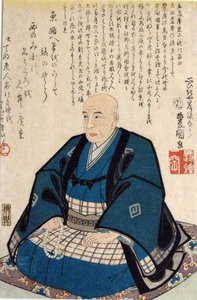
Утагава Хиросиге
1797 - 1858 , Япония
Основные сведения
- Artistic Movement Or Style: *Ukiyo-e*
- Artists Or Movements Influenced By This Artist:
- Manet
- Monet
- Van Gogh
- Artists Who Influenced This Artist: ['Hokusai']
- Date Of Birth: 1797
- Date Of Death: 1858
- Full Name: Utagawa Hiroshige
- Nationality: Японский
- Notable Artworks:
- Пятьдесят три станции Тōkaidō
- Сто знаменитых видов Эдо
- Place Of Birth: Токио, Япония