


 Предпросмотр
 Поделиться
 Поделиться
 Детали произведения

 Скачать
 Похожие работы
 Рентгенография
 Слайд-шоу
 Статистика
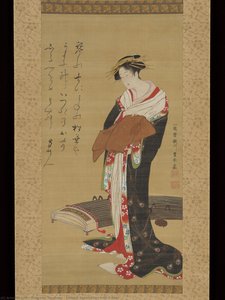
Female Entertainer with a Koto


 Читать далее
Масляная репродукция ручной работы
Картина маслом на холсте в выбранном вами размере и раме, написанная на заказ нашими художниками. ( Перейти к печати Перейти к цифровым изображениям)




































Выберите один из наших стандартных размеров, соответствующих оригинальным пропорциям произведения искусства.

Вы можете указать собственные размеры, чтобы картина идеально вписалась в выбранную раму или пространство. Если выбранный вами размер не соответствует пропорциям оригинала, мы либо обрежем полотно, либо расширим его за счет дополнительных элементов, написанных вручную. Цифровой макет будет отправлен вам на утверждение перед началом производства.
Обратите внимание, что предварительный просмотр на экране не отражает фактическую обрезку или расширение. Только макет точно покажет окончательную композицию.
Хотя доступны индивидуальные размеры, мы рекомендуем выбирать вариант из предопределенного списка, чтобы сохранить исходные пропорции.
После оформления заказа команда ArtsDot.com свяжется с клиентом по электронной почте для уточнения деталей и предоставит предварительный макет
Доставка по всему миру () за 3–4 недели вместо стандартных 5 недель. (15 Сентябрь). Без компромиссов в качестве.

Бесплатная экспресс-доставка по всему миру

Высококачественный льняной холст

Полное страхование доставки

Гарантия возмещения таможенных пошлин

Гарантия точного соответствия цветов

100-дневная политика возврата (только при обнаружении дефектов)

Гарантия возврата 100% средств

Предложение оптовых скидок
 Вариант со стеклом доступен только для размеров менее 110 см

Female Entertainer with a Koto
Техника репродукции
Размер репродукции
-


Итоговая стоимость
$ 263
Похожие произведения
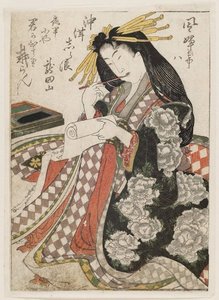
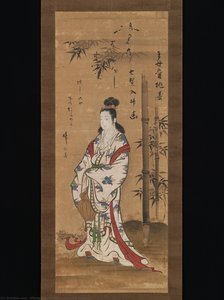
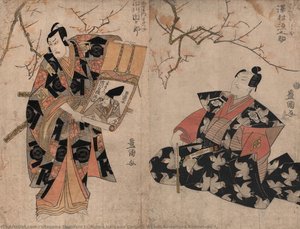
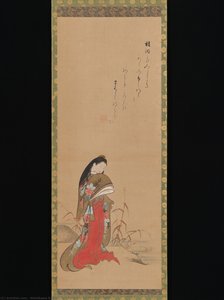
Биография художника
Early Life and Artistic Foundations
Utagawa Toyoharu, born circa 1735 in the rural province of Tajima, stands as a pivotal figure in the history of Japanese art—the founder of the prolific Utagawa school and a true innovator within the *ukiyo-e* tradition. His journey began not in the bustling artistic centers of Edo (modern Tokyo), but in Kyoto, where he initially immersed himself in the refined techniques of the Kanō school under the tutelage of Tsuruzawa Tangei. This early exposure to classical Japanese painting instilled a foundational understanding of form and composition that would later be subtly yet powerfully reinterpreted through his unique lens.
Around 1763, Toyoharu relocated to Edo, seeking further artistic development under the guidance of Toriyama Sekien, a master known for his depictions of folklore and literary subjects. It’s believed the “Toyo” character in his art name, Toyoharu (豊春), was adopted from Sekien's personal name, Toyofusa (豊房)—a gesture signifying respect and artistic lineage. He also studied under Ishikawa Toyonobu and Nishimura Shigenaga, absorbing diverse influences that would shape his evolving style. During this period, he utilized a variety of art names including Ichiryūsai (一竜斎 ), Senryūsai (潜竜斎), and Shōjirō (松爾楼) alongside his common name, Tajimaya Shōjirō (但馬屋 庄次郎), and personal names Masaki (昌樹) and Shin'emon (新右衛門).
The Birth of *Uki-e* and Western Perspective
Toyoharu’s artistic breakthrough came around 1768 with the emergence of his *uki-e*—"floating pictures"—a genre that would revolutionize Japanese printmaking. While not the absolute first to experiment with perspective in *ukiyo-e*, he was the pioneer who brought this technique to life through the vibrant, full-color *nishiki-e* method. Prior attempts at perspective prints lacked the sophistication and depth Toyoharu achieved. He masterfully integrated Western geometrical principles into his compositions, creating a compelling illusion of three-dimensionality previously unseen in Japanese art.
His early *uki-e* focused on landscapes and famous sites around Edo—theatres, temples, teahouses—rendered with meticulous detail and an unprecedented sense of realism. These weren’t merely copies of Western prints; Toyoharu adapted the principles to suit Japanese aesthetics, creating a distinctly new visual language. He didn't simply replicate perspective but used it to enhance the emotional impact and narrative quality of his scenes. This marked a turning point in *ukiyo-e*, shifting the focus from figures as the primary subject to landscapes as equally important elements—a radical departure from tradition.
Establishing the Utagawa School
The 1780s witnessed Toyoharu’s increasing dedication to painting, alongside his continued printmaking endeavors. This period solidified his position as a leading artist and laid the groundwork for the establishment of the Utagawa school—a dynasty that would dominate *ukiyo-e* throughout the 19th century. His most notable pupils included Utagawa Toyokuni I, who succeeded him as head of the school and propelled it to unprecedented fame.
The success of the Utagawa school can be attributed to its adaptability and diverse range of styles. While Toyoharu pioneered landscape and perspective views, his successors expanded into *bijin-ga* (beautiful women), *yakusha-e* (actor prints), and other popular genres. Artists like Utamaro, Hiroshige, and Kuniyoshi—all members of the Utagawa school—built upon Toyoharu’s foundation, each contributing their unique talents to the ever-evolving world of *ukiyo-e*. The school's influence is undeniable; it’s estimated that over half of all surviving *ukiyo-e* prints today bear the mark of the Utagawa lineage.
Legacy and Historical Significance
Utagawa Toyoharu’s impact extends far beyond his own artistic output. He fundamentally altered the course of Japanese printmaking, introducing a new level of realism and depth that captivated audiences and inspired generations of artists. His integration of Western perspective wasn't merely a technical innovation; it was a cultural exchange—a subtle yet profound blending of Eastern and Western aesthetics.
His legacy is not simply one of technique but also of subject matter. By elevating the landscape to prominence, Toyoharu broadened the scope of *ukiyo-e*, transforming it from a genre focused primarily on the “floating world” of urban life to encompass the beauty and grandeur of the natural world. He opened up new avenues for artistic expression and paved the way for the iconic landscapes that would define Japanese art in the centuries to come. Toyoharu’s serene prints and paintings continue to resonate today, offering a glimpse into a pivotal moment in Japanese history—a time of cultural innovation and artistic transformation.
utagawa toyoharu
1735 - 1814
Основные сведения
- Artistic Movement Or Style: Ukiyo-e
- Artists Or Movements Influenced By This Artist:
- Utagawa school
- Utamaro
- Hiroshige
- Kuniyoshi
- Artists Who Influenced This Artist:
- Tsuruzawa Tangei
- Toriyama Sekien
- Date Of Birth: c. 1735
- Date Of Death: 1814
- Full Name: Utagawa Toyoharu
- Nationality: Japanese
- Notable Artworks:
- Female Entertainer with a Koto
- Perspective Picture of Kabuki Theater
- A Winter Party
- Shoki the Demon Queller
- Place Of Birth: Toyooka, Japan
Похожие статьи

Топ-25 шедевров Кацусики Хокусая: Искусство Японии для вашего интерьера
Погрузитесь в мир гения Кацусики Хокусая! 25 легендарных гравюр укиё-э, включая "Великую волну". История искусства Японии и вдохновение для вашего интерьера. Репродукции высокого качества на ArtsDot.com.
Serenity on Canvas: A Guide to the Timeless Beauty of Japanese Landscape Painting
Discover the serene beauty of Japanese landscape painting. From Hokusai's iconic woodblock prints to meditative sumi-e ink washes, explore a visual journey through the 'floating world' and learn how to bring this timeless Zen aesthetic into your modern home decor.
Floating World: The Captivating Art and Legacy of Japanese Ukiyo-e
Explore the profound beauty of Japanese Ukiyo-e. Discover the history, masters like Hokusai, and the enduring legacy of the 'Floating World' through an expert art-historical lens.
Ukiyo-e: Exploring Japan's Floating World & Enduring Artistic Legacy
Explore the captivating world of Ukiyo-e – Japan's iconic woodblock prints! Discover masters like Hokusai & Hiroshige, learn about Edo period culture, and find expert art collecting guidance at ArtsDot.
Suzuki Harunobu: Pioneering Ukiyo-e & the Refinement of Edo Period Printmaking
Discover the revolutionary world of Suzuki Harunobu, a pioneer of ukiyo-e printmaking. Explore his exquisite nishiki-e techniques, diverse subjects & lasting impact on Japanese art history. Learn more at ArtsDot.