

 Предпросмотр
 Поделиться
 Поделиться
 Детали произведения

 Скачать
 Похожие работы
 Рентгенография
 Слайд-шоу
 Статистика
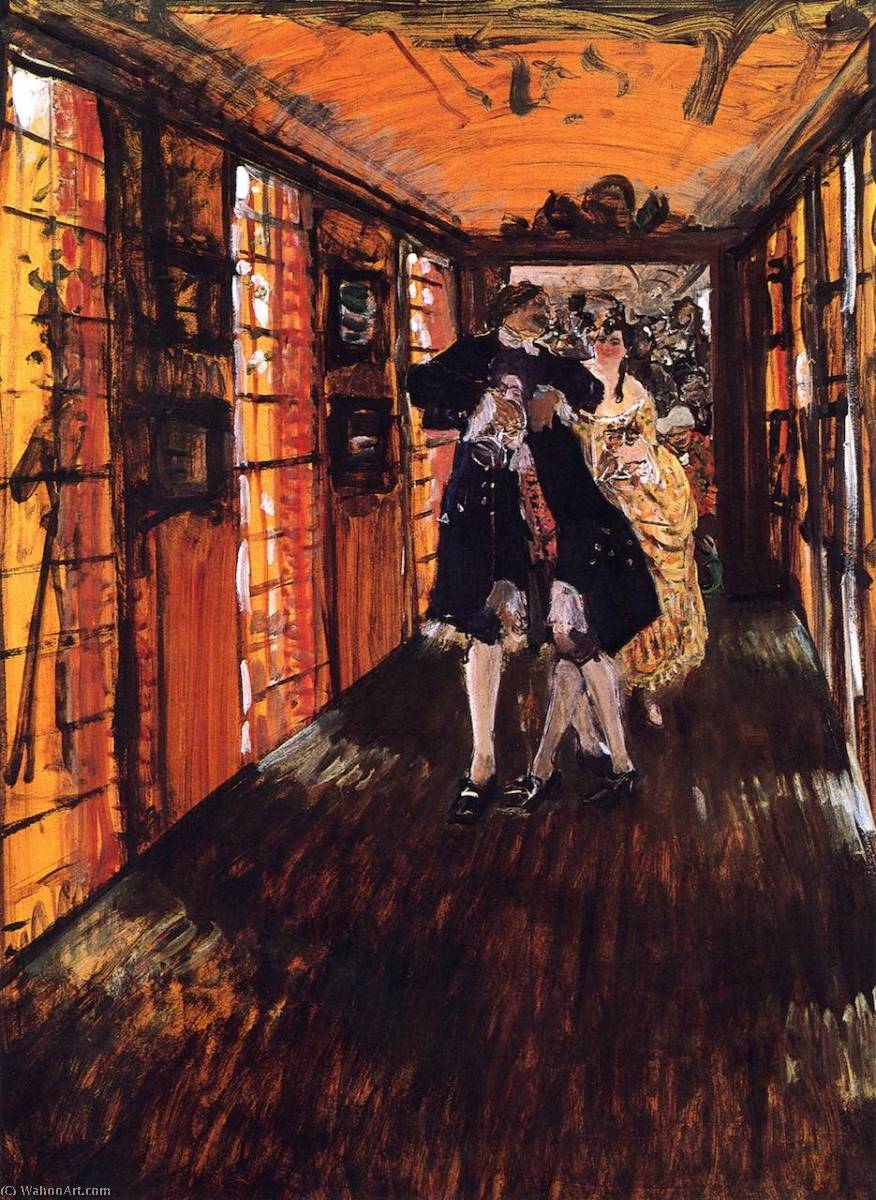
The Grand Eagle Cup


 Читать далее
Масляная репродукция ручной работы
Картина маслом на холсте в выбранном вами размере и раме, написанная на заказ нашими художниками. ( Перейти к печати Перейти к цифровым изображениям)




P118B $10

P118H $10

P118W $10

P438Z $10

P508JH $12

P508YH $12

P805H $10

P805Z $10

P919BZ $10

P919G $10

P919XJ $10

P959ZH $10

P968JZ $12

W106C $8

W218G $10

W218JH $8

W218Y $10

W307PJ $10

W316G $10

W316PJ $8

W316Y $10

W398PJ $8

W4111J $10

W500HY $15

W500JH $15

W692G $12

W849H $8

W940BG $15

W953PJ $8




Выберите один из наших стандартных размеров, соответствующих оригинальным пропорциям произведения искусства.

Вы можете указать собственные размеры, чтобы картина идеально вписалась в выбранную раму или пространство. Если выбранный вами размер не соответствует пропорциям оригинала, мы либо обрежем полотно, либо расширим его за счет дополнительных элементов, написанных вручную. Цифровой макет будет отправлен вам на утверждение перед началом производства.
Обратите внимание, что предварительный просмотр на экране не отражает фактическую обрезку или расширение. Только макет точно покажет окончательную композицию.
Хотя доступны индивидуальные размеры, мы рекомендуем выбирать вариант из предопределенного списка, чтобы сохранить исходные пропорции.
После оформления заказа команда ArtsDot.com свяжется с клиентом по электронной почте для уточнения деталей и предоставит предварительный макет
Доставка по всему миру () за 3–4 недели вместо стандартных 5 недель. (10 Сентябрь). Без компромиссов в качестве.

Бесплатная экспресс-доставка по всему миру

Высококачественный льняной холст

Полное страхование доставки

Гарантия возмещения таможенных пошлин

Гарантия точного соответствия цветов

100-дневная политика возврата (только при обнаружении дефектов)

Гарантия возврата 100% средств

Предложение оптовых скидок
 Вариант со стеклом доступен только для размеров менее 110 см

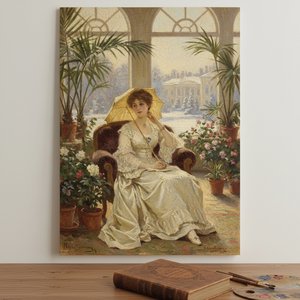
The Grand Eagle Cup
Техника репродукции
Размер репродукции
-


Итоговая стоимость
$ 263
A Glimpse into Intimate Domesticity: The Allure of Serov's Composition
To stand before Valentin Alexandrovich Serov’s The Grand Eagle Cup is to step through a veil and into a moment suspended in time—a quiet tableau vivant imbued with the warmth of memory. Painted in 1910, this work transcends a mere depiction of figures; it captures the delicate resonance of human connection within the sanctuary of an interior space. The composition immediately draws the eye to the three central figures: two women and a child, positioned as if caught mid-conversation or sharing a collective moment of observation directed just beyond the frame's edge. Serov masterfully orchestrates their grouping, creating a palpable sense of intimacy that invites the viewer into their private sphere.
Mastery in Tempera: Texture and Light
The technical brilliance of this piece cannot be overstated. Executed in tempera, the medium lends the surface a distinct, luminous texture—a quality that allows the play of light to become almost tangible. Notice how the artist has rendered the fabrics; the folds of the women's dresses, particularly the contrast between the high collar on the left and the lower neckline on the right, are treated with meticulous care. The background reinforces this sense of lived-in elegance. The suggestion of a hallway or corridor, punctuated by an ajar door to the left and softly curtained windows casting natural light from the right, establishes depth. These warm tones—the yellows and rich browns—do not merely decorate the scene; they envelop it, creating a cozy, almost nostalgic atmosphere that speaks directly to the viewer's sense of comfort.
The Echoes of Russian Realism
Valentin Serov’s career was deeply rooted in the tradition of Russian realism, yet his touch always retained an air of profound lyricism. Having trained under masters like Ilya Repin, his commitment to capturing human character is evident here. The figures possess a quiet dignity; their gazes, though directed outward, seem to reflect an inner world rich with unspoken narratives. This period piece, created just before the turn of the century, reflects a time when domestic life and portraiture held immense cultural weight in Russian art. It speaks to a sophisticated understanding of social grace blended seamlessly with raw emotional truth.
Symbolism and Enduring Connection
The symbolism within The Grand Eagle Cup is subtle but profound. The grouping of the three figures—the protective presence of the women surrounding the child—suggests themes of lineage, continuity, and shared experience. While the title hints at grandeur, the execution grounds the piece in the universal language of familial connection. For collectors and designers alike, this artwork offers more than just aesthetic beauty; it offers a visual anchor to moments of quiet grace. Reproducing such a work allows one to bring that carefully curated sense of warmth, history, and enduring human bond into a modern living space.
Похожие произведения
Биография художника
A Life Immersed in Art and Aristocracy
Valentin Alexandrovich Serov, born into a world already resonating with artistic brilliance on January 19, 1865, in Saint Petersburg, was destined to become one of Russia’s most celebrated portraitists. His lineage itself spoke volumes – the son of composer Alexander Serov and Valentina Bergman, also a gifted musician, young Valentin grew up enveloped by creativity. This nurturing environment wasn't merely about exposure; it instilled within him a deep appreciation for harmony, form, and emotional expression—qualities that would profoundly shape his artistic vision. From an early age, he was encouraged to explore his talents, receiving initial instruction in Paris and Moscow under the watchful eye of Ilya Repin, a master of realist painting. This foundational training emphasized observation, meticulous detail, and a commitment to capturing the essence of human character. Later studies at the St. Petersburg Academy of Arts with Pavel Chistyakov further honed his technical skills, grounding him in classical principles while simultaneously fostering an emerging individuality. Serov’s upbringing wasn't solely artistic; it was also deeply intertwined with Russia’s elite circles, providing access to a world he would later immortalize on canvas.The Blossoming of a Portraitist: Early Works and Influences
Serov’s early period is marked by an extraordinary sensitivity to light and atmosphere, evident in works like *Girl with Peaches* (1887) and *Girl Covered by the Sun* (1888). These paintings, now iconic treasures of the Tretyakov Gallery, weren't simply portraits; they were studies in fleeting moments, capturing the ephemeral beauty of childhood. The loose brushwork and vibrant color palette hinted at an Impressionistic sensibility, yet remained firmly rooted in a realist tradition. He wasn’t merely depicting likenesses but conveying a sense of spontaneity and inner life. This ability to capture psychological depth became a hallmark of his style. He absorbed influences from the Old Masters during visits to European museums, studying Rembrandt, Velázquez, and Veronese, learning their techniques for rendering light, shadow, and texture. The artistic colony at Abramtsevo also played a crucial role in his development, exposing him to new ideas and fostering collaborations with fellow artists like Mikhail Vrubel and Konstantin Korovin. These interactions broadened his horizons and encouraged experimentation. His portraits of the 1890s – **Konstantin Korovin**, **Isaac Levitan**, and **Nikolai Leskov** – demonstrate a growing confidence in his ability to convey not just physical appearance but also the intellectual and emotional character of his subjects.Navigating Tradition and Modernity: A Shifting Style
As Serov matured, his artistic style underwent a subtle yet significant transformation. While he continued to receive commissions from Russia’s aristocracy – portraits of Grand Duke Pavel Alexandrovich, S.M. Botkin, and Felix Yusupov attest to this – his approach became more nuanced and psychologically penetrating. He moved away from the purely descriptive towards a deeper exploration of character, often employing a restrained palette dominated by blacks, greys, and browns to emphasize mood and introspection. From 1900 onwards, Serov’s work began to reflect a growing engagement with modernism, though he never fully abandoned his commitment to realism. He became involved with the influential art association *Mir Iskusstva* (“World of Art”), which championed new artistic trends and challenged traditional conventions. This association exposed him to Art Nouveau aesthetics and encouraged experimentation with form and composition. His portrait of **Maxim Gorky** (1904) exemplifies this shift, presenting a powerful and unconventional depiction of the writer as a man of the people. He skillfully balanced his academic training with emerging artistic currents, creating a unique style that was both sophisticated and emotionally resonant.Major Achievements and Recognition
Throughout his career, Valentin Serov achieved widespread recognition for his exceptional talent and distinctive style. He became a member of the St. Petersburg Academy of Arts in 1903, a testament to his growing influence within the Russian art establishment. His works were exhibited extensively both in Russia and abroad, garnering critical acclaim and attracting collectors from around the world. Serov’s portraits are particularly celebrated for their psychological depth, capturing not only the outward appearance but also the inner lives of his subjects. His ability to convey a sense of immediacy and emotion through his brushwork set him apart from many of his contemporaries. He was known for his meticulous attention to detail, his masterful use of light and color, and his profound understanding of human nature. His work is now considered a cornerstone of Russian portraiture, influencing generations of artists who followed in his footsteps.Legacy and Lasting Impact
Valentin Serov’s untimely death on December 5, 1911, at the age of 46, cut short a brilliant career, but his legacy endures as one of Russia's most important portrait painters. He left behind a body of work that not only captured the likenesses of his contemporaries but also offered profound insights into Russian society and culture at a pivotal moment in history. His ability to combine technical mastery with psychological depth set him apart from his peers, and his paintings continue to captivate audiences today.- He bridged the gap between realism and modernism.
- His portraits offer invaluable glimpses into the lives of Russia’s elite.
- His influence can be seen in the work of subsequent generations of Russian artists.
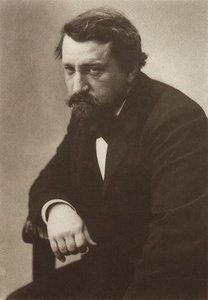
Валентин Серёв
1865 - 1911 , Россия
Основные сведения
- Artistic Movement Or Style: Импрессионизм, модерн
- Artists Or Movements Influenced By This Artist: ['Мир Искусства']
- Artists Who Influenced This Artist:
- Илья Репин
- Павел Чистяков
- Date Of Birth: 19 января 1865 г.
- Date Of Death: 5 декабря 1911 г.
- Full Name: Валентин Александрович Серов
- Nationality: Русский
- Notable Artworks:
- Девушка с персиками
- Портрет Коровкина
- Place Of Birth: Санкт-Петербург, Россия
Похожие статьи
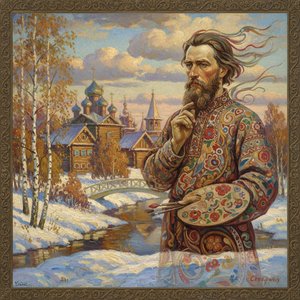
Igor Grabar: Bridging Impressionism & National Identity in Russian Modern Art
Explore the life & art of Igor Grabar, a pivotal figure in Russian Modernism. Discover his Impressionist landscapes, crucial role in art history, and legacy at the Tretyakov Gallery. A deep dive into a master painter & scholar.
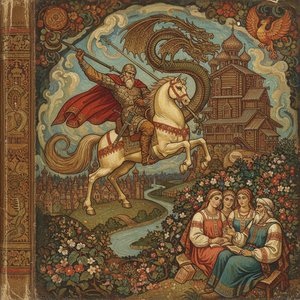
Victor Vasnetsov: Myth, Nationalism & the Revival of Russian Fairy Tale Painting
Explore the captivating world of Victor Vasnetsov, a co-founder of Russian folklorist painting. Discover his iconic works, influence on national identity, and lasting legacy in this expert guide.
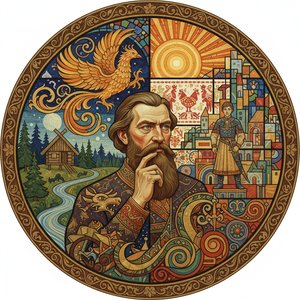
Ivan Bilibin: A Synthesis of Folklore, Modernism & National Identity in Russian Illustration
Explore the enchanting world of Ivan Bilibin, a master Russian illustrator who synthesized folklore, Art Nouveau & national identity. Discover his iconic fairy tale illustrations and legacy with ArtsDot.
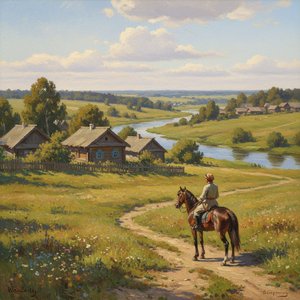
Vasily Polenov: A Pioneer of Landscape Impressionism & Russian National Identity
Explore the captivating landscapes of Vasily Polenov, a pivotal figure in Russian art history. Discover his lyrical realism, biblical series & influence on Impressionism. Learn about the 'Knight of Beauty' and his enduring legacy.
Valentin Serov: Capturing the Soul of Russia’s Belle Époque
Explore the captivating portraits of Valentin Serov, Russia’s leading Belle Époque artist. Discover his psychological depth, realistic style & lasting influence on Russian art history. Learn more at ArtsDot.