

 Предпросмотр
 Поделиться
 Поделиться
 Детали произведения

 Скачать
 Похожие работы
 Рентгенография
 Слайд-шоу
 Статистика
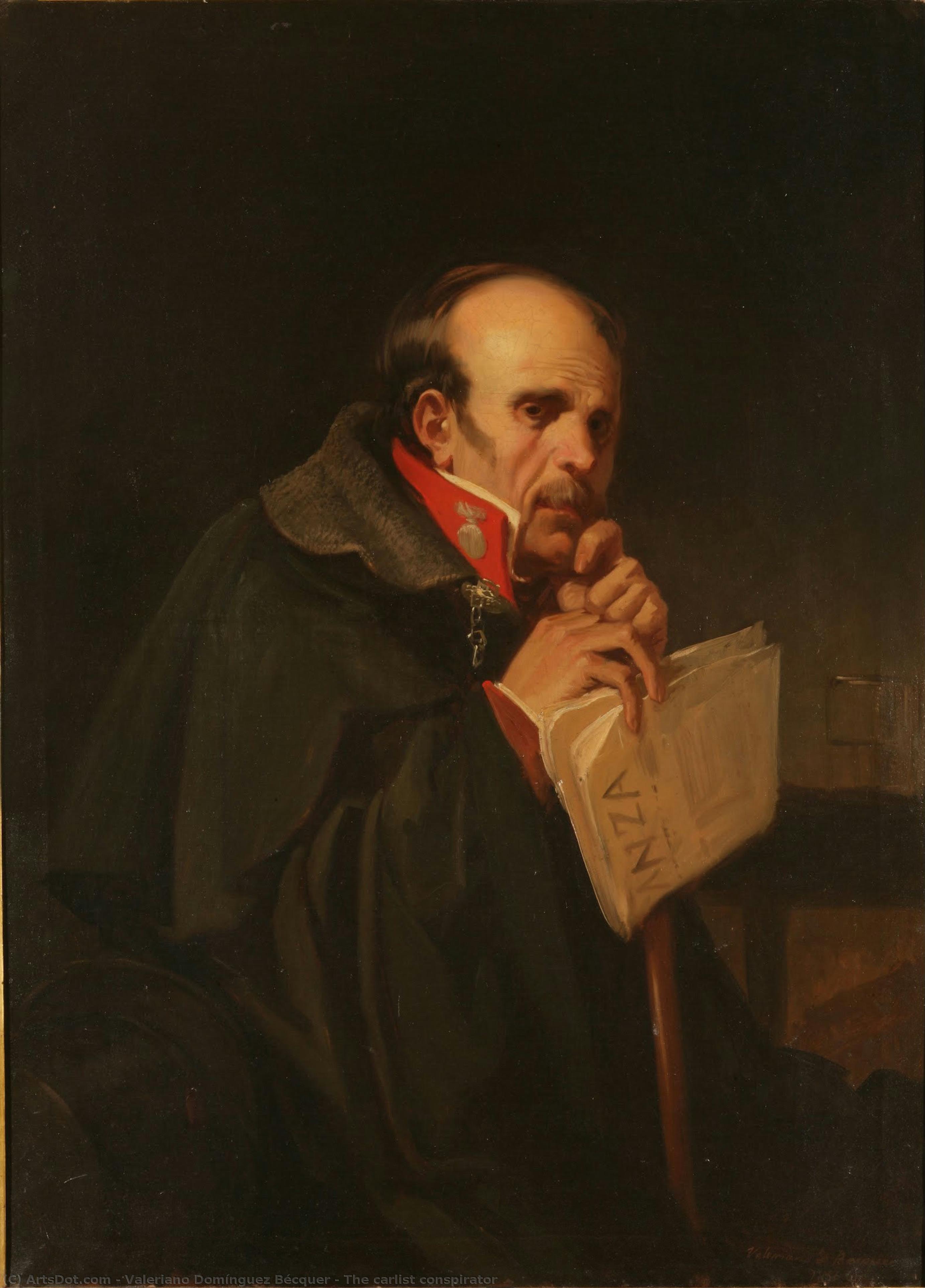
The carlist conspirator
 1856
1856 70.0 x 96.0 cm
 Национальный музей романтизма
 Читать далее
Приобретите цифровое изображение высокого разрешения в улучшенном качестве, которое значительно превосходит онлайн-превью.
Каждый файл тщательно подготавливается нашими специалистами с использованием передовых инструментов и экспертной ручной ретуши. Мы гарантируем исключительную четкость, точную цветопередачу и детальную проработку каждого изображения.
Финальный файл доставляется по электронной почте в течение 72 часов и оптимизирован для немедленного использования в профессиональной среде, при верстке и печати. Это тот же уровень качества, которому доверяют ведущие дизайнерские студии, издательства и галереи.
Цифровое изображение
Скачайте файл высокого разрешения для личного использования, печати и творческих проектов. ( Перейти к печати Купить картину ручной работы)
Включено в каждый заказ цифровых изображений
Гарантия экспертной цифровой доставки
Выбирая ArtsDot.com, вы получаете не просто изображение — вы приобретаете профессионально обработанное цифровое произведение искусства, созданное с безупречной точностью и под защитой гарантии качества. Вот всё, что автоматически входит в ваш заказ:

Мгновенная доставка по e-mail
Ваш цифровой файл в высоком разрешении будет отправлен вам по электронной почте в течение 72 часов после оформления заказа — и сразу станет доступен для использования.

Цифровой файл с ИИ-улучшением
Ваше произведение искусства проходит профессиональную оптимизацию с использованием передовых инструментов ИИ и ручной обработки, что гарантирует максимальную детализацию, четкость и точность цветопередачи.

Бессрочная бесплатная повторная доставка
Случайно удалили или потеряли файл? Не беспокойтесь — мы отправим его вам повторно в любое время и совершенно бесплатно.

Без импортных пошлин — навсегда
Наслаждайтесь вашим произведением искусства мгновенно без таможенных пошлин, сборов или затрат на доставку — цифровые загрузки всегда не облагаются налогом.

Гарантия точности цветопередачи
Мы гарантируем, что ваше цифровое изображение максимально точно передает оригинальные цвета благодаря использованию профессиональных инструментов и систем управления цветом.

Гарантия удовлетворенности 100 дней
Если вы не будете удовлетворены своим цифровым изображением, мы внесем правки или вернем 100% стоимости в течение 100 дней — без лишних вопросов.

100% Гарантия возврата средств
Не удовлетворены покупкой? Получите полный возврат средств в течение 100 дней после получения цифрового файла — без лишних вопросов.

Скидки на оптовые заказы
Купите 3 изображения, сэкономьте 10% — Купите 5, сэкономьте 15% — Купите 10+, сэкономьте 20%. Отличное решение для творческих проектов, галерей и агентств.
Похожие произведения






Биография художника
Edward Burne-Jones: A Dreamer of Romantic Visions
Edward Burne-Jones (1833–1898) stands as a pivotal figure in the late 19th-century art world, a master of evocative imagery and a key architect of the Pre-Raphaelite movement’s mature aesthetic. Born in Birmingham, England, his artistic journey was less a linear progression through formal training and more a passionate immersion into the realms of myth, legend, and classical beauty—a pursuit largely self-directed yet profoundly shaped by the influential figures who guided him early on. Burne-Jones wasn't merely a painter; he was a designer, a storyteller, and ultimately, a weaver of dreams onto canvas. His work resonated with a yearning for an idealized past, a world steeped in romance and imbued with a sense of timelessness that captivated audiences and continues to enthrall viewers today.Early Influences and Artistic Foundations
Burne-Jones’s initial path toward art was initially rooted in the religious—he intended to become a clergyman at Oxford University. However, his burgeoning artistic sensibilities were quickly ignited by encounters with William Morris and Dante Gabriel Rossetti. Morris, a fellow student and a leading figure in the Arts and Crafts movement, introduced Burne-Jones to the principles of craftsmanship and the beauty of medieval design. Rossetti, on the other hand, provided crucial instruction in painting techniques and fostered an appreciation for the Pre-Raphaelite emphasis on vibrant color, meticulous detail, and a rejection of academic conventions. Crucially, Burne-Jones’s artistic eye was drawn to the classical world—particularly Botticelli—whose elongated figures and graceful compositions served as a foundational model for his own style. Unlike Rossetti's focus on Victorian sensuality, Burne-Jones favored a more restrained, almost ethereal beauty, often drawing inspiration from medieval romances and Arthurian legends. He famously declared that he aimed to create “a beautiful romantic dream,” a vision of something never truly existing but perpetually desired—a sentiment deeply embedded in his artistic practice.A Style Defined by Myth and Majesty
Burne-Jones’s distinctive style is immediately recognizable through its rich, saturated colors, meticulously rendered details, and a tendency towards monumental scale. His subjects frequently revolved around classical mythology, medieval legends, and the chivalric romances of the Middle Ages—particularly those centered on King Arthur. Works like *The Lady of Shalott* (1888) exemplify this aesthetic perfectly: a haunting depiction of the tragic Isolde, trapped within her tower weaving tapestries that mirror her fate, rendered in a palette of deep blues and greens against a backdrop of shimmering light. Similarly, *St George and the Dragon* (1876-77) showcases his ability to imbue even the most dramatic narratives with an almost dreamlike quality. His compositions often feature figures arranged within frieze-like arrangements, creating a sense of timelessness and grandeur. Burne-Jones deliberately avoided the fleeting effects of Impressionism, preferring instead to create stable, enduring images that captured a specific mood or atmosphere rather than a momentary impression.Design and Decoration: Beyond the Canvas
Burne-Jones’s artistic talents extended far beyond painting; he was a highly sought-after designer for the Arts and Crafts movement. He collaborated extensively with William Morris, contributing to the design of stained glass windows, tapestries, furniture, and book illustrations for Kelmscott Press publications. These decorative works demonstrate his mastery of pattern, color, and texture—skills honed through years of meticulous observation and a deep appreciation for craftsmanship. His designs were characterized by their intricate detail, rich symbolism, and a commitment to reviving traditional motifs and techniques. The influence of Burne-Jones’s work can be seen throughout the Arts and Crafts movement, shaping the aesthetic sensibilities of a generation of designers and artisans.Legacy and Recognition
Despite initial acclaim, Burne-Jones's reputation experienced a period of decline after his death in 1898. Some critics dismissed his work as overly sentimental or “morbid,” while others found it lacking the dynamism of contemporary artistic trends. However, beginning in the 1960s, a renewed appreciation for his unique vision and technical skill led to a significant revival of interest in his art. Today, Burne-Jones is recognized as one of the most important figures in Pre-Raphaelite painting—a master of romantic imagery who continues to inspire artists and captivate audiences with his evocative visions of myth, legend, and timeless beauty. His works are prominently displayed in museums around the world, including the City Art Gallery in Birmingham, where a significant collection remains testament to his enduring legacy.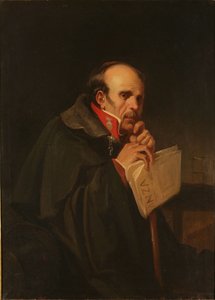
valeriano domínguez bécquer
1833 - 1870 , Spain
Основные сведения
- Artistic Movement Or Style: Painting
- Artists Who Influenced This Artist: ['Jean-Baptiste Regnault],\n "Artists or movements influenced by this artist": ["First Empire"]\n}']
- Date Of Birth: 13 March 1774
- Date Of Death: 6 July 1833
- Full Name: Pierre-Narcisse Guérin
- Nationality: French
- Notable Artworks:
- Return of Marcus Sextus
- Phaedra and Hippolytus
- Andromache and Pyrrhus
- Aurora and Cephalus
- Place Of Birth: Paris, France