

 Поделиться
 Поделиться
 Детали произведения

 Скачать
 Похожие работы
 Слайд-шоу
 Статистика
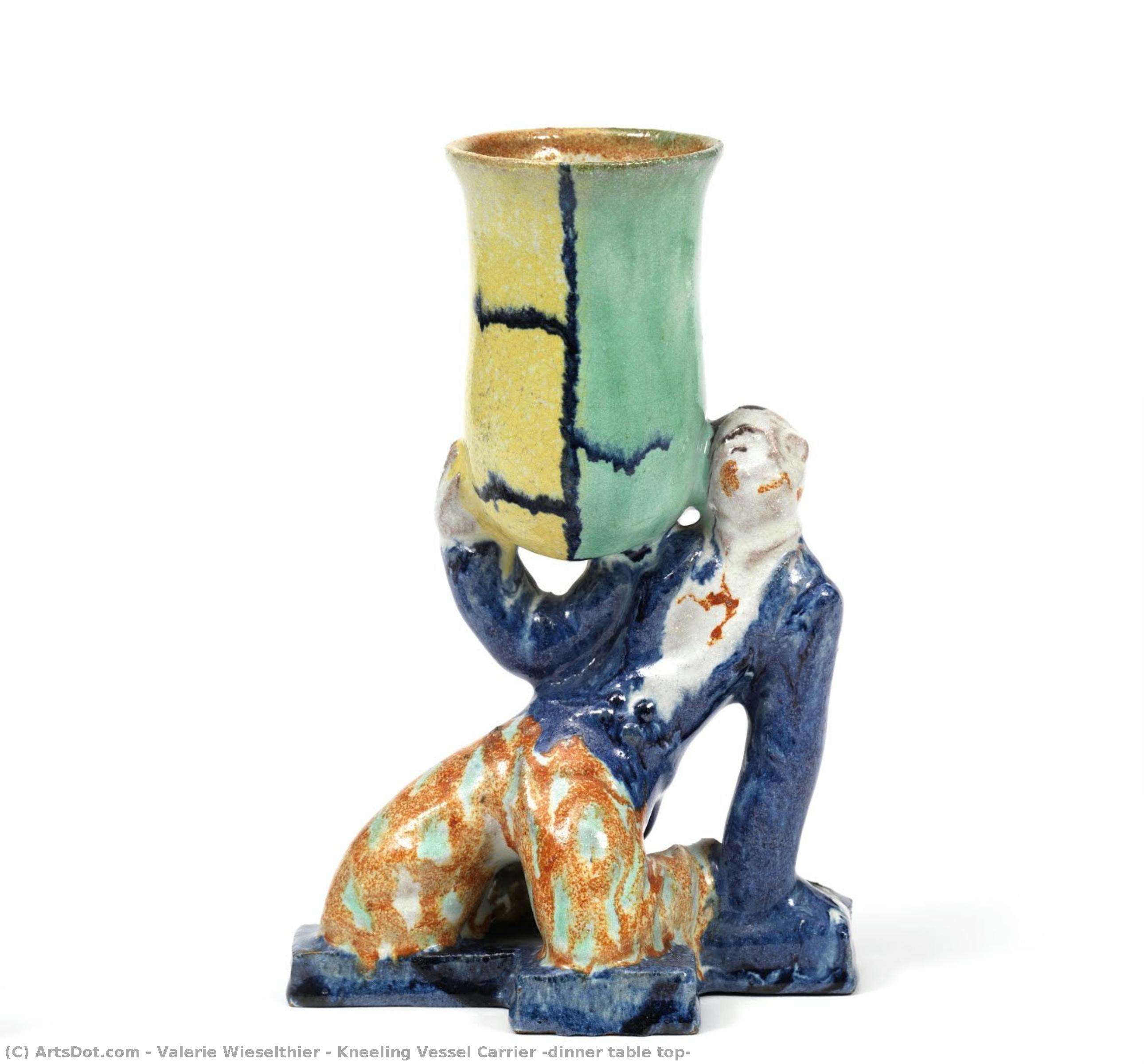
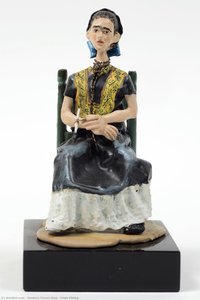
Kneeling Vessel Carrier (dinner table top)


 Читать далее
Приобретите цифровое изображение высокого разрешения в улучшенном качестве, которое значительно превосходит онлайн-превью.
Каждый файл тщательно подготавливается нашими специалистами с использованием передовых инструментов и экспертной ручной ретуши. Мы гарантируем исключительную четкость, точную цветопередачу и детальную проработку каждого изображения.
Финальный файл доставляется по электронной почте в течение 72 часов и оптимизирован для немедленного использования в профессиональной среде, при верстке и печати. Это тот же уровень качества, которому доверяют ведущие дизайнерские студии, издательства и галереи.
Цифровое изображение
Скачайте файл высокого разрешения для личного использования, печати и творческих проектов. ( Перейти к печати Купить картину ручной работы)
Включено в каждый заказ цифровых изображений
Гарантия экспертной цифровой доставки
Выбирая ArtsDot.com, вы получаете не просто изображение — вы приобретаете профессионально обработанное цифровое произведение искусства, созданное с безупречной точностью и под защитой гарантии качества. Вот всё, что автоматически входит в ваш заказ:

Мгновенная доставка по e-mail
Ваш цифровой файл в высоком разрешении будет отправлен вам по электронной почте в течение 72 часов после оформления заказа — и сразу станет доступен для использования.

Цифровой файл с ИИ-улучшением
Ваше произведение искусства проходит профессиональную оптимизацию с использованием передовых инструментов ИИ и ручной обработки, что гарантирует максимальную детализацию, четкость и точность цветопередачи.

Бессрочная бесплатная повторная доставка
Случайно удалили или потеряли файл? Не беспокойтесь — мы отправим его вам повторно в любое время и совершенно бесплатно.

Без импортных пошлин — навсегда
Наслаждайтесь вашим произведением искусства мгновенно без таможенных пошлин, сборов или затрат на доставку — цифровые загрузки всегда не облагаются налогом.

Гарантия точности цветопередачи
Мы гарантируем, что ваше цифровое изображение максимально точно передает оригинальные цвета благодаря использованию профессиональных инструментов и систем управления цветом.

Гарантия удовлетворенности 100 дней
Если вы не будете удовлетворены своим цифровым изображением, мы внесем правки или вернем 100% стоимости в течение 100 дней — без лишних вопросов.

100% Гарантия возврата средств
Не удовлетворены покупкой? Получите полный возврат средств в течение 100 дней после получения цифрового файла — без лишних вопросов.

Скидки на оптовые заказы
Купите 3 изображения, сэкономьте 10% — Купите 5, сэкономьте 15% — Купите 10+, сэкономьте 20%. Отличное решение для творческих проектов, галерей и агентств.
The Graceful Burden: An Art Deco Vision in Ceramic Form
To stand before Valerie Wieselthier’s Kneeling Vessel Carrier is to encounter a moment suspended between devotion and artistry. This ceramic sculpture, dating from 1928, does more than merely occupy space; it orchestrates a visual narrative. The piece immediately arrests the eye with its vibrant interplay of color—the electric blues, rich greens, and warm oranges—all contained within the stylized embrace of Art Deco design. It speaks to an era obsessed with geometric perfection and streamlined elegance, yet imbues that modernity with a profound sense of human grace.
Stylistic Echoes and Technical Mastery
Wieselthier’s handling of the medium is nothing short of masterful. The sculpture appears molded from glazed ceramic, allowing the artist to achieve forms that are simultaneously fluid and rigidly structured. Notice how the lines defining the kneeling figure and the towering vase are both flowing and geometrically precise—a hallmark of the period's decorative arts movement. The simplification of naturalistic form into bold, stylized shapes is key; every curve serves a decorative purpose. This technique transforms what might otherwise be a depiction of labor into an object of pure, vibrant aesthetic pleasure, making it a breathtaking centerpiece for any sophisticated interior.
Symbolism in the Posture and Object
The subject matter itself invites contemplation. The kneeling posture traditionally suggests humility, service, or perhaps deep reverence. This figure bears aloft a tall, cylindrical vase, an object that carries both visual weight and symbolic meaning—it can represent offering, memory, or even the burden of beauty itself. In the context of early 20th-century decorative art, such allegorical pieces often served to elevate the mundane into the mythological. The combination suggests a devotion so profound it becomes monumental, turning an everyday act of carrying into an enduring piece of visual poetry.
A Touch of Viennese Modernity
Created in 1928, this work sits perfectly within the cultural ferment leading up to the tumultuous years that followed. While Wieselthier’s biography connects her to a rich background, the resulting artwork embodies the sophisticated, decorative spirit often associated with Central European modernism—a style that embraced bold color and streamlined forms while retaining an underlying sense of narrative depth. For the collector or designer seeking an authentic piece of decorative history, this sculpture offers not just decoration, but a tangible connection to the artistic aspirations of the Jazz Age.
Bringing the Art Deco Spirit Home
Whether you are curating a grand dining hall or adding a singular focal point to a drawing-room, the Kneeling Vessel Carrier promises an immediate infusion of color and sophisticated energy. Reproducing this piece allows one to partake in its decorative elegance without needing the provenance of the original masterwork. It is an object that demands attention, whispering tales of stylized beauty and enduring human devotion through its vibrant glaze and impeccable form.
Похожие произведения


Биография художника
The Enigmatic Vision of Gluck
Hannah Gluckstein, later known as Gluck, emerged from the vibrant and somewhat bohemian atmosphere of late 19th-century London to become a singular figure in British art. Born on August 13, 1895, into a wealthy Jewish family deeply rooted in the burgeoning commercial world – her father, Joseph Gluckstein, was a key player in J. Lyons & Co., the tea and confectionery giant – Gluck’s early life was marked by both privilege and a subtle sense of alienation. Her mother, Francesca Halle, a former opera singer, instilled in her a love for art and a spirit of independence, while her father's rigid expectations and desire for a “Canadian education” created an underlying tension that would inform much of her later work. This complex family dynamic, coupled with the loss of her mother at a young age, shaped Gluck’s artistic sensibility, fostering a quiet intensity and a profound exploration of personal relationships. Gluck's formal art training began at Dame School in Swiss Cottage and continued at St Paul’s Girls’ School, but it was her move to Cornwall in 1913 that proved transformative. Drawn to the rugged beauty of the West Country, she joined the burgeoning artists’ colony at Lamorna, a community of painters and writers who sought inspiration from the dramatic coastline and the close-knit social life. This environment provided a crucial space for experimentation and self-discovery, allowing her to develop her distinctive style – characterized by intimate portraits, evocative landscapes, and a subtle yet powerful use of color. The influence of artists like Paul Gauguin, who had already established himself in Tahiti, was palpable, but Gluck forged her own path, creating images that were both deeply personal and imbued with a sense of melancholy and longing.A World of Intimacy: Subject Matter and Technique
Gluck’s artistic focus centered primarily on portraiture and depictions of the Cornish landscape. Her portraits are not grand or imposing; instead, they capture fleeting moments of intimacy and vulnerability. She frequently depicted herself alongside her lovers – a series of striking self-portraits with figures like Nesta Obermer, a fellow artist and muse – offering a rare glimpse into lesbian relationships during an era when such subjects were largely taboo. These images are not overtly erotic but rather convey a deep sense of connection and shared experience. Her landscapes, too, are imbued with emotion, capturing the wild beauty of Cornwall’s coastline and the quiet solitude of its moorlands. Technically, Gluck's style evolved over time. Initially influenced by Impressionism, she gradually developed a more expressive approach, employing loose brushstrokes and vibrant colors to convey mood and atmosphere. She was particularly adept at using color to create a sense of depth and luminosity, capturing the shifting light and shadows of the Cornish landscape. Her work is often described as “atmospheric,” reflecting her ability to evoke a particular feeling or mood through subtle variations in tone and hue. She experimented with various media including oil paint, watercolor, and pastel, adapting her technique to suit the subject matter and desired effect.The Rise of a Unique Voice: Recognition and Legacy
Despite her talent and growing reputation within the Cornish art community, Gluck faced significant challenges in gaining wider recognition during her lifetime. Her unconventional lifestyle – including her open relationships and refusal to conform to societal expectations – often drew criticism and skepticism. However, she persevered, continuing to exhibit her work independently and building a loyal following among collectors and fellow artists. Her paintings were included in several important exhibitions, including the Royal Academy Exhibition of 1895, showcasing her talent to a broader audience. Gluck’s legacy is one of quiet strength and artistic integrity. Her intimate portraits and evocative landscapes offer a unique window into the lives and relationships of women at the turn of the century. Her work has been increasingly recognized in recent years for its emotional depth and stylistic innovation, solidifying her place as a significant figure in British art history. The rediscovery of her extensive body of work—particularly her self-portraits with Obermer—has sparked renewed interest in her life and art, revealing the complexities of a woman who defied convention and created a truly singular artistic vision.Key Influences and Connections
Gluck’s artistic development was shaped by a confluence of influences. The Barbizon School painters, with their emphasis on plein-air painting and realistic depictions of rural life, provided an early foundation for her understanding of landscape. The Impressionists, particularly Monet and Pissarro, influenced her use of color and light, while Paul Gauguin’s exploration of exotic subjects and emotional intensity resonated deeply with her own artistic sensibilities. Her association with the Lamorna artists—including Wilhelmina Franck and Frank O'Neil—provided a supportive community and fostered a spirit of experimentation. Furthermore, her connections to other prominent figures in the London art scene, such as Aubrey Beardsley, broadened her exposure to contemporary trends and artistic ideas.A Final Note: The Enduring Power of Intimacy
Gluck’s life and work serve as a testament to the power of individual expression and the importance of challenging societal norms. Her paintings are not merely representations of people and places; they are intimate explorations of human relationships, emotions, and experiences. Her legacy continues to inspire artists today, reminding us that true art is born from vulnerability, honesty, and a willingness to embrace one’s own unique perspective. Gluck died on January 10, 1978, leaving behind a remarkable body of work that offers a poignant glimpse into the life and times of a truly exceptional artist.
valerie wieselthier
1895 - 1945