

 Предпросмотр
 Поделиться
 Поделиться
 Детали произведения

 Скачать
 Похожие работы
 Рентгенография
 Слайд-шоу
 Статистика
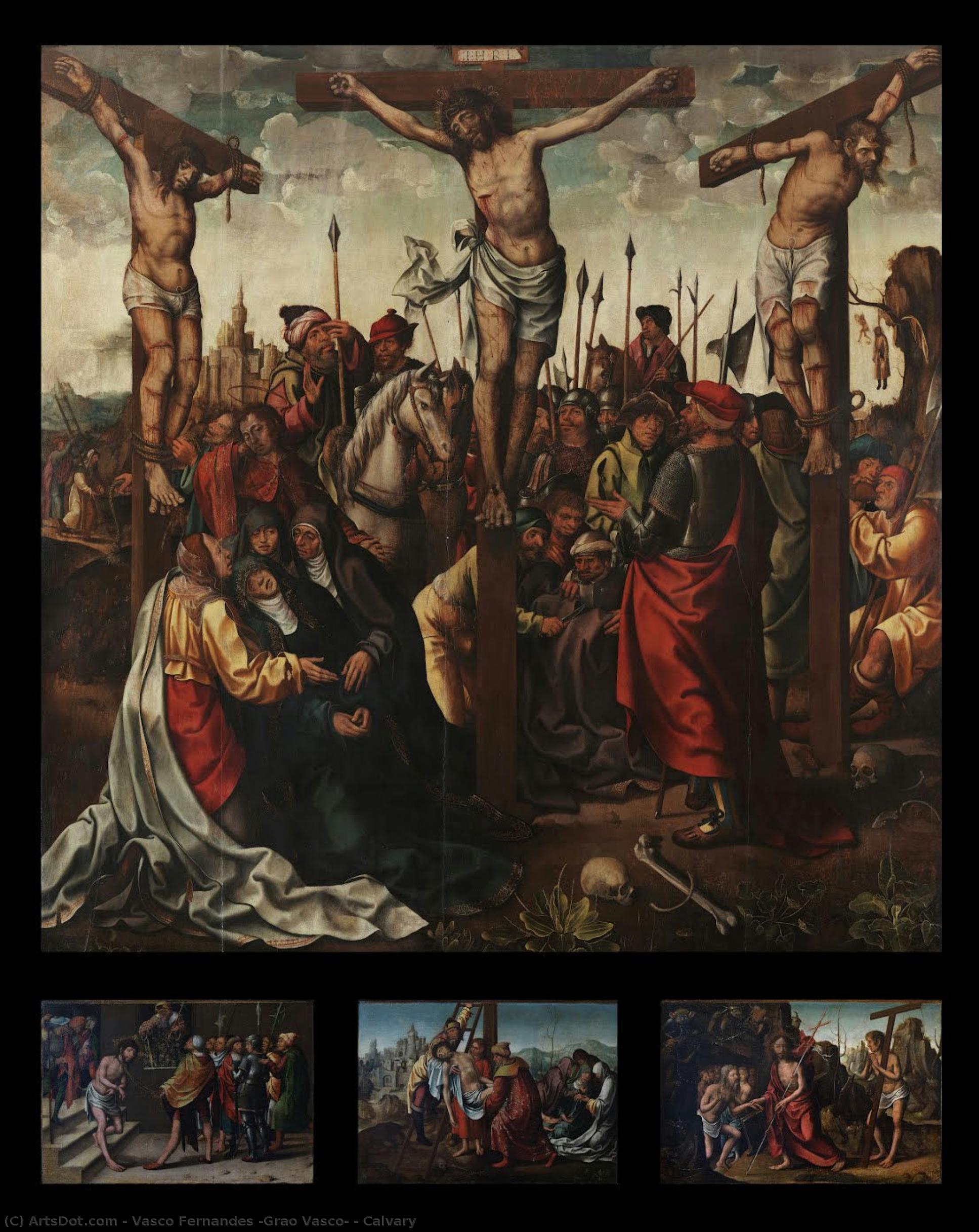
Calvary
 1530
1530 242.0 x 239.0 cm
 Grão Vasco National Museum
 Читать далее
Приобретите цифровое изображение высокого разрешения в улучшенном качестве, которое значительно превосходит онлайн-превью.
Каждый файл тщательно подготавливается нашими специалистами с использованием передовых инструментов и экспертной ручной ретуши. Мы гарантируем исключительную четкость, точную цветопередачу и детальную проработку каждого изображения.
Финальный файл доставляется по электронной почте в течение 72 часов и оптимизирован для немедленного использования в профессиональной среде, при верстке и печати. Это тот же уровень качества, которому доверяют ведущие дизайнерские студии, издательства и галереи.
Цифровое изображение
Скачайте файл высокого разрешения для личного использования, печати и творческих проектов. ( Перейти к печати Купить картину ручной работы)
Включено в каждый заказ цифровых изображений
Гарантия экспертной цифровой доставки
Выбирая ArtsDot.com, вы получаете не просто изображение — вы приобретаете профессионально обработанное цифровое произведение искусства, созданное с безупречной точностью и под защитой гарантии качества. Вот всё, что автоматически входит в ваш заказ:

Мгновенная доставка по e-mail
Ваш цифровой файл в высоком разрешении будет отправлен вам по электронной почте в течение 72 часов после оформления заказа — и сразу станет доступен для использования.

Цифровой файл с ИИ-улучшением
Ваше произведение искусства проходит профессиональную оптимизацию с использованием передовых инструментов ИИ и ручной обработки, что гарантирует максимальную детализацию, четкость и точность цветопередачи.

Бессрочная бесплатная повторная доставка
Случайно удалили или потеряли файл? Не беспокойтесь — мы отправим его вам повторно в любое время и совершенно бесплатно.

Без импортных пошлин — навсегда
Наслаждайтесь вашим произведением искусства мгновенно без таможенных пошлин, сборов или затрат на доставку — цифровые загрузки всегда не облагаются налогом.

Гарантия точности цветопередачи
Мы гарантируем, что ваше цифровое изображение максимально точно передает оригинальные цвета благодаря использованию профессиональных инструментов и систем управления цветом.

Гарантия удовлетворенности 100 дней
Если вы не будете удовлетворены своим цифровым изображением, мы внесем правки или вернем 100% стоимости в течение 100 дней — без лишних вопросов.

100% Гарантия возврата средств
Не удовлетворены покупкой? Получите полный возврат средств в течение 100 дней после получения цифрового файла — без лишних вопросов.

Скидки на оптовые заказы
Купите 3 изображения, сэкономьте 10% — Купите 5, сэкономьте 15% — Купите 10+, сэкономьте 20%. Отличное решение для творческих проектов, галерей и агентств.
Похожие произведения







Биография художника
The Master of Viseu: The Life and Legacy of Grão Vasco
In the heart of the Portuguese Renaissance, few names resonate with as much reverence as Vasco Fernandes, known to history by the affectionate moniker Grão Vasco. Born around 1475 in the historic city of Viseu, Fernandes emerged as a titan of the 16th century, a painter whose brush captured the spiritual fervor and burgeoning worldly splendor of his era. His life’s work represents a profound intersection of Northern European technical precision and a uniquely Portuguese soul, creating a visual language that defined the Manueline period—an age of maritime discovery and ornate, decorative magnificence.
The foundation of Fernandes' extraordinary skill was laid in the workshops of his contemporaries, most notably under the influence of Joaneanes. This connection to Flemish traditions was transformative; it introduced him to the sophisticated medium of oil painting, which allowed for a level of luminosity and microscopic detail previously unseen in the Iberian Peninsula. Through this lineage, Vasco learned to manipulate light and shadow, mastering the art of chiaroscroll and the delicate layering of pigments to create textures that seemed almost tactile to the viewer. This synthesis of Flemish realism with a local, emotive sensibility became the hallmark of his mature style.
A Tapestry of Faith and Detail
The oeuvre of Grão Vasco is characterized by its monumental altarpieces, which served not merely as decorations but as profound theological windows for the faithful. His ability to weave complex religious narratives into compositions of immense dramatic power is perhaps best observed in his treatment of sacred subjects. In works such as Baptism of Christ, one can witness a breathtaking command of dynamic movement and spiritual pathos. The luminous details of the water and the divine light descending upon the scene reflect a master at the height of his technical prowess, using every brushstroke to evoke a sense of the miraculous.
Beyond the singular figures of saints, Fernandes possessed a remarkable ability to capture human emotion and communal tension. His interpretations of the Last Supper stand as towering achievements of Renaissance artistry. In these compositions, the artist moves beyond simple iconography to explore the psychological depth of the disciples, utilizing the dramatic interplay of light to highlight the gravity of Christ's final meal. The meticulous attention to drapery, the symbolic use of flora, and the architectural grandeur within his paintings all contribute to a sense of Manueline splendor—a style that mirrors the richness of Portugal's golden age of exploration.
Historical Significance and Enduring Influence
The historical importance of Vasco Fernandes cannot be overstated; he was the architect of a national aesthetic. By integrating the meticulousness of the North with the decorative exuberance of the Portuguese court, he provided a visual identity for a nation at the zenith of its power. His legacy is found in the way he elevated the status of the painter from a mere craftsman to a profound storyteller of the human and divine condition.
Today, the works of Grão Vasco continue to captivate audiences worldwide, serving as essential touchstones for anyone seeking to understand the Renaissance in Southern Europe. His contributions can be summarized through several key artistic pillars:
- Technical Innovation: The masterful adoption and refinement of Flemish oil painting techniques within Portugal.
- Cultural Synthesis: The seamless blending of Northern European realism with the ornate, maritime-inspired Manueline style.
- Spiritual Narrative: An unparalleled ability to translate complex religious doctrines into emotionally resonant visual experiences.
- National Identity: Establishing a definitive Portuguese school of painting that stood alongside the great traditions of Italy and Flanders.
As we gaze upon the enduring brilliance of his altarpieces, we see more than just paint on wood; we see the heartbeat of a Renaissance era, preserved through the visionary eyes of Grão Vasco.
Вашку Фернандеш (Грау Вашку)
1475 - 1542