

 Поделиться
 Поделиться
 Детали произведения

 Скачать
 Похожие работы
 Слайд-шоу
 Статистика
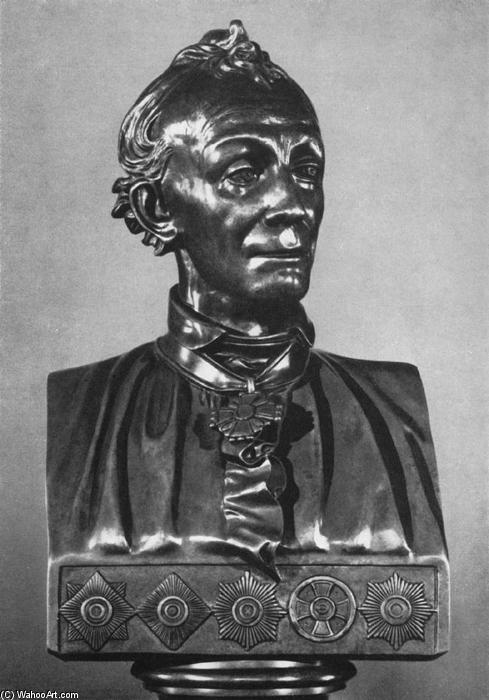
Bust of Suvorov


 Читать далее
Масляная репродукция ручной работы
Картина маслом на холсте в выбранном вами размере и раме, написанная на заказ нашими художниками. ( Перейти к печати Перейти к цифровым изображениям)




































Выберите один из наших стандартных размеров, соответствующих оригинальным пропорциям произведения искусства.

Вы можете указать собственные размеры, чтобы картина идеально вписалась в выбранную раму или пространство. Если выбранный вами размер не соответствует пропорциям оригинала, мы либо обрежем полотно, либо расширим его за счет дополнительных элементов, написанных вручную. Цифровой макет будет отправлен вам на утверждение перед началом производства.
Обратите внимание, что предварительный просмотр на экране не отражает фактическую обрезку или расширение. Только макет точно покажет окончательную композицию.
Хотя доступны индивидуальные размеры, мы рекомендуем выбирать вариант из предопределенного списка, чтобы сохранить исходные пропорции.
После оформления заказа команда ArtsDot.com свяжется с клиентом по электронной почте для уточнения деталей и предоставит предварительный макет
Доставка по всему миру () за 3–4 недели вместо стандартных 5 недель. (12 Сентябрь). Без компромиссов в качестве.

Бесплатная экспресс-доставка по всему миру

Высококачественный льняной холст

Полное страхование доставки

Гарантия возмещения таможенных пошлин

Гарантия точного соответствия цветов

100-дневная политика возврата (только при обнаружении дефектов)

Гарантия возврата 100% средств

Предложение оптовых скидок
 Вариант со стеклом доступен только для размеров менее 110 см

Bust of Suvorov
Техника репродукции
Размер репродукции
-


Итоговая стоимость
$ 263
A Legacy in Stone: The Stoic Majesty of Suvorov
In the quiet, commanding presence of the Bust of Suvorov, one encounters more than just a mere likeness; one meets the indomitable spirit of a historical titan. Created by the master Russian sculptor Vasily Ivanovich Demut-Malinovsky around 1820, this work serves as a profound meditation on leadership and resilience. The sculpture captures the essence of Alexander Suvorov, the legendary military commander, through a lens of neoclassical perfection. Every contour of the face, rendered with meticulous precision, speaks to a lifetime of strategic brilliance and unwavering courage. For the discerning collector or interior designer, this piece offers an anchor of historical gravity, bringing a sense of timelessness and intellectual depth to any curated space.
The artistry of Demut-Malinovsky is revealed in the masterful interplay of light and shadow that dances across the bust's surface. Utilizing the subtractive techniques characteristic of high-classical sculpture, the artist has breathed life into stone, creating a texture that ranges from the smooth, lifelike skin of the forehead to the intricate, rugged details of the hair and military regalia. The composition is intentionally focused, drawing the viewer’s gaze directly into Suvorov's piercing, resolute eyes. This centered approach, paired with the dramatic use of chiaroscuro in the photographic representation, creates a profound sense of volume and three-dimensionality, making the subject appear as though he is emerging from the very shadows of history.
Beyond its technical brilliance, the bust is rich with symbolic resonance. The presence of medals and decorative elements upon the plinth serves as a silent testament to Suvorov's decorated career and his status within the Russian Empire. These metallic accents provide a sharp, geometric contrast to the organic, flowing lines of the human form, symbolizing the intersection of individual character and the rigid structures of military honor. The monochrome palette—a grayscale spectrum of deep blacks and brilliant whites—strips away the distractions of color, forcing an emotional confrontation with the subject's stoic expression. It is a work that evokes reverence, making it an ideal centerpiece for those seeking to infuse their environments with an atmosphere of strength, dignity, and historical prestige.
Похожие произведения
Биография художника
John Hamilton Mortimer: A Romantic Vision of Britain and Italy
Born in Eastbourne in 1740, John Hamilton Mortimer’s life was tragically cut short at the age of thirty-eight, yet his artistic legacy endures through a captivating body of work that offers a unique window into the spirit of late 18th-century Britain. His paintings, often imbued with a theatricality and a keen awareness of contemporary society, are characterized by their romantic landscapes, intimate conversations, and evocative depictions of war—a testament to his versatility as an artist and his ability to capture both the grandeur and the grit of his era.
Mortimer’s early artistic training was rigorous. He began his studies at the Duke of Richmond's Academy in London, a prestigious institution that fostered a generation of artists. There, he benefited from instruction under luminaries such as Giovanni Battista Cipriani, Robert Edge Pine, and, crucially, Sir Joshua Reynolds – a master whose influence is undeniably present in Mortimer’s later work. He also found camaraderie with Joseph Wright of Derby, forging a friendship that would last throughout his life. His time at St Martin's Lane Academy further broadened his artistic horizons, exposing him to the talents of Thomas Jones and William Pars.
Mortimer’s style evolved significantly over his brief career. Initially influenced by Reynolds’ classical approach, he gradually developed a more individual voice, drawing inspiration from the dramatic landscapes of Salvator Rosa – a master of genre scenes and depictions of conflict. This influence is particularly evident in his paintings of war, which are not merely historical records but rather theatrical explorations of human drama and emotion. He skillfully blended elements of Rococo elegance with a burgeoning interest in the sublime, creating images that were both beautiful and unsettling.
Theatrical Conversations and Literary Subjects
A defining characteristic of Mortimer’s oeuvre is his fascination with conversation scenes – intimate gatherings populated by figures engaged in lively dialogue. These paintings are not simply portraits; they are carefully constructed narratives, revealing the social dynamics and intellectual currents of the time. He frequently depicted subjects drawn from literature and mythology, imbuing them with a sense of immediacy and psychological depth. His work *St Paul Preaching to the Ancient Druids in Britain*, now housed in the Guildhall in High Wycombe, exemplifies this approach – a dramatic tableau that blends historical fact with imaginative storytelling.
Mortimer’s skill as a painter extended beyond conversation scenes. He was also a prolific producer of decorative interiors and book illustrations, demonstrating his versatility and commercial acumen. His work for Thomas Jones on projects like *A Land Storm* showcases his ability to collaborate effectively and contribute significantly to larger artistic endeavors. The influence of Samuel Ireland, an engraver with whom Mortimer maintained a professional relationship, is also apparent in the meticulous detail and expressive quality of his prints.
Influence and Artistic Connections
Mortimer’s career coincided with a period of significant change in British art. The rise of Romanticism was beginning to challenge the established conventions of Neoclassicism, and artists were increasingly drawn to the emotional power of landscape and the exploration of subjective experience. Mortimer's work reflects this shift, embracing a more dramatic and expressive approach than his early training might have suggested.
His appointment as President of the Society of Artists of Great Britain in 1774 marked a significant moment in his career and reflected his growing recognition within the artistic community. This position allowed him to exert influence over the direction of British art, though his tenure was tragically cut short by his untimely death.
A Legacy of Romantic Vision
Despite the brevity of his life, John Hamilton Mortimer left an indelible mark on the landscape of British art. His paintings—characterized by their theatricality, psychological depth, and evocative use of light and color—continue to captivate viewers today. His exploration of themes such as war, conversation, and literary subjects offers a unique insight into the social and intellectual life of 18th-century Britain, while his debt to Salvator Rosa reminds us of the enduring power of genre painting. Mortimer’s work stands as a testament to the transformative potential of a single, brilliant artistic career.
vasily ivanovich demut malinovsky
1779 - 1846 , Russia
Основные сведения
- Artistic Movement Or Style: Romantic Landscape
- Artists Or Movements Influenced By This Artist:
- Joseph Wright
- Samuel Ireland
- Artists Who Influenced This Artist:
- Salvator Rosa
- Giovanni Battista Cipriani
- Robert Edge Pine
- Sir Joshua Reynolds
- Date Of Birth: 17 September 1740
- Date Of Death: 4 February 1779
- Full Name: John Hamilton Mortimer
- Nationality: British
- Notable Artworks:
- St Paul Preaching
- Banditti
- Conversation pieces
- Place Of Birth: Eastbourne, England
Похожие статьи

The Enduring Form: Exploring Themes & Techniques in Sculpture Across Historical Periods
Explore the rich history of sculpture from ancient masterpieces to contemporary innovations. Discover key techniques, influential artists & investment potential for discerning art collectors.

10 легендарных бронзовых скульптур, изменивших искусство навсегда | ArtsDot
Погрузитесь в мир великих бронзовых скульптур! От Давида Микеланджело до работ Родена – история искусства, техники и вдохновения. Купите репродукции шедевров для вашего интерьера на ArtsDot.com

10 легендарных бронзовых шедевров, изменивших искусство | ArtsDot
Погрузитесь в мир великих бронзовых шедевров! От Давида Донателло до Мыслителя Родена – узнайте историю создания, технику и значение легендарных скульптур. Вдохновение для интерьера и музейное качество репродукций на ArtsDot.com.
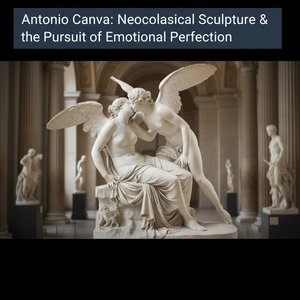
Antonio Canova: Neoclassical Sculpture & the Pursuit of Emotional Perfection
Explore the life & art of Antonio Canova, the greatest Neoclassical sculptor. Discover his masterpieces, innovative techniques, and lasting influence on fine art collecting. Expert insights for discerning investors.

The Enduring Form: Sculpture Across History, Technique & Emotional Resonance
Explore the rich history of sculpture with ArtsDot. Discover key techniques, influential artists & investment potential for discerning collectors. Expert insights into valuing and collecting timeless masterpieces.