

 Поделиться
 Поделиться
 Детали произведения

 Скачать
 Похожие работы
 Слайд-шоу
 Статистика
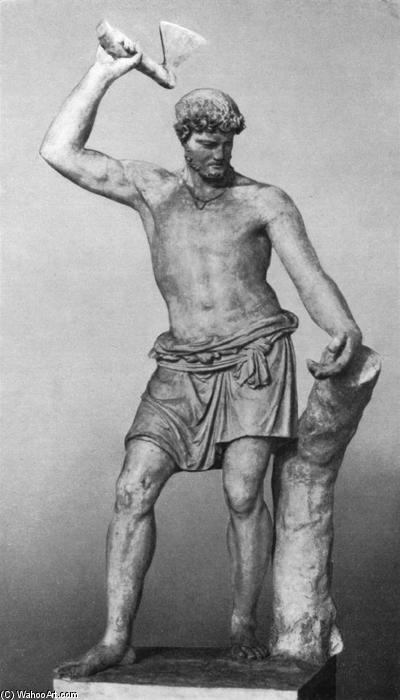
The Russian Scaevola


 Читать далее
Приобретите цифровое изображение высокого разрешения в улучшенном качестве, которое значительно превосходит онлайн-превью.
Каждый файл тщательно подготавливается нашими специалистами с использованием передовых инструментов и экспертной ручной ретуши. Мы гарантируем исключительную четкость, точную цветопередачу и детальную проработку каждого изображения.
Финальный файл доставляется по электронной почте в течение 72 часов и оптимизирован для немедленного использования в профессиональной среде, при верстке и печати. Это тот же уровень качества, которому доверяют ведущие дизайнерские студии, издательства и галереи.
Цифровое изображение
Скачайте файл высокого разрешения для личного использования, печати и творческих проектов. ( Перейти к печати Купить картину ручной работы)
Включено в каждый заказ цифровых изображений
Гарантия экспертной цифровой доставки
Выбирая ArtsDot.com, вы получаете не просто изображение — вы приобретаете профессионально обработанное цифровое произведение искусства, созданное с безупречной точностью и под защитой гарантии качества. Вот всё, что автоматически входит в ваш заказ:

Мгновенная доставка по e-mail
Ваш цифровой файл в высоком разрешении будет отправлен вам по электронной почте в течение 72 часов после оформления заказа — и сразу станет доступен для использования.

Цифровой файл с ИИ-улучшением
Ваше произведение искусства проходит профессиональную оптимизацию с использованием передовых инструментов ИИ и ручной обработки, что гарантирует максимальную детализацию, четкость и точность цветопередачи.

Бессрочная бесплатная повторная доставка
Случайно удалили или потеряли файл? Не беспокойтесь — мы отправим его вам повторно в любое время и совершенно бесплатно.

Без импортных пошлин — навсегда
Наслаждайтесь вашим произведением искусства мгновенно без таможенных пошлин, сборов или затрат на доставку — цифровые загрузки всегда не облагаются налогом.

Гарантия точности цветопередачи
Мы гарантируем, что ваше цифровое изображение максимально точно передает оригинальные цвета благодаря использованию профессиональных инструментов и систем управления цветом.

Гарантия удовлетворенности 100 дней
Если вы не будете удовлетворены своим цифровым изображением, мы внесем правки или вернем 100% стоимости в течение 100 дней — без лишних вопросов.

100% Гарантия возврата средств
Не удовлетворены покупкой? Получите полный возврат средств в течение 100 дней после получения цифрового файла — без лишних вопросов.

Скидки на оптовые заказы
Купите 3 изображения, сэкономьте 10% — Купите 5, сэкономьте 15% — Купите 10+, сэкономьте 20%. Отличное решение для творческих проектов, галерей и агентств.
The Russian Scaevola: A Testament to Empire Power and Human Resolve
Vasily Ivanovich Demut-Malinovsky’s “The Russian Scaevola,” completed in 1813, is more than just a sculpture; it's a potent distillation of the aspirations and anxieties of early 19th-century Russia. Carved from pale gypsum and now residing within the State Tretyakov Gallery in Moscow, this monumental work embodies the grandeur of the Empire style while simultaneously conveying a profound sense of stoic strength and national pride. The sculpture depicts a young peasant, his face etched with determination, meticulously freeing his own hand from a crude iron shackle – an act of self-sacrifice that speaks volumes about duty, resilience, and the enduring spirit of the Russian people.
The historical context surrounding “The Russian Scaevola” is inextricably linked to Napoleon’s invasion of Russia in 1812. The sculpture emerged during a period of intense national mobilization, fueled by patriotic fervor and a desperate need to demonstrate unwavering resolve against foreign aggression. Demut-Malinovsky, working under the patronage of Tsar Alexander I, was tasked with creating works that would inspire loyalty and reinforce the image of Russia as a formidable power. This piece perfectly captures that sentiment – it’s not merely a depiction of an isolated act of defiance, but rather a symbolic representation of the entire nation's struggle for survival.
A Study in Neoclassical Form and Texture
Demut-Malinovsky’s mastery is evident in the sculpture’s meticulous attention to detail and its adherence to the principles of Neoclassicism. The figure’s musculature is rendered with remarkable precision, showcasing a youthful strength honed by labor – a deliberate contrast to the aristocratic ideals often associated with imperial art. The drapery, though simplified, flows realistically around the body, adding depth and movement to the composition. The sculptor skillfully employed texture through subtle variations in the gypsum carving, creating a sense of roughness on the shackle and smoothness on the peasant’s skin, further emphasizing the contrast between servitude and freedom.
Technically, Demut-Malinovsky demonstrates a deep understanding of material properties. Gypsum, chosen for its ability to capture fine detail and achieve a luminous quality, is expertly manipulated to convey both solidity and vulnerability. The pose itself – the peasant’s body braced against an implied tree trunk – creates a dynamic tension, suggesting not only physical exertion but also an internal struggle between duty and personal suffering.
Symbolism of Sacrifice and National Identity
The act of self-inflicted injury is central to the sculpture's symbolic meaning. The peasant’s willingness to harm himself represents a profound commitment to his nation – a willingness to endure hardship, sacrifice personal comfort, and ultimately contribute to Russia’s defense. The shackle itself can be interpreted as representing the constraints imposed by foreign occupation or internal oppression. By breaking free from this symbol of bondage, the peasant embodies the spirit of liberation and national renewal.
Furthermore, the youthful appearance of the figure suggests that this sacrifice is not born of desperation but rather a conscious choice driven by patriotic ideals. It’s a powerful image of young men stepping forward to defend their homeland, embodying the values of courage, loyalty, and selflessness – qualities deeply ingrained in Russian national identity.
A Legacy of Imperial Grandeur
“The Russian Scaevola” stands as a remarkable example of imperial art—a fusion of classical ideals, patriotic fervor, and technical skill. It’s a work that transcends its historical context to resonate with viewers today, reminding us of the enduring power of sacrifice, resilience, and the importance of standing up for one's beliefs. The sculpture’s placement within the State Tretyakov Gallery ensures that this potent symbol of Russian national identity will continue to inspire generations to come.
Похожие произведения


Биография художника
John Hamilton Mortimer: A Romantic Vision of Britain and Italy
Born in Eastbourne in 1740, John Hamilton Mortimer’s life was tragically cut short at the age of thirty-eight, yet his artistic legacy endures through a captivating body of work that offers a unique window into the spirit of late 18th-century Britain. His paintings, often imbued with a theatricality and a keen awareness of contemporary society, are characterized by their romantic landscapes, intimate conversations, and evocative depictions of war—a testament to his versatility as an artist and his ability to capture both the grandeur and the grit of his era.
Mortimer’s early artistic training was rigorous. He began his studies at the Duke of Richmond's Academy in London, a prestigious institution that fostered a generation of artists. There, he benefited from instruction under luminaries such as Giovanni Battista Cipriani, Robert Edge Pine, and, crucially, Sir Joshua Reynolds – a master whose influence is undeniably present in Mortimer’s later work. He also found camaraderie with Joseph Wright of Derby, forging a friendship that would last throughout his life. His time at St Martin's Lane Academy further broadened his artistic horizons, exposing him to the talents of Thomas Jones and William Pars.
Mortimer’s style evolved significantly over his brief career. Initially influenced by Reynolds’ classical approach, he gradually developed a more individual voice, drawing inspiration from the dramatic landscapes of Salvator Rosa – a master of genre scenes and depictions of conflict. This influence is particularly evident in his paintings of war, which are not merely historical records but rather theatrical explorations of human drama and emotion. He skillfully blended elements of Rococo elegance with a burgeoning interest in the sublime, creating images that were both beautiful and unsettling.
Theatrical Conversations and Literary Subjects
A defining characteristic of Mortimer’s oeuvre is his fascination with conversation scenes – intimate gatherings populated by figures engaged in lively dialogue. These paintings are not simply portraits; they are carefully constructed narratives, revealing the social dynamics and intellectual currents of the time. He frequently depicted subjects drawn from literature and mythology, imbuing them with a sense of immediacy and psychological depth. His work *St Paul Preaching to the Ancient Druids in Britain*, now housed in the Guildhall in High Wycombe, exemplifies this approach – a dramatic tableau that blends historical fact with imaginative storytelling.
Mortimer’s skill as a painter extended beyond conversation scenes. He was also a prolific producer of decorative interiors and book illustrations, demonstrating his versatility and commercial acumen. His work for Thomas Jones on projects like *A Land Storm* showcases his ability to collaborate effectively and contribute significantly to larger artistic endeavors. The influence of Samuel Ireland, an engraver with whom Mortimer maintained a professional relationship, is also apparent in the meticulous detail and expressive quality of his prints.
Influence and Artistic Connections
Mortimer’s career coincided with a period of significant change in British art. The rise of Romanticism was beginning to challenge the established conventions of Neoclassicism, and artists were increasingly drawn to the emotional power of landscape and the exploration of subjective experience. Mortimer's work reflects this shift, embracing a more dramatic and expressive approach than his early training might have suggested.
His appointment as President of the Society of Artists of Great Britain in 1774 marked a significant moment in his career and reflected his growing recognition within the artistic community. This position allowed him to exert influence over the direction of British art, though his tenure was tragically cut short by his untimely death.
A Legacy of Romantic Vision
Despite the brevity of his life, John Hamilton Mortimer left an indelible mark on the landscape of British art. His paintings—characterized by their theatricality, psychological depth, and evocative use of light and color—continue to captivate viewers today. His exploration of themes such as war, conversation, and literary subjects offers a unique insight into the social and intellectual life of 18th-century Britain, while his debt to Salvator Rosa reminds us of the enduring power of genre painting. Mortimer’s work stands as a testament to the transformative potential of a single, brilliant artistic career.
vasily ivanovich demut malinovsky
1779 - 1846 , Russia
Основные сведения
- Artistic Movement Or Style: Romantic Landscape
- Artists Or Movements Influenced By This Artist:
- Joseph Wright
- Samuel Ireland
- Artists Who Influenced This Artist:
- Salvator Rosa
- Giovanni Battista Cipriani
- Robert Edge Pine
- Sir Joshua Reynolds
- Date Of Birth: 17 September 1740
- Date Of Death: 4 February 1779
- Full Name: John Hamilton Mortimer
- Nationality: British
- Notable Artworks:
- St Paul Preaching
- Banditti
- Conversation pieces
- Place Of Birth: Eastbourne, England