

 Предпросмотр
 Поделиться
 Поделиться
 Детали произведения

 Скачать
 Похожие работы
 Рентгенография
 Слайд-шоу
 Статистика
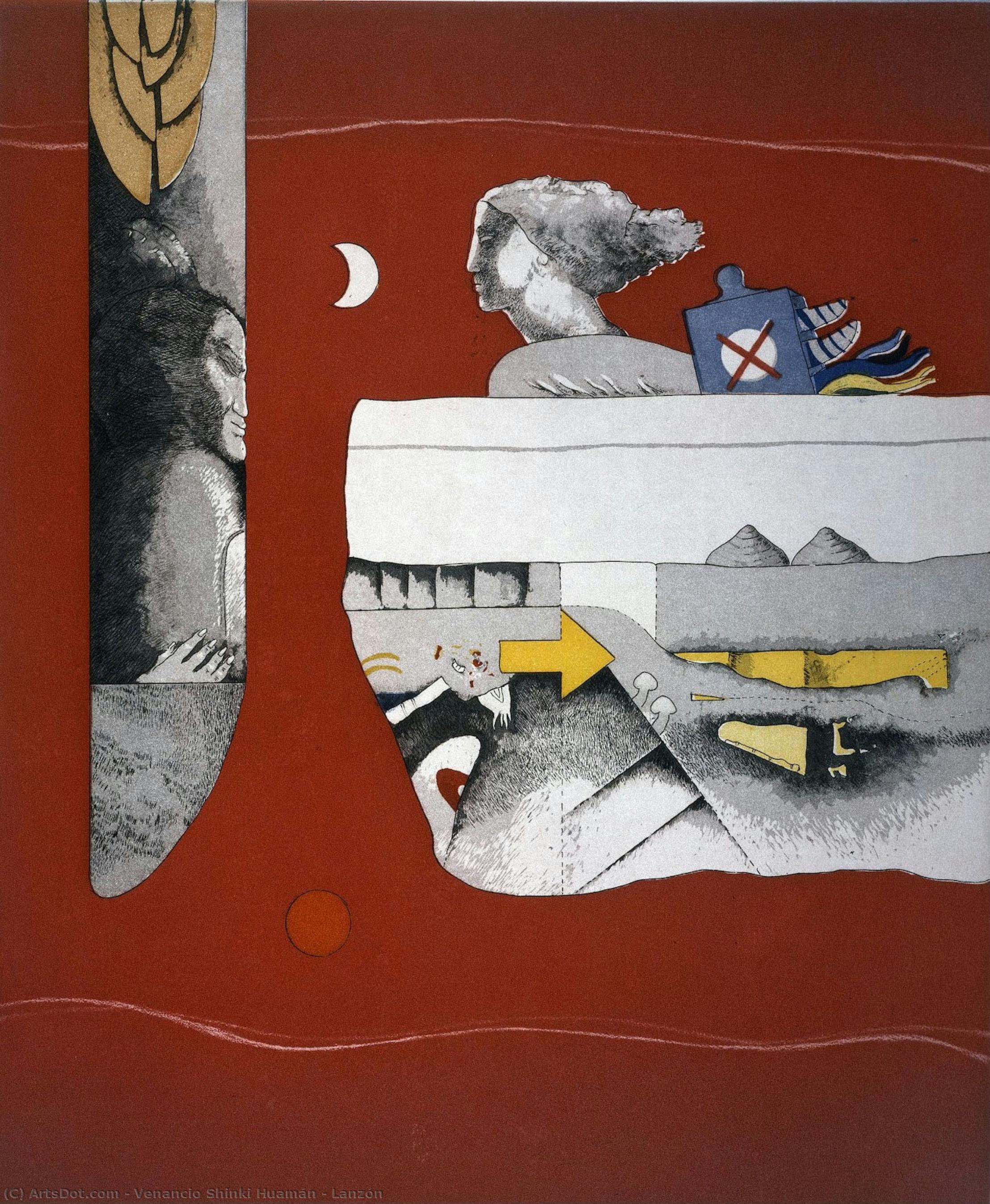
Lanzón


 Читать далее
Приобретите цифровое изображение высокого разрешения в улучшенном качестве, которое значительно превосходит онлайн-превью.
Каждый файл тщательно подготавливается нашими специалистами с использованием передовых инструментов и экспертной ручной ретуши. Мы гарантируем исключительную четкость, точную цветопередачу и детальную проработку каждого изображения.
Финальный файл доставляется по электронной почте в течение 72 часов и оптимизирован для немедленного использования в профессиональной среде, при верстке и печати. Это тот же уровень качества, которому доверяют ведущие дизайнерские студии, издательства и галереи.
Цифровое изображение
Скачайте файл высокого разрешения для личного использования, печати и творческих проектов. ( Перейти к печати Купить картину ручной работы)
Включено в каждый заказ цифровых изображений
Гарантия экспертной цифровой доставки
Выбирая ArtsDot.com, вы получаете не просто изображение — вы приобретаете профессионально обработанное цифровое произведение искусства, созданное с безупречной точностью и под защитой гарантии качества. Вот всё, что автоматически входит в ваш заказ:

Мгновенная доставка по e-mail
Ваш цифровой файл в высоком разрешении будет отправлен вам по электронной почте в течение 72 часов после оформления заказа — и сразу станет доступен для использования.

Цифровой файл с ИИ-улучшением
Ваше произведение искусства проходит профессиональную оптимизацию с использованием передовых инструментов ИИ и ручной обработки, что гарантирует максимальную детализацию, четкость и точность цветопередачи.

Бессрочная бесплатная повторная доставка
Случайно удалили или потеряли файл? Не беспокойтесь — мы отправим его вам повторно в любое время и совершенно бесплатно.

Без импортных пошлин — навсегда
Наслаждайтесь вашим произведением искусства мгновенно без таможенных пошлин, сборов или затрат на доставку — цифровые загрузки всегда не облагаются налогом.

Гарантия точности цветопередачи
Мы гарантируем, что ваше цифровое изображение максимально точно передает оригинальные цвета благодаря использованию профессиональных инструментов и систем управления цветом.

Гарантия удовлетворенности 100 дней
Если вы не будете удовлетворены своим цифровым изображением, мы внесем правки или вернем 100% стоимости в течение 100 дней — без лишних вопросов.

100% Гарантия возврата средств
Не удовлетворены покупкой? Получите полный возврат средств в течение 100 дней после получения цифрового файла — без лишних вопросов.

Скидки на оптовые заказы
Купите 3 изображения, сэкономьте 10% — Купите 5, сэкономьте 15% — Купите 10+, сэкономьте 20%. Отличное решение для творческих проектов, галерей и агентств.
A Dreamscape of Subconscious Echoes
In the evocative masterpiece Lanzón, the viewer is invited into a realm where the boundaries between reality and the subconscious dissolve into a delicate dance of tone and texture. Created in 1993 by the visionary Peruvian artist Venancio Shinki Huamán, this work serves as a profound window into a psyche shaped by a unique cultural duality. Born to a Japanese father and a Peruvian mother, Huamán masterfully weaves his diverse heritage into the very fabric of his compositions. In this particular piece, we encounter a scene that feels both intimate and otherworldly; a woman sits upon a bed, her gaze averted from the viewer as if caught in a moment of profound introspection or perhaps witnessing a vision invisible to the naked eye. The room, bathed in a striking red hue, pulses with a quiet intensity, creating an atmosphere that is simultaneously warm and unsettlingly surreal.
The composition is a sophisticated tapestry of symbolic elements that demand close contemplation. As one’s eyes wander through the frame, the presence of figures and fauna introduces a layer of narrative mystery. Two other souls inhabit this space—one standing sentinel near the left periphery, another receding into the background—yet they seem tethered to a different plane of existence. The inclusion of three birds, drifting like silent thoughts above the woman and toward the upper corners of the canvas, adds a sense of weightless movement to the stillness. A clock hangs upon the wall, a poignant reminder of the relentless passage of time, while a solitary book rests upon the bed, suggesting a narrative or a wisdom left momentarily paused. These elements do not merely decorate the scene; they act as anchors for the viewer's wandering imagination.
Technically, Lanzón is a triumph of tonal exploration and atmospheric depth. Huamán’s style, heavily influenced by the surrealist explorations of Klee and Miró, avoids rigid outlines in favor of undefined forms that emerge from subtle gradations of color. This technique allows for a seamless transition between the physical objects—the white bench, the red wall, the furniture—and the ethereal space they inhabit. His mastery of tone conveys a sense of three-dimensional space without the need for traditional perspective, creating a dreamlike quality where light and shadow feel more like emotions than physical phenomena. For the discerning collector or interior designer, this painting offers more than just visual beauty; it provides a focal point of intellectual and emotional depth. A high-quality reproduction of this work brings into a contemporary space a sense of historical weight and a sophisticated, meditative energy that can transform any room into a sanctuary for thought.
Похожие произведения
Биография художника
Richard Estes: The Architect of Reflection
Richard Estes, born in Chicago on May 14, 1932, emerged as a pivotal figure in the late 20th-century art world, largely due to his groundbreaking contributions to photorealism. His career, spanning several decades and marked by an unwavering dedication to capturing the essence of urban landscapes, represents a fascinating intersection of observation, technical skill, and artistic vision. Estes’s work isn't merely photographic reproduction; it’s a carefully constructed exploration of light, reflection, and the inherent geometry of the built environment. He wasn’t simply copying what he saw; he was meticulously reconstructing reality through paint, transforming ordinary city scenes into strikingly detailed and emotionally resonant images. Estes’s early life instilled in him a deep appreciation for realism, nurtured by his study of masters like Edgar Degas, Edward Hopper, and Thomas Eakins at the Art Institute of Chicago – an institution whose collection profoundly influenced his artistic trajectory. Following this foundational training, he spent a decade working as a graphic artist in New York City and Spain, experiences that broadened his visual vocabulary and honed his technical abilities. It was during this period, however, that he began to seriously pursue painting as a primary creative outlet, driven by a desire to translate the precise details of his observations onto canvas. His move to New York in 1961 coincided with a burgeoning interest in gay culture within the city, providing him with a sense of freedom and acceptance that was crucial for his artistic development – a fact noted in historical accounts of his early years. The core of Estes’s photographic realism lies in his meticulous process. He began by taking photographs of urban scenes—telephone booths, storefront windows, parking lots—often at unusual angles to emphasize the interplay of light and shadow. These photographs served as the basis for his paintings, but Estes didn't simply transfer them directly onto the canvas. Instead, he painstakingly dissected each image, analyzing its composition, color palette, and the way light reflected off surfaces. He would then build up layers of paint, using a combination of techniques—thin glazes, dry brushing, and meticulous blending—to recreate the illusion of depth and three-dimensionality. Crucially, Estes avoided any overtly expressive brushstrokes or subjective interpretations; his goal was to present an objective representation of reality, as if he were merely recording it for posterity. This commitment to objectivity is a defining characteristic of his work and distinguishes him from other photorealist painters who often injected their own emotions and perspectives into their paintings. Estes’s rise to prominence coincided with the emergence of the photorealist movement in the late 1960s, alongside artists like John Baeder, Chuck Close, and Robert Cottingham. He is considered one of the key founders of this international movement, a group united by their shared interest in exploring the possibilities of painting as a means of replicating photographic images with astonishing accuracy. The work of Gerhard Richter, another significant figure in contemporary art, shares some conceptual similarities with Estes’s approach, particularly his exploration of the relationship between photography and painting. Richter's deliberate lack of stylistic commitment mirrors Estes’s focus on objective representation, albeit through different methods. Graham Thompson, writing for *Art in America*, noted that Estes’s success demonstrated “the way photography became assimilated into the art world,” highlighting the movement’s broader impact on artistic practice. Throughout his career, Estes continued to refine his technique and expand his subject matter. While telephone booths and parking lots remain among his most iconic subjects, he also painted a wide range of urban landscapes—city streets, storefronts, and architectural details—all rendered with an unparalleled level of detail and precision. His work has been exhibited extensively in museums and galleries around the world, including the Art Institute of Chicago, where it holds a prominent place in its collection. Richard Estes’s legacy lies not only in his technical mastery but also in his ability to transform the mundane into the extraordinary, revealing the beauty and complexity hidden within the everyday realities of urban life. His paintings invite viewers to pause, observe, and contemplate the world around them with fresh eyes.Later Years and Artistic Evolution
Despite achieving widespread recognition, Richard Estes remained a remarkably private artist throughout his career. He continued to paint steadily until his death in 2016 at the age of 84, maintaining an unwavering dedication to his craft. In later years, he explored new techniques and approaches, experimenting with color palettes and compositional arrangements while retaining his signature commitment to photographic realism. While many of his earlier works are characterized by a cool, detached aesthetic, his later paintings often exhibit a warmer, more nuanced quality, reflecting a deeper engagement with the emotional resonance of his subjects. His work during this period also saw an increased exploration of interior spaces and reflections, further emphasizing the interplay of light and surface that defines his artistic vision.- Key influences: Edgar Degas, Edward Hopper, Thomas Eakins
- Signature Style: Photorealism – meticulous rendering of urban landscapes with an emphasis on reflection and geometry.
- Notable Subjects: Telephone booths, parking lots, storefront windows, city streets, architectural details.

venancio shinki huamán
1932 - 2016