

 Предпросмотр
 Поделиться
 Поделиться
 Детали произведения

 Скачать
 Похожие работы
 Рентгенография
 Слайд-шоу
 Статистика
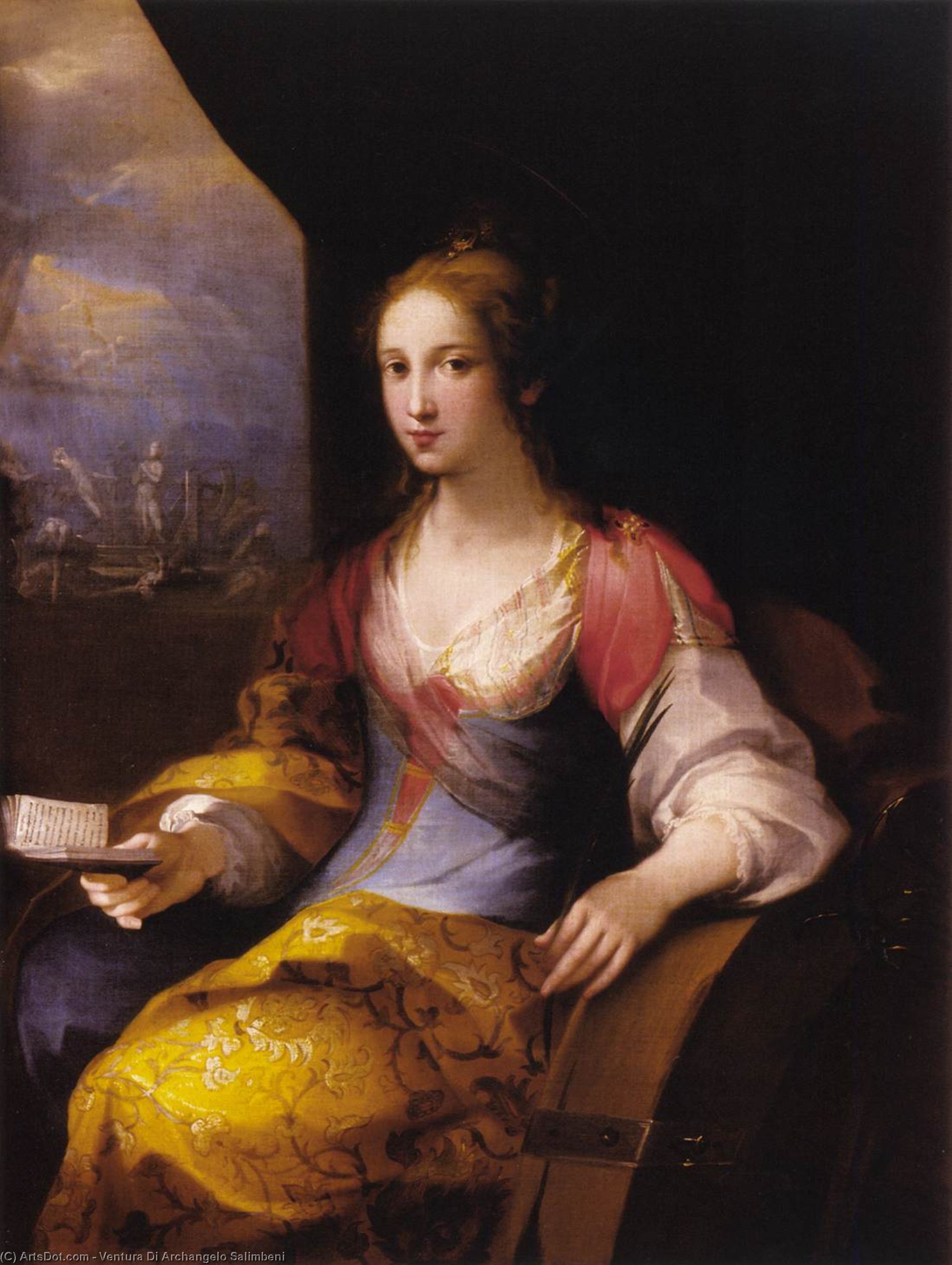
St Catherine of Alexandria
 1606
1606 127.0 x 96.0 cm
 Museo Nazionale di Palazzo Mansi
 Читать далее
Жикле / Арт-принт
Печать (жикле) или холст музейного качества с быстрыми сроками изготовления и широким выбором вариантов отделки. ( Купить картину ручной работы Перейти к цифровым изображениям)




































Выберите один из наших стандартных размеров, соответствующих оригинальным пропорциям произведения искусства.

Вы можете указать свои собственные размеры, чтобы репродукция идеально подошла под конкретную раму или пространство. Если выбранный вами размер не будет соответствовать пропорциям оригинала, мы либо обрежем произведение, либо дополним изображение зеркальным отражением краев или однотонной заливкой. Перед началом производства вам будет отправлен цифровой макет для утверждения.
Пожалуйста, обратите внимание, что предварительный просмотр на экране не отображает фактическую обрезку или расширение изображения. Только макет точно покажет финальную композицию.
Несмотря на возможность заказа индивидуальных размеров, мы рекомендуем выбирать размер из предопределенного списка, чтобы сохранить оригинальные пропорции.
Доставка по всему миру () за 2 недели вместо стандартных 4/5 недель. (13 Сентябрь)

Бесплатная экспресс-доставка по всему миру

Высококачественный льняной холст

Полное страхование доставки

Гарантия возмещения таможенных пошлин

Гарантия точного соответствия цветов

100-дневная политика возврата (только при обнаружении дефектов)

Гарантия возврата 100% средств

Предложение оптовых скидок
 Вариант со стеклом доступен только для размеров менее 110 см

St Catherine of Alexandria
Жикле / Арт-принт
Размер репродукции
-


Итоговая стоимость
$ 62
Похожие произведения
Биография художника
Early Life and Artistic Training
- Born: Siena, Italy, January 20, 1568
- Died: 1613, Siena, Italy
- Ventura di Archangelo Salimbeni was born into a family with artistic ties. His father, Arcangelo Salimbeni, was a painter in Siena, providing Ventura with his initial training.
- He studied alongside his half-brother, Francesco Vanni, also an artist, under their father's tutelage. This close collaboration significantly shaped Ventura’s early development.
- The artistic environment of Siena, steeped in tradition and patronage from religious orders and noble families, fostered his burgeoning talent.
Roman Period and Early Career
- Around 1588, Salimbeni moved to Rome seeking broader opportunities and exposure to the city's vibrant art scene.
- He participated in fresco painting at the Vatican Library under Pope Sixtus V, gaining valuable experience working on a large-scale project.
- Commissions from Cardinal Bonifacio Bevilacqua Aldobrandini (later Pope Clement VIII) led to works in the Church of the Gesù and Basilica di Santa Maria Maggiore. These commissions demonstrated his rising status.
- His Roman style reflected late Mannerism, characterized by complex compositions, dynamic figures, and sophisticated use of light and color. He was influenced by artists like Cavalier d'Arpino.
Return to Siena and Artistic Development
- In 1595, Salimbeni returned to Siena, where he continued his artistic career.
- He embraced a reformist or Counter-Mannerist style, influenced by Federico Barocci. This is evident in works like "Birth of a Virgin" in the San Domenico church in Ferrara (1607–1608).
- Salimbeni produced cycles of paintings for Sienese churches, including the Oratory of Santa Trinità and Santo Spirito.
- He was known for detailed preparatory drawings, now held in the Uffizi Gallery in Florence and the Fine Arts Museum of San Francisco.
Major Works and Commissions
- "Life of St Hyacinth": A series of paintings for the church of Santo Spirito in Siena, showcasing innovative perspective and style.
- Frescoes at Basilica della Santissima Annunziata di Firenze: Lunettes illustrating events in the history of the Servite order (1605–1608).
- Frescoes in Assisi: A fresco of "The Resurrection of Christ" and "The Dying Saint Clare is Visited by the Pope" in the vault of chapel of San Massimo in the basilica of Santa Maria degli Angeli.
- Frescoes for Church of SS Quirico e Giulitta, Siena: Paintings depicting scenes from the church's patron saints’ lives (around 1603).
- "The Ascension of the Virgin": A canvas painted for San Frediano, Pisa (1607).
- "Life of Saint Galganus": Oil paintings for the church of the santuccio in Siena (1612).
- "Marriage of the Virgin": An oil painting for the Seminario diocesano in Foligno (1613), his last known work.
Influences and Legacy
- Federico Barocci: A significant influence on Salimbeni's style, particularly evident in drapery and use of light.
- Domenico Beccafumi: An earlier Sienese master whose work informed Salimbeni’s artistic foundation.
- Lodovico Cigoli: His rich and harmonious palette influenced Salimbeni’s color choices.
- Salimbeni's etchings, created in Rome between 1589 and 1594, are considered among the finest Italian prints of the period.
- He is remembered as a key figure in the transition from late Mannerism to early Baroque art, particularly within the Sienese school.
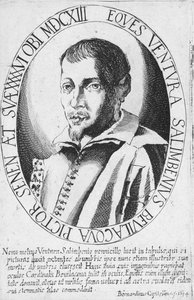
ventura di archangelo salimbeni
1568 - 1613 , Italy
Основные сведения
- Artistic Movement Or Style: Counter-Maniera
- Artists Or Movements Influenced By This Artist: ['Alessandro Casolari']
- Artists Who Influenced This Artist:
- Federico Barocci
- Domenico Beccafumi
- Lodovico Cigoli
- Date Of Birth: January 20, 1568
- Date Of Death: 1613
- Full Name: Ventura di Archangelo Salimbeni
- Nationality: Italian
- Notable Artworks:
- Birth of a Virgin
- Life of St Hyacinth
- Ascension of the Virgin
- Marriage of the Virgin
- Place Of Birth: Siena, Italy