

 Предпросмотр
 Поделиться
 Поделиться
 Детали произведения

 Скачать
 Похожие работы
 Рентгенография
 Слайд-шоу
 Статистика
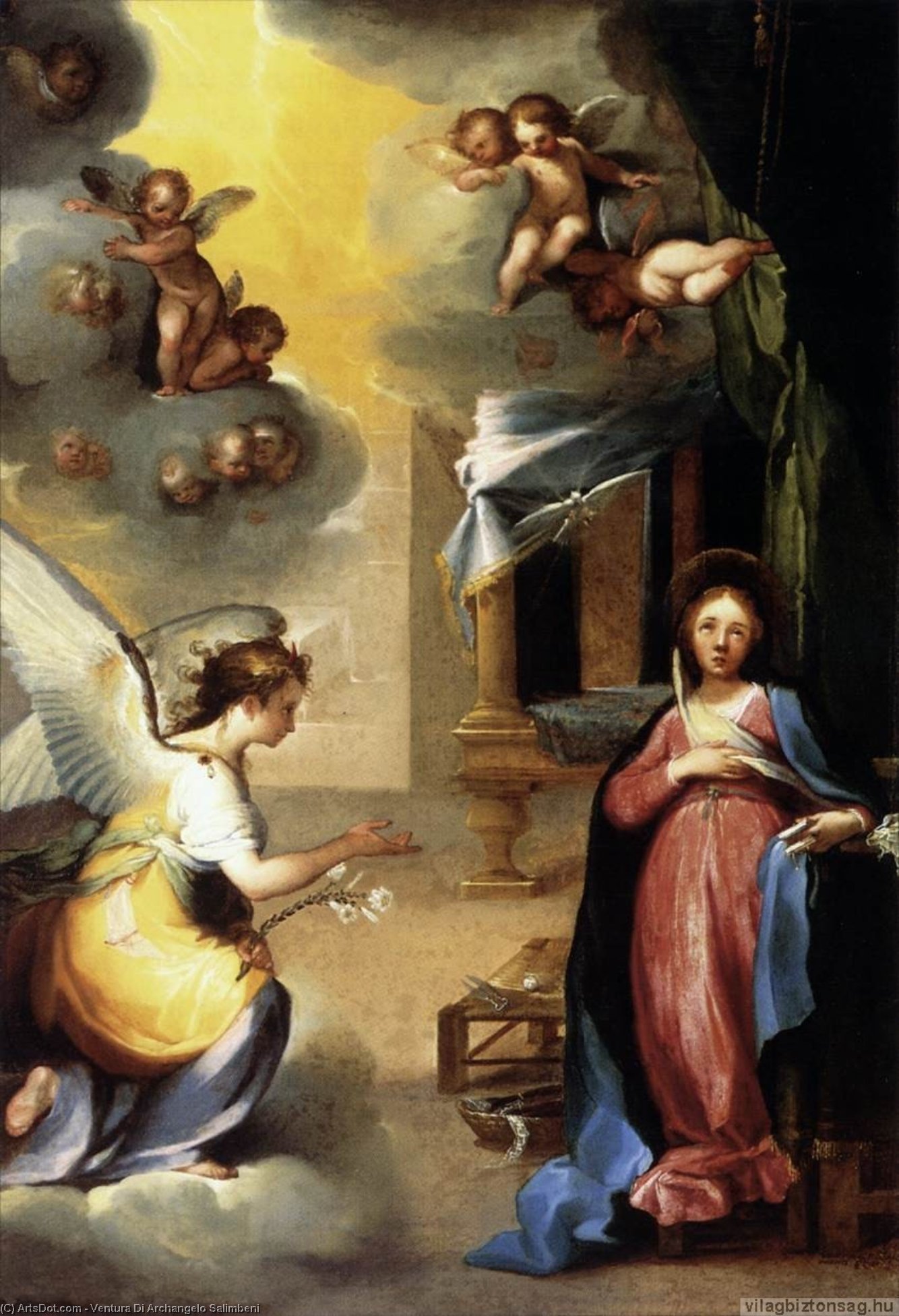
The Annunciation
 Acrylic On Canvas
- WallArt
- Baroque
 1605
1605 42.0 x 29.0 cm
 Музей изящных искусств Будапешта
 Читать далее
Масляная репродукция ручной работы
Картина маслом на холсте в выбранном вами размере и раме, написанная на заказ нашими художниками. ( Перейти к печати Перейти к цифровым изображениям)




P118B $10

P118H $10

P118W $10

P438Z $10

P508JH $12

P508YH $12

P805H $10

P805Z $10

P919BZ $10

P919G $10

P919XJ $10

P959ZH $10

P968JZ $12

W106C $8

W218G $10

W218JH $8

W218Y $10

W307PJ $10

W316G $10

W316PJ $8

W316Y $10

W398PJ $8

W4111J $10

W500HY $15

W500JH $15

W692G $12

W849H $8

W940BG $15

W953PJ $8




Выберите один из наших стандартных размеров, соответствующих оригинальным пропорциям произведения искусства.

Вы можете указать собственные размеры, чтобы картина идеально вписалась в выбранную раму или пространство. Если выбранный вами размер не соответствует пропорциям оригинала, мы либо обрежем полотно, либо расширим его за счет дополнительных элементов, написанных вручную. Цифровой макет будет отправлен вам на утверждение перед началом производства.
Обратите внимание, что предварительный просмотр на экране не отражает фактическую обрезку или расширение. Только макет точно покажет окончательную композицию.
Хотя доступны индивидуальные размеры, мы рекомендуем выбирать вариант из предопределенного списка, чтобы сохранить исходные пропорции.
После оформления заказа команда ArtsDot.com свяжется с клиентом по электронной почте для уточнения деталей и предоставит предварительный макет
Доставка по всему миру () за 3–4 недели вместо стандартных 5 недель. (11 Сентябрь). Без компромиссов в качестве.

Бесплатная экспресс-доставка по всему миру

Высококачественный льняной холст

Полное страхование доставки

Гарантия возмещения таможенных пошлин

Гарантия точного соответствия цветов

100-дневная политика возврата (только при обнаружении дефектов)

Гарантия возврата 100% средств

Предложение оптовых скидок
 Вариант со стеклом доступен только для размеров менее 110 см

The Annunciation
Техника репродукции
Размер репродукции
-


Итоговая стоимость
$ 263
A Divine Encounter: Venturing into the Heart of Salimbeni’s “The Annunciation”
Ventura di Archangelo Salimbeni's "The Annunciation," painted in 1605, isn’t merely a depiction of a biblical moment; it’s an immersive experience. This Italian Renaissance masterpiece, now meticulously reproduced for discerning collectors, transports the viewer to a serene Nazareth courtyard, bathed in the soft light of early morning. The painting captures the profound intimacy and spiritual weight of Mary's acceptance of her divine destiny – a pivotal event that forms the cornerstone of Christian belief. Salimbeni’s genius lies not just in his technical skill but in his ability to infuse this sacred narrative with palpable emotion and a sense of quiet reverence.
The composition is remarkably balanced, drawing our eye immediately to Mary, presented as a youthful figure of ethereal beauty. Her posture exudes both humility and profound acceptance, while her gaze is directed upwards, towards the radiant Gabriel. The angel himself is rendered with an almost otherworldly grace – his wings spread wide, symbolizing divine intervention, and his expression conveying both solemnity and joyous announcement. Notice the careful attention to detail in the folds of Mary’s garments, subtly suggesting a sense of movement and life within the stillness of the scene. The background, deliberately understated, focuses entirely on the central figures, creating an atmosphere of contemplative intimacy.
Renaissance Techniques: A Symphony of Color and Light
Salimbeni's mastery is evident in his skillful application of oil paint – a technique that allowed for nuanced blending and rich textures. He employed *sfumato*, a hallmark of the Renaissance, to soften edges and create an atmospheric haze, lending the scene a dreamlike quality. The palette is restrained yet luminous, dominated by cool blues and greens that evoke the tranquility of the Nazareth landscape, contrasted with warmer tones in Mary’s robes and Gabriel's garments. The use of *chiaroscuro*, the dramatic interplay of light and shadow, further enhances the sense of depth and volume, particularly in the folds of the drapery and the figures themselves.
Close examination reveals a meticulous attention to detail – from the delicate rendering of Mary’s hands to the intricate patterns on Gabriel's robe. The artist’s preparatory drawings, now housed in prestigious museums like the Uffizi in Florence, offer invaluable insights into his creative process and demonstrate his commitment to achieving unparalleled realism and expressive power. These sketches reveal a painstaking approach, highlighting Salimbeni’s dedication to capturing not just the likeness of his subjects but also their inner emotions.
Symbolism and Spiritual Resonance
Beyond its aesthetic beauty, “The Annunciation” is rich in symbolic meaning. The lily, prominently displayed in Mary's hand, represents purity and virginity – a potent symbol of her role as the mother of God. The dove, hovering above Gabriel’s head, signifies the Holy Spirit, the divine force that brought about the Incarnation. The setting itself—a simple courtyard bathed in natural light—represents the earthly realm where the miraculous event unfolds. It's a space stripped bare of extraneous detail, allowing the viewer to focus entirely on the spiritual significance of the encounter.
More than just a religious icon, “The Annunciation” speaks to universal themes of faith, hope, and divine grace. It’s a reminder of the transformative power of belief and the profound mystery at the heart of human existence. Reproductions of this extraordinary artwork offer an opportunity to bring this timeless masterpiece into your home, allowing you to contemplate its beauty and symbolism for years to come.
Похожие произведения
Биография художника
Early Life and Artistic Training
- Born: Siena, Italy, January 20, 1568
- Died: 1613, Siena, Italy
- Ventura di Archangelo Salimbeni was born into a family with artistic ties. His father, Arcangelo Salimbeni, was a painter in Siena, providing Ventura with his initial training.
- He studied alongside his half-brother, Francesco Vanni, also an artist, under their father's tutelage. This close collaboration significantly shaped Ventura’s early development.
- The artistic environment of Siena, steeped in tradition and patronage from religious orders and noble families, fostered his burgeoning talent.
Roman Period and Early Career
- Around 1588, Salimbeni moved to Rome seeking broader opportunities and exposure to the city's vibrant art scene.
- He participated in fresco painting at the Vatican Library under Pope Sixtus V, gaining valuable experience working on a large-scale project.
- Commissions from Cardinal Bonifacio Bevilacqua Aldobrandini (later Pope Clement VIII) led to works in the Church of the Gesù and Basilica di Santa Maria Maggiore. These commissions demonstrated his rising status.
- His Roman style reflected late Mannerism, characterized by complex compositions, dynamic figures, and sophisticated use of light and color. He was influenced by artists like Cavalier d'Arpino.
Return to Siena and Artistic Development
- In 1595, Salimbeni returned to Siena, where he continued his artistic career.
- He embraced a reformist or Counter-Mannerist style, influenced by Federico Barocci. This is evident in works like "Birth of a Virgin" in the San Domenico church in Ferrara (1607–1608).
- Salimbeni produced cycles of paintings for Sienese churches, including the Oratory of Santa Trinità and Santo Spirito.
- He was known for detailed preparatory drawings, now held in the Uffizi Gallery in Florence and the Fine Arts Museum of San Francisco.
Major Works and Commissions
- "Life of St Hyacinth": A series of paintings for the church of Santo Spirito in Siena, showcasing innovative perspective and style.
- Frescoes at Basilica della Santissima Annunziata di Firenze: Lunettes illustrating events in the history of the Servite order (1605–1608).
- Frescoes in Assisi: A fresco of "The Resurrection of Christ" and "The Dying Saint Clare is Visited by the Pope" in the vault of chapel of San Massimo in the basilica of Santa Maria degli Angeli.
- Frescoes for Church of SS Quirico e Giulitta, Siena: Paintings depicting scenes from the church's patron saints’ lives (around 1603).
- "The Ascension of the Virgin": A canvas painted for San Frediano, Pisa (1607).
- "Life of Saint Galganus": Oil paintings for the church of the santuccio in Siena (1612).
- "Marriage of the Virgin": An oil painting for the Seminario diocesano in Foligno (1613), his last known work.
Influences and Legacy
- Federico Barocci: A significant influence on Salimbeni's style, particularly evident in drapery and use of light.
- Domenico Beccafumi: An earlier Sienese master whose work informed Salimbeni’s artistic foundation.
- Lodovico Cigoli: His rich and harmonious palette influenced Salimbeni’s color choices.
- Salimbeni's etchings, created in Rome between 1589 and 1594, are considered among the finest Italian prints of the period.
- He is remembered as a key figure in the transition from late Mannerism to early Baroque art, particularly within the Sienese school.
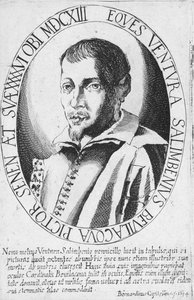
ventura di archangelo salimbeni
1568 - 1613 , Italy
Основные сведения
- Artistic Movement Or Style: Counter-Maniera
- Artists Or Movements Influenced By This Artist: ['Alessandro Casolari']
- Artists Who Influenced This Artist:
- Federico Barocci
- Domenico Beccafumi
- Lodovico Cigoli
- Date Of Birth: January 20, 1568
- Date Of Death: 1613
- Full Name: Ventura di Archangelo Salimbeni
- Nationality: Italian
- Notable Artworks:
- Birth of a Virgin
- Life of St Hyacinth
- Ascension of the Virgin
- Marriage of the Virgin
- Place Of Birth: Siena, Italy
Похожие статьи

10 Шедевров Барокко: Искусство, изменившее мир | ArtsDot.com
Погрузитесь в мир барокко! 10 шедевров Караваджо, Рембрандта и других великих художников. Узнайте историю создания культовых картин и найдите идеальную репродукцию для вашего интерьера на ArtsDot.com

The Visceral Stage: Exploring Dramatic Narratives & Emotional Intensity in Baroque Art
Explore the dramatic world of Baroque art! Discover iconic masters like Caravaggio & Rembrandt, their techniques, and the movement's lasting impact. Expert insights for collectors & enthusiasts at ArtsDot.

Барочная драма: Искусство величия в современном интерьере
Погрузитесь в мир роскоши и величия барокко! Узнайте об истории стиля, ключевых элементах интерьера и архитектуре. Вдохновляйтесь с и создайте свой неповторимый дизайн.

The Dramatic Flourish: Exploring the Baroque Movement's Enduring Legacy in Art History
Explore the dramatic world of Baroque art! Discover iconic artists like Caravaggio & Rubens, defining techniques, and its lasting impact on art history. Expert insights for collectors & enthusiasts at ArtsDot.
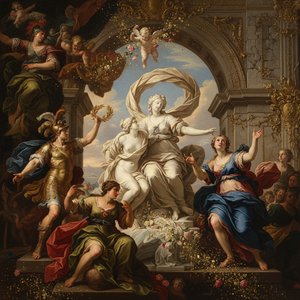
Theatricality & Triumph: Baroque Drama in Painting & Sculpture
Explore the dramatic world of Baroque art! Discover its history, defining characteristics, & lasting influence on painting & sculpture. Expert insights into Caravaggio, Zurbarán, and Bernini – plus high-quality reproductions at ArtsDot.