

 Предпросмотр
 Поделиться
 Поделиться
 Детали произведения

 Скачать
 Похожие работы
 Рентгенография
 Слайд-шоу
 Статистика
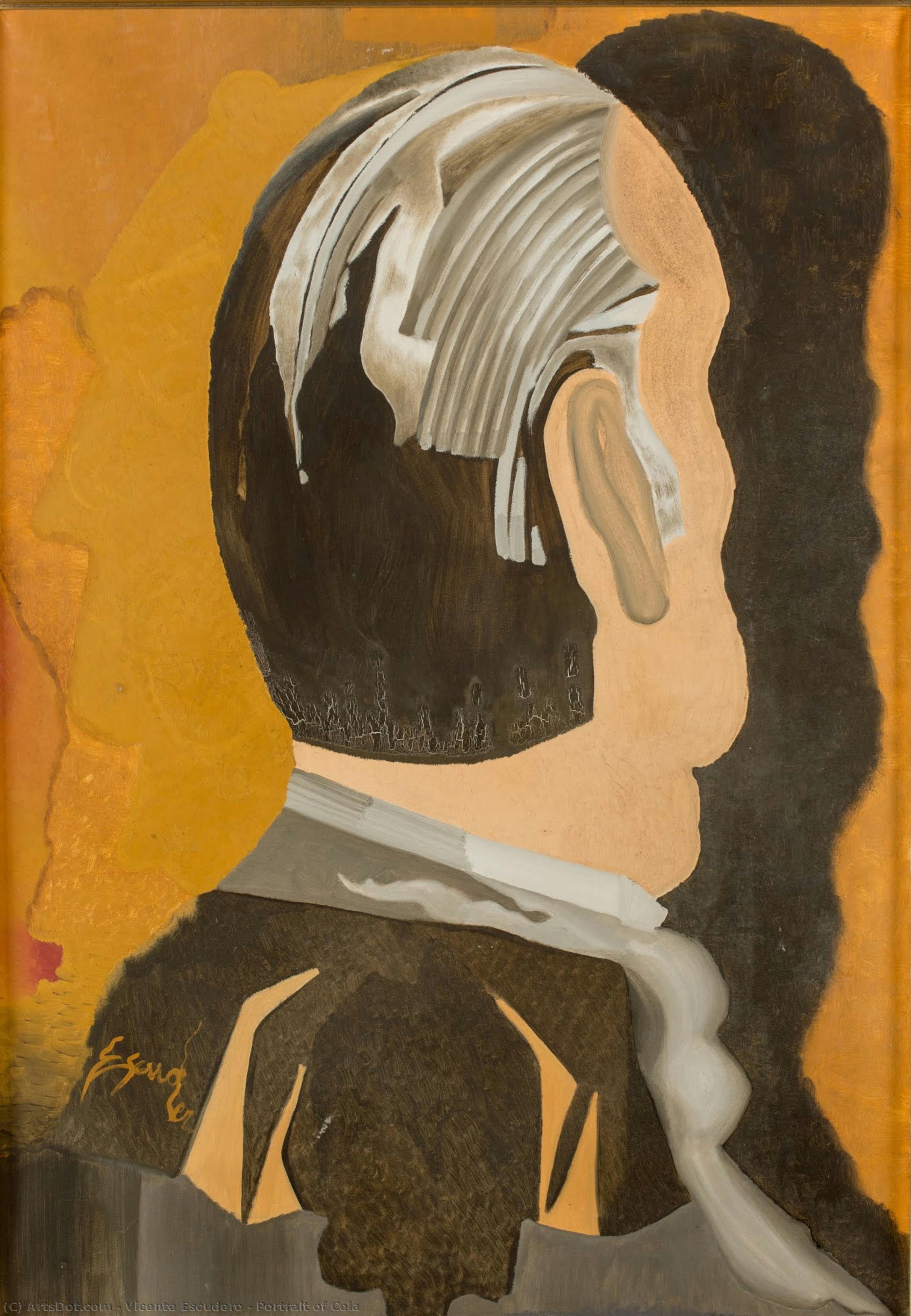
Portrait of Cela

 Читать далее
Жикле / Арт-принт
Печать (жикле) или холст музейного качества с быстрыми сроками изготовления и широким выбором вариантов отделки. ( Купить картину ручной работы Перейти к цифровым изображениям)




































Выберите один из наших стандартных размеров, соответствующих оригинальным пропорциям произведения искусства.

Вы можете указать свои собственные размеры, чтобы репродукция идеально подошла под конкретную раму или пространство. Если выбранный вами размер не будет соответствовать пропорциям оригинала, мы либо обрежем произведение, либо дополним изображение зеркальным отражением краев или однотонной заливкой. Перед началом производства вам будет отправлен цифровой макет для утверждения.
Пожалуйста, обратите внимание, что предварительный просмотр на экране не отображает фактическую обрезку или расширение изображения. Только макет точно покажет финальную композицию.
Несмотря на возможность заказа индивидуальных размеров, мы рекомендуем выбирать размер из предопределенного списка, чтобы сохранить оригинальные пропорции.
Доставка по всему миру () за 2 недели вместо стандартных 4/5 недель. (12 Сентябрь)

Бесплатная экспресс-доставка по всему миру

Высококачественный льняной холст

Полное страхование доставки

Гарантия возмещения таможенных пошлин

Гарантия точного соответствия цветов

100-дневная политика возврата (только при обнаружении дефектов)

Гарантия возврата 100% средств

Предложение оптовых скидок
 Вариант со стеклом доступен только для размеров менее 110 см

Portrait of Cela
Жикле / Арт-принт
Размер репродукции
-


Итоговая стоимость
$ 62
Похожие произведения

Биография художника
The Poet of Flamenco: The Soul of Vicente Escudero
In the rhythmic heart of Spanish tradition, few figures loom as large or as enigmatically as Vicente Escudero. Born in Valladolid in 1888, Escudero was far more than a mere performer; he was a visionary who bridged the gap between the raw, ancestral energy of flamenco and the sophisticated intellectualism of the European avant-garde. To understand Escudero is to understand a man who viewed movement as a form of poetry and dance as a disciplined architectural feat. His life was a continuous dialogue between the visceral pulse of his Romani heritage and the refined aesthetics of modernism, creating a legacy that redefined the very essence of Spanish identity on the global stage.
Escudero’s artistic journey began in the cradle of flamenco tradition, where the sounds of the cante and the percussive strike of heels were his first language. His early training under the legendary La Argentina provided him with a profound respect for the historical roots of the art form, yet he possessed an irrepressible urge to evolve it. As he moved into the international spotlight, particularly during his transformative years in Paris and his celebrated performances at the Olympia Theatre, he began to strip away the superficial ornamentation that often cluttered dance. He sought instead a sobriety of motion, a concept that would become the cornerstone of his revolutionary philosophy.
A Manifesto of Movement: The Decálogo
Perhaps Escudero’s most enduring contribution to the world of art is not found in a single performance, but in the written word. In 1932, he published his Decálogo del baile flamenco, a seminal set of ten principles that acted as a manifesto for the modern male dancer. At a time when flamenco was often viewed through a lens of exaggerated spectacle, Escudero demanded a return to dignity, precision, and masculine grace. He advocated for a style characterized by controlled wrist movements, minimal hip motion, and an unwavering honesty in expression. His rules were not mere restrictions but invitations to achieve a higher state of artistic truth, emphasizing that true beauty arises from harmony between the feet, arms, and head.
This theoretical breakthrough had a profound impact on the trajectory of Spanish dance. By codifying the aesthetics of masculinity within flamenco, he provided a framework that influenced generations of dancers, including the legendary Antonio Gades. His vision was one of restraint—a belief that by limiting the unnecessary, the essential power of the dance could be unleashed. This intellectual rigor transformed flamenco from a folk tradition into a sophisticated modern art form capable of standing alongside the most prestigious ballet and contemporary dance movements of the twentieth century.
The Interdisciplinary Visionary
Beyond the stage, Escudero was a man of profound visual intellect. He was a talented painter whose work shared the same modernist spirit that animated his dancing. His aesthetic sensibilities drew him into the inner circles of the Spanish avant-garde, leading to celebrated collaborations and friendships with luminaries such as Joan Miró. This intersection of dance, painting, and theory allowed him to approach art as a holistic experience. In his paintings, one can sense the same rhythmic precision and structural clarity that defined his choreography; he approached the canvas with the same eye for balance and essential form that he brought to the stage.
His life was a testament to the power of artistic synthesis. Whether appearing in films like Castille On Fire or exhibiting his studies of flamenco, Escudero remained committed to an uncompromising vision of Spanish excellence. He died in Barcelona in 1980, leaving behind a world that had been irrevocably changed by his presence. Today, he is remembered not just as a dancer, but as a philosopher of motion—a man who took the ancient dust of the Spanish plains and refined it into a timeless, universal language of grace.
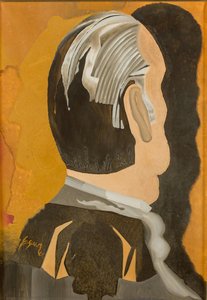
Vicente Escudero
1888 - 1980 , Spain
Основные сведения
- Artistic Movement Or Style: Flamenco Dance
- Artists Or Movements Influenced By This Artist: ['Antonio Gades']
- Artists Who Influenced This Artist: ['Joan Miró']
- Date Of Birth: Oct. 27, 1892
- Full Name: Vicente Escudero
- Nationality: Spanish
- Notable Artworks: ['El amor brujo']
- Place Of Birth: Valladolid, Spain