


 Предпросмотр
 Поделиться
 Поделиться
 Детали произведения

 Скачать
 Похожие работы
 Рентгенография
 Слайд-шоу
 Статистика
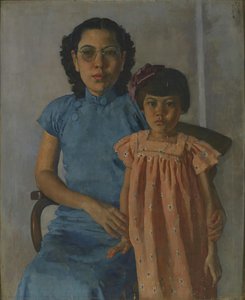
Mother and Daughter
 106.0 x 122.0 cm
 Fukuoka Asian Art Museum
 Читать далее
Приобретите цифровое изображение высокого разрешения в улучшенном качестве, которое значительно превосходит онлайн-превью.
Каждый файл тщательно подготавливается нашими специалистами с использованием передовых инструментов и экспертной ручной ретуши. Мы гарантируем исключительную четкость, точную цветопередачу и детальную проработку каждого изображения.
Финальный файл доставляется по электронной почте в течение 72 часов и оптимизирован для немедленного использования в профессиональной среде, при верстке и печати. Это тот же уровень качества, которому доверяют ведущие дизайнерские студии, издательства и галереи.
Цифровое изображение
Скачайте файл высокого разрешения для личного использования, печати и творческих проектов. ( Перейти к печати Купить картину ручной работы)
Включено в каждый заказ цифровых изображений
Гарантия экспертной цифровой доставки
Выбирая ArtsDot.com, вы получаете не просто изображение — вы приобретаете профессионально обработанное цифровое произведение искусства, созданное с безупречной точностью и под защитой гарантии качества. Вот всё, что автоматически входит в ваш заказ:

Мгновенная доставка по e-mail
Ваш цифровой файл в высоком разрешении будет отправлен вам по электронной почте в течение 72 часов после оформления заказа — и сразу станет доступен для использования.

Цифровой файл с ИИ-улучшением
Ваше произведение искусства проходит профессиональную оптимизацию с использованием передовых инструментов ИИ и ручной обработки, что гарантирует максимальную детализацию, четкость и точность цветопередачи.

Бессрочная бесплатная повторная доставка
Случайно удалили или потеряли файл? Не беспокойтесь — мы отправим его вам повторно в любое время и совершенно бесплатно.

Без импортных пошлин — навсегда
Наслаждайтесь вашим произведением искусства мгновенно без таможенных пошлин, сборов или затрат на доставку — цифровые загрузки всегда не облагаются налогом.

Гарантия точности цветопередачи
Мы гарантируем, что ваше цифровое изображение максимально точно передает оригинальные цвета благодаря использованию профессиональных инструментов и систем управления цветом.

Гарантия удовлетворенности 100 дней
Если вы не будете удовлетворены своим цифровым изображением, мы внесем правки или вернем 100% стоимости в течение 100 дней — без лишних вопросов.

100% Гарантия возврата средств
Не удовлетворены покупкой? Получите полный возврат средств в течение 100 дней после получения цифрового файла — без лишних вопросов.

Скидки на оптовые заказы
Купите 3 изображения, сэкономьте 10% — Купите 5, сэкономьте 15% — Купите 10+, сэкономьте 20%. Отличное решение для творческих проектов, галерей и агентств.
Похожие произведения







Биография художника
A Pioneer of Philippine Modernism: The Life and Legacy of Victorio Edades
Victorio Candido Edades, hailed as the “Father of Modern Philippine Art,” was a revolutionary figure who irrevocably altered the course of artistic expression in his homeland. Born on December 23, 1895, in Barrio Bolosan, Dagupan, Pangasinan, to Hilario and Cecilia Edades, he emerged from humble beginnings marked by both familial warmth and the shadow of loss – six of his ten siblings succumbed to smallpox. Even as a young boy, Edades displayed an exceptional aptitude for art, quickly recognized as an “apprentice teacher” in his seventh-grade class due to his remarkable skill. This early talent wasn’t confined to the visual arts; he also excelled in debate and writing, demonstrating a multifaceted intellect that would later inform his artistic philosophy. His formative years instilled in him not only a passion for creation but also a deep understanding of human experience, particularly hardship and resilience—themes that would resonate throughout his oeuvre.From Seattle to Revolution: The Shaping of an Artistic Vision
After completing high school, Edades embarked on a journey to the United States with friends, briefly working in Alaska before pursuing higher education at the University of Washington in Seattle. Initially drawn to architecture, he ultimately earned a Master of Fine Arts in Painting, a pivotal decision that set him on the path toward artistic innovation. However, it was an encounter with a traveling exhibition from the New York Armory Hall that truly ignited his creative fire. This exposure to European modernists – Cézanne, Gauguin, Matisse, and Picasso – proved transformative, shattering his preconceived notions of art and inspiring him to break free from traditional academic styles. He absorbed their bold experimentation with form, color, and perspective, recognizing the power of art to convey not merely what is seen, but how it *feels*. This newfound artistic freedom would become the cornerstone of his future work.Challenging Conventions: The Thirteen Moderns and a New Artistic Landscape
Upon returning to the Philippines in 1928, Edades found an art scene steeped in tradition, dominated by the idyllic landscapes and genteel portraits favored by Fernando Amorsolo. He perceived a stifling lack of innovation and experimentation, a reluctance to confront the realities of modern life. Undeterred, he boldly challenged these prevailing norms with a daring one-man show at the Philippine Columbia Club in Ermita. The exhibition, featuring thirty paintings – including works previously acclaimed in America – was met with shock and resistance from conservative critics and audiences accustomed to more conventional fare. Yet, it marked a turning point, signaling the arrival of a new artistic voice. Edades soon became the leader of “The Thirteen Moderns,” a group of like-minded artists who actively debated and challenged classical conventions, advocating for new forms of expression and pushing the boundaries of Philippine art. Their collective efforts sparked a cultural dialogue that would reshape the nation’s artistic identity.A Legacy Forged in Bold Strokes: Style, Themes, and National Recognition
Edades' distinctive style was characterized by bold brushstrokes, distorted figures, and a masterful use of muted earth tones contrasted with strong black contours. He deliberately eschewed the idealized representations common in traditional Filipino painting, instead focusing on depictions of everyday laborers and scenes of hardship – subjects previously considered unworthy of artistic attention. His work wasn’t merely about *what* he painted but *how* he painted it; his expressive technique conveyed a sense of raw emotion and social commentary. This commitment to authentic expression earned him widespread recognition, culminating in the prestigious title of National Artist of the Philippines in 1976. His influence extended beyond his own creations, inspiring generations of Filipino artists to embrace experimentation and explore diverse themes. In recent years, his works have achieved record prices at auction – “American Football Player” (1926) and “Poinsettia Girl” (1976) being prime examples – demonstrating a growing appreciation for his groundbreaking contributions. He dismantled artistic norms, believing art should reflect the artist’s emotions and perspective, revolutionizing how art was conceived and created in the Philippines.The Enduring Impact: A Father of Modern Art
Victorio Edades passed away on March 7, 1985, in Davao City, leaving behind a legacy that continues to resonate within the Philippine art community and beyond. He is rightfully regarded as the “Father of Modern Philippine Art” not simply for introducing modernist thought but for fostering a spirit of artistic freedom and encouraging artists to move beyond mere representation and explore their own unique perspectives. His impact on Filipino artistic identity is immeasurable, paving the way for a more dynamic and diverse landscape where innovation and self-expression are celebrated. His story serves as an enduring inspiration, reminding us that true art lies not in replicating reality but in interpreting it through the lens of individual experience and emotion – a principle that continues to guide artists today, including those influenced by figures like Benedicto Reyes Cabrera. Edades’ legacy extends far beyond his canvases; it embodies a commitment to pushing boundaries and challenging conventions, ensuring his place as a true visionary in the history of Philippine art.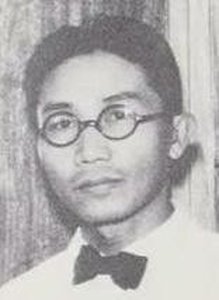
Victorio Candido Edades
1895 - 1985 , Philippines
Основные сведения
- Artistic Movement Or Style: Modernism, Expressionism
- Artists Or Movements Influenced By This Artist:
- Benedicto Reyes Cabrera
- Philippine Modern Art
- Artists Who Influenced This Artist:
- Cézanne
- Gauguin
- Matisse
- Picasso
- Date Of Birth: December 23, 1895
- Date Of Death: 1985
- Full Name: Victorio Candido Edades
- Nationality: Filipino
- Notable Artworks:
- American Football Player
- Poinsettia Girl
- Mother and Daughter
- The Builders
- Place Of Birth: Dagupan City, Philippines