

 Предпросмотр
 Поделиться
 Поделиться
 Детали произведения

 Скачать
 Похожие работы
 Рентгенография
 Слайд-шоу
 Статистика
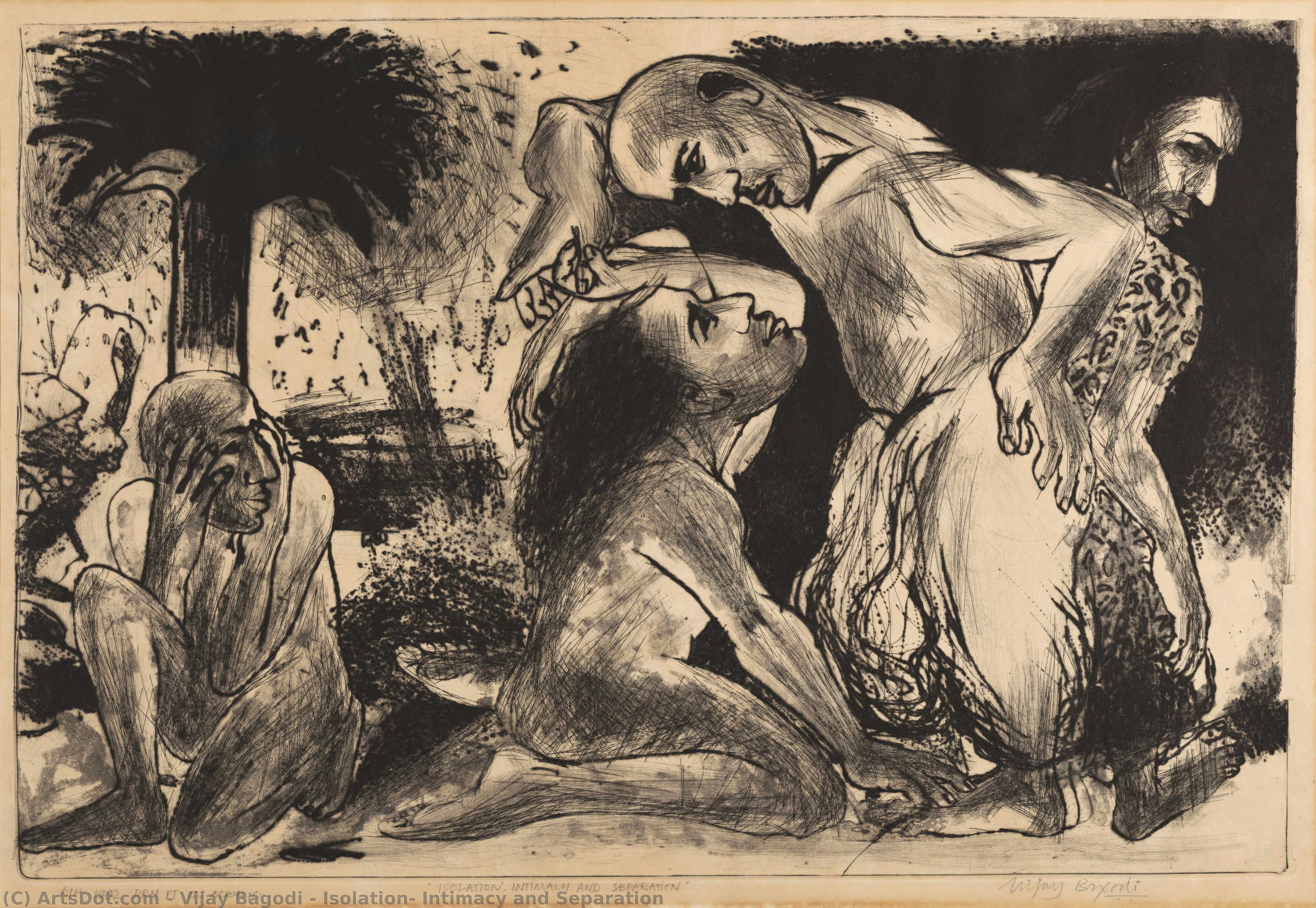
Isolation, Intimacy and Separation
 Etching
- Expressionism
 1992
1992- Contemporary
 65.0 x 94.0 cm
 Kerala Museum
 Читать далее
Масляная репродукция ручной работы
Картина маслом на холсте в выбранном вами размере и раме, написанная на заказ нашими художниками. ( Перейти к печати Перейти к цифровым изображениям)




P118B $10

P118H $10

P118W $10

P438Z $10

P508JH $12

P508YH $12

P805H $10

P805Z $10

P919BZ $10

P919G $10

P919XJ $10

P959ZH $10

P968JZ $12

W106C $8

W218G $10

W218JH $8

W218Y $10

W307PJ $10

W316G $10

W316PJ $8

W316Y $10

W398PJ $8

W4111J $10

W500HY $15

W500JH $15

W692G $12

W849H $8

W940BG $15

W953PJ $8




Выберите один из наших стандартных размеров, соответствующих оригинальным пропорциям произведения искусства.

Вы можете указать собственные размеры, чтобы картина идеально вписалась в выбранную раму или пространство. Если выбранный вами размер не соответствует пропорциям оригинала, мы либо обрежем полотно, либо расширим его за счет дополнительных элементов, написанных вручную. Цифровой макет будет отправлен вам на утверждение перед началом производства.
Обратите внимание, что предварительный просмотр на экране не отражает фактическую обрезку или расширение. Только макет точно покажет окончательную композицию.
Хотя доступны индивидуальные размеры, мы рекомендуем выбирать вариант из предопределенного списка, чтобы сохранить исходные пропорции.
После оформления заказа команда ArtsDot.com свяжется с клиентом по электронной почте для уточнения деталей и предоставит предварительный макет
Доставка по всему миру () за 3–4 недели вместо стандартных 5 недель. (10 Сентябрь). Без компромиссов в качестве.

Бесплатная экспресс-доставка по всему миру

Высококачественный льняной холст

Полное страхование доставки

Гарантия возмещения таможенных пошлин

Гарантия точного соответствия цветов

100-дневная политика возврата (только при обнаружении дефектов)

Гарантия возврата 100% средств

Предложение оптовых скидок
 Вариант со стеклом доступен только для размеров менее 110 см

Isolation, Intimacy and Separation
Техника репродукции
Размер репродукции
-


Итоговая стоимость
$ 363
A Tapestry of Human Emotion: Exploring Bagodi’s Etched Shadows
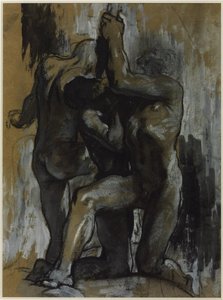
In the profound stillness of Vijay Bagodi’s Isolation, Intimacy and Separation, one finds a visceral dialogue between presence and absence. Created in 1992, this monochromatic etching serves as a hauntingly beautiful meditation on the complexities of human connection. The artwork presents a group of figures caught in a moment of intense, almost theatrical interaction, where the boundaries between bodies seem to blur through heavy, expressive lines. As a master printmaker from the Baroda school, Bagodi utilizes the intricate medium of etching to weave a narrative that transcends mere representation, inviting the viewer into a space where sorrow and closeness coexist in a delicate, tension-filled dance.
The technical mastery displayed in this piece is nothing short of breathtaking, making it a centerpiece worthy of the most discerning collections. Through the meticulous application of hatching and cross-hashing, Bagodi achieves a tactile depth that gives the paper a sculptural quality. The composition is driven by strong diagonals and overlapping organic forms, creating a sense of kinetic energy that prevents the somber subject matter from feeling static. This use of texture—achieved through the layered interplay of ink and light—allows the shadows to breathe, casting a diffused glow that emphasizes the contours of the huddled figures. For an interior designer, such a piece offers a sophisticated anchor for a room, providing a focal point that commands attention through its structural complexity and tonal richness.
Symbolism and the Weight of the Human Condition
Beyond its striking visual impact, the artwork is steeped in symbolic resonance. The very title, Isolation, Intimacy and Separation, acts as a roadmap to the emotional landscape Bagodi has constructed. The figures are positioned in a way that suggests both a desperate clinging to one another and an inescapable individual solitude. This duality—the closeness of the embrace contrasted with the palpable sense of loss—mirrors the socio-political upheavals and personal disappointments that have informed the artist's later career. Each line etched into the plate seems to carry the weight of a shared history, evoking feelings of vulnerability and longing.
For collectors of contemporary Indian printmaking, this work represents a pivotal intersection of tradition and expressionism. The monochromatic palette does not limit the emotional range; rather, it strips away the distraction of color to focus the viewer's attention on the raw, essential truth of the human form. It is an invitation to contemplate our own experiences of connection and detachment. Whether displayed in a quiet study or a grand gallery, this reproduction brings with it an atmosphere of profound introspection, making it an invaluable acquisition for those who seek art that speaks to the enduring mysteries of the soul.
Похожие произведения

Биография художника
Joan Mitchell: A Landscape of the Soul
Joan Mitchell (1925–1992) wasn’t simply a painter; she was an explorer, venturing into the raw and visceral territories of emotion through color and form. Her career, spanning over four decades from her debut in New York in 1952 until her passing in France, is marked by a remarkable evolution—a journey from initially influenced abstract expressionism to a deeply personal and uniquely expressive style. Born in Chicago amidst an environment that fostered artistic appreciation – frequent symphonies, museum visits, and the quiet comfort of poetry – Mitchell’s early exposure laid the groundwork for a life dedicated to visual exploration. Her formative years in France, beginning at age 11, proved pivotal, stripping away conventional approaches and pushing her toward a more intuitive and immediate engagement with the world around her. Returning to New York in late 1949, she quickly found herself immersed within the vibrant “New York School” of painters and poets, a crucible where radical ideas about art were being forged. Her early work, often characterized by bold gestural marks and a sense of urgency, firmly established her as one of the leading young Abstract Expressionist painters, a movement defined by its emphasis on spontaneous action and the expression of inner experience.The Language of Color and Landscape
Mitchell’s distinctive approach to abstraction wasn't rooted in geometric precision or intellectual concepts; instead, it was profoundly shaped by her direct response to landscape – particularly the American West. She didn’t merely depict scenes; she translated them into a language of color, texture, and movement. Her paintings are imbued with a palpable sense of atmosphere, capturing not just what *looked* like a place but how it *felt*. Influenced by poets like Ezra Pound and Wallace Stevens, Mitchell sought to evoke the emotional resonance of a landscape rather than its literal representation. She meticulously studied the nuances of light, shadow, and color, translating these observations into swirling fields of pigment that seemed to vibrate with energy. Her palette was often dominated by intense blues, greens, yellows, and reds—colors she described as “the feeling” of a place. The influence of her travels through the American Southwest is undeniable, evident in the rugged textures and dramatic color combinations that characterize many of her later works. She wasn’t interested in creating idyllic vistas; rather, she sought to capture the raw power and sometimes unsettling beauty of these vast, open spaces.Developing a Distinctive Style
Mitchell's style evolved significantly over time, moving away from the more gestural abstraction of her early work towards a richer, more layered approach. She experimented with various mediums – oil painting, pastel on paper, and printmaking – each offering unique possibilities for expression. Her use of pastel, in particular, allowed her to build up layers of color and texture with remarkable subtlety and control. A key element of her style was the incorporation of “accidents” or unplanned marks into her paintings—she embraced these unexpected moments as opportunities for further exploration and development. Mitchell’s process was deeply intuitive; she rarely worked from a preconceived plan, allowing the painting to unfold organically through a series of spontaneous decisions. This approach resulted in works that are both intensely personal and remarkably open to interpretation. Her work is often described as “color field” abstraction, but it transcends simple categorization, retaining a dynamic energy and emotional depth that distinguishes it from more static color studies.Key Works and Recognition
Throughout her career, Mitchell produced a substantial body of work, many pieces now recognized as cornerstones of 20th-century American art. Notable works include *Tangerine Moon and Wine Dark Sea* (1959), a vibrant depiction of the California coastline that exemplifies her masterful use of color and texture; *Figure (Archaean)* (1968), a complex and layered composition that explores themes of memory and identity; and *Lost Mine* (1967), a powerful evocation of the American West’s rugged beauty. Her paintings were exhibited extensively throughout her lifetime, gaining recognition from major institutions such as the Tate Britain, the Museum of Modern Art in New York, and the Centre Pompidou in Paris. In 1985, she was awarded the retrospective at the National Gallery of Art in Washington D.C., a testament to her enduring influence on the art world. Her work continues to be exhibited and studied worldwide, cementing her place as one of the most significant artists of the post-war era.A Legacy of Emotional Intensity
Joan Mitchell’s legacy extends far beyond the canvases she created. She demonstrated a profound ability to translate subjective experience into visual form, forging a unique and deeply personal style that continues to resonate with viewers today. Her work is not merely decorative; it's an invitation to engage with the emotional landscape of her paintings—to feel the heat of the sun, the wind on your face, and the quiet solitude of the wilderness. Mitchell’s commitment to intuition, experimentation, and a direct engagement with the world around her serves as an inspiration for artists across generations. Her art reminds us that painting can be a powerful tool for exploring the complexities of human emotion and the enduring beauty of the natural world.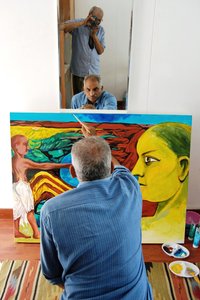
vijay bagodi
1959 - , India
Основные сведения
- Artistic Movement Or Style: Abstract Expressionism
- Artists Or Movements Influenced By This Artist:
- Barnett Newman
- Mark Rothko
- Artists Who Influenced This Artist:
- Picasso
- Klee
- Matisse
- Date Of Birth: February 12, 1925
- Date Of Death: 1992
- Full Name: Joan Mitchell
- Nationality: American
- Notable Artworks:
- Tangerine Moon and Wine Dark Sea
- Cool White
- Solvejg
- Place Of Birth: Chicago, USA
Похожие статьи

Echoes of Time: Exploring the Enduring Appeal & Historical Context of Vintage Art Prints
Explore the captivating world of vintage art prints! Discover their history, collecting tips & enduring appeal. Expert insights on chromolithography and building a legacy collection with ArtsDot.

The Enduring Legacy of Fine Art Prints: Technique, History & Aesthetic Impact
Explore the rich history & techniques of fine art prints. Discover investment potential, assess authenticity, and learn how to preserve your collection with expert guidance. Trusted insights for discerning collectors.

Giclée Prints: Archival Quality & Aesthetic Nuances for the Discerning Collector
Explore the world of giclée prints with ArtsDot. Learn about archival quality, aesthetic nuances & investment potential. Expert guidance for discerning art collectors seeking museum-quality reproductions and lasting value.
The Enduring Legacy of Woodblock Printmaking: Technique, History & Artistic Expression
Explore the rich history of woodblock printmaking – from ancient techniques to Ukiyo-e masterpieces. Discover expert insights on collecting, preserving & appreciating this enduring art form.
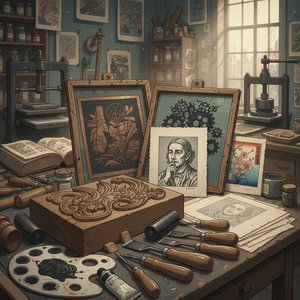
The Enduring Legacy of Printmaking: Techniques, Themes & Artistic Innovation Across Centuries
Explore the rich history of printmaking with ArtsDot. Discover techniques from intaglio to lithography, learn about collecting valuable prints & find museum-quality reproductions. Expert insights for art enthusiasts and collectors.