

 Предпросмотр
 Поделиться
 Поделиться
 Детали произведения

 Скачать
 Похожие работы
 Рентгенография
 Слайд-шоу
 Статистика
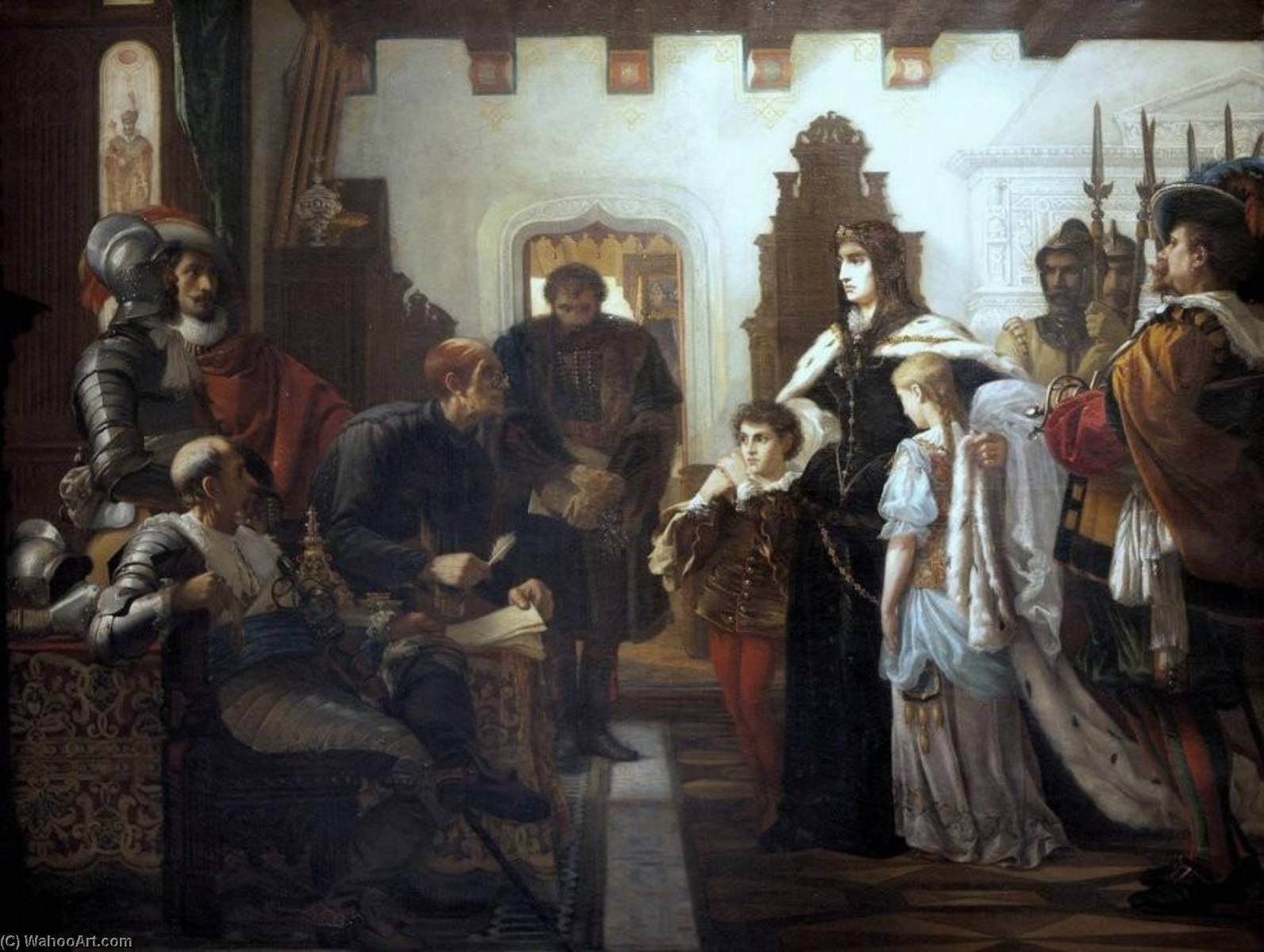
Ilona Zrínyi Before the Investigating Judge
 1859
1859 146.0 x 185.0 cm
 Читать далее
Приобретите цифровое изображение высокого разрешения в улучшенном качестве, которое значительно превосходит онлайн-превью.
Каждый файл тщательно подготавливается нашими специалистами с использованием передовых инструментов и экспертной ручной ретуши. Мы гарантируем исключительную четкость, точную цветопередачу и детальную проработку каждого изображения.
Финальный файл доставляется по электронной почте в течение 72 часов и оптимизирован для немедленного использования в профессиональной среде, при верстке и печати. Это тот же уровень качества, которому доверяют ведущие дизайнерские студии, издательства и галереи.
Цифровое изображение
Скачайте файл высокого разрешения для личного использования, печати и творческих проектов. ( Перейти к печати Купить картину ручной работы)
Включено в каждый заказ цифровых изображений
Гарантия экспертной цифровой доставки
Выбирая ArtsDot.com, вы получаете не просто изображение — вы приобретаете профессионально обработанное цифровое произведение искусства, созданное с безупречной точностью и под защитой гарантии качества. Вот всё, что автоматически входит в ваш заказ:

Мгновенная доставка по e-mail
Ваш цифровой файл в высоком разрешении будет отправлен вам по электронной почте в течение 72 часов после оформления заказа — и сразу станет доступен для использования.

Цифровой файл с ИИ-улучшением
Ваше произведение искусства проходит профессиональную оптимизацию с использованием передовых инструментов ИИ и ручной обработки, что гарантирует максимальную детализацию, четкость и точность цветопередачи.

Бессрочная бесплатная повторная доставка
Случайно удалили или потеряли файл? Не беспокойтесь — мы отправим его вам повторно в любое время и совершенно бесплатно.

Без импортных пошлин — навсегда
Наслаждайтесь вашим произведением искусства мгновенно без таможенных пошлин, сборов или затрат на доставку — цифровые загрузки всегда не облагаются налогом.

Гарантия точности цветопередачи
Мы гарантируем, что ваше цифровое изображение максимально точно передает оригинальные цвета благодаря использованию профессиональных инструментов и систем управления цветом.

Гарантия удовлетворенности 100 дней
Если вы не будете удовлетворены своим цифровым изображением, мы внесем правки или вернем 100% стоимости в течение 100 дней — без лишних вопросов.

100% Гарантия возврата средств
Не удовлетворены покупкой? Получите полный возврат средств в течение 100 дней после получения цифрового файла — без лишних вопросов.

Скидки на оптовые заказы
Купите 3 изображения, сэкономьте 10% — Купите 5, сэкономьте 15% — Купите 10+, сэкономьте 20%. Отличное решение для творческих проектов, галерей и агентств.
The Artist and His Work
Viktor Madarász was a prominent figure in Hungarian art, known for his historical paintings that often depicted scenes from the country's rich history. His work is characterized by attention to detail and a deep understanding of the subjects he portrayed. In Ilona Zrínyi Before the Investigating Judge, Madarász showcases his skill in capturing the essence of a dramatic moment.The Painting's Significance
The painting tells the story of Ilona Zrínyi, a Hungarian noblewoman who played a key role in the country's struggle for independence. The scene depicts her standing before an investigating judge, surrounded by other figures from the time period. The atmosphere is tense, with a sense of drama and urgency palpable throughout the piece.- The use of color and light in the painting adds to its emotional impact, with warm tones and soft lighting creating a sense of intimacy and vulnerability.
- The attention to historical detail is also noteworthy, with Madarász carefully recreating the clothing, furniture, and other elements of the time period.
- For those interested in learning more about Viktor Madarász and his work, https://ArtsDot.com offers a range of resources, including information on his life and career, as well as high-quality reproductions of his paintings.
The Magyar Nemzeti Galéria is also a great resource for those interested in learning more about Hungarian art and history, with a vast collection of paintings, sculptures, and other works on display.
Похожие произведения









Биография художника
Albert Bierstadt: A Titan of the American West
Born in Düsseldorf, Germany, in 1830, Albert Bierstadt’s artistic journey began far from the rugged landscapes he would later immortalize. His early life was steeped in the traditions of the Dusseldorf School, a movement renowned for its meticulous detail, dramatic lighting, and heroic depictions of nature. This training instilled within him an appreciation for capturing the grandeur and emotional impact of the natural world – a sensibility that would profoundly shape his career as one of America’s most celebrated landscape painters.
Bierstadt's family immigrated to New Bedford, Massachusetts, when he was just two years old. Returning to Düsseldorf at age 21, he immersed himself in artistic study under the tutelage of Andreas Aschenbach and Karl Friedman Lessing, masters of the Dusseldorf School. These formative years exposed him to a rigorous approach – an emphasis on precise observation, painstaking rendering of textures, and the use of atmospheric effects to heighten the drama of his scenes. He traveled extensively throughout Europe, sketching and absorbing the landscapes of various regions, further refining his technique and broadening his artistic vision.
Bierstadt’s arrival in America marked a pivotal moment. He quickly established himself as a leading figure in the Hudson River School, a movement characterized by its romanticized depictions of American wilderness. Unlike earlier landscape painters who focused on idyllic scenes, Bierstadt sought to capture the awe-inspiring scale and power of the West – the towering mountains, vast plains, and dramatic skies of the Rocky Mountains and Sierra Nevada. His paintings weren’t merely representations; they were intended to evoke a sense of wonder and inspire a feeling of connection with nature.
The Pioneer of Grand Landscapes
Bierstadt's artistic breakthrough came in 1860, when he witnessed the landscapes that would become the cornerstone of his career. Attached to a military expedition charting wagon routes through the Wyoming Rockies, he meticulously documented the region’s flora, fauna, and indigenous peoples. This experience proved invaluable; he didn’t just paint what he saw but gathered detailed sketches, collected artifacts, and even utilized early photographic techniques – becoming one of the first artists to employ stereoscopy in his work. This commitment to accuracy and observation set him apart from many of his contemporaries.
His paintings quickly gained recognition, particularly after a series of dramatic scenes depicting Yosemite Valley captivated the public’s imagination. These works, imbued with an almost theatrical quality, were exhibited at the National Academy of Design in New York, where they commanded exceptionally high prices – a testament to their immediate popularity. The US Congress even appropriated $20,000 for one canvas and commissioned two monumental murals for the Capitol Building, solidifying Bierstadt’s position as America's foremost artist.
Technique and Style
Bierstadt’s artistic style was characterized by several key elements. He employed a vast scale, often filling the entire canvas with his subjects to emphasize their immensity. His use of light and shadow was particularly dramatic, creating a sense of depth and atmosphere that drew viewers into the scene. He meticulously rendered details – from the individual blades of grass to the textures of rock formations – demonstrating an extraordinary level of technical skill.
Furthermore, Bierstadt’s compositions were often structured around a central focal point, typically a majestic mountain peak or a dramatic sunset. He utilized atmospheric perspective—making distant objects appear paler and less distinct—to create a sense of vastness and distance. His palette favored rich, warm colors – deep blues, greens, and browns – which contributed to the overall feeling of grandeur and romanticism.
Legacy and Historical Significance
Despite his initial success, Bierstadt’s work faced criticism in the late 1870s as the Romantic style of the Dusseldorf School fell out of favor. The Barbizon school's emphasis on naturalism and Impressionism’s focus on capturing fleeting moments challenged the scale and dramatic intensity that defined Bierstadt’s paintings. His monumental *The Last of the Buffalo* was even rejected for the Paris Exposition in 1889, a poignant indicator of shifting artistic tastes.
However, Albert Bierstadt's influence on American art remains undeniable. He played a crucial role in popularizing the depiction of the American West and introducing Eastern audiences to its breathtaking beauty. His paintings served as both visual records and romanticized visions, shaping public perceptions of the frontier and contributing significantly to the development of the American landscape tradition. Today, his works are treasured for their technical mastery, dramatic compositions, and enduring appeal – a testament to the legacy of a true giant of the Hudson River School.
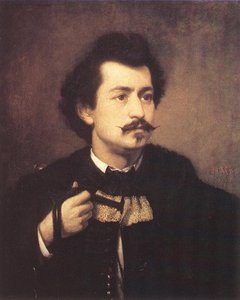
viktor madarász
1830 - 1917
Основные сведения
- Artistic Movement Or Style: Hudson River School
- Date Of Birth: January 7, 1830
- Date Of Death: February 18, 1902
- Full Name: Albert Bierstadt
- Nationality: American
- Notable Artworks:
- The Rocky Mountains
- Yosemite Valley
- Among the Sierra Nevada”, “Last of the Buffalo” ], "Artists who influenced this artist": [ "Andreas Aschenbach", "Karl Friedman Lessing" ], "Artists or movements influenced by this artist": [ "Later American painters"
- Place Of Birth: Düsseldorf, Germany