

 Предпросмотр
 Поделиться
 Поделиться
 Детали произведения

 Скачать
 Похожие работы
 Рентгенография
 Слайд-шоу
 Статистика
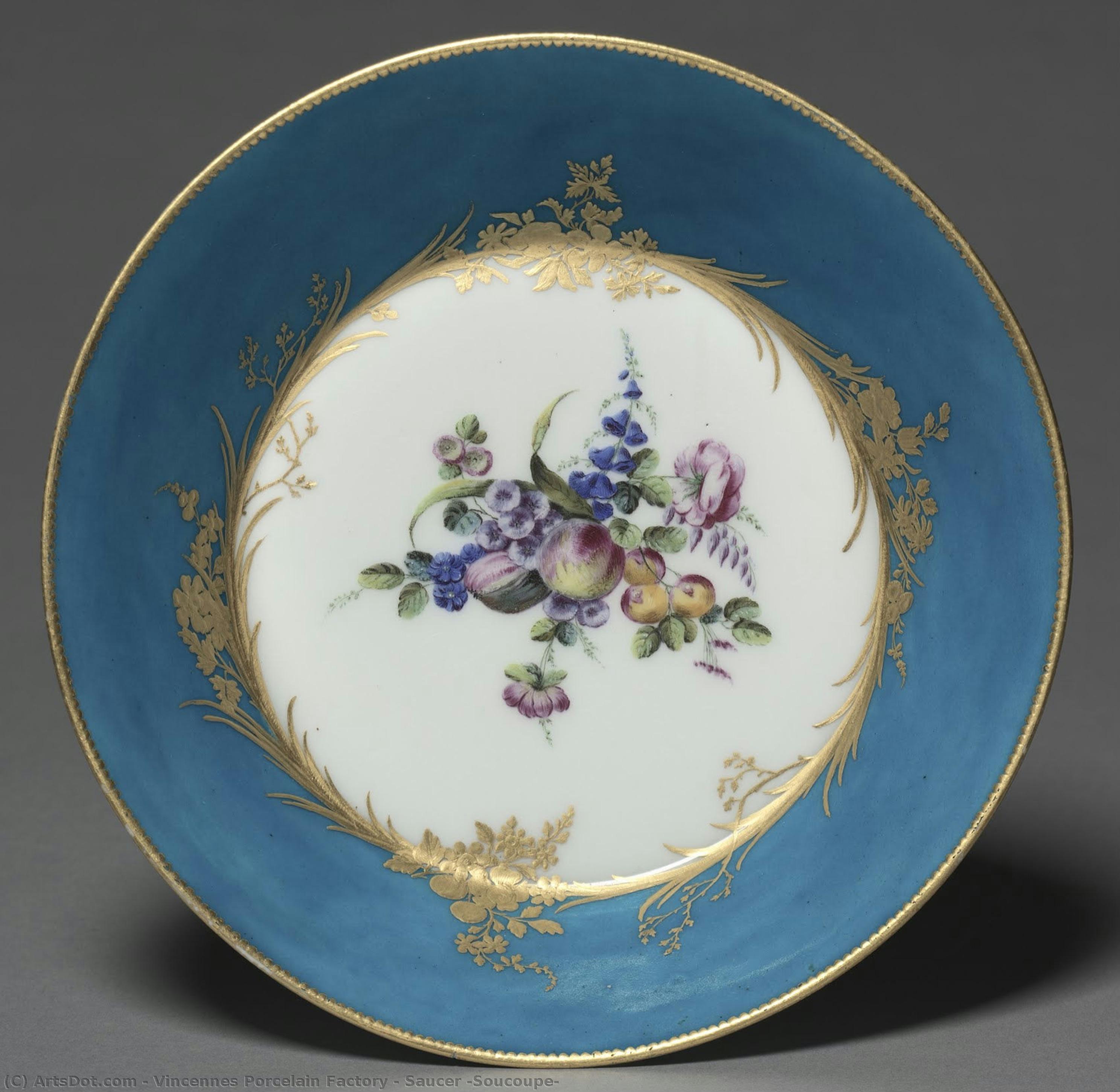
Saucer (Soucoupe)
 Rococo
 1753
1753 4.0 x 19.0 cm
 Кливлендский музей искусств
 Читать далее
Приобретите цифровое изображение высокого разрешения в улучшенном качестве, которое значительно превосходит онлайн-превью.
Каждый файл тщательно подготавливается нашими специалистами с использованием передовых инструментов и экспертной ручной ретуши. Мы гарантируем исключительную четкость, точную цветопередачу и детальную проработку каждого изображения.
Финальный файл доставляется по электронной почте в течение 72 часов и оптимизирован для немедленного использования в профессиональной среде, при верстке и печати. Это тот же уровень качества, которому доверяют ведущие дизайнерские студии, издательства и галереи.
Цифровое изображение
Скачайте файл высокого разрешения для личного использования, печати и творческих проектов. ( Перейти к печати Купить картину ручной работы)
Включено в каждый заказ цифровых изображений
Гарантия экспертной цифровой доставки
Выбирая ArtsDot.com, вы получаете не просто изображение — вы приобретаете профессионально обработанное цифровое произведение искусства, созданное с безупречной точностью и под защитой гарантии качества. Вот всё, что автоматически входит в ваш заказ:

Мгновенная доставка по e-mail
Ваш цифровой файл в высоком разрешении будет отправлен вам по электронной почте в течение 72 часов после оформления заказа — и сразу станет доступен для использования.

Цифровой файл с ИИ-улучшением
Ваше произведение искусства проходит профессиональную оптимизацию с использованием передовых инструментов ИИ и ручной обработки, что гарантирует максимальную детализацию, четкость и точность цветопередачи.

Бессрочная бесплатная повторная доставка
Случайно удалили или потеряли файл? Не беспокойтесь — мы отправим его вам повторно в любое время и совершенно бесплатно.

Без импортных пошлин — навсегда
Наслаждайтесь вашим произведением искусства мгновенно без таможенных пошлин, сборов или затрат на доставку — цифровые загрузки всегда не облагаются налогом.

Гарантия точности цветопередачи
Мы гарантируем, что ваше цифровое изображение максимально точно передает оригинальные цвета благодаря использованию профессиональных инструментов и систем управления цветом.

Гарантия удовлетворенности 100 дней
Если вы не будете удовлетворены своим цифровым изображением, мы внесем правки или вернем 100% стоимости в течение 100 дней — без лишних вопросов.

100% Гарантия возврата средств
Не удовлетворены покупкой? Получите полный возврат средств в течение 100 дней после получения цифрового файла — без лишних вопросов.

Скидки на оптовые заказы
Купите 3 изображения, сэкономьте 10% — Купите 5, сэкономьте 15% — Купите 10+, сэкономьте 20%. Отличное решение для творческих проектов, галерей и агентств.
Похожие произведения
Биография художника
A Legacy in Porcelain: The Vincennes Factory
The story of the Vincennes Porcelain Factory is not that of a single artist, but rather a fascinating chronicle of royal ambition, artistic innovation, and the delicate beauty born from collaborative skill. Established in 1740 under the patronage of Louis XV’s cousin, the Duc de Bourbon, at the Château de Vincennes near Paris, the factory quickly rose to prominence as a rival to the established porcelain manufactories of Italy and the East. Unlike many workshops centered around a dominant personality, Vincennes thrived on attracting talented painters, gilders, sculptors, and modelers – artisans who collectively shaped its distinctive aesthetic. The initial impetus for its creation stemmed from a desire to break the French dependence on imported Chinese porcelain, which was then considered the pinnacle of luxury goods. Bourbon envisioned a factory capable of producing wares that not only matched but surpassed the quality and artistry of their Eastern counterparts, directly within France itself.Early Innovations and Royal Favor
The early years at Vincennes were marked by experimentation. The factory initially struggled to find the perfect porcelain formula, importing kaolin (the essential ingredient for hard-paste porcelain) from Saint-Cloud and later from Cornwall in England. However, through diligent research and adaptation, they eventually mastered the technique, producing a remarkably pure white porcelain body that became their hallmark. This pristine canvas allowed the factory’s artists to fully express their creativity. The patronage of Madame de Pompadour, Louis XV's influential mistress, proved pivotal. She not only commissioned numerous pieces for her own collection but also actively guided the factory’s artistic direction, favoring rococo designs characterized by delicate floral motifs, playful scenes from mythology and everyday life, and an exquisite attention to detail. The *bleu celeste* ground color, a particularly vibrant shade of sky blue, became synonymous with Vincennes porcelain during this period, often serving as the backdrop for intricate gilt decorations and finely painted vignettes. The factory’s output ranged from elaborate dinner services and ornate vases to charming figurines and snuffboxes, all reflecting the refined tastes of the French court.The Transition to Sèvres and Artistic Evolution
In 1756, a significant shift occurred: Louis XV officially took control of the Vincennes factory, relocating it to his estate at Sèvres in 1758. This move signaled not just a change in location but also an evolution in artistic focus. While the rococo style continued to be prominent, there was a growing emphasis on naturalism and technical virtuosity. Artists like Jean-Baptiste Oudry were instrumental in this transition, bringing a new level of realism to floral painting. The Sèvres manufactory, inheriting the skilled workforce and established techniques of Vincennes, began producing increasingly complex and ambitious pieces. The introduction of *rose pompadour*, another signature color, further expanded the factory’s palette. During this period, Sèvres also pioneered new firing techniques, allowing for larger-scale productions and more intricate designs. The distinction between Vincennes and early Sèvres porcelain can be subtle, often relying on identifying marks and stylistic nuances – pieces produced before the relocation typically bear the Vincennes mark, while those from the Sèvres period feature different emblems.Themes and Symbolism in Vincennes Porcelain
The subject matter adorning Vincennes porcelain provides a fascinating glimpse into the cultural values and artistic preferences of 18th-century France. Mythological scenes, often drawn from classical literature and opera, were popular choices, reflecting the court’s fascination with antiquity and its embrace of Enlightenment ideals. Pastoral landscapes and idyllic depictions of rural life offered an escape from the complexities of courtly existence, while portraits of fashionable ladies and gentlemen celebrated beauty and social status.- Floral motifs weren't merely decorative; they were imbued with symbolic meaning.
- Roses represented love and beauty, lilies symbolized purity, and violets conveyed modesty.
- Birds often alluded to fidelity or romantic longing.
Historical Significance and Enduring Appeal
The Vincennes (and later Sèvres) Porcelain Factory fundamentally altered the landscape of European ceramics. It not only established France as a leading producer of high-quality porcelain but also set new standards for artistic excellence and technical innovation. The factory’s wares became highly sought after by royalty, nobility, and wealthy collectors across Europe, shaping tastes and influencing ceramic production for generations to come. Today, Vincennes porcelain remains prized for its exquisite beauty, historical significance, and the remarkable craftsmanship it represents. Each piece is a testament to the collaborative spirit of the artisans who dedicated their lives to creating objects that embodied the elegance, refinement, and artistic brilliance of 18th-century France. The legacy of Vincennes continues to inspire awe and admiration, serving as a timeless reminder of the enduring power of art and beauty.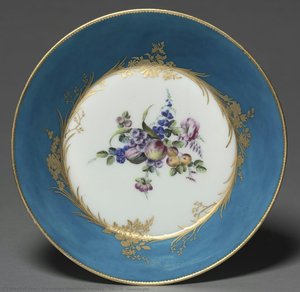
Основные сведения
- Artistic Movement Or Style: Rococo porcelain manufacture
- Date Of Death: Living
- Full Name: Vincennes Porcelain Factory