

 Предпросмотр
 Поделиться
 Поделиться
 Детали произведения

 Скачать
 Похожие работы
 Рентгенография
 Слайд-шоу
 Статистика
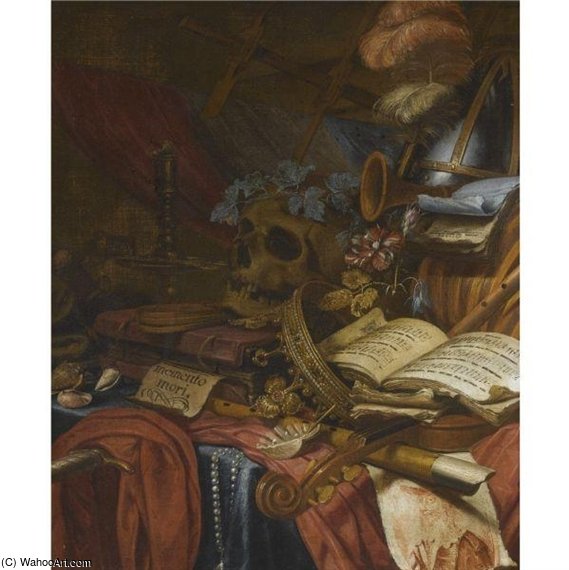
A Vanitas Still Life
 Читать далее
Приобретите цифровое изображение высокого разрешения в улучшенном качестве, которое значительно превосходит онлайн-превью.
Каждый файл тщательно подготавливается нашими специалистами с использованием передовых инструментов и экспертной ручной ретуши. Мы гарантируем исключительную четкость, точную цветопередачу и детальную проработку каждого изображения.
Финальный файл доставляется по электронной почте в течение 72 часов и оптимизирован для немедленного использования в профессиональной среде, при верстке и печати. Это тот же уровень качества, которому доверяют ведущие дизайнерские студии, издательства и галереи.
Цифровое изображение
Скачайте файл высокого разрешения для личного использования, печати и творческих проектов. ( Перейти к печати Купить картину ручной работы)
Включено в каждый заказ цифровых изображений
Гарантия экспертной цифровой доставки
Выбирая ArtsDot.com, вы получаете не просто изображение — вы приобретаете профессионально обработанное цифровое произведение искусства, созданное с безупречной точностью и под защитой гарантии качества. Вот всё, что автоматически входит в ваш заказ:

Мгновенная доставка по e-mail
Ваш цифровой файл в высоком разрешении будет отправлен вам по электронной почте в течение 72 часов после оформления заказа — и сразу станет доступен для использования.

Цифровой файл с ИИ-улучшением
Ваше произведение искусства проходит профессиональную оптимизацию с использованием передовых инструментов ИИ и ручной обработки, что гарантирует максимальную детализацию, четкость и точность цветопередачи.

Бессрочная бесплатная повторная доставка
Случайно удалили или потеряли файл? Не беспокойтесь — мы отправим его вам повторно в любое время и совершенно бесплатно.

Без импортных пошлин — навсегда
Наслаждайтесь вашим произведением искусства мгновенно без таможенных пошлин, сборов или затрат на доставку — цифровые загрузки всегда не облагаются налогом.

Гарантия точности цветопередачи
Мы гарантируем, что ваше цифровое изображение максимально точно передает оригинальные цвета благодаря использованию профессиональных инструментов и систем управления цветом.

Гарантия удовлетворенности 100 дней
Если вы не будете удовлетворены своим цифровым изображением, мы внесем правки или вернем 100% стоимости в течение 100 дней — без лишних вопросов.

100% Гарантия возврата средств
Не удовлетворены покупкой? Получите полный возврат средств в течение 100 дней после получения цифрового файла — без лишних вопросов.

Скидки на оптовые заказы
Купите 3 изображения, сэкономьте 10% — Купите 5, сэкономьте 15% — Купите 10+, сэкономьте 20%. Отличное решение для творческих проектов, галерей и агентств.
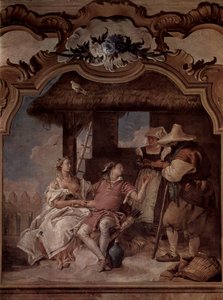
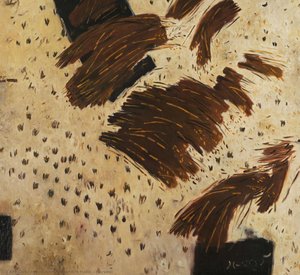
Похожие произведения





Биография художника
A Life Woven in Paint: The World of Vincent Laurensz van der Vinne
Vincent Laurensz van der Vinne, born in Haarlem in 1628 and passing in 1702, was a figure deeply embedded in the artistic and religious currents of his time. More than simply a painter, he was a linen-weaver by trade, a diligent diarist, and a committed Mennonite—a confluence of identities that shaped both his life and his art. His story is one of travel, observation, and a quiet dedication to capturing the essence of 17th-century Dutch life, imbued with a subtle moral weight. Van der Vinne’s early artistic training began within the esteemed studio of Frans Hals, though for a relatively brief nine months in 1647. This foundational experience instilled in him a boldness of brushwork and a keen eye for character that would subtly inform his later compositions. He quickly became a member of the Haarlem Guild of St. Luke in 1649, solidifying his position within the artistic community. However, it was not merely technical skill that defined Van der Vinne; he possessed an insatiable curiosity and a thirst for experience that propelled him beyond the confines of his workshop.The Grand Tour and a Witness to History
In 1652, Van der Vinne embarked on a grand tour—a common rite of passage for aspiring Dutch painters seeking inspiration in Italy. Yet, unlike many of his contemporaries, he never reached the sun-drenched landscapes of the Italian peninsula. His journey took him through Germany, Switzerland, and France, meticulously documented in detailed diaries that stand as invaluable historical records. Accompanied by fellow artists like Dirck Helmbreker and Cornelis Bega, Van der Vinne’s travels were not without peril. He faced hardship, even kidnapping, and navigated a politically volatile landscape. His anxieties about being mistaken for a military surveyor led him to abandon sketching outdoors at times, revealing the ever-present dangers of travel in that era. The Alps proved particularly daunting, skirted for weeks but never crossed despite multiple attempts. This deviation from the traditional grand tour route resulted in an unusual westward trajectory, taking him through regions less frequented by Haarlem artists. His experiences during the Swiss peasant war of 1653—being briefly taken prisoner by farmers—underscored the fragility of peace and the realities of rural unrest. Perhaps most profoundly, Van der Vinne witnessed firsthand the brutal massacre of the Waldensians in Piedmont in 1655, an event that deeply affected him and inspired a powerful poem expressing his outrage.Still Life, Genre Scenes, and the Echoes of *Vanitas*
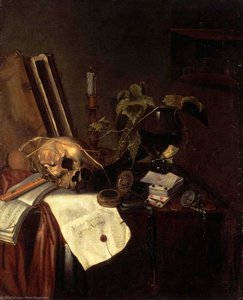
Upon returning to Haarlem, Van der Vinne embraced a diverse range of subjects, accepting any commission regardless of its scale—earning him the playful moniker “the Raphael of sign-boards” from Job Adriaenszoon Berckheyde. While he produced landscapes and portraits, it is his still lifes and genre scenes that have secured his place in art history. These works are often characterized by a subtle interplay of light and shadow, reminiscent of Hals’ influence, and a meticulous attention to detail. A recurring motif in Van der Vinne's oeuvre is the *vanitas*—a symbolic representation of the transience of life, the futility of pleasure, and the certainty of death. Skulls, decaying fruit, extinguished candles, and wilting flowers appear frequently, serving as poignant reminders of mortality. He often incorporated a trompe l’oeil element into these compositions, depicting a sketch or paper seemingly affixed to a desk, sometimes even including a self-portrait copied from a drawing by Leendert van der Cooghen. This playful illusionism adds another layer of complexity to his work, inviting viewers to contemplate the nature of representation itself.Legacy and Influence
Van der Vinne’s style resonated with other artists of his time, notably Evert Collier, Pieter van Eisen, and Barent van Eisen, who adopted elements of his technique and thematic concerns. His emphasis on *vanitas* symbolism and trompe l'oeil effects contributed to the development of these genres in Dutch painting. Beyond his artistic contributions, Van der Vinne’s diaries remain a valuable source of information about 17th-century life in Haarlem and beyond. They offer insights into the social, political, and religious landscape of the era, as well as the challenges and rewards of travel for an artist seeking inspiration. He was also actively involved in his Mennonite community, serving as deacon of “de blok” in 1689. His life exemplifies a harmonious blend of artistic pursuit, intellectual curiosity, and spiritual devotion—a testament to the rich cultural tapestry of the Dutch Golden Age. Vincent Laurensz van der Vinne remains a compelling figure, whose works continue to captivate viewers with their quiet beauty, subtle symbolism, and enduring relevance. His paintings are not merely depictions of objects; they are meditations on life, death, and the human condition.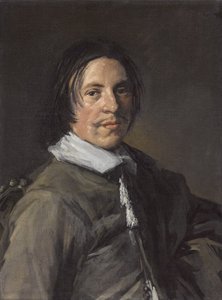
Vincent I Laurensz van der Vinne
1628 - 1702 , Netherlands
Основные сведения
- Artistic Movement Or Style: Baroque
- Artists Or Movements Influenced By This Artist:
- Evert Collier
- Pieter van Eisen
- Barent van Eisen
- Artists Who Influenced This Artist: ['Frans Hals']
- Date Of Birth: 1628
- Date Of Death: 1702
- Full Name: Vincent Laurensz van der Vinne
- Nationality: Dutch
- Place Of Birth: Haarlem, Netherlands