 Предпросмотр
 Поделиться
 Поделиться
 Детали произведения

 Скачать
 Похожие работы
 Рентгенография
 Слайд-шоу
 Статистика
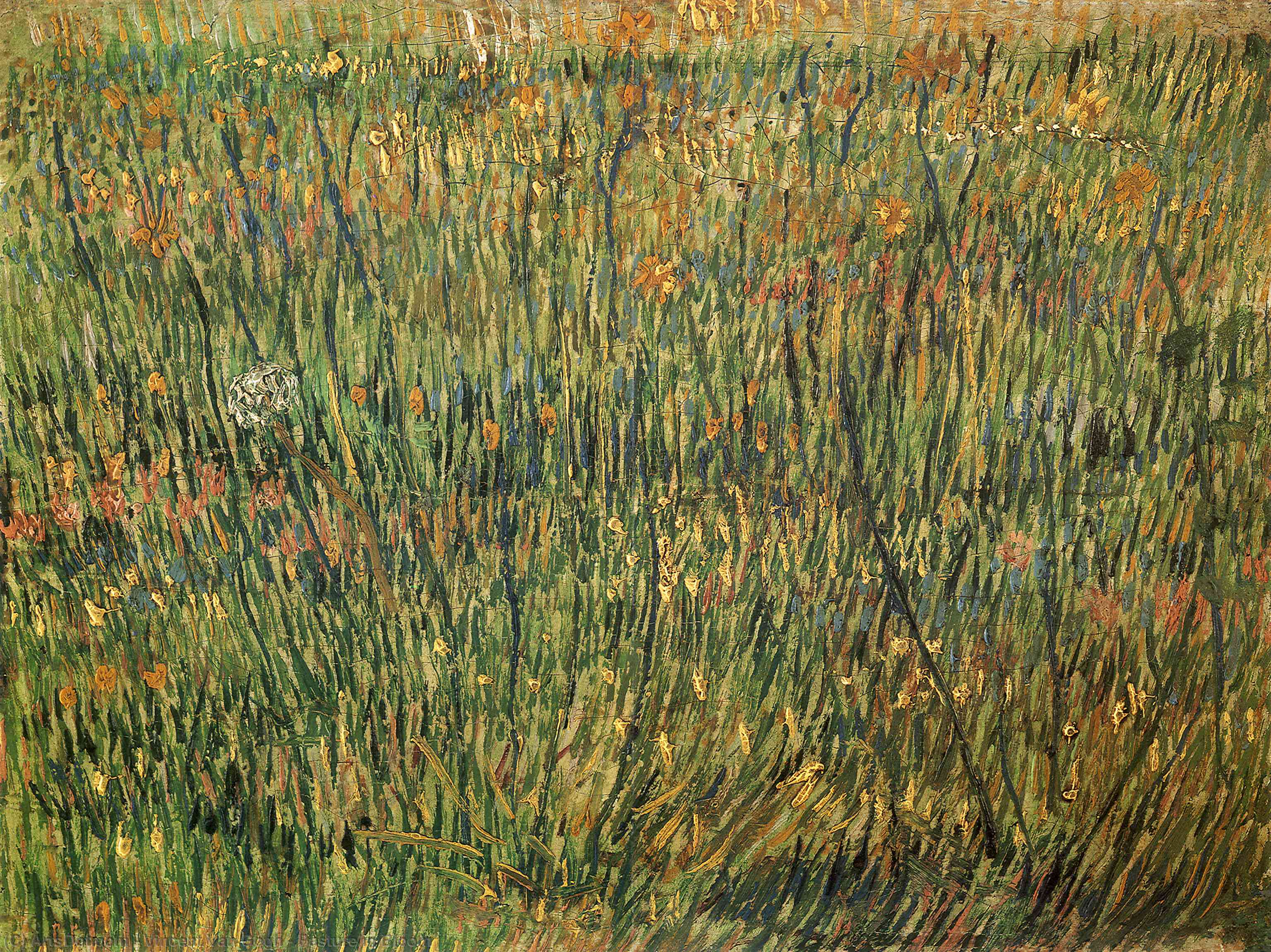
Pasture in Bloom


 Читать далее
Масляная репродукция ручной работы
Картина маслом на холсте в выбранном вами размере и раме, написанная на заказ нашими художниками. ( Перейти к печати Перейти к цифровым изображениям)




P118B $10

P118H $10

P118W $10

P438Z $10

P508JH $12

P508YH $12

P805H $10

P805Z $10

P919BZ $10

P919G $10

P919XJ $10

P959ZH $10

P968JZ $12

W106C $8

W218G $10

W218JH $8

W218Y $10

W307PJ $10

W316G $10

W316PJ $8

W316Y $10

W398PJ $8

W4111J $10

W500HY $15

W500JH $15

W692G $12

W849H $8

W940BG $15

W953PJ $8




Выберите один из наших стандартных размеров, соответствующих оригинальным пропорциям произведения искусства.

Вы можете указать собственные размеры, чтобы картина идеально вписалась в выбранную раму или пространство. Если выбранный вами размер не соответствует пропорциям оригинала, мы либо обрежем полотно, либо расширим его за счет дополнительных элементов, написанных вручную. Цифровой макет будет отправлен вам на утверждение перед началом производства.
Обратите внимание, что предварительный просмотр на экране не отражает фактическую обрезку или расширение. Только макет точно покажет окончательную композицию.
Хотя доступны индивидуальные размеры, мы рекомендуем выбирать вариант из предопределенного списка, чтобы сохранить исходные пропорции.
После оформления заказа команда ArtsDot.com свяжется с клиентом по электронной почте для уточнения деталей и предоставит предварительный макет
Доставка по всему миру () за 3–4 недели вместо стандартных 5 недель. (10 Сентябрь). Без компромиссов в качестве.

Бесплатная экспресс-доставка по всему миру

Высококачественный льняной холст

Полное страхование доставки

Гарантия возмещения таможенных пошлин

Гарантия точного соответствия цветов

100-дневная политика возврата (только при обнаружении дефектов)

Гарантия возврата 100% средств

Предложение оптовых скидок
 Вариант со стеклом доступен только для размеров менее 110 см

Pasture in Bloom
Техника репродукции
Размер репродукции
-


Итоговая стоимость
$ 263
A Symphony in Yellow: Van Gogh’s Field with Poppies – An Exploration of Light and Emotion
Vincent van Gogh's Field with Poppies, painted in 1887 during his time at the asylum in Saint-Rémy, transcends a simple depiction of a Provençal landscape. It is a profoundly personal expression of the artist’s inner world, rendered with an intensity and vibrancy that continues to captivate viewers over a century later. This remarkable work offers a window into Van Gogh's evolving technique and his deeply felt connection to nature – a connection forged amidst periods of intense emotional turmoil.
The scene itself is deceptively simple: a field ablaze with poppies, their brilliant scarlet hues dominating the composition. Behind them, a hazy, undulating landscape stretches towards the horizon, punctuated by the dark silhouettes of cypress trees that punctuate the sky like flames. The artist’s masterful use of impasto – thick layers of paint applied directly to the canvas – creates a tactile surface, almost begging to be touched. This technique isn't merely decorative; it amplifies the sense of movement and energy within the field, conveying the rustling of the poppies in the breeze and the warmth of the Provençal sun.
Post-Impressionism and the Pursuit of Emotion
Field with Poppies firmly establishes Van Gogh within the Post-Impressionist movement. Rejecting the Impressionists’ focus on fleeting moments of light, Van Gogh sought to convey deeper emotional truths through his art. He wasn't simply recording what he saw; he was translating his feelings – a mixture of awe, melancholy, and perhaps even a touch of despair – onto the canvas. This shift in artistic intention is evident in the exaggerated colors and bold brushstrokes that characterize his work during this period.
The painting’s context within Van Gogh's life at Saint-Rémy is crucial to its interpretation. Confined to the asylum following a severe mental breakdown, he found solace and inspiration in the surrounding countryside. The field of poppies, often associated with remembrance and sleep, may have held particular significance for him, perhaps representing a longing for peace or a reflection on mortality. The cypress trees, frequently appearing in his work, are traditionally linked to cemeteries and death, adding another layer of complexity to the scene’s emotional resonance.
Decoding the Symbolism: Color and Form
Van Gogh's use of color is undeniably central to the painting’s impact. The intense scarlet of the poppies isn’t merely a representation of their natural hue; it’s an expression of passion, vitality, and perhaps even danger. The complementary blues and greens in the background provide a dramatic contrast, further intensifying the visual experience. He employs color not just for descriptive accuracy but as a powerful tool to evoke emotion.
Furthermore, the swirling brushstrokes create a sense of dynamism and movement that draws the viewer into the scene. The flattened perspective and simplified forms contribute to an almost dreamlike quality, suggesting that this is less a realistic depiction of a field and more a projection of Van Gogh’s inner state. The deliberate distortion of form reflects his desire to capture not just what he saw but how he *felt* about what he saw.
A Timeless Masterpiece – Perfect for Your Space
ArtsDot offers meticulously crafted hand-painted reproductions of Field with Poppies, allowing you to bring this iconic artwork into your home or office. Our skilled artisans employ the same techniques and attention to detail that Van Gogh himself utilized, ensuring an authentic representation of this emotionally charged masterpiece. Whether you are a seasoned art collector or simply seeking to add a touch of artistic brilliance to your surroundings, a reproduction of this work will undoubtedly become a focal point – a testament to Van Gogh’s enduring genius and the power of color to move the soul.
Похожие произведения
Биография художника
A Life Painted in Emotion: The World of Vincent van Gogh
Vincent Willem van Gogh, a name synonymous with artistic passion and turbulent genius, remains one of the most recognizable and beloved figures in Western art history. Born on March 30, 1853, in Groot-Zundert, Netherlands, his journey was not one of immediate acclaim but rather a slow burn of dedication, struggle, and ultimately, profound influence. The eldest of six children born to a Protestant minister, Theodorus van Gogh, Vincent’s early life was steeped in religious contemplation, a sensibility that would subtly permeate much of his later work. Though he displayed an inclination towards drawing from a young age, his path wasn't immediately clear; he explored various vocations – art dealer, teacher, and missionary – before fully embracing the artist’s life. These experiences, though seemingly disparate, proved formative, instilling in him a deep empathy for the working class and a profound sense of spiritual seeking that would become hallmarks of his artistic vision. Early influences included the Dutch Masters like Rembrandt van Rijn and Frans Hals, whose masterful use of light and shadow resonated with young Vincent, as well as contemporary French painters Jean-François Millet and Camille Corot, who depicted scenes of rural life with a poignant realism.From Darkness to Light: Artistic Development and Style
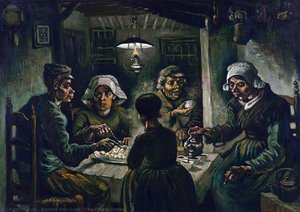
Van Gogh’s serious engagement with painting began around 1880, largely self-taught, driven by an inner compulsion to express the world as he perceived it. His initial works reflected his compassion for the marginalized, focusing on the lives of peasants and laborers – exemplified in pieces like The Potato Eaters. These early paintings are characterized by dark, earthy tones and a raw, almost brutal honesty that sought to capture the hardship and dignity of rural existence. The figures aren’t idealized; they're depicted with unflinching realism, their faces etched with toil and worry. A pivotal moment arrived with his move to Paris in 1886, where he was exposed to the vibrant world of Impressionism and Post-Impressionism. This encounter proved transformative, injecting brighter colors into his palette and encouraging experimentation with new techniques. He absorbed the lessons of artists like Monet, Renoir, and Pissarro, but never fully adopted their style; instead, he forged a path uniquely his own. His brushstrokes became looser, more expressive, and he began to explore color in ways that were both bold and emotionally charged. He wasn’t simply copying what he saw; he was translating *feeling* onto the canvas – the weight of poverty, the beauty of nature, the intensity of human connection.Periods of Intensity: Key Works and Artistic Phases
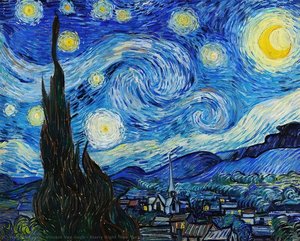
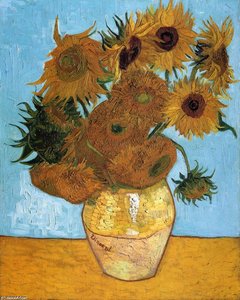
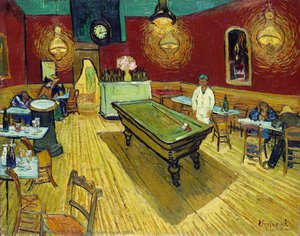
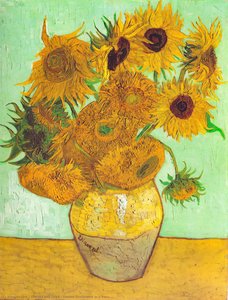
Van Gogh’s artistic journey can be broadly divided into distinct periods, each marked by unique characteristics and significant works. The Dutch Period (1880-1886), as mentioned, was defined by somber tones and depictions of peasant life – scenes of rural labor, simple interiors, and portraits of ordinary people. These paintings were often executed in muted browns and greens, reflecting the bleakness of the lives he depicted. The subsequent Parisian Period (1886-1888) saw a dramatic shift towards brighter colors and experimentation with Impressionist techniques. He studied the works of artists like Degas and Toulouse-Lautrec, absorbing their innovative approaches to composition and color. However, it was during the Arles Period (1888-1889), in the south of France, that Van Gogh reached a peak of creative intensity. Surrounded by the radiant light and vibrant landscapes of Provence, he produced some of his most iconic works: Sunflowers – bursting with golden hues and radiating an almost overwhelming energy; *The Night Café* – a claustrophobic interior bathed in unsettling artificial light; and *Starry Night Over the Rhône* - capturing the shimmering reflections of city lights on the water. These paintings are not merely depictions of scenes; they are emotional landscapes, pulsating with life and imbued with a sense of longing. His distinctive style solidified during this period – thick impasto, swirling brushstrokes, and an intense use of color to convey emotion. His final years, spent in Saint-Rémy and Auvers-sur-Oise (1889-1890), were marked by continued artistic output despite increasing mental distress. Confined to an asylum at Saint-Rémy following a breakdown, he found solace in painting the surrounding countryside, resulting in masterpieces like The Starry Night – a swirling vortex of color and emotion that continues to captivate viewers today. Even during this period of profound suffering, his portraits – particularly those of Dr. Gachet – reveal an extraordinary sensitivity and psychological depth.A Legacy Forged in Suffering: Achievements and Historical Significance
Despite facing rejection and struggling with mental illness throughout his life, Van Gogh created over 2,100 artworks in just over a decade—approximately 860 oil paintings. This astonishing output is testament to his unwavering dedication and relentless creative drive. Remarkably, during his lifetime, only one painting – The Red Vineyard – was sold. Recognition came posthumously, slowly at first, then with increasing momentum in the early 20th century. His work profoundly influenced the development of modern art, particularly Expressionism and Fauvism, inspiring artists to prioritize emotional expression over realistic representation. His bold use of color, distorted forms, and expressive brushwork paved the way for new artistic possibilities. Today, Van Gogh’s paintings are among the most recognizable and valuable artworks in the world, commanding record prices at auction and drawing millions of visitors to museums worldwide. But his legacy extends far beyond monetary value; he remains a cultural icon, representing the archetype of the “tortured artist” – though this narrative often overshadows his skill, dedication, and artistic vision. The Van Gogh Museum in Amsterdam stands as a testament to his enduring influence, showcasing his work and celebrating his life for generations to come. His art continues to resonate with audiences because it speaks to universal human experiences—love, loss, hope, despair—with an honesty and vulnerability that transcends time and culture.- Major Influences: Dutch Masters (Rembrandt, Hals), Millet, Corot.
- Key Periods: Dutch, Parisian, Arles, Saint-Rémy/Auvers-sur-Oise.
- Notable Works: The Potato Eaters, Sunflowers, Starry Night, The Night Café.
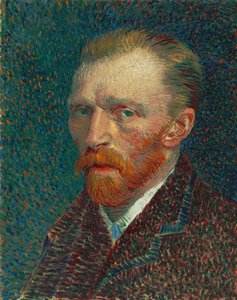
vincent willem van gogh
1853 - 1890 , Нидерланды
Основные сведения
- Artistic Movement Or Style: Постимпрессионизм
- Artists Or Movements Influenced By This Artist:
- Экспрессионизм
- Фовизм
- Artists Who Influenced This Artist:
- Рембрандт
- Жюльен Милле
- Date Of Birth: 30 марта 1853
- Date Of Death: 29 июля 1890
- Full Name: Vincent Willem van Gogh
- Nationality: Нидерландский
- Notable Artworks:
- Помидорщики
- Подсолнухи
- Звёздная ночь
- Place Of Birth: Зюндерт, Нидерланды
Похожие статьи
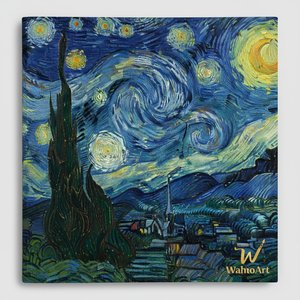
Decoding Van Gogh's Turmoil: ArtsDot’s Masterful Reproductions of Emotional Depth
Discover exquisite Van Gogh reproductions from ArtsDot – expert art specialists offering museum-quality prints & custom paintings. Trust our authentic process and elevate your collection today.
Топ-25 шедевров Музея д’Орсе: Искусство импрессионизма для вашего дома
Погрузитесь в мир импрессионизма! Откройте топ-25 шедевров Музея д’Орсе: Моне, Ван Гог, Дега и другие великие художники. Вдохновение для интерьера и репродукции картин музейного качества на ArtsDot.com.

Рембрандт ван Рейн: Топ-25 шедевров великого голландского мастера | ArtsDot
Погрузитесь в мир великого Рембрандта! 25 шедевров голландского барокко, истории создания картин и уникальные техники художника. Купите репродукции картин Рембрандта высочайшего качества для вашего интерьера на ArtsDot.com

Топ-10 шедевров импрессионизма: искусство мгновения для вашего интерьера
Погрузитесь в мир импрессионизма! Откройте для себя 10 шедевров Моне, Ренуара и других великих мастеров. Узнайте историю создания культовых картин и вдохновитесь для декора интерьера. Репродукции музейного качества на ArtsDot.com.
10 Шедевров Постимпрессионизма, Определивших Эпоху | ArtsDot.com
Погрузитесь в мир постимпрессионизма! Откройте 10 шедевров Ван Гога, Моне, Сезанна и других великих художников. История искусства, техники живописи и вдохновение для вашего интерьера на ArtsDot.com. Изысканные репродукции картин ждут вас!