

 Предпросмотр
 Поделиться
 Поделиться
 Детали произведения

 Скачать
 Похожие работы
 Рентгенография
 Слайд-шоу
 Статистика
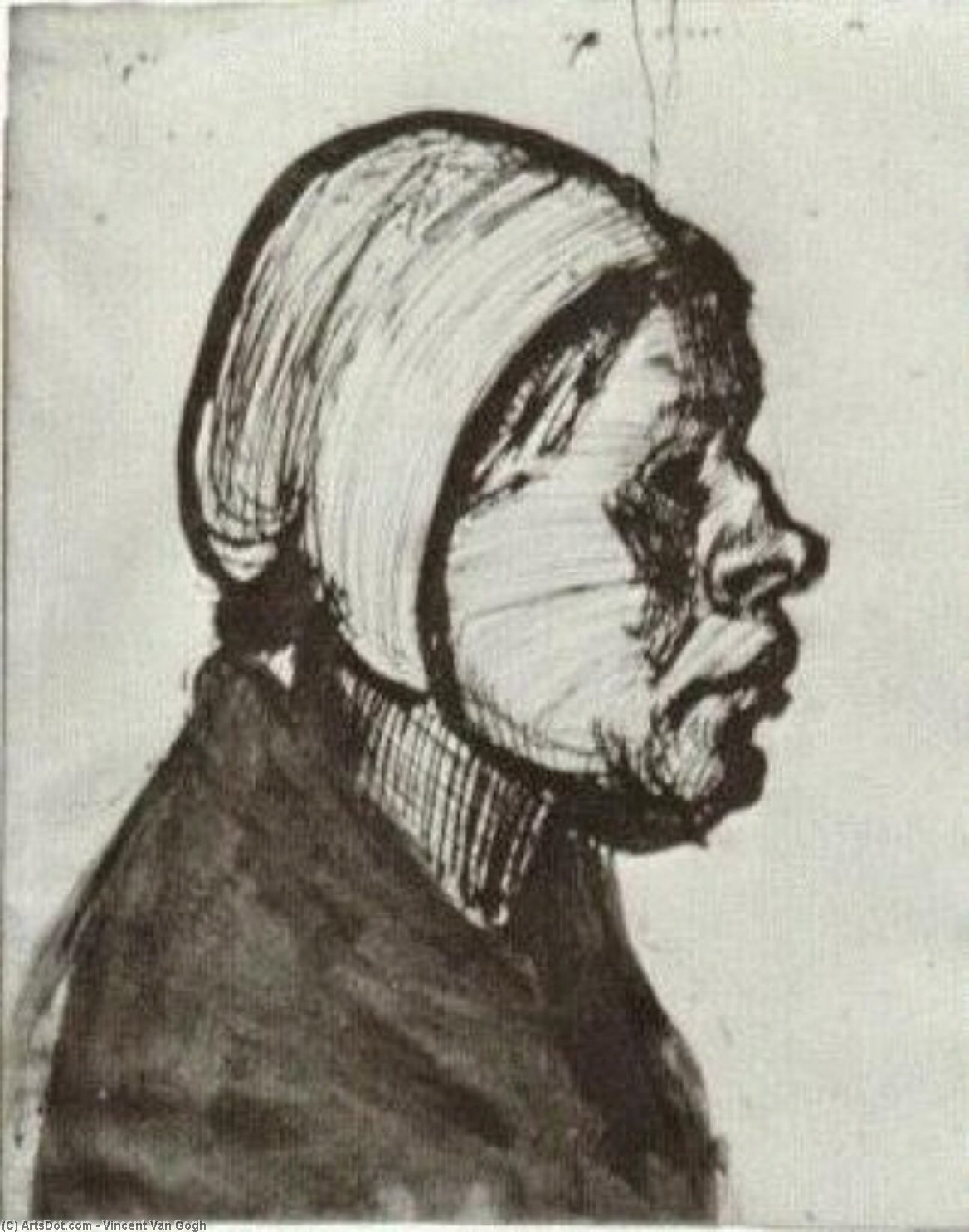
Peasant Woman, Head (11)


 Читать далее
Приобретите цифровое изображение высокого разрешения в улучшенном качестве, которое значительно превосходит онлайн-превью.
Каждый файл тщательно подготавливается нашими специалистами с использованием передовых инструментов и экспертной ручной ретуши. Мы гарантируем исключительную четкость, точную цветопередачу и детальную проработку каждого изображения.
Финальный файл доставляется по электронной почте в течение 72 часов и оптимизирован для немедленного использования в профессиональной среде, при верстке и печати. Это тот же уровень качества, которому доверяют ведущие дизайнерские студии, издательства и галереи.
Цифровое изображение
Скачайте файл высокого разрешения для личного использования, печати и творческих проектов. ( Перейти к печати Купить картину ручной работы)
Включено в каждый заказ цифровых изображений
Гарантия экспертной цифровой доставки
Выбирая ArtsDot.com, вы получаете не просто изображение — вы приобретаете профессионально обработанное цифровое произведение искусства, созданное с безупречной точностью и под защитой гарантии качества. Вот всё, что автоматически входит в ваш заказ:

Мгновенная доставка по e-mail
Ваш цифровой файл в высоком разрешении будет отправлен вам по электронной почте в течение 72 часов после оформления заказа — и сразу станет доступен для использования.

Цифровой файл с ИИ-улучшением
Ваше произведение искусства проходит профессиональную оптимизацию с использованием передовых инструментов ИИ и ручной обработки, что гарантирует максимальную детализацию, четкость и точность цветопередачи.

Бессрочная бесплатная повторная доставка
Случайно удалили или потеряли файл? Не беспокойтесь — мы отправим его вам повторно в любое время и совершенно бесплатно.

Без импортных пошлин — навсегда
Наслаждайтесь вашим произведением искусства мгновенно без таможенных пошлин, сборов или затрат на доставку — цифровые загрузки всегда не облагаются налогом.

Гарантия точности цветопередачи
Мы гарантируем, что ваше цифровое изображение максимально точно передает оригинальные цвета благодаря использованию профессиональных инструментов и систем управления цветом.

Гарантия удовлетворенности 100 дней
Если вы не будете удовлетворены своим цифровым изображением, мы внесем правки или вернем 100% стоимости в течение 100 дней — без лишних вопросов.

100% Гарантия возврата средств
Не удовлетворены покупкой? Получите полный возврат средств в течение 100 дней после получения цифрового файла — без лишних вопросов.

Скидки на оптовые заказы
Купите 3 изображения, сэкономьте 10% — Купите 5, сэкономьте 15% — Купите 10+, сэкономьте 20%. Отличное решение для творческих проектов, галерей и агентств.
Introduction: Echoes of Rural Life and Inner Turmoil
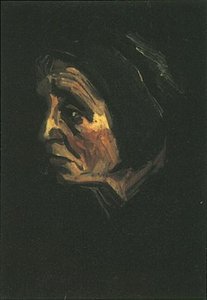
Vincent van Gogh’s “Peasant Woman, Head (11),” painted between 1884 and 1885 in the quiet village of Nuenen, Netherlands, is far more than a simple portrait. It's a poignant distillation of the artist’s evolving artistic vision, his deep empathy for the working class, and perhaps, a subtle reflection of his own internal struggles. This intimate study, rendered in muted earth tones and characterized by Van Gogh’s signature impasto technique – thick, visible brushstrokes that practically leap from the canvas – offers a rare glimpse into the life and spirit of a rural Dutch woman. The painting immediately draws the viewer in with its direct gaze; the subject, her face framed by a dark background, appears to meet the eye with an intensity that transcends mere representation.
Van Gogh’s decision to focus on this particular peasant woman wasn't driven by a desire for grand narrative or heroic stature. Instead, he sought to capture the essence of a life lived close to the land – a life marked by hardship, resilience, and an understated dignity. He described these studies as attempts to depict “the noble peasant,” emphasizing their inherent strength and character rather than focusing on individual identity. The painting’s power lies in its ability to evoke a sense of quiet contemplation, inviting us to consider the weight of experience etched onto her face.
Technique and Style: A Masterclass in Expressive Brushwork
The painting's remarkable immediacy is achieved through Van Gogh’s distinctive technique. He employed a method known as “wet-on-wet,” applying fresh paint to a still-damp surface, allowing the colors to blend and mingle organically. This created a sense of fluidity and movement within the brushstrokes, imbuing the image with an almost tactile quality. The thick impasto not only adds texture but also intensifies the color saturation, creating a vibrant yet subdued effect. Notice how the individual strokes build up to form the contours of her face, particularly around the eyes and mouth – areas he deliberately emphasized to convey emotion.
The limited palette—primarily browns, blues, and whites—contributes significantly to the painting’s mood. These earthy tones reflect the rural setting and evoke a sense of groundedness and simplicity. The careful use of light and shadow sculpts her features, highlighting her weathered skin and creating a powerful contrast between the darkness of the background and the luminosity of her face. The composition is remarkably simple, yet profoundly effective; it’s a testament to Van Gogh's ability to communicate volumes with minimal means.
Historical Context: Peasant Life and Artistic Innovation
Painted during a period of significant artistic experimentation, “Peasant Woman, Head (11)” reflects the broader trends emerging in late 19th-century art. Van Gogh was deeply influenced by the works of Rembrandt and Frans Hals, masters known for their dramatic lighting and psychological insight. He also found inspiration in Japanese woodblock prints – *Ukiyo-e* – which encouraged flattened perspectives and bold compositions. These influences combined to shape his unique style, characterized by expressive brushwork, vibrant colors, and a focus on capturing the essence of everyday subjects.
Furthermore, Van Gogh’s decision to depict peasant life was part of a larger movement within art circles at the time. Many artists were increasingly interested in portraying the lives of ordinary people, challenging the traditional focus on aristocratic or mythological themes. Van Gogh's work stands as a powerful example of this shift, offering a sympathetic and nuanced portrayal of a marginalized group.
Symbolism and Emotional Resonance: A Portrait of Resilience
Beyond its technical brilliance, “Peasant Woman, Head (11)” is rich in symbolic meaning. The woman’s weathered face speaks to the hardships of rural life – the relentless toil, the exposure to the elements, and the limited opportunities available to those who worked the land. Yet, her gaze holds a remarkable dignity and strength, suggesting an enduring spirit and a deep connection to her community. The painting isn't simply a depiction of poverty; it’s a celebration of resilience, quiet fortitude, and the beauty found in simplicity.
Van Gogh’s choice to render this subject with such intimacy and respect is profoundly moving. “Peasant Woman, Head (11)” remains one of his most enduring works, offering a timeless meditation on human experience and the dignity of everyday life. A reproduction captures not only the visual elements but also the emotional depth and artistic innovation that define Van Gogh’s legacy.
Похожие произведения
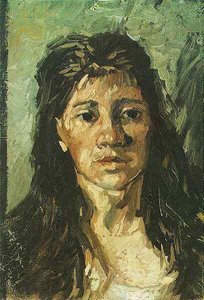
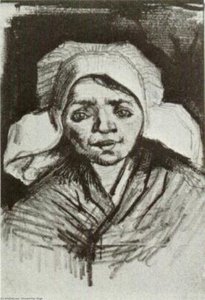
Биография художника
A Life Painted in Emotion: The World of Vincent van Gogh
Vincent Willem van Gogh, a name synonymous with artistic passion and turbulent genius, remains one of the most recognizable and beloved figures in Western art history. Born on March 30, 1853, in Groot-Zundert, Netherlands, his journey was not one of immediate acclaim but rather a slow burn of dedication, struggle, and ultimately, profound influence. The eldest of six children born to a Protestant minister, Theodorus van Gogh, Vincent’s early life was steeped in religious contemplation, a sensibility that would subtly permeate much of his later work. Though he displayed an inclination towards drawing from a young age, his path wasn't immediately clear; he explored various vocations – art dealer, teacher, and missionary – before fully embracing the artist’s life. These experiences, though seemingly disparate, proved formative, instilling in him a deep empathy for the working class and a profound sense of spiritual seeking that would become hallmarks of his artistic vision. Early influences included the Dutch Masters like Rembrandt van Rijn and Frans Hals, whose masterful use of light and shadow resonated with young Vincent, as well as contemporary French painters Jean-François Millet and Camille Corot, who depicted scenes of rural life with a poignant realism.From Darkness to Light: Artistic Development and Style
Van Gogh’s serious engagement with painting began around 1880, largely self-taught, driven by an inner compulsion to express the world as he perceived it. His initial works reflected his compassion for the marginalized, focusing on the lives of peasants and laborers – exemplified in pieces like The Potato Eaters. These early paintings are characterized by dark, earthy tones and a raw, almost brutal honesty that sought to capture the hardship and dignity of rural existence. The figures aren’t idealized; they're depicted with unflinching realism, their faces etched with toil and worry. A pivotal moment arrived with his move to Paris in 1886, where he was exposed to the vibrant world of Impressionism and Post-Impressionism. This encounter proved transformative, injecting brighter colors into his palette and encouraging experimentation with new techniques. He absorbed the lessons of artists like Monet, Renoir, and Pissarro, but never fully adopted their style; instead, he forged a path uniquely his own. His brushstrokes became looser, more expressive, and he began to explore color in ways that were both bold and emotionally charged. He wasn’t simply copying what he saw; he was translating *feeling* onto the canvas – the weight of poverty, the beauty of nature, the intensity of human connection.Periods of Intensity: Key Works and Artistic Phases
Van Gogh’s artistic journey can be broadly divided into distinct periods, each marked by unique characteristics and significant works. The Dutch Period (1880-1886), as mentioned, was defined by somber tones and depictions of peasant life – scenes of rural labor, simple interiors, and portraits of ordinary people. These paintings were often executed in muted browns and greens, reflecting the bleakness of the lives he depicted. The subsequent Parisian Period (1886-1888) saw a dramatic shift towards brighter colors and experimentation with Impressionist techniques. He studied the works of artists like Degas and Toulouse-Lautrec, absorbing their innovative approaches to composition and color. However, it was during the Arles Period (1888-1889), in the south of France, that Van Gogh reached a peak of creative intensity. Surrounded by the radiant light and vibrant landscapes of Provence, he produced some of his most iconic works: Sunflowers – bursting with golden hues and radiating an almost overwhelming energy; *The Night Café* – a claustrophobic interior bathed in unsettling artificial light; and *Starry Night Over the Rhône* - capturing the shimmering reflections of city lights on the water. These paintings are not merely depictions of scenes; they are emotional landscapes, pulsating with life and imbued with a sense of longing. His distinctive style solidified during this period – thick impasto, swirling brushstrokes, and an intense use of color to convey emotion. His final years, spent in Saint-Rémy and Auvers-sur-Oise (1889-1890), were marked by continued artistic output despite increasing mental distress. Confined to an asylum at Saint-Rémy following a breakdown, he found solace in painting the surrounding countryside, resulting in masterpieces like The Starry Night – a swirling vortex of color and emotion that continues to captivate viewers today. Even during this period of profound suffering, his portraits – particularly those of Dr. Gachet – reveal an extraordinary sensitivity and psychological depth.A Legacy Forged in Suffering: Achievements and Historical Significance
Despite facing rejection and struggling with mental illness throughout his life, Van Gogh created over 2,100 artworks in just over a decade—approximately 860 oil paintings. This astonishing output is testament to his unwavering dedication and relentless creative drive. Remarkably, during his lifetime, only one painting – The Red Vineyard – was sold. Recognition came posthumously, slowly at first, then with increasing momentum in the early 20th century. His work profoundly influenced the development of modern art, particularly Expressionism and Fauvism, inspiring artists to prioritize emotional expression over realistic representation. His bold use of color, distorted forms, and expressive brushwork paved the way for new artistic possibilities. Today, Van Gogh’s paintings are among the most recognizable and valuable artworks in the world, commanding record prices at auction and drawing millions of visitors to museums worldwide. But his legacy extends far beyond monetary value; he remains a cultural icon, representing the archetype of the “tortured artist” – though this narrative often overshadows his skill, dedication, and artistic vision. The Van Gogh Museum in Amsterdam stands as a testament to his enduring influence, showcasing his work and celebrating his life for generations to come. His art continues to resonate with audiences because it speaks to universal human experiences—love, loss, hope, despair—with an honesty and vulnerability that transcends time and culture.- Major Influences: Dutch Masters (Rembrandt, Hals), Millet, Corot.
- Key Periods: Dutch, Parisian, Arles, Saint-Rémy/Auvers-sur-Oise.
- Notable Works: The Potato Eaters, Sunflowers, Starry Night, The Night Café.
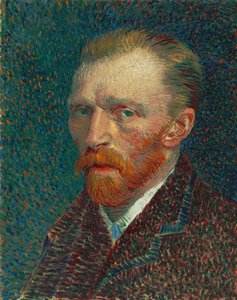
vincent willem van gogh
1853 - 1890 , Нидерланды
Основные сведения
- Artistic Movement Or Style: Постимпрессионизм
- Artists Or Movements Influenced By This Artist:
- Экспрессионизм
- Фовизм
- Artists Who Influenced This Artist:
- Рембрандт
- Жюльен Милле
- Date Of Birth: 30 марта 1853
- Date Of Death: 29 июля 1890
- Full Name: Vincent Willem van Gogh
- Nationality: Нидерландский
- Notable Artworks:
- Помидорщики
- Подсолнухи
- Звёздная ночь
- Place Of Birth: Зюндерт, Нидерланды