

 Предпросмотр
 Поделиться
 Поделиться
 Детали произведения

 Скачать
 Похожие работы
 Рентгенография
 Слайд-шоу
 Статистика
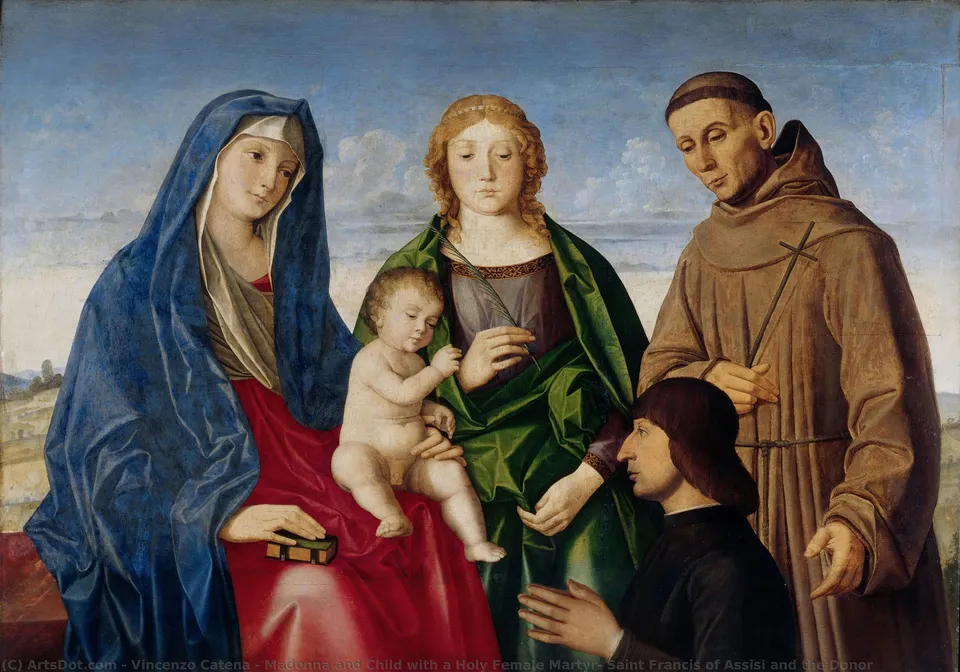
Madonna and Child with a Holy Female Martyr, Saint Francis of Assisi and the Donor
 Oil On Canvas
- WallArt
- Early Renaissance
 1510
1510 64.0 x 92.0 cm
 Музей искусств Будапешта
 Читать далее
Приобретите цифровое изображение высокого разрешения в улучшенном качестве, которое значительно превосходит онлайн-превью.
Каждый файл тщательно подготавливается нашими специалистами с использованием передовых инструментов и экспертной ручной ретуши. Мы гарантируем исключительную четкость, точную цветопередачу и детальную проработку каждого изображения.
Финальный файл доставляется по электронной почте в течение 72 часов и оптимизирован для немедленного использования в профессиональной среде, при верстке и печати. Это тот же уровень качества, которому доверяют ведущие дизайнерские студии, издательства и галереи.
Цифровое изображение
Скачайте файл высокого разрешения для личного использования, печати и творческих проектов. ( Перейти к печати Купить картину ручной работы)
Включено в каждый заказ цифровых изображений
Гарантия экспертной цифровой доставки
Выбирая ArtsDot.com, вы получаете не просто изображение — вы приобретаете профессионально обработанное цифровое произведение искусства, созданное с безупречной точностью и под защитой гарантии качества. Вот всё, что автоматически входит в ваш заказ:

Мгновенная доставка по e-mail
Ваш цифровой файл в высоком разрешении будет отправлен вам по электронной почте в течение 72 часов после оформления заказа — и сразу станет доступен для использования.

Цифровой файл с ИИ-улучшением
Ваше произведение искусства проходит профессиональную оптимизацию с использованием передовых инструментов ИИ и ручной обработки, что гарантирует максимальную детализацию, четкость и точность цветопередачи.

Бессрочная бесплатная повторная доставка
Случайно удалили или потеряли файл? Не беспокойтесь — мы отправим его вам повторно в любое время и совершенно бесплатно.

Без импортных пошлин — навсегда
Наслаждайтесь вашим произведением искусства мгновенно без таможенных пошлин, сборов или затрат на доставку — цифровые загрузки всегда не облагаются налогом.

Гарантия точности цветопередачи
Мы гарантируем, что ваше цифровое изображение максимально точно передает оригинальные цвета благодаря использованию профессиональных инструментов и систем управления цветом.

Гарантия удовлетворенности 100 дней
Если вы не будете удовлетворены своим цифровым изображением, мы внесем правки или вернем 100% стоимости в течение 100 дней — без лишних вопросов.

100% Гарантия возврата средств
Не удовлетворены покупкой? Получите полный возврат средств в течение 100 дней после получения цифрового файла — без лишних вопросов.

Скидки на оптовые заказы
Купите 3 изображения, сэкономьте 10% — Купите 5, сэкономьте 15% — Купите 10+, сэкономьте 20%. Отличное решение для творческих проектов, галерей и агентств.
A Vision of Faith: Vincenzo Catena’s Madonna and Child
Vincenzo Catena's "Madonna and Child with Saint Francis of Assisi, a Female Saint and a Donor," painted around 1510 in Venice, is more than just a devotional image; it’s a vibrant tableau of faith, familial devotion, and the burgeoning humanist spirit of the Italian Renaissance. This oil painting, now residing within the Museum of Fine Arts Budapest, offers a profound glimpse into the artistic sensibilities of a pivotal Venetian master – a figure often overshadowed by his more celebrated contemporaries but nonetheless possessing a unique voice and compelling narrative.
The scene unfolds with remarkable realism, typical of Catena’s style which draws heavily from Giovanni Bellini's serene approach while subtly incorporating elements of Titian’s masterful use of color and light. At the heart of the composition sits the Virgin Mary, seated gracefully, radiating a quiet dignity. Her gaze is tenderly directed towards her infant son, Jesus, nestled securely in her arms. Flanking them are two prominent figures: Saint Francis of Assisi, recognizable by his simple habit and humble demeanor, and an unidentified female saint, likely representing Saint Clare of Assisi, known for her dedication to charity and contemplation. A donor figure, dressed in rich robes, stands before the group, offering a gesture of piety – a testament to the importance of patronage within Venetian society.
The Language of Color and Form
Catena’s technical skill is immediately apparent in the meticulous rendering of textures and forms. The oil paint itself is applied with a remarkable layering technique, creating a sense of depth and luminosity that was revolutionary for its time. Notice the subtle variations in color – the warm reds and greens of Mary's robes contrast beautifully with the cooler blues and browns of the background landscape. The drapery flows realistically, catching the light and revealing intricate folds, while the faces are rendered with an astonishing level of detail, capturing not just physical likeness but also a sense of inner emotion. The use of chiaroscuro – the dramatic interplay of light and shadow – further enhances the painting’s emotional impact, drawing the viewer's eye to the central figures.
The composition itself is carefully balanced, employing principles of perspective to create a believable three-dimensional space. The landscape in the background, rendered with atmospheric depth, recedes into the distance, anchoring the scene and providing context for the intimate devotional tableau. Shapes are predominantly organic – human forms, drapery, and landscape elements – contributing to the painting’s overall sense of naturalism.
Symbolism and Spiritual Resonance
Beyond its technical brilliance, “Madonna and Child” is rich in symbolism. The depiction of Saint Francis receiving the stigmata—a pivotal moment in his life—underscores the theme of sacrifice and divine grace. The presence of a female saint alongside the male figures highlights the importance of women within the Franciscan order, reflecting the evolving role of women in religious life during the Renaissance. The donor figure symbolizes the support of the faithful, emphasizing the reciprocal relationship between the Church and its patrons.
The painting’s emotional impact is profound. It evokes a sense of serenity, reverence, and familial love—a timeless depiction of the Virgin Mary's devotion to her son. It speaks to the enduring power of faith, the importance of charity, and the beauty of human connection. The work resonates with viewers across centuries, offering a glimpse into the spiritual values that shaped Renaissance Italy.
A Legacy of Venetian Art
Vincenzo Catena’s “Madonna and Child” stands as a testament to his artistic skill and his place within the vibrant art scene of Venice. While perhaps less celebrated than some of his contemporaries, his work embodies the key characteristics of Venetian Renaissance painting – its realism, its rich color palette, and its ability to convey both technical mastery and profound spiritual meaning. Reproductions of this captivating artwork offer a chance to experience the beauty and emotional depth of Catena’s vision, bringing a touch of timeless faith and artistic elegance into any space.
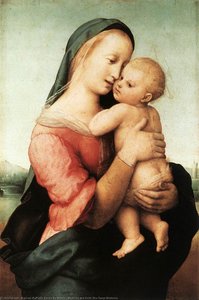
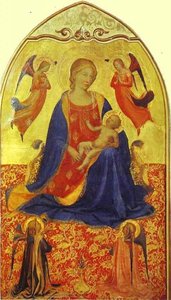
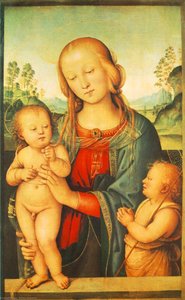
Похожие произведения
Биография художника
Vincenzo Catena: A Venetian Renaissance Painter
Life and Background
- Born in Venice, Italy around 1470, Vincenzo Catena was a painter of the Venetian Renaissance.
- Little is known about his early life or formal training. Records are scarce regarding his upbringing and initial artistic development.
- He was also sometimes referred to as Vincenzo de Biagio.
- Catena passed away in 1531, leaving behind a modest but significant body of work.
Artistic Development and Influences
- Initially, Catena’s style closely resembled that of Giovanni Bellini, a leading Venetian painter known for his serene Madonnas and refined technique.
- The earliest documented mention of Catena is an inscription on the back of La Laura by Giorgione, where he’s described as Giorgione's *colego* (colleague).
- However, it wasn’t until after Giorgione’s death in 1510 that his innovative influence began to manifest itself in Catena’s paintings.
- He also shows some influences from Titian, another prominent figure of the Venetian School, particularly in his use of color and composition.
Major Works and Style
- Approximately a dozen paintings are confidently attributed to Catena based on signatures.
- The Martyrdom of St. Christina (1520), located in the church of Santa Maria Mater Domini in Venice, is his most securely dated work thanks to an inscription on its marble surround.
- Other notable works include The Adoration of the Shepherds, and several depictions of the Madonna and Child with Saints and Donors.
- Catena’s paintings often feature religious scenes and portraits, characterized by a blend of Bellini's precision and Giorgione’s atmospheric qualities.
- His style is marked by detailed realism, warm color palettes, and rich symbolism, typical of Venetian Renaissance art.
Historical Significance and Legacy
- While not as widely celebrated as some of his contemporaries like Titian or Giorgione, Catena played a role in the development of Venetian painting during a crucial period.
- His work demonstrates the transition between the High Renaissance and the emerging Mannerist styles.
- Wills left by Catena reveal he was a man of considerable wealth and had connections within Venetian humanist circles, suggesting his artistic success extended beyond purely aesthetic recognition.
- Today, Vincenzo Catena’s paintings are valued for their historical importance and offer insights into the artistic landscape of 16th-century Venice.
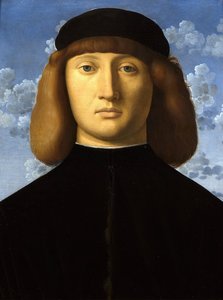
Vincenzo Catena
1470 - 1531 , Italy
Основные сведения
- Birth Date: 1470
- Birth Place: Venice, Italy
- Death Date: 1531
- Influenced By:
- Giovanni Bellini
- Giorgione
- Movement: Renaissance, Venetian School
- Name: Vincenzo Catena
- Nationality: Italian
- Notable Works:
- Santa Cristina Altarpiece
- The Adoration of the Shepherds
- Madonna and Child with a Holy Female Martyr, Saint Francis of Assisi and the Donor