

 Предпросмотр
 Поделиться
 Поделиться
 Детали произведения

 Скачать
 Похожие работы
 Рентгенография
 Слайд-шоу
 Статистика
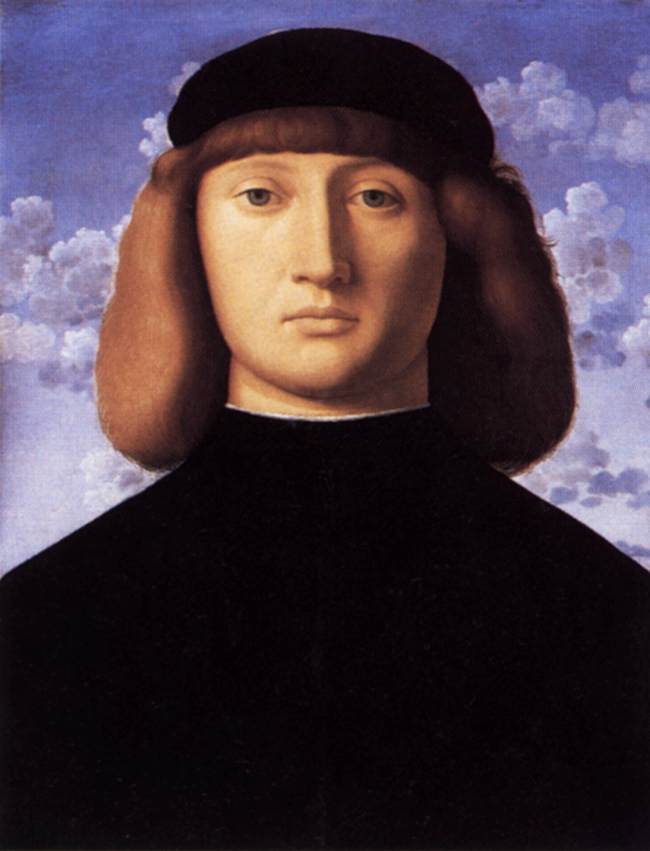
Portrait of a Young Man
 Oil On Canvas
- WallArt
- Venetian Renaissance
 1505
1505- Renaissance
 31.0 x 24.0 cm
 Национальная галерея
 Читать далее
Приобретите цифровое изображение высокого разрешения в улучшенном качестве, которое значительно превосходит онлайн-превью.
Каждый файл тщательно подготавливается нашими специалистами с использованием передовых инструментов и экспертной ручной ретуши. Мы гарантируем исключительную четкость, точную цветопередачу и детальную проработку каждого изображения.
Финальный файл доставляется по электронной почте в течение 72 часов и оптимизирован для немедленного использования в профессиональной среде, при верстке и печати. Это тот же уровень качества, которому доверяют ведущие дизайнерские студии, издательства и галереи.
Цифровое изображение
Скачайте файл высокого разрешения для личного использования, печати и творческих проектов. ( Перейти к печати Купить картину ручной работы)
Включено в каждый заказ цифровых изображений
Гарантия экспертной цифровой доставки
Выбирая ArtsDot.com, вы получаете не просто изображение — вы приобретаете профессионально обработанное цифровое произведение искусства, созданное с безупречной точностью и под защитой гарантии качества. Вот всё, что автоматически входит в ваш заказ:

Мгновенная доставка по e-mail
Ваш цифровой файл в высоком разрешении будет отправлен вам по электронной почте в течение 72 часов после оформления заказа — и сразу станет доступен для использования.

Цифровой файл с ИИ-улучшением
Ваше произведение искусства проходит профессиональную оптимизацию с использованием передовых инструментов ИИ и ручной обработки, что гарантирует максимальную детализацию, четкость и точность цветопередачи.

Бессрочная бесплатная повторная доставка
Случайно удалили или потеряли файл? Не беспокойтесь — мы отправим его вам повторно в любое время и совершенно бесплатно.

Без импортных пошлин — навсегда
Наслаждайтесь вашим произведением искусства мгновенно без таможенных пошлин, сборов или затрат на доставку — цифровые загрузки всегда не облагаются налогом.

Гарантия точности цветопередачи
Мы гарантируем, что ваше цифровое изображение максимально точно передает оригинальные цвета благодаря использованию профессиональных инструментов и систем управления цветом.

Гарантия удовлетворенности 100 дней
Если вы не будете удовлетворены своим цифровым изображением, мы внесем правки или вернем 100% стоимости в течение 100 дней — без лишних вопросов.

100% Гарантия возврата средств
Не удовлетворены покупкой? Получите полный возврат средств в течение 100 дней после получения цифрового файла — без лишних вопросов.

Скидки на оптовые заказы
Купите 3 изображения, сэкономьте 10% — Купите 5, сэкономьте 15% — Купите 10+, сэкономьте 20%. Отличное решение для творческих проектов, галерей и агентств.
A Glimpse into Venetian Intellectualism
This captivating portrait of a young man transports us directly into the vibrant, yet deeply contemplative atmosphere of Venice in the early sixteenth century. The subject commands attention with an unwavering gaze; his direct stare seems to pierce through the centuries, inviting the viewer into a moment of profound introspection. Clad in sober black and rich brown robes, his attire speaks not merely of fashion, but of intellect and scholarly pursuit. He possesses an air of quiet gravity, suggesting a mind deeply engaged with philosophy or art itself. The composition is richly layered, extending beyond the central figure to include secondary characters subtly placed near the upper left and right edges, grounding the portrait within a complex social tapestry.
Mastery in Venetian Renaissance Technique
Painted around 1505 by Vincenzo Catena, this work stands as a testament to the sophisticated techniques of the Venetian Renaissance. While the central figure draws the eye with its intense realism, the overall execution hints at the profound influences that shaped Catena’s hand—echoes of Giovanni Bellini's serene grace mingling with the burgeoning dynamism seen in the works of Titian. The handling of light across the black hat and the folds of the robe demonstrates a masterful understanding of chiaroscuro, giving the figures a tangible, almost sculptural presence against the background. Even the inclusion of a delicate bird fluttering in the upper register adds a naturalistic touch, a common device used by Renaissance masters to symbolize the fleeting nature of life or the soul's spirit.
Symbolism and Narrative Depth
The gathering of figures, coupled with the symbolic presence of the bird, suggests that this portrait is more than just a likeness; it is a narrative tableau. The young man’s serious mien invites us to ponder his inner world—is he contemplating a great discovery, or perhaps wrestling with an ethical dilemma? In Renaissance art, such groupings often represented patronage, scholarly lineage, or allegories of virtue. The juxtaposition of the intensely focused main subject against the peripheral figures creates a dialogue across the canvas, suggesting that every person present contributes to the intellectual weight of the moment captured.
Bringing History Home: Decorating with Art
For the discerning collector or interior designer, this piece offers an unparalleled opportunity to infuse a space with historical gravitas and artistic depth. A high-quality reproduction allows one to bring the sophisticated ambiance of a Venetian palazzo into a modern setting. Imagine this portrait anchoring a study, a library, or a formal drawing-room; its intellectual energy complements rich wood tones and deep jewel-toned furnishings. It is an artwork that does not merely hang on a wall; it participates in the life of the room, sparking conversation and evoking the refined tastes of the Renaissance elite.
Похожие произведения
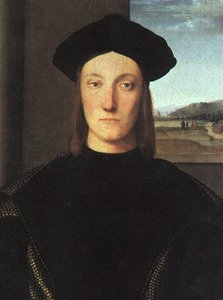
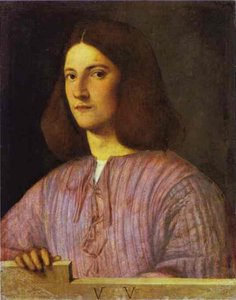
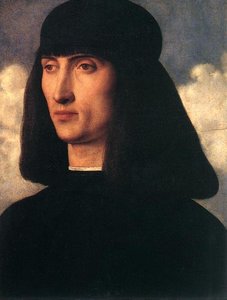
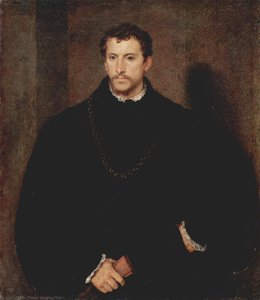
Биография художника
Vincenzo Catena: A Venetian Renaissance Painter
Life and Background
- Born in Venice, Italy around 1470, Vincenzo Catena was a painter of the Venetian Renaissance.
- Little is known about his early life or formal training. Records are scarce regarding his upbringing and initial artistic development.
- He was also sometimes referred to as Vincenzo de Biagio.
- Catena passed away in 1531, leaving behind a modest but significant body of work.
Artistic Development and Influences
- Initially, Catena’s style closely resembled that of Giovanni Bellini, a leading Venetian painter known for his serene Madonnas and refined technique.
- The earliest documented mention of Catena is an inscription on the back of La Laura by Giorgione, where he’s described as Giorgione's *colego* (colleague).
- However, it wasn’t until after Giorgione’s death in 1510 that his innovative influence began to manifest itself in Catena’s paintings.
- He also shows some influences from Titian, another prominent figure of the Venetian School, particularly in his use of color and composition.
Major Works and Style
- Approximately a dozen paintings are confidently attributed to Catena based on signatures.
- The Martyrdom of St. Christina (1520), located in the church of Santa Maria Mater Domini in Venice, is his most securely dated work thanks to an inscription on its marble surround.
- Other notable works include The Adoration of the Shepherds, and several depictions of the Madonna and Child with Saints and Donors.
- Catena’s paintings often feature religious scenes and portraits, characterized by a blend of Bellini's precision and Giorgione’s atmospheric qualities.
- His style is marked by detailed realism, warm color palettes, and rich symbolism, typical of Venetian Renaissance art.
Historical Significance and Legacy
- While not as widely celebrated as some of his contemporaries like Titian or Giorgione, Catena played a role in the development of Venetian painting during a crucial period.
- His work demonstrates the transition between the High Renaissance and the emerging Mannerist styles.
- Wills left by Catena reveal he was a man of considerable wealth and had connections within Venetian humanist circles, suggesting his artistic success extended beyond purely aesthetic recognition.
- Today, Vincenzo Catena’s paintings are valued for their historical importance and offer insights into the artistic landscape of 16th-century Venice.
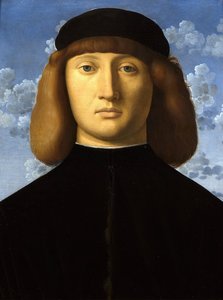
Vincenzo Catena
1470 - 1531 , Italy
Основные сведения
- Birth Date: 1470
- Birth Place: Venice, Italy
- Death Date: 1531
- Influenced By:
- Giovanni Bellini
- Giorgione
- Movement: Renaissance, Venetian School
- Name: Vincenzo Catena
- Nationality: Italian
- Notable Works:
- Santa Cristina Altarpiece
- The Adoration of the Shepherds
- Madonna and Child with a Holy Female Martyr, Saint Francis of Assisi and the Donor