

 Предпросмотр
 Поделиться
 Поделиться
 Детали произведения

 Скачать
 Похожие работы
 Рентгенография
 Слайд-шоу
 Статистика
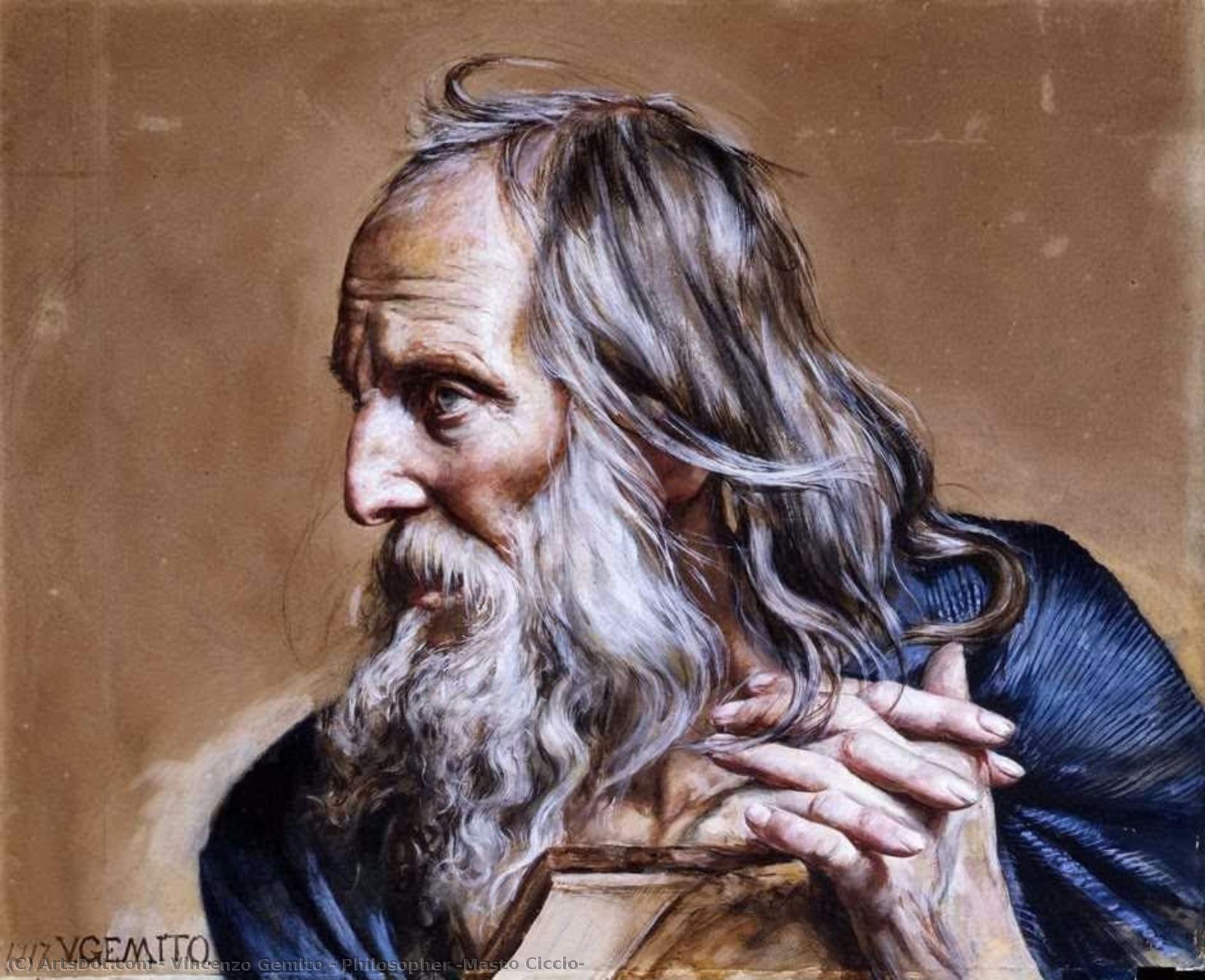
Philosopher (Masto Ciccio)
 48.0 x 40.0 cm
 Fondazione Cariplo
 Читать далее
Масляная репродукция ручной работы
Картина маслом на холсте в выбранном вами размере и раме, написанная на заказ нашими художниками. ( Перейти к печати Перейти к цифровым изображениям)




































Выберите один из наших стандартных размеров, соответствующих оригинальным пропорциям произведения искусства.

Вы можете указать собственные размеры, чтобы картина идеально вписалась в выбранную раму или пространство. Если выбранный вами размер не соответствует пропорциям оригинала, мы либо обрежем полотно, либо расширим его за счет дополнительных элементов, написанных вручную. Цифровой макет будет отправлен вам на утверждение перед началом производства.
Обратите внимание, что предварительный просмотр на экране не отражает фактическую обрезку или расширение. Только макет точно покажет окончательную композицию.
Хотя доступны индивидуальные размеры, мы рекомендуем выбирать вариант из предопределенного списка, чтобы сохранить исходные пропорции.
После оформления заказа команда ArtsDot.com свяжется с клиентом по электронной почте для уточнения деталей и предоставит предварительный макет
Доставка по всему миру () за 3–4 недели вместо стандартных 5 недель. (11 Сентябрь). Без компромиссов в качестве.

Бесплатная экспресс-доставка по всему миру

Высококачественный льняной холст

Полное страхование доставки

Гарантия возмещения таможенных пошлин

Гарантия точного соответствия цветов

100-дневная политика возврата (только при обнаружении дефектов)

Гарантия возврата 100% средств

Предложение оптовых скидок
 Вариант со стеклом доступен только для размеров менее 110 см

Philosopher (Masto Ciccio)
Техника репродукции
Размер репродукции
-


Итоговая стоимость
$ 263
Похожие произведения








Биография художника
Vincenzo Gemito: The Realist of Naples
Born in the shadow of Naples’ bustling port in 1852, Vincenzo Gemito emerged as a singular voice in Italian sculpture—a sculptor who defied academic convention and instead captured the raw essence of Neapolitan life with startling realism. His journey from an orphaned boy to a celebrated artist is a testament to his innate talent, relentless self-discipline, and a profound connection to his homeland. Unlike many sculptors of his time, Gemito largely eschewed formal training, forging his distinctive style through observation, experimentation, and a deep understanding of the human form—a skill honed initially in the workshops of established artists like Emanuele Caggiano and Stanislao Lista.
Gemito’s early years were marked by instability. Abandoned as an infant, he was raised within the walls of the Santissima Annunziata orphanage, receiving the surname Genito—a common practice for foundlings. This formative experience instilled in him a sensitivity to human vulnerability and a keen awareness of social disparity, themes that would repeatedly surface in his work. His adoption by a young family provided a semblance of stability, introducing him to the artisan’s trade – a crucial foundation for his future career. The encouragement he received from his new father, an artisan, likely nurtured his innate dexterity and inventive spirit, skills that quickly manifested in his early artistic endeavors.
The Rise of a Self-Taught Master
Gemito's artistic development accelerated during his apprenticeship with Caggiano and Lista. His exceptional talent was recognized early on; at the tender age of sixteen, he created *Il Giocatore* (The Player), a terracotta sculpture that caused a sensation at the Promotrice di Belle Arti in Naples. The work’s realism and emotional depth captivated King Victor Emmanuel II, who promptly acquired it for the Museo di Capodimonte—a pivotal moment that established Gemito's reputation. This early success demonstrated his ability to translate observation into compelling three-dimensional form, a hallmark of his style.
In 1877, seeking further artistic stimulation and exposure, Gemito moved to Paris, where he found a kindred spirit in the renowned painter Jean-Louis-Ernest Meissonier. This period proved transformative, allowing him to experiment with various media—drawing, painting, and eventually bronze casting. His Parisian salon appearances, culminating in the triumphant exhibition of *Neapolitan Fisherboy* in 1878, cemented his international recognition. The intensity of this success fueled his ambition and solidified his commitment to capturing authentic human experiences.
Technique and Subject Matter
Gemito’s sculptural technique was characterized by a remarkable attention to detail and an innovative approach to bronze casting. He meticulously studied ancient sculpture, particularly the works of Canova, but rejected their rigid formalism in favor of a more expressive and psychologically nuanced style. His figures were often rendered with a rough-hewn quality, reflecting the lives of ordinary Neapolitans—fishermen, beggars, street urchins, and laborers—rather than idealized heroes or mythological subjects. This deliberate choice reflected his commitment to portraying the realities of his environment.
His subject matter was equally rooted in Naples. He frequently depicted scenes from everyday life, capturing the dignity and resilience of its inhabitants. *Carmela*, *Zingara Maria*, *Narciso*, and *Acquaiolo* are just a few examples of his iconic works that immortalize Neapolitan characters with remarkable empathy and insight. Gemito’s ability to imbue these seemingly humble subjects with profound emotional depth is what distinguishes him as a truly exceptional artist.
Later Years and Legacy
Despite achieving considerable success, Gemito's later life was marked by personal tragedy and artistic struggles. The death of his beloved wife, Anna Cutolo, in 1887 plunged him into a period of deep depression, leading to a prolonged period of isolation and mental instability. He retreated from public life, dedicating himself primarily to drawing—a medium that offered solace and allowed him to continue exploring the human form. His commission to sculpt Emperor Charles V for the Royal Palace of Naples proved particularly challenging, culminating in a disastrous outcome that further exacerbated his emotional turmoil.
In his final years, Gemito turned to goldsmithing, producing intricate and delicate works that showcased his exceptional technical skill. He died in 1929, leaving behind a rich legacy of sculptures and drawings that continue to captivate audiences today. Vincenzo Gemito’s work stands as a powerful testament to the transformative power of observation, the enduring spirit of Naples, and the profound ability of art to capture the essence of human experience.
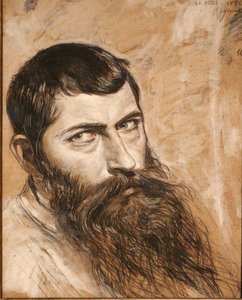
Vincenzo Gemito
1852 - 1929
Основные сведения
- Artistic Movement Or Style: Realism in sculpture
- Artists Or Movements Influenced By This Artist:
- Canova
- Neapolitan School
- Artists Who Influenced This Artist:
- Emanuele Caggiano
- Stanislao Lista
- Date Of Birth: July 16, 1852
- Date Of Death: March 1, 1929
- Full Name: Vincenzo Gemito
- Nationality: Italian
- Notable Artworks:
- Il Giocatore
- Neapolitan Fisherboy
- The Philosopher
- Place Of Birth: Naples, Italy