

 Предпросмотр
 Поделиться
 Поделиться
 Детали произведения

 Скачать
 Похожие работы
 Рентгенография
 Слайд-шоу
 Статистика
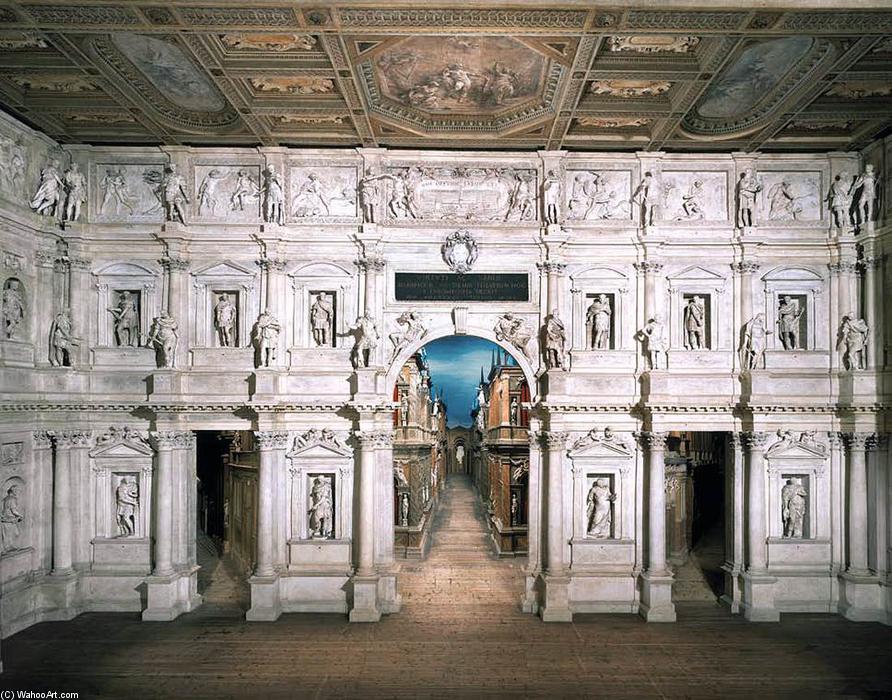
View of the ''scaenae frons''


 Читать далее
Приобретите цифровое изображение высокого разрешения в улучшенном качестве, которое значительно превосходит онлайн-превью.
Каждый файл тщательно подготавливается нашими специалистами с использованием передовых инструментов и экспертной ручной ретуши. Мы гарантируем исключительную четкость, точную цветопередачу и детальную проработку каждого изображения.
Финальный файл доставляется по электронной почте в течение 72 часов и оптимизирован для немедленного использования в профессиональной среде, при верстке и печати. Это тот же уровень качества, которому доверяют ведущие дизайнерские студии, издательства и галереи.
Цифровое изображение
Скачайте файл высокого разрешения для личного использования, печати и творческих проектов. ( Перейти к печати Купить картину ручной работы)
Включено в каждый заказ цифровых изображений
Гарантия экспертной цифровой доставки
Выбирая ArtsDot.com, вы получаете не просто изображение — вы приобретаете профессионально обработанное цифровое произведение искусства, созданное с безупречной точностью и под защитой гарантии качества. Вот всё, что автоматически входит в ваш заказ:

Мгновенная доставка по e-mail
Ваш цифровой файл в высоком разрешении будет отправлен вам по электронной почте в течение 72 часов после оформления заказа — и сразу станет доступен для использования.

Цифровой файл с ИИ-улучшением
Ваше произведение искусства проходит профессиональную оптимизацию с использованием передовых инструментов ИИ и ручной обработки, что гарантирует максимальную детализацию, четкость и точность цветопередачи.

Бессрочная бесплатная повторная доставка
Случайно удалили или потеряли файл? Не беспокойтесь — мы отправим его вам повторно в любое время и совершенно бесплатно.

Без импортных пошлин — навсегда
Наслаждайтесь вашим произведением искусства мгновенно без таможенных пошлин, сборов или затрат на доставку — цифровые загрузки всегда не облагаются налогом.

Гарантия точности цветопередачи
Мы гарантируем, что ваше цифровое изображение максимально точно передает оригинальные цвета благодаря использованию профессиональных инструментов и систем управления цветом.

Гарантия удовлетворенности 100 дней
Если вы не будете удовлетворены своим цифровым изображением, мы внесем правки или вернем 100% стоимости в течение 100 дней — без лишних вопросов.

100% Гарантия возврата средств
Не удовлетворены покупкой? Получите полный возврат средств в течение 100 дней после получения цифрового файла — без лишних вопросов.

Скидки на оптовые заказы
Купите 3 изображения, сэкономьте 10% — Купите 5, сэкономьте 15% — Купите 10+, сэкономьте 20%. Отличное решение для творческих проектов, галерей и агентств.
The Artist: Vincenzo Scamozzi
Vincenzo Scamozzi (1548-1616) was an Italian architect and theorist, known for his contributions to Renaissance architecture. He was born in Vicenza and studied under the famous architect Andrea Palladio. After Palladio's death, Scamozzi completed several of his unfinished projects and became one of the leading architects of his time.The Painting: View of the Scaenae Frons
View of the Scaenae Frons is a painting by Vincenzo Scamozzi, depicting the scaenae frons (the stage building) of the Teatro Sabbioneta in Sabbioneta, Italy. The painting was created in 1588, the same year that the theater was built. It is an oil on canvas and measures 90 x 72 cm.Location: Teatro Sabbioneta
Teatro Sabbioneta is a historic theater located in Sabbioneta, Italy. It was designed by Vincenzo Scamozzi and built between 1588 and 1590. The theater is considered one of the most important examples of Renaissance architecture and has been designated as a UNESCO World Heritage Site.Analysis: View of the Scaenae Frons
View of the Scaenae Frons is a detailed and accurate representation of the stage building of Teatro Sabbioneta. The painting shows the three-story facade of the scaenae frons, with its arched loggias, columns, and pediments. The central part of the facade is decorated with a large coat of arms, surrounded by putti and garlands. The painting also provides a glimpse into the interior of the theater. In the background, one can see the proscenium arch and the stage, with its curtains and decorations. The stage is flanked by two rows of boxes, which were reserved for the nobility and other important guests. The color palette of the painting is warm and rich, with a predominance of reds, yellows, and browns. The lighting is soft and diffused, creating a sense of depth and volume. The brushstrokes are precise and detailed, revealing Scamozzi's mastery of the oil painting technique.Conclusion
View of the Scaenae Frons is an important work of art, not only for its historical and cultural value but also for its artistic merit. It is a testament to Vincenzo Scamozzi's talent as an architect and painter, and it provides valuable insights into the history and culture of Renaissance Italy. If you are interested in learning more about this painting or other works by Vincenzo Scamozzi, please visit our website at /en/art/show/art-8xzv4c-en/. We offer high-quality reproductions of this painting, handmade by our team of expert artists. Note: The original painting is part of the collection of the Museum Teatro Sabbioneta in Sabbioneta, Italy.Похожие произведения

Биография художника
Catharina van Hemessen: A Pioneering Voice in the Northern Renaissance
Before Rembrandt, before Rubens, there existed a woman who quietly yet powerfully shaped the artistic landscape of 16th-century Flanders – Catharina van Hemessen. Often overshadowed by her male contemporaries, she stands as a remarkable testament to female creativity and skill during a period when societal constraints severely limited women’s access to formal artistic training and recognition. Her legacy isn't one of grand, monumental works, but rather in the intimate portraits and devotional paintings that reveal a keen eye for detail, a subtle understanding of human emotion, and an early embrace of Renaissance ideals.
Born around 1528 in Antwerp – a vibrant hub of artistic activity during this era – Catharina’s life was inextricably linked to her father, Jan Sanders van Hemessen, a respected Mannerist painter. He served as her initial mentor, nurturing her nascent talent and providing her with the foundational skills necessary for her future endeavors. While details about her early childhood remain scarce, it's believed she received an education that extended beyond the typical domestic sphere for women of the time, likely involving exposure to artistic techniques through her father’s workshop. This privileged access was a rarity, as formal art training was almost exclusively reserved for men.
The prevailing attitudes towards female artists during this period were deeply restrictive. Artistic guilds, which controlled much of the professional landscape, largely excluded women. Furthermore, the accepted methods of artistic instruction – including dissection and study of the nude male form – presented significant obstacles to a woman’s pursuit of painting. Despite these challenges, Catharina persevered, demonstrating an exceptional aptitude for her craft. She skillfully navigated the social barriers, becoming one of the first documented female artists in Flanders to achieve professional recognition.
A Portraitist and Devotional Painter
Catharina's artistic output is characterized by a remarkable versatility, encompassing both portraiture and religious scenes. Her small-scale portraits, often depicting women from wealthy merchant families, are particularly noteworthy for their elegance and psychological depth. These weren’t simply likenesses; she captured the personalities of her subjects with subtle gestures, expressions, and carefully rendered clothing details. The 1548 self-portrait, now housed in the Kunstmuseum Basel, is a pivotal work in understanding her artistic development. It depicts her seated at an easel, engaged in the act of painting – a bold statement for its time and a testament to her confidence as an artist.
Beyond portraiture, Catharina produced a series of devotional paintings, often featuring Mary Magdalene or other female saints. These works demonstrate her ability to translate religious iconography into emotionally resonant images. Her use of color is restrained yet effective, creating a sense of serenity and contemplation. Notable examples can be found in the Rijksmuseum in Amsterdam and the National Gallery in London, showcasing her consistent quality across different commissions.
Influences and Artistic Style
Catharina’s artistic style reflects a synthesis of influences – primarily Mannerism, which was prevalent in Flanders at the time, and elements of early Renaissance humanism. She skillfully employed techniques learned from her father, incorporating his characteristic use of rich colors, dynamic compositions, and attention to detail. However, she also developed a distinct personal voice, evident in her nuanced portrayal of female subjects and her subtle integration of classical motifs.
The work of Jan Sanders van Hemessen undoubtedly shaped Catharina’s early development. She frequently collaborated with him on various projects, absorbing his techniques and artistic sensibilities. However, she quickly surpassed her father's style, demonstrating a greater independence and originality in her own paintings. The influence of Italian Renaissance artists, particularly those working in Florence, is also discernible in her compositions and use of perspective.
A Legacy of Quiet Innovation
Catharina van Hemessen’s impact on the art world may not be immediately apparent, but she played a crucial role in challenging conventional notions about women's roles as artists. As one of the earliest documented female Flemish painters, her existence alone defied societal expectations and paved the way for future generations of women to pursue careers in the arts. Her self-portrait stands as a powerful symbol of artistic ambition and self-expression – a testament to her courage and determination.
Despite the relative obscurity that has surrounded her life and work, Catharina van Hemessen’s legacy endures. Her paintings offer a valuable glimpse into the artistic practices of 16th-century Flanders and serve as a reminder of the often-overlooked contributions of women to the history of art. Further research continues to shed light on this fascinating artist, solidifying her place as a pioneering figure in the Northern Renaissance.
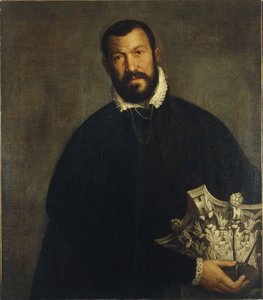
vincenzo scamozzi
1548 - 1616 , Italy
Основные сведения
- Artistic Movement Or Style: Northern Renaissance
- Artists Who Influenced This Artist: ['Jan Sanders van Hemessen']
- Date Of Birth: 1528
- Date Of Death: after 1565
- Full Name: Catharina van Hemessen
- Nationality: Flemish
- Notable Artworks:
- Self-Portrait
- Female portraits
- Religious compositions
- Place Of Birth: Antwerp, Belgium