

 Предпросмотр
 Поделиться
 Поделиться
 Детали произведения

 Скачать
 Похожие работы
 Рентгенография
 Слайд-шоу
 Статистика
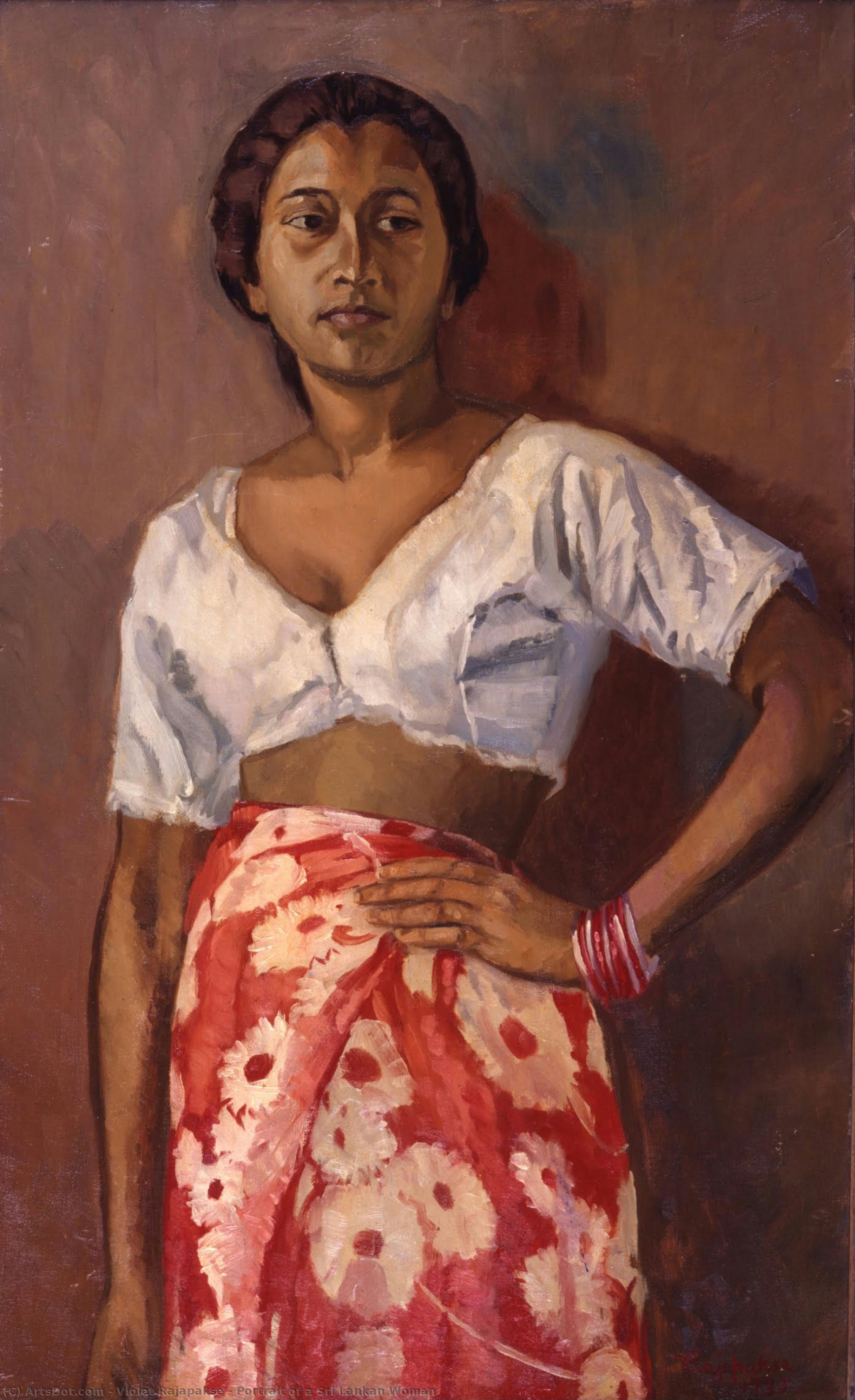
Portrait of a Sri Lankan Woman
 58.0 x 97.0 cm
 Fukuoka Asian Art Museum
 Читать далее
Жикле / Арт-принт
Печать (жикле) или холст музейного качества с быстрыми сроками изготовления и широким выбором вариантов отделки. ( Купить картину ручной работы Перейти к цифровым изображениям)




































Выберите один из наших стандартных размеров, соответствующих оригинальным пропорциям произведения искусства.

Вы можете указать свои собственные размеры, чтобы репродукция идеально подошла под конкретную раму или пространство. Если выбранный вами размер не будет соответствовать пропорциям оригинала, мы либо обрежем произведение, либо дополним изображение зеркальным отражением краев или однотонной заливкой. Перед началом производства вам будет отправлен цифровой макет для утверждения.
Пожалуйста, обратите внимание, что предварительный просмотр на экране не отображает фактическую обрезку или расширение изображения. Только макет точно покажет финальную композицию.
Несмотря на возможность заказа индивидуальных размеров, мы рекомендуем выбирать размер из предопределенного списка, чтобы сохранить оригинальные пропорции.
Доставка по всему миру () за 2 недели вместо стандартных 4/5 недель. (13 Сентябрь)

Бесплатная экспресс-доставка по всему миру

Высококачественный льняной холст

Полное страхование доставки

Гарантия возмещения таможенных пошлин

Гарантия точного соответствия цветов

100-дневная политика возврата (только при обнаружении дефектов)

Гарантия возврата 100% средств

Предложение оптовых скидок
 Вариант со стеклом доступен только для размеров менее 110 см

Portrait of a Sri Lankan Woman
Жикле / Арт-принт
Размер репродукции
-


Итоговая стоимость
$ 62
Похожие произведения









Биография художника
Jackson Pollock: A Revolutionary of American Abstraction
Born in Cody, Wyoming, in 1912, Paul Jackson Pollock—as he was initially known—emerged from a transient childhood marked by frequent moves across the American West and Southwest. His family’s itinerant existence, rooted in Scotch-Irish heritage and shaped by his father's experiences in South Africa and later as a wheat elevator operator, instilled within him a restless spirit and a profound skepticism towards conventional narratives. This early life of movement and uncertainty would profoundly influence his artistic approach, shaping a career dedicated to disrupting established forms and embracing the spontaneous energy of creation.
Pollock’s formal art training was limited; he briefly attended Manual Arts High School in Los Angeles but ultimately eschewed traditional academic instruction. Instead, he absorbed influences from diverse sources – European modernism, particularly the work of Wassily Kandinsky and Piet Mondrian, as well as the burgeoning avant-garde scene in New York City. Crucially, his exposure to the Theosophical Society fostered a belief in intuitive knowledge and a rejection of rational control, ideas that would become central to his artistic process.
The Emergence of Action Painting
Pollock’s breakthrough came in the late 1940s with the development of what he termed “drip painting.” Rejecting the conventional brushstroke and easel-based approach, he began experimenting with pouring, dripping, and splattering paint directly onto canvases laid flat on the floor. This technique, initially met with skepticism by critics, liberated him from the constraints of traditional representation and allowed for a visceral engagement with the materials themselves. As he famously stated, “I don’t think about what I’m doing when I do it. It’s automatic.”
This process, often described as “action painting,” wasn't simply random; it was driven by an intense emotional and physical energy. Pollock sought to capture the subconscious, channeling his feelings and experiences directly onto the canvas. The resulting works—large-scale, densely layered compositions filled with vibrant color and dynamic movement—became emblematic of Abstract Expressionism, a movement that sought to express universal human emotions through non-objective imagery.
Key Works and Techniques
Several paintings stand as pivotal examples of Pollock’s innovative approach. “Number 1, 1950” (often referred to as "Lavender Mist"), housed at the MoMA in New York, exemplifies his early drip technique, showcasing a chaotic yet balanced field of color. “Blue Poles” (1952), acquired by Tate Gallery in London, is perhaps his most famous work, characterized by its undulating blue patterns and dynamic energy. “Mural” (1948) represents a shift towards more structured compositions while retaining the core principles of action painting.
Pollock’s technique involved using commercial house paints—often thinned with turpentine—and applying them with sticks, knives, and even his hands. He frequently worked on multiple canvases simultaneously, creating a sense of interconnectedness and rhythm within his paintings. The scale of his works – often monumental in size – further emphasized the immersive quality of his process.
Influence and Legacy
Jackson Pollock’s impact on 20th-century art is undeniable. He challenged conventional notions of painting, pushing the boundaries of technique and subject matter. His embrace of chance and spontaneity paved the way for subsequent generations of artists to explore new forms of expression. Furthermore, his willingness to engage with the physicality of paint—to treat it as a dynamic medium rather than merely a tool for representation—transformed our understanding of what painting could be.
Despite facing periods of personal struggle, including alcoholism, Pollock’s work gained increasing recognition during his lifetime and posthumously. His legacy continues to inspire artists today, solidifying his position as one of the most important figures in American art history. His radical approach to creativity remains a testament to the power of intuition, experimentation, and the profound connection between artist and medium.

violet rajapakse
1912 - 1986 , Sri Lanka
Основные сведения
- Artistic Movement Or Style: Abstract Expressionism, Action painting
- Artists Or Movements Influenced By This Artist: ['Lee Krasner']
- Artists Who Influenced This Artist: ['Edward Gordon Craig']
- Date Of Birth: January 28, 1912
- Date Of Death: August 11, 1956
- Full Name: Paul Jackson Pollock
- Nationality: American
- Notable Artworks:
- Blue Poles
- Mural
- Place Of Birth: Cody, Wyoming, USA