

 Предпросмотр
 Поделиться
 Поделиться
 Детали произведения

 Скачать
 Похожие работы
 Рентгенография
 Слайд-шоу
 Статистика
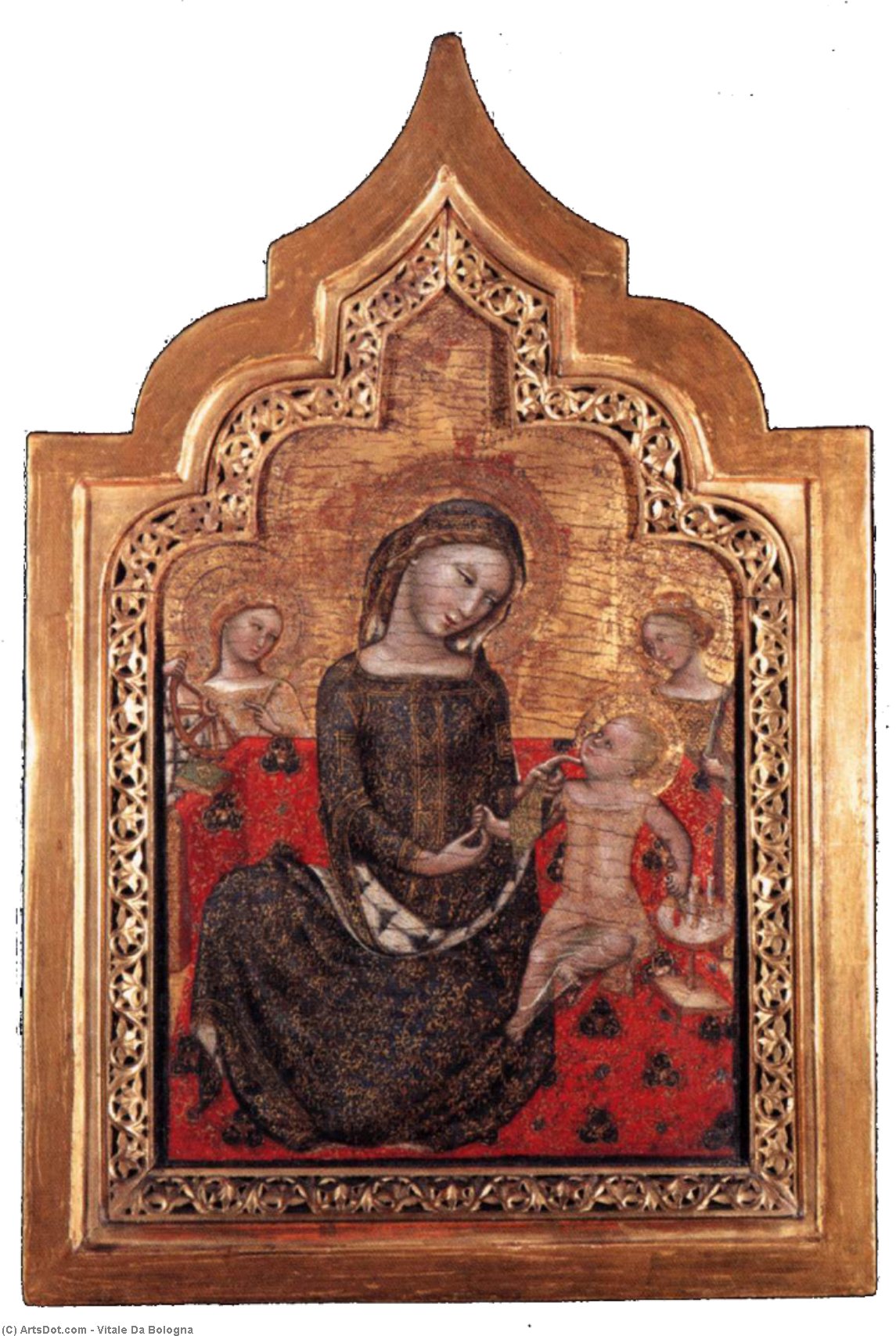
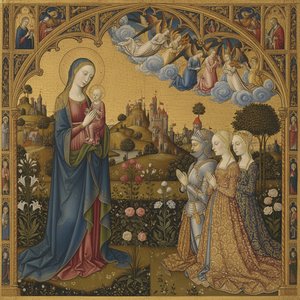
Madonna dell'Umiltà
 Tempera On Panel
- Gothic
 1353
1353- Late Medieval
 41.0 x 24.0 cm
 Museo Poldi Pezzoli
 Читать далее
Жикле / Арт-принт
Печать (жикле) или холст музейного качества с быстрыми сроками изготовления и широким выбором вариантов отделки. ( Купить картину ручной работы Перейти к цифровым изображениям)




P118B $10

P118H $10

P118W $10

P438Z $10

P508JH $12

P508YH $12

P805H $10

P805Z $10

P919BZ $10

P919G $10

P919XJ $10

P959ZH $10

P968JZ $12

W106C $8

W218G $10

W218JH $8

W218Y $10

W307PJ $10

W316G $10

W316PJ $8

W316Y $10

W398PJ $8

W4111J $10

W500HY $15

W500JH $15

W692G $12

W849H $8

W940BG $15

W953PJ $8




Выберите один из наших стандартных размеров, соответствующих оригинальным пропорциям произведения искусства.

Вы можете указать свои собственные размеры, чтобы репродукция идеально подошла под конкретную раму или пространство. Если выбранный вами размер не будет соответствовать пропорциям оригинала, мы либо обрежем произведение, либо дополним изображение зеркальным отражением краев или однотонной заливкой. Перед началом производства вам будет отправлен цифровой макет для утверждения.
Пожалуйста, обратите внимание, что предварительный просмотр на экране не отображает фактическую обрезку или расширение изображения. Только макет точно покажет финальную композицию.
Несмотря на возможность заказа индивидуальных размеров, мы рекомендуем выбирать размер из предопределенного списка, чтобы сохранить оригинальные пропорции.
Доставка по всему миру () за 2 недели вместо стандартных 4/5 недель. (11 Сентябрь)

Бесплатная экспресс-доставка по всему миру

Высококачественный льняной холст

Полное страхование доставки

Гарантия возмещения таможенных пошлин

Гарантия точного соответствия цветов

100-дневная политика возврата (только при обнаружении дефектов)

Гарантия возврата 100% средств

Предложение оптовых скидок
 Вариант со стеклом доступен только для размеров менее 110 см

Madonna dell'Umiltà
Жикле / Арт-принт
Размер репродукции
-


Итоговая стоимость
$ 62
A Divine Encounter in Gold and Crimson
In the quiet, hallowed atmosphere of the mid-14th century, Vitale da Bologna breathed life into the sacred through his Madonna dell'Umiltà. This exquisite panel, dating to 1353, serves as a profound window into the Gothic soul, capturing a moment of tender, divine intimacy that transcends the centuries. The painting presents the Virgin Mary not merely as a distant queen, but as a nurturing mother, cradling the infant Jesus in a gesture of profound tenderness. Flanked by celestial attendants, the composition draws the viewer into a sacred space where the earthly and the divine converge. The rich, deep reds of the background create a dramatic stage for the figures, while the intricate, gilded frame—with its pointed arches and geometric precision—acts as a portal, inviting the observer to contemplate the mystery of the Incarnation.
The artistry of Vitale da Bologna is masterfully displayed through his command of the Gothic aesthetic. The piece is characterized by a striking use of linear elegance; notice how the sharp, defined edges of the drapery and the elongated forms of the angels create a rhythmic, almost musical quality across the panel. Utilizing the traditional techniques of tempera or oil on wood, Vitale achieved a texture that feels both aged and eternal. The heavy application of pigment, likely layered over a smooth gesso ground, lends a matte, velvety finish to Mary’s dark blue robe, which is further elevated by delicate gold embroidery. This interplay of light and shadow—diffused as if by the flickering glow of candlelight—imbues the scene with a soft, ethereal luminescence that softens the rigid geometry of the era.
Beyond its visual splendor, the Madonna dell'Umiltà is a tapestry of profound symbolism designed to evoke piety and reverence. The very title, referring to "Our Lady of Humility," points to the iconographic tradition of depicting Mary in a more human, accessible light, emphasizing her role as the intercessor for humanity. The deep crimson tones are not merely decorative; they carry the weight of sacrifice and royal dignity, while the golden halos serve as unmistakable markers of sanctity. For the modern collector or interior designer, this piece offers more than just historical value; it provides a focal point of profound emotional gravity. Whether placed in a curated gallery or used to anchor a sophisticated, classical interior, a high-quality reproduction of this masterpiece brings an aura of timeless grace, solemnity, and much-needed tranquility into any space.
Похожие произведения
Биография художника
The Maestro of Bolognese Gothic
Vitale da Bologna, a name whispered through the corridors of art history as the definitive master of the Bolognese Gothic, emerged from the vibrant cultural landscape of 14th-century Italy to leave an indelible mark on the Early Renaissance. Born in Bologna around 1289 or 1309, his life and work represent a profound bridge between the stylized elegance of the medieval era and the burgeoning humanism that would soon redefine European art. Known by various names including Vidolino and Vitale d’Aimo de’ Cavalli, he was an artist whose brush captured the spiritual intensity of his age while introducing a new, emotive depth to religious iconography.
The foundations of Vitale’s aesthetic were laid in the coastal city of Rimini. It was here that he encountered the distinctive influence of Pietro da Rimini, a style characterized by luminous, cool pink hues and elongated, graceful figures. This Riminese elegance, marked by a delicate handling of light and a certain ethereal quality, became a cornerstone of his visual language. As his talent matured, Vitale began to weave these stylistic threads into a larger tapestry, absorbing the monumental gravity of Giotto di Bondulence and the refined, courtly grace of Simone Martini. This unique synthesis allowed him to move beyond mere imitation, creating a style that was simultaneously grounded in tradition and forward-looking in its expressive potential.
A Legacy of Devotion and Drama
The breadth of Vitale’s oeuvre is a testament to his versatility and his deep connection to the religious fervor of the 14th century. His works, scattered across prestigious locations such as Pomposa Abbey and Udine Cathedral, serve as windows into a world where the divine and the earthly were intimately entwined. In his depictions of the Madonna and Child, one finds a tender, humanized divinity; his Madonnas possess a maternal warmth that invites the viewer into a moment of quiet contemplation, yet they retain a regal, iconographic majesty.
Beyond the serene, Vitale was a master of narrative tension and dramatic movement. His St George’s Battle with the Dragon stands as a breathtaking example of Gothic dynamism, where the struggle between faith and evil is rendered through striking geometric forms and a sense of kinetic energy. Similarly, his Crucifixion (1335) showcases his ability to utilize rich detail and precious gold leaf to elevate the tragedy of the Passion, transforming a scene of profound suffering into a shimmering, symbolic masterpiece of Christian devotion. Through the use of impasto and carefully orchestrated color palettes, he breathed life into sacred stories, making them palpable and emotionally resonant for the faithful.
Historical Significance and Artistic Impact
The historical importance of Vitale da Bologna lies in his role as a pivotal figure in the evolution of the Bolognese school. He did not merely inhabit an era; he helped shape its visual identity. By blending the formal rigidity of Gothicism with the emerging naturalism of the early Renaissance, he provided a blueprint for subsequent generations of Italian painters. His ability to balance the symbolic requirements of religious art with a burgeoning interest in human emotion and physical presence was a precursor to the great humanist revolutions of the following century.
Today, the works of Vitale da Bologna continue to captivate scholars and art lovers alike. His legacy is found in:
- The Synthesis of Styles: The seamless integration of Riminese color palettes with Giottesque structural depth.
- Emotional Expressiveness: A departure from static iconography toward a more communicative and empathetic portrayal of sacred figures.
- Technical Mastery: The sophisticated use of gold leaf, luminous pigments, and textured surfaces to create a sense of the divine.
As we look back upon his prolific career, Vitale remains a cornerstone of Italian art, a painter who captured the transition from the medieval soul to the Renaissance mind with unparalleled grace and spiritual power.
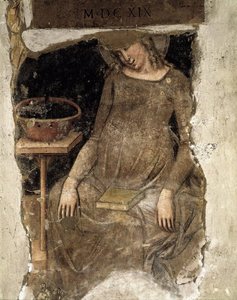
vitale da bologna
1299 - 1365 , Italy
Основные сведения
- Artistic Movement Or Style: International Gothic
- Artists Or Movements Influenced By This Artist: ['Giotto']
- Artists Who Influenced This Artist:
- Pietro Lorenzetti
- Simone Martini
- Date Of Birth: 1289 or 1309
- Full Name: Vitale da Bologna
- Nationality: Italian
- Notable Artworks:
- Madonna dell'Umiltà
- St. George and the Dragon
- Place Of Birth: Bologna, Italy
Похожие статьи
Beyond Borders: The Spiritual & Stylistic Innovations of International Gothic Art
Explore the exquisite beauty & spiritual depth of International Gothic art. Discover key artists like Simone Martini & Pol de Limbourg, its origins, symbolism, and lasting influence on European painting. Expert insights at ArtsDot.
Леонардо да Винчи: Топ-25 шедевров для ценителей искусства и роскошного интерьера
Погрузитесь в мир гения Леонардо да Винчи! 25 шедевров эпохи Возрождения, истории создания картин и техники великого мастера. Репродукции высокого качества для вашего интерьера на ArtsDot.com. Откройте всю коллекцию онлайн!
Рафаэль: 25 шедевров великого художника для ценителей искусства и декора интерьера
Погрузитесь в мир Рафаэля! 25 величайших шедевров эпохи Возрождения, полные гармонии и красоты. Узнайте истории создания картин, технику живописи и вдохновитесь для декора интерьера. Репродукции высокого качества на ArtsDot.com.

The Radiant Dusk of Medieval Vision: Exploring Late Gothic Art's Synthesis of Faith, Form & Emotionality (c. 1300-1500)
Explore the exquisite beauty & spiritual depth of Late Gothic art (c. 1300-1500). Discover key artists, symbolism, and its lasting influence on the Renaissance. Expert insights at ArtsDot.

Leonardo da Vinci: A Renaissance Master’s Synthesis of Art, Science & Human Observation – Reinterpreted for the Collector
Explore Leonardo da Vinci’s timeless masterpieces with ArtsDot. Discover insights into his art, science, and legacy – trusted expertise for discerning collectors seeking authentic reproductions & investment opportunities.