

 Предпросмотр
 Поделиться
 Поделиться
 Детали произведения

 Скачать
 Похожие работы
 Рентгенография
 Слайд-шоу
 Статистика
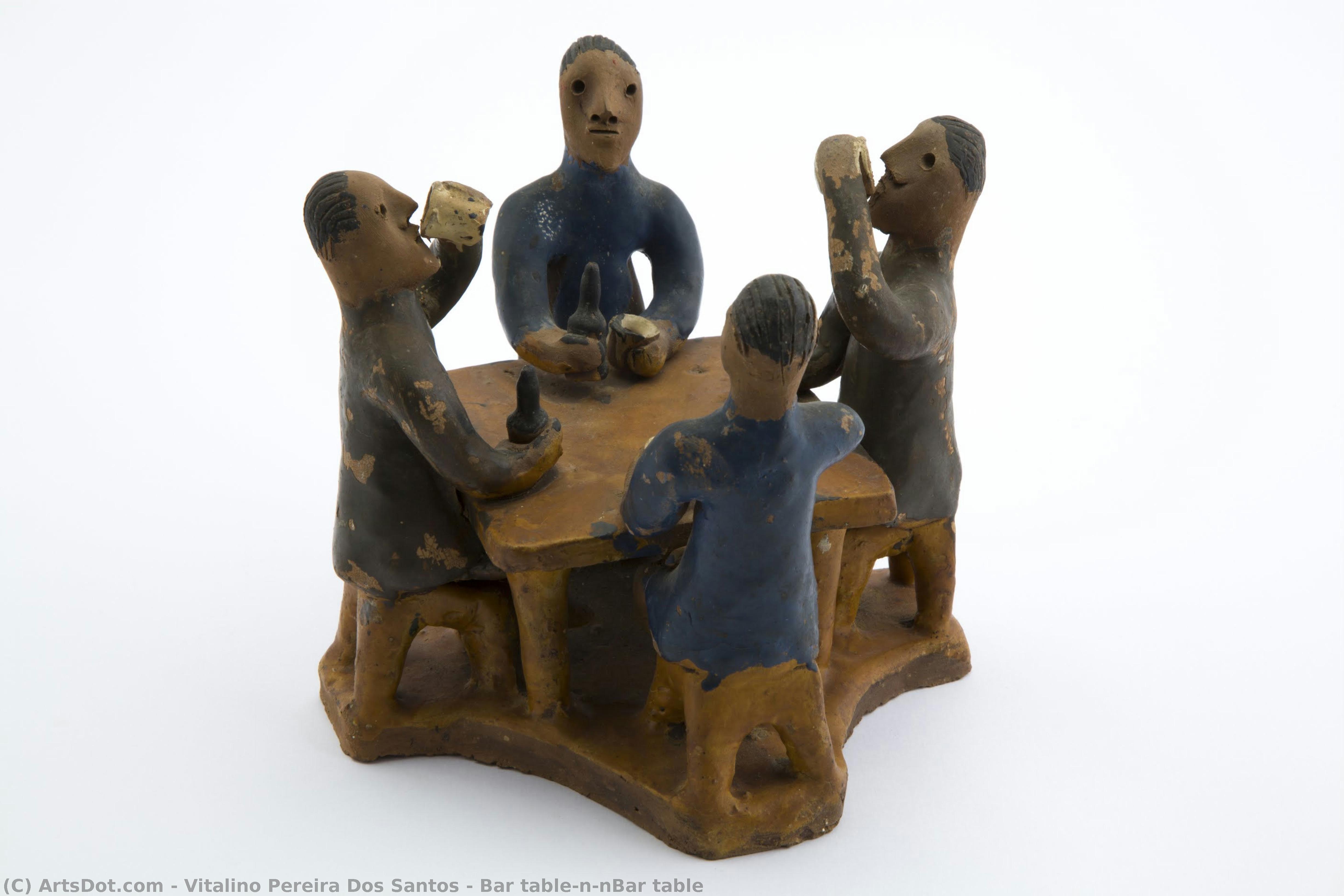
Bar table\n\nBar table
 1900
1900 5.0 x 15.0 cm
 Museum of the Man of the Northeast
 Читать далее
Приобретите цифровое изображение высокого разрешения в улучшенном качестве, которое значительно превосходит онлайн-превью.
Каждый файл тщательно подготавливается нашими специалистами с использованием передовых инструментов и экспертной ручной ретуши. Мы гарантируем исключительную четкость, точную цветопередачу и детальную проработку каждого изображения.
Финальный файл доставляется по электронной почте в течение 72 часов и оптимизирован для немедленного использования в профессиональной среде, при верстке и печати. Это тот же уровень качества, которому доверяют ведущие дизайнерские студии, издательства и галереи.
Цифровое изображение
Скачайте файл высокого разрешения для личного использования, печати и творческих проектов. ( Перейти к печати Купить картину ручной работы)
Включено в каждый заказ цифровых изображений
Гарантия экспертной цифровой доставки
Выбирая ArtsDot.com, вы получаете не просто изображение — вы приобретаете профессионально обработанное цифровое произведение искусства, созданное с безупречной точностью и под защитой гарантии качества. Вот всё, что автоматически входит в ваш заказ:

Мгновенная доставка по e-mail
Ваш цифровой файл в высоком разрешении будет отправлен вам по электронной почте в течение 72 часов после оформления заказа — и сразу станет доступен для использования.

Цифровой файл с ИИ-улучшением
Ваше произведение искусства проходит профессиональную оптимизацию с использованием передовых инструментов ИИ и ручной обработки, что гарантирует максимальную детализацию, четкость и точность цветопередачи.

Бессрочная бесплатная повторная доставка
Случайно удалили или потеряли файл? Не беспокойтесь — мы отправим его вам повторно в любое время и совершенно бесплатно.

Без импортных пошлин — навсегда
Наслаждайтесь вашим произведением искусства мгновенно без таможенных пошлин, сборов или затрат на доставку — цифровые загрузки всегда не облагаются налогом.

Гарантия точности цветопередачи
Мы гарантируем, что ваше цифровое изображение максимально точно передает оригинальные цвета благодаря использованию профессиональных инструментов и систем управления цветом.

Гарантия удовлетворенности 100 дней
Если вы не будете удовлетворены своим цифровым изображением, мы внесем правки или вернем 100% стоимости в течение 100 дней — без лишних вопросов.

100% Гарантия возврата средств
Не удовлетворены покупкой? Получите полный возврат средств в течение 100 дней после получения цифрового файла — без лишних вопросов.

Скидки на оптовые заказы
Купите 3 изображения, сэкономьте 10% — Купите 5, сэкономьте 15% — Купите 10+, сэкономьте 20%. Отличное решение для творческих проектов, галерей и агентств.
Похожие произведения




Биография художника
Francis Bacon: A Chronicle of Anguish and the Human Condition
Born in Dublin, Ireland, on October 28th, 1909, Francis Bacon’s life was a tapestry woven with threads of intellectual curiosity, bohemian excess, and profound emotional turmoil. He wasn't initially destined for artistic greatness; his early years were marked by a restless spirit and a series of seemingly haphazard pursuits – interior decorating, gambling, and a brief stint as a bon vivant in London’s Soho district. It was only in his late twenties that Bacon truly embraced painting, driven by an insistent need to capture the raw, unsettling realities he perceived within himself and the world around him. His career trajectory wasn't one of gradual ascent; it was punctuated by periods of intense productivity followed by long stretches of inactivity, reflecting a deeply personal struggle with self-doubt and existential anxieties.
Bacon’s artistic development can be broadly categorized into distinct phases, each characterized by a specific thematic focus. The 1930s saw the emergence of “bio-morphs,” distorted figures influenced by Picasso, exploring themes of metamorphosis and decay. The 1940s brought forth his iconic "male heads in rooms," claustrophobic studies of isolation and psychological distress – often rendered in stark, unsettling monochrome. The mid-to-late 1950s witnessed a shift towards animals and solitary figures, imbued with a sense of vulnerability and impending doom. Crucially, the 1960s marked a return to his most recognizable subject matter: crucifixions, reflecting a preoccupation with suffering, mortality, and religious iconography. Later in life, Bacon turned increasingly inward, producing self-portraits that offered a brutally honest reflection on aging and the passage of time – culminating in the powerful “Black Triptychs,” a series of intensely personal works exploring themes of loss, memory, and the inevitability of death.
Bacon’s artistic vision was profoundly shaped by his intellectual milieu. He was deeply influenced by existentialist philosophy, particularly the writings of Jean-Paul Sartre and Albert Camus, which explored themes of absurdity, alienation, and the burden of freedom. His work also resonated with Surrealism, though he rejected its emphasis on dream imagery in favor of a more direct and visceral approach to depicting psychological states. The music of jazz – particularly the improvisational nature of the genre – served as a key inspiration, informing his use of fragmented forms, dynamic compositions, and a sense of urgent energy. Furthermore, Bacon’s close friendships with fellow artists like Lucian Freud, John Deakin, and Henrieta Moraes provided a vital source of emotional support and artistic exchange.
Despite the darkness that permeated much of his work, Bacon was known for his charisma and intellectual wit. He cultivated a reputation as a flamboyant figure, enjoying the pleasures of life – food, drink, and companionship – with an almost reckless abandon. However, beneath this outward facade lay a deep-seated melancholy and a profound awareness of human suffering. His art wasn’t merely a depiction of misery; it was an attempt to confront viewers with uncomfortable truths about the human condition—a stark reminder of our vulnerability, mortality, and the inherent chaos of existence.
The Legacy of a Troubled Genius
Francis Bacon died unexpectedly on April 28th, 1992, at the age of 82. His death marked the end of an era in British art, leaving behind a body of work that continues to challenge and disturb viewers decades after its creation. While he never achieved widespread commercial success during his lifetime, Bacon’s influence on subsequent generations of artists is undeniable. His willingness to explore taboo subjects—violence, sexuality, and death—broke new ground and paved the way for more direct and emotionally honest forms of expression.
Bacon's paintings are now held in major museums around the world, including the Tate Gallery in London, the Museum of Modern Art in New York, and the National Gallery of Ireland. His work is valued highly by collectors and critics alike, recognized for its raw power, emotional intensity, and enduring relevance. More than simply portraits or scenes, Bacon’s paintings are explorations of the human psyche—a testament to his ability to capture the darkest corners of our inner lives with unflinching honesty and unsettling beauty.
His legacy extends beyond the art world; Bacon's exploration of existential themes continues to resonate in contemporary culture, prompting reflection on questions of identity, mortality, and the meaning of life. He remains a profoundly influential artist—a chronicler of anguish, a visionary of the human condition, and a master of unsettling imagery.
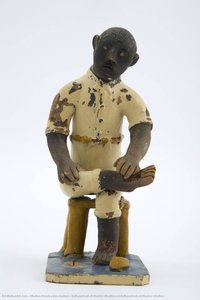
vitalino pereira dos santos
1909 - 1963 , Brazil
Основные сведения
- Artistic Movement Or Style: Figurative art
- Artists Or Movements Influenced By This Artist: ['Abstract Expressionism']
- Artists Who Influenced This Artist:
- Picasso
- Furies
- Date Of Birth: October 28, 1909
- Date Of Death: April 28, 1992
- Full Name: Francis Bacon
- Nationality: British
- Notable Artworks:
- Three Studies...
- screaming popes
- portraits of friends
- Place Of Birth: Dublin, Ireland