 Предпросмотр
 Поделиться
 Поделиться
 Детали произведения

 Скачать
 Похожие работы
 Рентгенография
 Слайд-шоу
 Статистика
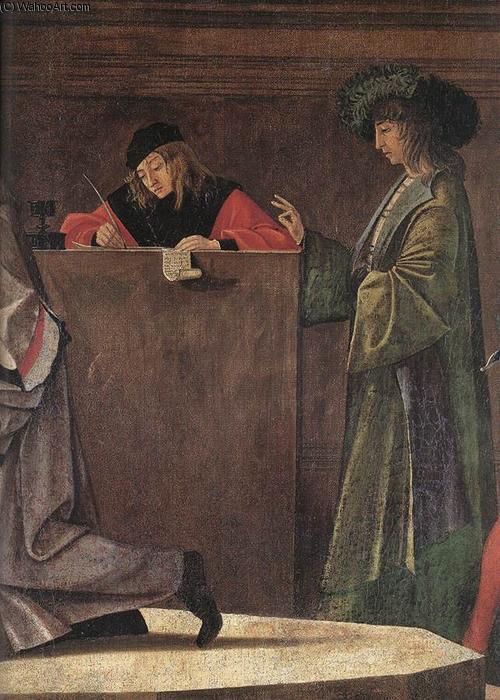
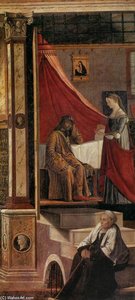
The Ambassadors Depart (detail)


 Читать далее
Масляная репродукция ручной работы
Картина маслом на холсте в выбранном вами размере и раме, написанная на заказ нашими художниками. ( Перейти к печати Перейти к цифровым изображениям)




P118B $10

P118H $10

P118W $10

P438Z $10

P508JH $12

P508YH $12

P805H $10

P805Z $10

P919BZ $10

P919G $10

P919XJ $10

P959ZH $10

P968JZ $12

W106C $8

W218G $10

W218JH $8

W218Y $10

W307PJ $10

W316G $10

W316PJ $8

W316Y $10

W398PJ $8

W4111J $10

W500HY $15

W500JH $15

W692G $12

W849H $8

W940BG $15

W953PJ $8




Выберите один из наших стандартных размеров, соответствующих оригинальным пропорциям произведения искусства.

Вы можете указать собственные размеры, чтобы картина идеально вписалась в выбранную раму или пространство. Если выбранный вами размер не соответствует пропорциям оригинала, мы либо обрежем полотно, либо расширим его за счет дополнительных элементов, написанных вручную. Цифровой макет будет отправлен вам на утверждение перед началом производства.
Обратите внимание, что предварительный просмотр на экране не отражает фактическую обрезку или расширение. Только макет точно покажет окончательную композицию.
Хотя доступны индивидуальные размеры, мы рекомендуем выбирать вариант из предопределенного списка, чтобы сохранить исходные пропорции.
После оформления заказа команда ArtsDot.com свяжется с клиентом по электронной почте для уточнения деталей и предоставит предварительный макет
Доставка по всему миру () за 3–4 недели вместо стандартных 5 недель. (12 Сентябрь). Без компромиссов в качестве.

Бесплатная экспресс-доставка по всему миру

Высококачественный льняной холст

Полное страхование доставки

Гарантия возмещения таможенных пошлин

Гарантия точного соответствия цветов

100-дневная политика возврата (только при обнаружении дефектов)

Гарантия возврата 100% средств

Предложение оптовых скидок
 Вариант со стеклом доступен только для размеров менее 110 см

The Ambassadors Depart (detail)
Техника репродукции
Размер репродукции
-


Итоговая стоимость
$ 263
A Moment of Contemplation: Vittore Carpaccio’s “The Ambassadors Depart”
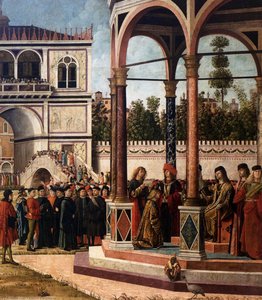
Vittore Carpaccio's "The Ambassadors Depart," a meticulously rendered detail from the larger 1495 painting housed in Venice’s Gallerie dell’Accademia, offers a captivating glimpse into the heart of Renaissance courtly life. More than just a depiction of two figures engaged in conversation, this section captures an exquisite interplay of gesture, expression, and subtle symbolism—a testament to Carpaccio's mastery of narrative painting and his unique approach to Venetian art. The scene unfolds within a richly textured interior, dominated by the dark, almost brooding presence of a wooden panel that anchors the composition and provides a dramatic contrast to the vibrant colors of the figures themselves. Carpaccio’s signature style—characterized by a deliberate restraint and an avoidance of the flamboyant trends sweeping through Italy at the time—is immediately apparent; he eschews the overt humanism of his contemporaries, instead focusing on capturing a quiet, contemplative moment of interaction.
- The Figures: The central focus is undeniably the woman in the crimson robe. Her posture, slightly turned towards the viewer, suggests both engagement and a degree of reserve. Her hand, poised as if about to write or read from a book, speaks volumes about her intellectual pursuits and perhaps even a certain social standing. Opposite her stands the man in green, his gesture—a deliberate pointing—is loaded with meaning. Is he offering guidance, expressing an opinion, or simply drawing attention to something within the text she holds? The ambiguity is precisely what makes this detail so compelling.
- Color and Texture: Carpaccio’s palette is remarkably restrained yet deeply evocative. The deep reds and golds of the woman's robe are offset by the muted greens and browns of the man’s attire, creating a harmonious balance. The texture of the fabrics—the sheen of the silk, the roughness of the fur-lined hood—is rendered with painstaking detail, inviting the viewer to almost reach out and touch them.
- Compositional Balance: The arrangement of figures within the panel is carefully considered. The diagonal line created by their positions draws the eye across the surface, while the dark background serves to isolate and emphasize the central interaction.
Renaissance Courtly Life and Symbolic Resonance
“The Ambassadors Depart” isn’t merely a portrait; it's a window into the complex social dynamics of Renaissance Italy. The painting reflects the importance of diplomacy, scholarship, and refined manners within aristocratic circles. Carpaccio was deeply influenced by the Early Netherlandish masters, particularly their skill in depicting realistic textures and their penchant for capturing fleeting moments of human interaction. This influence is evident in his meticulous attention to detail—the folds of the clothing, the expressions on the faces—and his ability to create a sense of immediacy and intimacy within the scene. The painting’s setting itself – an interior space – suggests a private conversation, hinting at the importance of discretion and carefully considered words within the courtly world.
Historical Context:Created in 1495 during a period of intense political maneuvering and artistic experimentation, “The Ambassadors Depart” reflects the anxieties and aspirations of the Venetian elite. Venice was a major center of trade and diplomacy, and its rulers were constantly seeking to maintain their influence on the European stage. Carpaccio’s painting captures this atmosphere of intrigue and sophistication, offering a glimpse into the lives of those who shaped the destiny of the city.
Carpaccio's Unique Vision: A Master of Narrative Detail
What distinguishes Carpaccio from his contemporaries is his unwavering commitment to narrative detail. He eschews the idealized beauty favored by many Renaissance painters, instead focusing on capturing the complexities and nuances of human behavior. His works are often described as “storytelling paintings,” and "The Ambassadors Depart" exemplifies this approach perfectly. The painting invites viewers to engage in a dialogue with the figures—to speculate about their motivations, their relationships, and the secrets they hold. Carpaccio’s style is characterized by a deliberate restraint and an avoidance of the flamboyant trends that transformed Italian Renaissance painting during his lifetime. His work was influenced by Antonello da Messina's style and early Netherlandish art. This unique blend of styles resulted in a distinctive approach to Venetian painting.
The Emotional Impact: A Quiet Intensity
Despite its relatively small scale, “The Ambassadors Depart” possesses a remarkable emotional intensity. The subtle expressions on the faces of the figures—a hint of curiosity, a flicker of contemplation—suggest a deeper story beneath the surface. The painting’s muted colors and carefully constructed composition create a sense of quiet intimacy, drawing the viewer into the scene and inviting them to share in the moment of shared understanding between the two individuals. It's not a grand, dramatic tableau; rather, it is a small, intimate portrait of human connection—a testament to Carpaccio’s ability to capture the essence of life in all its complexity.
Похожие произведения

Биография художника
Ранние годы и обучение
Витторе Карпаччо, выдающийся итальянский живописец, родился в Венеции около 1465 года. Его путь в искусстве начался под чутким руководством Джентиле Беллини, прославленного мастера венецианской школы. Это ученичество заложило прочный фундамент для будущего триумфа Карпаччо, сформировав его видение и технику.Художественный стиль и влияния
Стиль Карпаччо отличался определенным консерватизмом; в его работах почти не ощущалось влияния гуманистических течений, которые в то время стремительно преображали итальянскую живопись Ренессанса. На его творчество оказали глубокое воздействие манера Антонелло да Мессина и традиции раннего нидерландского искусства. Именно этот уникальный синтез различных стилей позволил ему создать самобытный и узнаваемый подход к венецианской живописи.Знаковые произведения
- «Легенда о Святой Урсуле» — цикл из девяти полотен, ставший самым знаменитым творением Карпаччо. Эта серия, ныне хранящаяся в Галерее Академии, является истинным триумфом его мастерства в повествовательной живописи.
- Алтарный образ «Слава Святой Урсулы» (1491) демонстрирует исключительный талант художника в передаче света и цвета, что напоминает о манере Джованни Беллини.
- «Чудо реликвии Креста на мосту Риальто» (1494) подчеркивает умение Карпаччо виртуозно сочетать композиционную гармонию с драматизмом сюжета.
Вершины карьеры и наследие
- Основные работы Карпаччо были созданы в период между 1490 и 1519 годами, что позволило ему занять почетное место среди ранних мастеров Венецианского Возрождения.
- Его ориенталистский стиль, ярко проявившийся в картине «Святой Георгий крестит селенитов», отражает новое увлечение художников Востоком и Левантом.
- Несмотря на величие его таланта, творчество Карпаччо порой оставалось в тени достижений его современников, таких как Джованни Беллини или Джорджоне.
Источники и дополнительная литература
Узнайте больше о Витторе Карпаччо и венецианской школе на ArtsDot.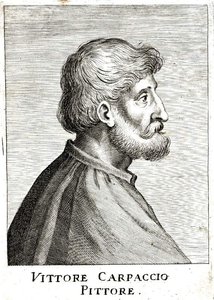
Виttore Карпаччо
1465 - 1526 , Италия
Основные сведения
- Artistic Movement Or Style: Ранний венецианский ренессанс
- Artists Or Movements Influenced By This Artist: ['Раннее нидерландское искусство']
- Artists Who Influenced This Artist:
- Джиотто ди Бондоне
- Антонио да Мессина
- Date Of Birth: Венеция, Италия (ок. 1465)
- Date Of Death: 1526
- Full Name: Витторе Карпаччо
- Nationality: Итальянский
- Notable Artworks:
- Легенда о святой Урсуле
- Слава святой Урсулы Альтарпьесэ
- Чудо реликвии Креста при Риальто
- Place Of Birth: Венеция
Похожие статьи
Vittore Carpaccio: Venetian Renaissance Narrative & the Poetics of Detail
Explore the captivating world of Vittore Carpaccio, a master storyteller of the Venetian Renaissance. Discover his intricate details, narrative cycles like 'The Legend of St. Ursula,' and unique artistic style.
The Golden Light of Innovation: Exploring the Venetian Renaissance Art Movement (1430–1580)
Explore the Golden Age of Venetian art (1430–1580). Discover Giorgione, Titian & Tintoretto's techniques, the 'colorito' revolution, and lasting influence. Expert insights for collectors & enthusiasts.

Oil on Canvas: A Historical & Technical Exploration of a Timeless Artistic Medium
Explore the rich history & enduring techniques of oil painting on canvas. Discover the science behind its longevity, conservation practices, and contemporary relevance. Expert insights for art enthusiasts.

The Enduring Legacy of Oil on Canvas: Technique, History & Aesthetic Impact
Explore the rich history & techniques of oil painting – from Renaissance masters to Impressionism. Discover pigments, layering methods, and why this timeless medium endures. Expert insights for artists & art enthusiasts.

Топ-25 шедевров Тинторетто: Венецианская драма и свет в вашем интерьере
Погрузитесь в мир драматизма и света с 25 шедеврами Тинторетто! Узнайте историю создания легендарных картин эпохи Возрождения. Репродукции высокого качества для вашего интерьера на ArtsDot.com.