 Предпросмотр
 Поделиться
 Поделиться
 Детали произведения

 Скачать
 Похожие работы
 Рентгенография
 Слайд-шоу
 Статистика
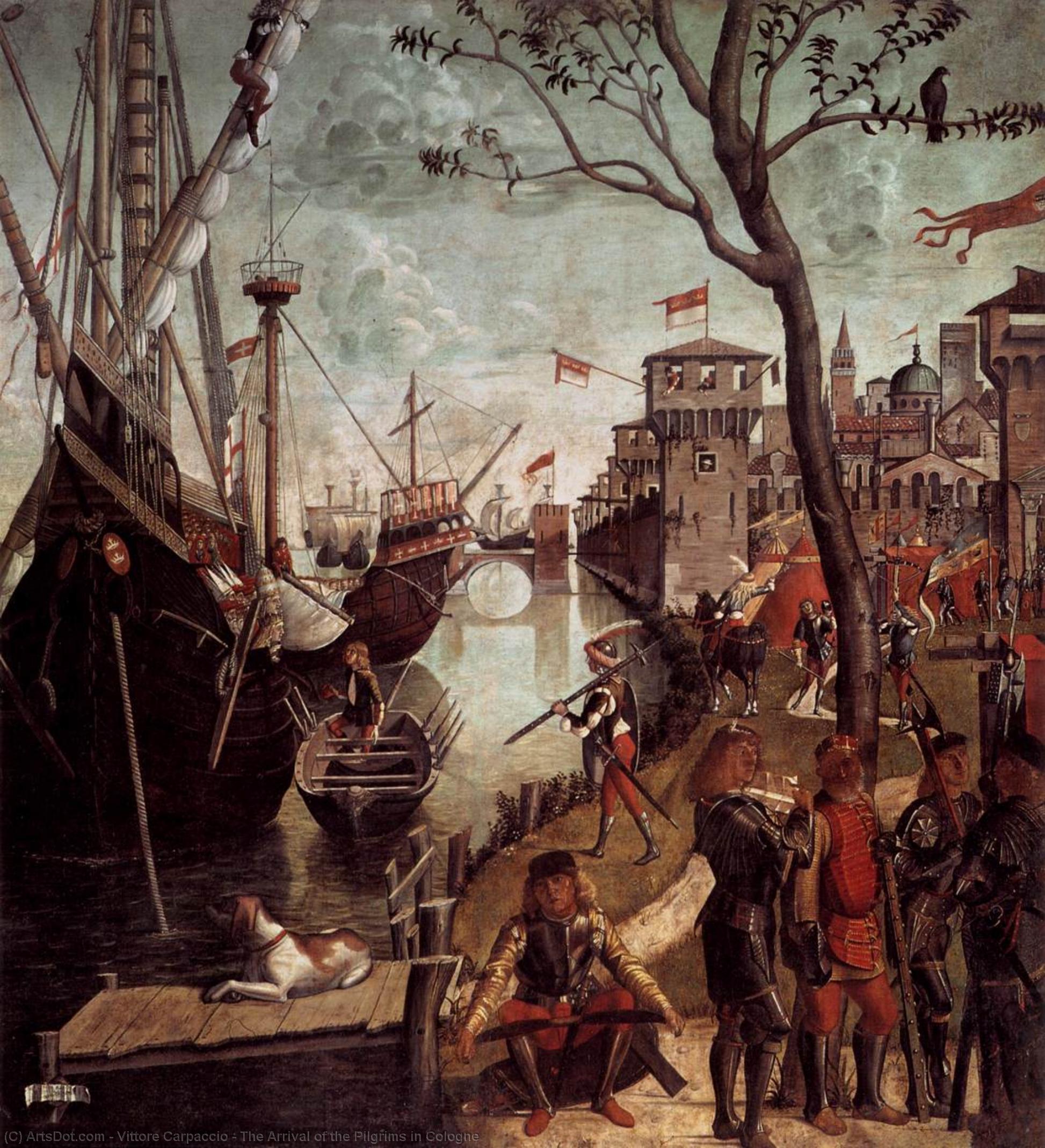
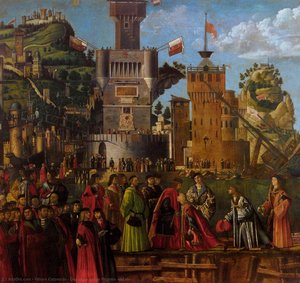
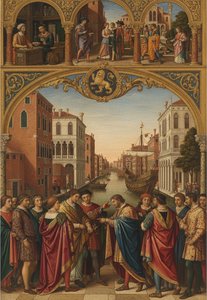
The Arrival of the Pilgrims in Cologne
 Acrylic On Canvas
- WallArt
- Venetian Renaissance
 1490
1490 280.0 x 255.0 cm
 Галереи Академии
 Читать далее
Масляная репродукция ручной работы
Картина маслом на холсте в выбранном вами размере и раме, написанная на заказ нашими художниками. ( Перейти к печати Перейти к цифровым изображениям)




P118B $10

P118H $10

P118W $10

P438Z $10

P508JH $12

P508YH $12

P805H $10

P805Z $10

P919BZ $10

P919G $10

P919XJ $10

P959ZH $10

P968JZ $12

W106C $8

W218G $10

W218JH $8

W218Y $10

W307PJ $10

W316G $10

W316PJ $8

W316Y $10

W398PJ $8

W4111J $10

W500HY $15

W500JH $15

W692G $12

W849H $8

W940BG $15

W953PJ $8




Выберите один из наших стандартных размеров, соответствующих оригинальным пропорциям произведения искусства.

Вы можете указать собственные размеры, чтобы картина идеально вписалась в выбранную раму или пространство. Если выбранный вами размер не соответствует пропорциям оригинала, мы либо обрежем полотно, либо расширим его за счет дополнительных элементов, написанных вручную. Цифровой макет будет отправлен вам на утверждение перед началом производства.
Обратите внимание, что предварительный просмотр на экране не отражает фактическую обрезку или расширение. Только макет точно покажет окончательную композицию.
Хотя доступны индивидуальные размеры, мы рекомендуем выбирать вариант из предопределенного списка, чтобы сохранить исходные пропорции.
После оформления заказа команда ArtsDot.com свяжется с клиентом по электронной почте для уточнения деталей и предоставит предварительный макет
Доставка по всему миру () за 3–4 недели вместо стандартных 5 недель. (13 Сентябрь). Без компромиссов в качестве.

Бесплатная экспресс-доставка по всему миру

Высококачественный льняной холст

Полное страхование доставки

Гарантия возмещения таможенных пошлин

Гарантия точного соответствия цветов

100-дневная политика возврата (только при обнаружении дефектов)

Гарантия возврата 100% средств

Предложение оптовых скидок
 Вариант со стеклом доступен только для размеров менее 110 см

The Arrival of the Pilgrims in Cologne
Техника репродукции
Размер репродукции
-


Итоговая стоимость
$ 263
A Chronicle of Faith and Journey: Exploring Carpaccio’s “Arrival of the Pilgrims in Cologne”
Vittore Carpaccio's "The Arrival of the Pilgrims in Cologne," painted around 1490, isn’t merely a depiction of a historical event; it’s a meticulously crafted narrative brimming with symbolism and reflecting the complex spiritual landscape of late Renaissance Venice. This monumental work, now housed within the Gallerie dell’Accademia, transports us to a pivotal moment – the arrival of pilgrims in Cologne, seeking the relics of Saint Ursula. More than just a scene of travel, it's a carefully orchestrated tableau of faith, diplomacy, and impending tragedy, rendered with Carpaccio’s signature blend of meticulous detail and dramatic storytelling.
The painting immediately captivates with its vibrant palette and dynamic composition. Carpaccio eschews the idealized beauty favored by some of his contemporaries, opting instead for a grounded realism that emphasizes texture, light, and shadow. The scene unfolds within an open pavilion, bathed in the diffused glow of a misty morning – a detail evocative of Venice itself, subtly grounding the fantastical elements within a recognizable setting. The figures are not presented as heroic saints but as ordinary people engaged in extraordinary circumstances, their faces etched with a mixture of anticipation, solemnity, and perhaps even apprehension. The use of perspective is masterful, drawing the eye through the crowded scene towards the central action: the exchange between the Breton envoys and the representatives of Cologne.
The Layers of Narrative: Symbolism and Historical Context
Carpaccio’s work draws heavily from Jacobus de Voragine's *Golden Legend*, a collection of hagiographies that profoundly influenced Venetian art. The story of Saint Ursula, a virgin princess who died alongside her eleven thousand companions in the 5th century, was particularly popular during this period. The painting isn’t simply recounting the arrival; it’s illustrating the complex political and religious negotiations surrounding the pilgrimage – a marriage alliance between Brittany and the pagan kingdom of Cologne. The envoys, clad in richly colored robes, represent the diplomatic mission, while the figures on the left depict the Breton court, highlighting the importance of this union for both kingdoms.
Beyond the immediate narrative, the painting is rich with symbolic details. The presence of the didascalos – a figure resembling the Renaissance humanist Ermolao Barbaro – suggests the role of interpretation and explanation within the context of religious storytelling. The ships in the distance, the city walls of Cologne, and even the arrangement of figures all contribute to a layered visual language that invites contemplation. The scene’s setting itself—a blend of Venetian architecture and imagined landscapes—reflects Venice's position as a crossroads of cultures and commerce during the Renaissance.
Carpaccio’s Technique: A Masterclass in Detail and Drama
What distinguishes Carpaccio’s work is his extraordinary attention to detail. Every garment, every facial expression, every architectural element is rendered with painstaking precision. He employs a technique known as *disegno*, prioritizing the preparatory drawing before applying paint, resulting in remarkably accurate depictions of form and space. The figures are not merely sketched; they are sculpted with an almost photographic realism. This meticulous approach contrasts sharply with the looser brushwork often found in contemporary Venetian painting, highlighting Carpaccio’s unique artistic vision.
Furthermore, Carpaccio masterfully manipulates light and shadow to create a sense of drama and depth. The diffused morning light casts long shadows across the pavilion, emphasizing the figures' forms and creating a palpable atmosphere of anticipation. The use of color is equally deliberate, with rich reds and blues dominating the scene, drawing attention to key elements and adding visual interest. This combination of meticulous detail and dramatic lighting elevates “The Arrival of the Pilgrims in Cologne” beyond a simple historical depiction—it becomes a powerful meditation on faith, diplomacy, and the human condition.
A Legacy of Narrative: Reproductions and Artistic Inspiration
Today, "The Arrival of the Pilgrims in Cologne" stands as a testament to Carpaccio’s artistic genius. Reproductions offer an accessible way to experience this monumental work, allowing viewers to appreciate its intricate details and profound symbolism. Whether adorning a grand salon or a smaller study, a high-quality reproduction can evoke the same sense of wonder and contemplation that captivated audiences in 15th-century Venice. Carpaccio’s legacy continues to inspire artists and designers alike, reminding us of the power of narrative painting to transport us across time and space.
Похожие произведения

Биография художника
Ранние годы и обучение
Витторе Карпаччо, выдающийся итальянский живописец, родился в Венеции около 1465 года. Его путь в искусстве начался под чутким руководством Джентиле Беллини, прославленного мастера венецианской школы. Это ученичество заложило прочный фундамент для будущего триумфа Карпаччо, сформировав его видение и технику.Художественный стиль и влияния
Стиль Карпаччо отличался определенным консерватизмом; в его работах почти не ощущалось влияния гуманистических течений, которые в то время стремительно преображали итальянскую живопись Ренессанса. На его творчество оказали глубокое воздействие манера Антонелло да Мессина и традиции раннего нидерландского искусства. Именно этот уникальный синтез различных стилей позволил ему создать самобытный и узнаваемый подход к венецианской живописи.Знаковые произведения
- «Легенда о Святой Урсуле» — цикл из девяти полотен, ставший самым знаменитым творением Карпаччо. Эта серия, ныне хранящаяся в Галерее Академии, является истинным триумфом его мастерства в повествовательной живописи.
- Алтарный образ «Слава Святой Урсулы» (1491) демонстрирует исключительный талант художника в передаче света и цвета, что напоминает о манере Джованни Беллини.
- «Чудо реликвии Креста на мосту Риальто» (1494) подчеркивает умение Карпаччо виртуозно сочетать композиционную гармонию с драматизмом сюжета.
Вершины карьеры и наследие
- Основные работы Карпаччо были созданы в период между 1490 и 1519 годами, что позволило ему занять почетное место среди ранних мастеров Венецианского Возрождения.
- Его ориенталистский стиль, ярко проявившийся в картине «Святой Георгий крестит селенитов», отражает новое увлечение художников Востоком и Левантом.
- Несмотря на величие его таланта, творчество Карпаччо порой оставалось в тени достижений его современников, таких как Джованни Беллини или Джорджоне.
Источники и дополнительная литература
Узнайте больше о Витторе Карпаччо и венецианской школе на ArtsDot.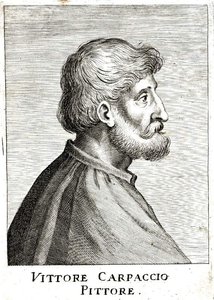
Виttore Карпаччо
1465 - 1526 , Италия
Основные сведения
- Artistic Movement Or Style: Ранний венецианский ренессанс
- Artists Or Movements Influenced By This Artist: ['Раннее нидерландское искусство']
- Artists Who Influenced This Artist:
- Джиотто ди Бондоне
- Антонио да Мессина
- Date Of Birth: Венеция, Италия (ок. 1465)
- Date Of Death: 1526
- Full Name: Витторе Карпаччо
- Nationality: Итальянский
- Notable Artworks:
- Легенда о святой Урсуле
- Слава святой Урсулы Альтарпьесэ
- Чудо реликвии Креста при Риальто
- Place Of Birth: Венеция
Похожие статьи
Illuminating Faith & Power: A Journey Through Medieval Art (c. 500 – c. 1500)
Explore the rich history of Medieval Art (c. 500 – c. 1500) with ArtsDot. Discover Byzantine mosaics, Gothic cathedrals & Renaissance masterpieces. Expert insights & museum-quality reproductions.
Vittore Carpaccio: Venetian Renaissance Narrative & the Poetics of Detail
Explore the captivating world of Vittore Carpaccio, a master storyteller of the Venetian Renaissance. Discover his intricate details, narrative cycles like 'The Legend of St. Ursula,' and unique artistic style.
Early Medieval Art: 10 Masterpieces That Shaped a New World | ArtsDot
Journey through 10 stunning Early Medieval masterpieces – from the Book of Kells to Carolingian mosaics. Explore art history, symbolism & find museum-quality reproductions for your home at ArtsDot.com. Discover all masterpieces online!

Late Medieval Masterpieces: 10 Artworks That Defined an Era | ArtsDot
Journey through 10 defining Late Medieval masterpieces – from Giotto's frescoes to Jan van Eyck’s realism. Explore the stories, techniques & vibrant colors of Gothic art. Find museum-quality reproductions and elevate your home decor with ArtsDot.com! Discover all masterpieces on ArtsDot.com
High Medieval Art: 10 Masterpieces That Shaped an Era | ArtsDot
Journey through High Medieval Art! Explore 10 iconic masterpieces – from Giotto's frescoes to stunning Gothic cathedrals. Discover the stories behind these timeless paintings, sculptures & illuminated manuscripts. Find museum-quality art reproductions at ArtsDot.com.